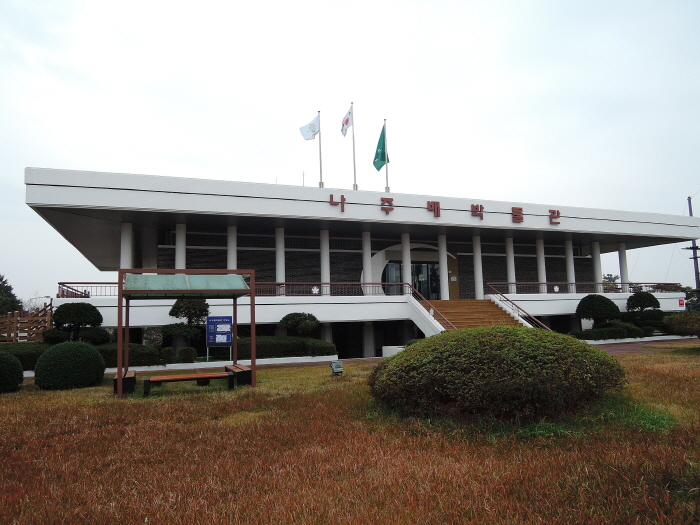
Naju Pear Museum (나주배박물관)
3.6Km 2021-08-13
5838, Yeongsan-ro, Naju-si, Jeollanam-do
+82-61-339-2590
Known as the birthplace of Korean pears, Naju pears are well-known for its long history. The fruit was exported worldwide starting in 1967. The Naju Pear Museum promotes the fruit and is a learning center for its agricultural history. The museum opened on April 20, 1992 and is the world's only pear museum.
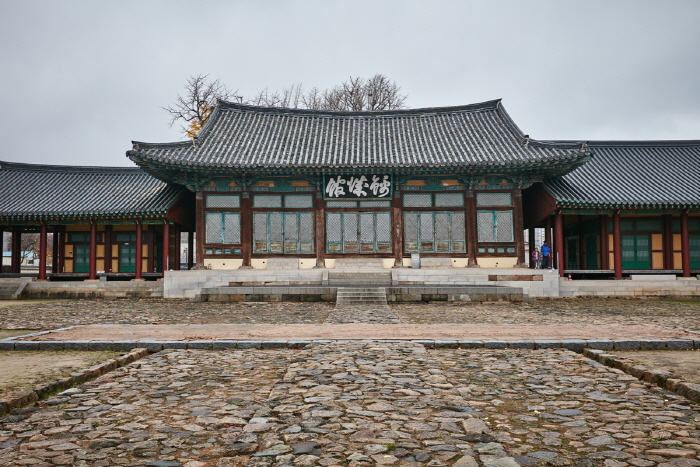
Naju Geumseonggwan Hall (나주 금성관)
5.4Km 2021-08-17
8, Geumseonggwan-gil, Naju-si, Jeollanam-do
+82-61-339-8613
Naju Geumseonggwan Hall was a state-run guesthouse for government officials during the Joseon period. It was the venue for ceremonial praise rituals for the king, taking place on the first and 15th of each month, as well as banquets held in honor of visiting dignitaries. The building was constructed sometime between 1475 and 1479. The building was remodeled during the Japanese occupation, but was restored to its original design in 1977.

National Center for Forest Education, Naju (국립나주숲체원)
5.5Km 2024-02-19
116 Geumseongsan-gil, Naju-si, Jeollanam-do
National Center for Forest Education, Naju is a national recreational facility located on Geumseongsan Mountain. It operates customized forest education and cultural programs based on the wild tea plantation of Geumseongsan Mountain and the culture of Naju. Utilizing the facilities of the forest center and the surrounding nature, it offers various experiential programs such as forest walking, stretching, meditation, and natural dyeing experiences of Naju's traditional culture.
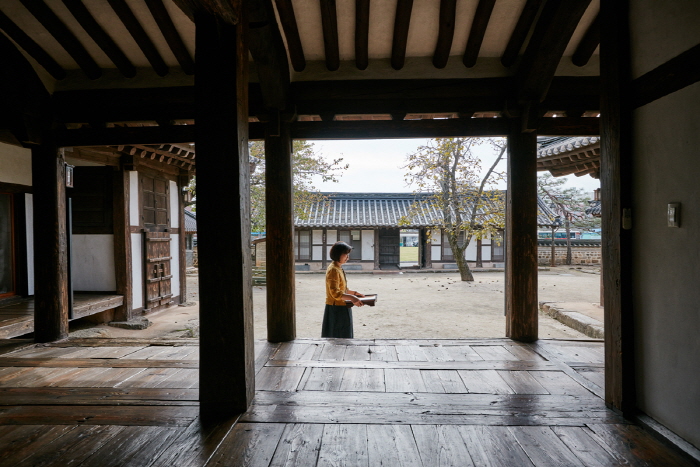
Naju Moksanaea (나주목사내아)
5.5Km 2021-09-30
13-10, Geumseonggwan-gil, Naju-si, Jeollanam-do
+82-61-332-6565
Naju Moksanaea was the private residence of Naju's moksa, the title of highest official in the region. This traditional hanok house was built in 1825 and follows the traditional hanok design of a wealthy aristocrat. It is recognized as Jeollanam-do Cultural Hertiage Material.
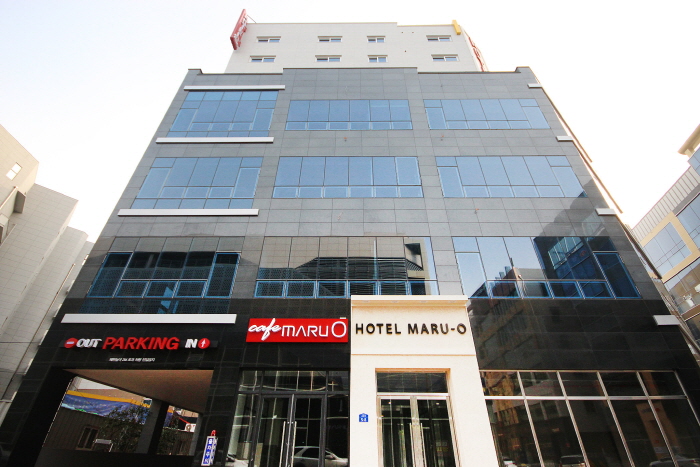
Maru-o / 마루오(MARU-O)
5.6Km 2025-03-05
5-8 , Baemet 3-gil, Naju-si, Jeollanam-do
+82-61-331-0700
The Maru O Hotel is a business hotel in the heart of Naju Innovation City, Jeollanam-do, that has good facilities and is popular with both business travellers and tourists. The underground parking lot has an electric vehicle charging station, and both mobile phone chargers and tourist information for Naju and Jeonam is available at the front desk. Right in front of the hotel is Bitgaram Lake Park where visitors can take a pleasant walk. Naju KTX station and the Intercity Bus Terminal are 15 minutes away by car, and Naju’s Yeongsanpo Hongeo Street and Gomtang Street (famous for its restaurants!) are also nearby.
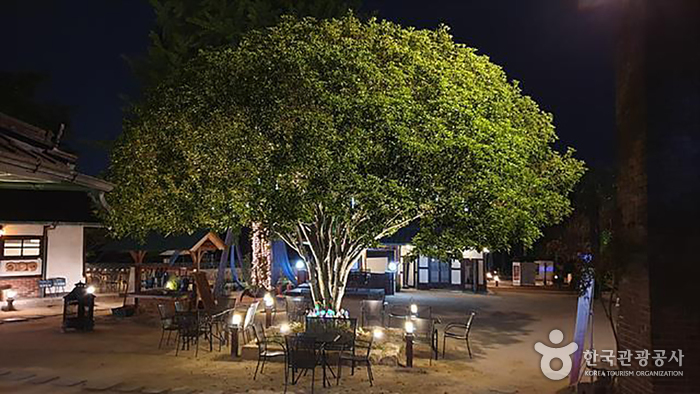
3917Majung (3917마중)
5.8Km 2024-12-23
42-16 , Hyanggyo-gil, Naju-si, Jeollanam-do
+82-61-331-3917
3917 Majung is a Japanese- and Western-style hanok commonly seen in the late Korean Empire period, in Naju, Jeollanam-do, which combines a cafe, cultural space and hanok stay. The 3.2 acre site contains four buildings, with a mixture of ondol rooms, tatami rooms, daecheong floors and numaru lofts. Some buildings have bathrooms installed, some share outdoor bathrooms. All four buildings are let as private houses.
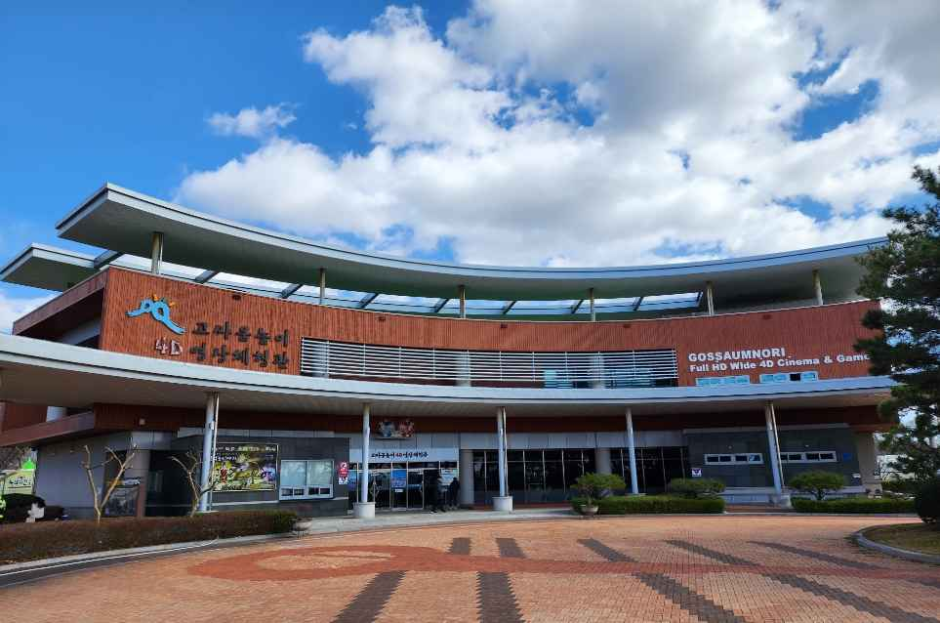
Gossaumnori Theme Park (고싸움놀이테마파크)
6.6Km 2024-10-10
2 Gossaum-ro, Nam-gu, Gwangju
Gossaumnori Theme Park was built over five years to preserve and develop the traditions of Gossaum, a local type of tug-of-war game. The park comprises a training center, video experience hall, folk game experience center, and outdoor performing hall.
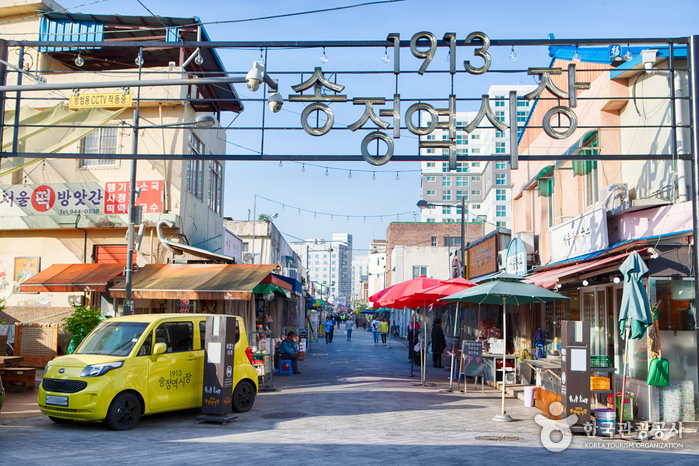
1913 Songjeong Station Market (1913송정역시장)
8.3Km 2025-08-12
13 Songjeong-ro 8beon-gil, Gwangsan-gu, Gwangju
Songjeong Station Market was opened in 1913 in connection with the opening of Gwangju-Songjeong Station. For many years, the market was the go-to-place for necessary items and produce, but with the increase of large supermarts in the 1990s, people began to visit traditional markets less and less. In order to increase the liveliness of Songjeong Station Market and showcase the difference between modern marts and a traditional market, the entire space was redesigned around the theme of time.
The newly redesigned 1913 Songjeong Station Market, located just across the street from Gwangju-Songjeong KTX Station, has a bright appearance with modern-styled architecture and signboards detailing the history of the various shops. Visitors can enjoy all the classic market foods here, such as hotteok (hot griddle cakes), gyeran bap (rice with egg), and eomuk (fish cake).
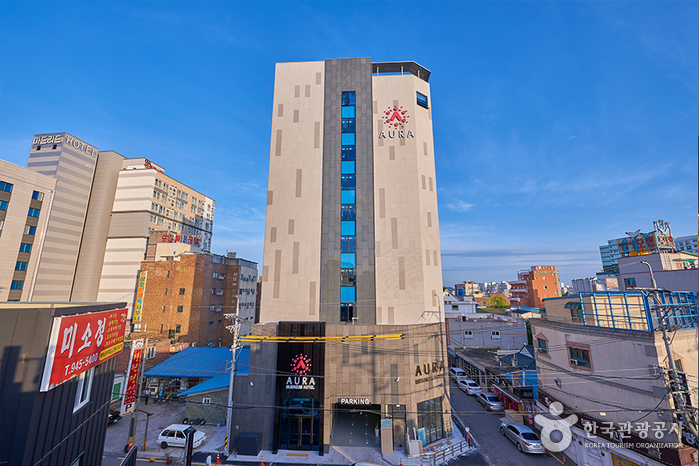
Gwangju Aura Hotel (광주 아우라 비즈니스 호텔)
8.5Km 2024-12-22
28 , Songjeong-ro 1beon-gil, Gwangsan-gu, Gwangju
+82-62-942-0060~0061
The Aura Hotel in Gwangju, Jeollanam-do, is a business hotel directly opposite KTX Songjeong Station, which offers clean and comfortable rooms with spacious bathrooms and an elegant atmosphere. Transport connections are good, with Gwangju Airport and Gwangju 2nd Ring Road just 10 minutes away, Must-visit Gwangju sights Songjeong Tteokgalbi Street, 1913 Songjeong Old Market, and Songjeong 5-Day Market are also nearby.
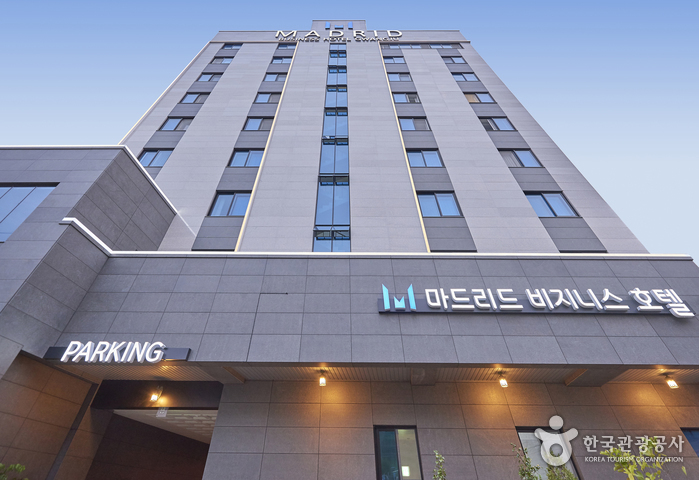
MADRID Business Hotel Gwnagju (유)한성 마드리드 광주호텔)
8.6Km 2024-12-22
11 , Gwangsan-ro 19beon-gil, Gwangsan-gu, Gwangju
+82-62-941-0500
The Madrid Hotel in Gwangju, Jeollanam-do, is right across from KTX Gwangju Songjeong Station, and not far from Gwangju Airport, giving excellent transport access. Nearby tourist destinations include the Sangmu shopping and business district, Kimdaejung Convention Center, Songjeong Tteokgalbi Street, and the 1913 Songjeong Station Market. It is also easy to move to Pyeongdong Industrial Complex, Sochon Industrial Complex, Naju Innovation City, etc. The hotel was used as the headquarters hotel for the 2019 World Aquatics Championships, and received good reviews for its neat and clean facilities and friendly service.
 English
 한국어
한국어 日本語
日本語 中文(简体)
 Deutsch
 Français
 Español
 Русский


