
Sejong Village Food Street (세종마을 음식문화거리)
17.7Km 2025-06-17
Chebu-dong, Jongno-gu, Seoul
Previously known as Geumcheongyo Market, it was officially named Sejong Village Food Street in 2011, as King Sejong was born in this village. The street is full of lively energy and features both long-standing restaurants, also known as nopo in Korean, and recently established trendy eateries. Its convenient location and inviting atmosphere make it a popular place to visit.
Provence Village (프로방스 마을)
17.7Km 2024-10-31
69 Saeori-ro, Tanhyeon-myeon, Paju-si, Gyeonggi-do
+82-31-946-6353
Provence Village is a themed village that began with the opening of a chic French restaurant in 1996. It has expanded to include a famous bakery cafe, Italian and Korean restaurants, shops, colorful murals, a beautiful garden, and romantic lighting displays in the evenings.
Each unique shop is connected to other shops in the village. An art studio offers a wide array of dishes used in cafes and restaurants in the village; the Living Gallery not only decorates Provence Village, but also makes decorative items such as hand-painted ceramics, available for purchase; and the European bakery boasts fresh, delicious breads. Each shop is an independent unit with a unique design concept. The Living Gallery offers shops selling ceramics, flowers, and herbs, while the Fashion Gallery consists of shops offering clothing, accessories, and interior design items. The Herb Garden hosts a wide array of cultural events and performances for visitors throughout the year.
National Meteorological Museum of Korea (국립기상박물관)
17.7Km 2024-03-26
52 Songwol-gil, Jongno-gu, Seoul
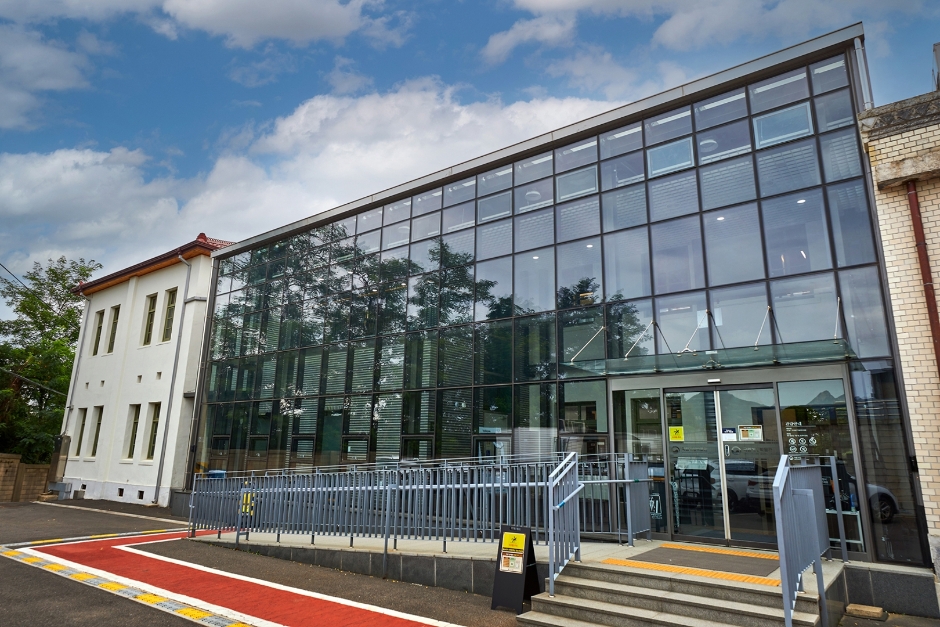
A museum where one can look at Korea's meteorological observation history and technological development through exhibitions. The museum has the world's first rain gauge, invented in 1441, in the early Joseon dynasty. The museum operates approximately 350 meteorological observatories across Korea and focuses on promoting the uniqueness and excellence of Korea's meteorological science. There are permanent collections and special exhibitions. The permanent collections focus on the history of meteorological science in Korea. At the same time, the special exhibitions take a closer look at the history and information about meteorological science and natural disasters (e.g., earthquakes) that occurred in various regions of Korea. There are experience programs related to meteorological science, such as making a rain gauge or learning about rain gauges.
Daelim Museum (대림미술관)
17.7Km 2022-07-29
21, Jahamun-ro 4-gil, Jongno-gu, Seoul
+82-2-720-0667
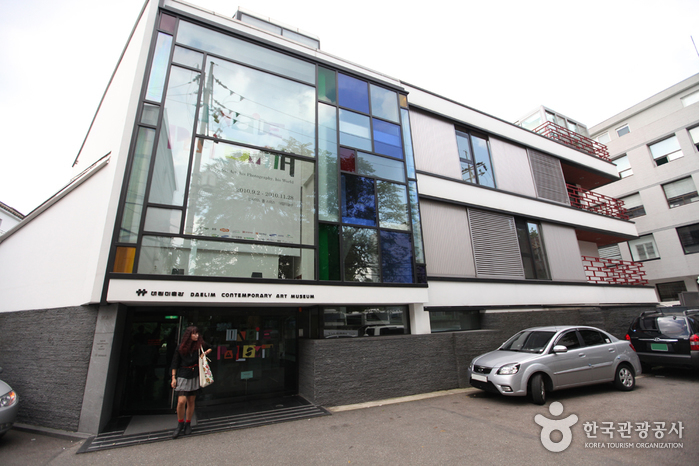
The Daelim Museum, built by the Daelim Group, was first established in Daejeon in 1996 and later moved to Jongno, Seoul in 2002. The art gallery studies, analyzes, and presents modern art through the lens of photography and holds exhibitions centered around photo media.
The museum is located in the residential area of Tongui-dong, near the time-honored Gyeongbokgung Palace. The museum, which was designed by French architect, Vincent Cornu, and built by the Daelim Corporation, opened its door to the public in late May 2002.
On the first floor, there is a garden, parking lot, reception desk, storage area, and conference room. On the second and third floor are offices and exhibition hall approximately 595 m² in size, consisting of small and large rooms, a long gallery, and a special high-ceilinged exhibition space. On the fourth floor, there is a seminar room that can seat up to 120 guests and a balcony with a beautiful view. From the balcony of the seminar room, Visitors can also enjoy a wide open view of Inwangsan Mountain and Bukhansan Mountain. The stained glass panels (designed to reflect the beauty of traditional Korean wrapping cloth) and the scenic lounges on the 2nd and 3rd floors of the building add to the overall charm.
Above all else, the museum was designed with consideration of the photos, which are very sensitive to humidity, light, and temperature.
Bucheon Bow Museum (부천활박물관)
17.8Km 2021-12-23
482, Sosa-ro, Bucheon-si, Gyeonggi-do
+82-32-614-2678
Reflected by the outstanding performance of Korean archers at recent Olympic games, Koreans have an esteemed reputation for their skills in archery and craftsmanship. But this undoubted skill has historical precedent, as bows were an important weapon of war throughout Korean history. The Bucheon Bow Museum was established to show visitors the spirit of Korean archery, and demonstrate its ancestral traditions of bowyer craftsmanship. The museum houses traditional bows (gukgung), which are considered prized cultural pieces, and have been made by a Bucheon family, which has fostered a lineage of bowyers across five generations. In addition, the museum exhibits various pieces and articles related to archery.
Gyeonghuigung Palace (경희궁)
17.8Km 2024-07-09
45 Saemunan-ro, Jongno-gu, Seoul
+82-2-724-0274
Gyeonghuigung Palace, a designated Historic Site, was originally called the large palace by Saemun Gate, or the Western Palace, for its location within the city. It was not until the eighth year of Gwanghaegun (1616) that the palace was used as a royal residence for the king, changing the name to Gyeongdeokgung Palace. The name later changed again to the current Gyeonghuigung Palace in 1760. The palace grounds included many halls but they were mostly all burned down in a fire in 1829. After the Japanese occupation began, all remaining buildings on the site were torn down and the palace grounds were turned into Gyeongseong Middle School (now Seoul High School). The school moved to Gangnam area in 1987, afterwhich the previous location was turned into a park. The palace grounds currently hold Seoul Museum of Art and walking paths, as well as a restoration of Heunghwamun Gate, the main gate of the palace, and Sungjeongjeon Hall, the main hall, completed in November 1994.
I'mdr. LLC. (아임닥터 유한책임회사)
17.8Km 2025-10-23
3F, 6-3 Bugahyeon-ro 2-gil, Seodaemun-gu, Seoul
I'mdr. LLC., leads the global medical tourism market with Korea's cutting-edge medical technology and world-class medical services.
With I'mdr, a health and beauty trip to Korea will be safer and more comfortable. It provides both aesthetic medical services and treatment for severely ill patients. Enjoy innovative, patient-centered medical tourism experience through I'mdr.'s customized medical concierge services.
Uidonggyegok Valley (우이동계곡)
17.8Km 2021-06-09
Ui-dong, Gangbuk-gu, Seoul
+82-2-909-0497
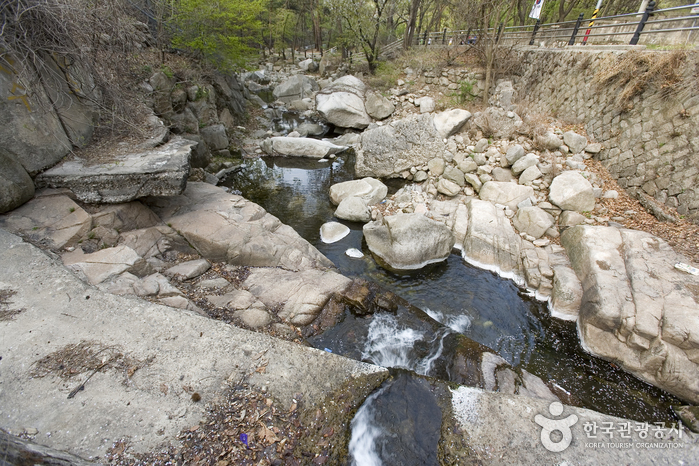
Uidonggyegok Valley is located between Bukhansan Mountain and Dobongsan Mountain, and is a popular retreat for locals. Near the entrance to the valley are accommodations, a playground, wedding hall, and other amenities. Clean water runs through the valley, and is lined with restaurants. The hiking path starting to the left of the valley entrance passes Doseonsa Temple on the way to Insubong Peak. The hiking path through the valley is quite difficult, but leads to Uiam Hermitage, and further to Dobongsan Mountain along the ridge. Additional temples in the area include Seongbulsa, Yongdeoksa, Seonunsa, and Gwangmyeongsa Temples.
Palace Royal Guard Changing Ceremony (수문장 교대의식)
17.8Km 2025-07-11
161 Sajik-ro, Jongno-gu, Seoul
+82-2-3210-1645
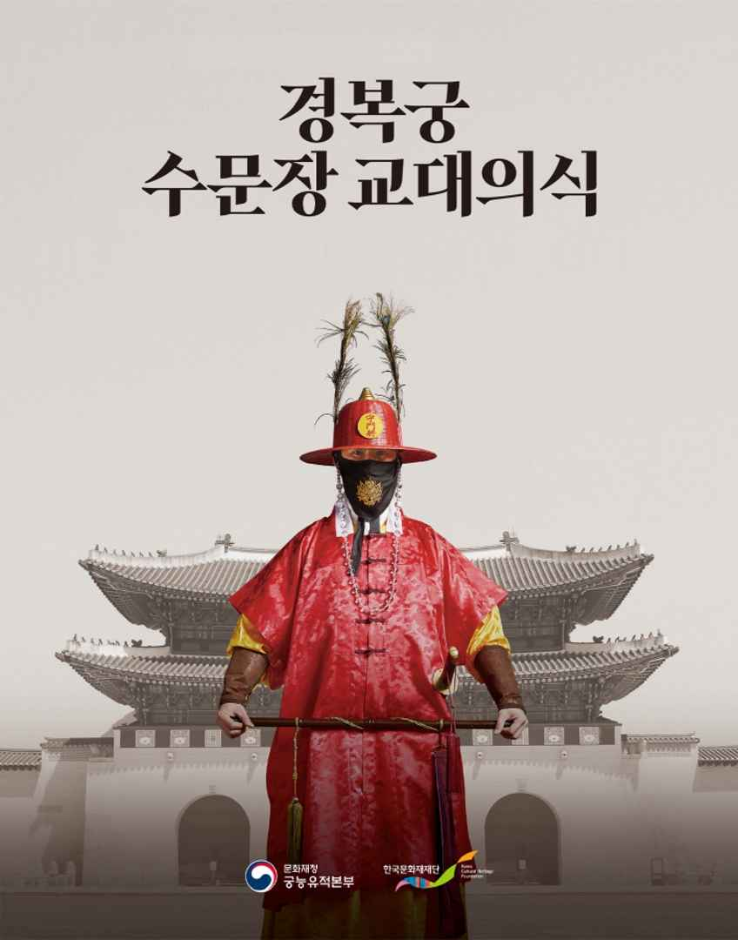
In the Joseon dynasty, the royal guards of the palace were gatekeepers who were responsible for guarding the the main gates of Gyeongbokgung Palace as well as the main gates of the city such as Heunginjimun Gate and Sungnyemun Gate. The royal guards worked in shift duties and were in charge of opening and closing Gwanghwamun Gate. Before the royal guard system was enforced in 1469, the palace gates were protected by soldiers of the central army. The Palace Royal Guard Changing Ceremony held at Gyeongbokgung Palace and the Gwanghwamun area reenacts the guard-changing procedure that took place during the Joseon dynasty, along with the reproduction of costumes and weapons, based on historical records.
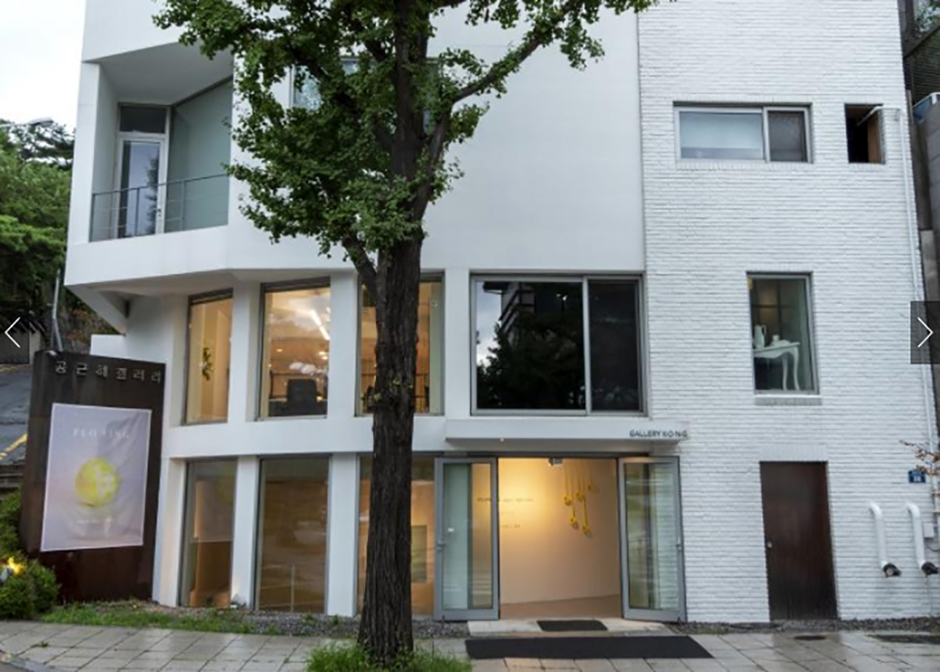
K.O.N.G Gallery (공근혜갤러리)
17.8Km 2025-10-28
38 Samcheong-ro 7-gil, Jongno-gu, Seoul (Samcheong-dong)
Since its opening in 2005, the gallery has made a significant impact on the Korean photography scene by introducing world-class photographers to Korea. It relocated to its present site next to the Cheongwadae, Samcheong-dong, in 2010, adding spaces for painting, sculpture, video, installation, and other forms of contemporary art. The gallery focuses on artists based in Paris, London, and New York, presenting works that represent the current state of contemporary art in the 21st century. It also plays a vital role as a Korean gallery by discovering young Korean artists and supporting their overseas activities.
 English
 한국어
한국어 日本語
日本語 中文(简体)
 Deutsch
 Français
 Español
 Русский


