
Samcheong Park (삼청공원)
18.0Km 2024-03-18
44, Insadong-gil, Jongno-gu, Seoul
+82-2-2148-4150
Samcheong Park is a park that blooms in cherry blossoms in spring and fall colors in fall near Gyeongbokgung Palace. The park is home to a forest library and a café, and visitors can follow the trails to find acupressure trails, exercise equipment, badminton court, tennis court, playground, and a convenience store. The area surrounding the park is home to many galleries and restaurants, so it is a popular destination for walking among the people of Seoul.
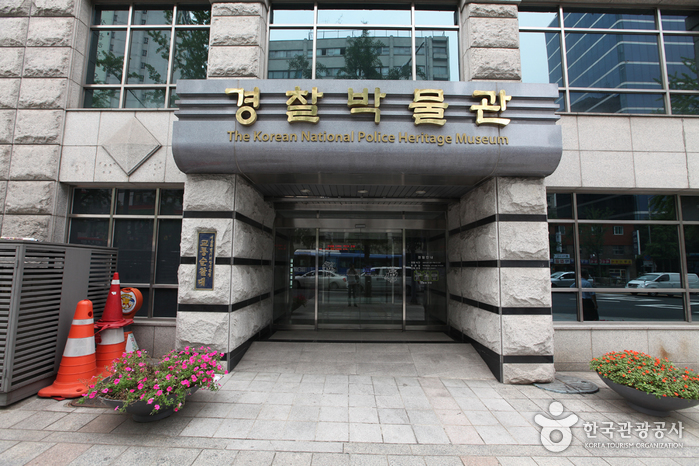
Korean National Police Heritage Museum (경찰박물관)
18.0Km 2021-12-21
41, Saemunan-ro, Jongno-gu, Seoul
+82-2-3150-3681
The police museum opened on October 14, 2005 to give a better understanding of the job of the police and to offer a formal education to children who wish to become police officers in the future. The history hall of the museum is designed for visitors to learn about the history of Korean police at a glance, exhibiting information on the police force from the Joseon dynasty up until current times.
Visitors to the museum can pretend to be police officers by touching actual equipment and learning about an officer's daily tasks. Visitors can also get in patrol cars, wear a police uniform, experience shooting a gun through a simulation, and learn self-defense martial arts and arrest techniques. Visitors can also go to the museum jail.
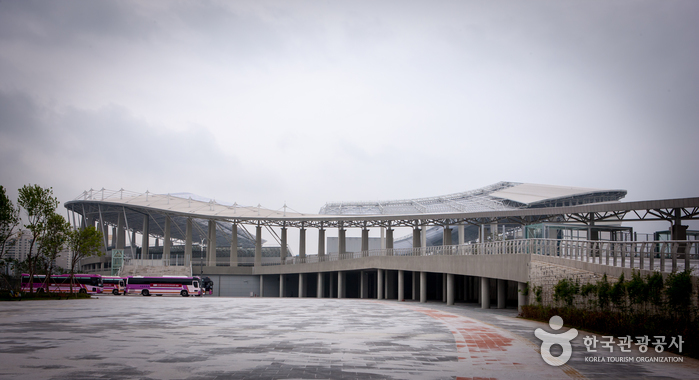
Incheon Asiad Main Stadium (인천아시아드주경기장)
18.0Km 2025-06-09
806 Bongsu-daero, Seo-gu, Incheon
+82-32-456-2100
Incheon Asiad Main Stadium is the main stadium used for the 2014 Asian Games in Incheon. Construction began in June 2011 and the stadium opened on June 1, 2014. Built on a 631,975 ㎡ lot, the five-story stadium has a total floor area of 113,620 ㎡ and 61,818 spectator seats (capacity to be reduced by 32,514 seats after the 2014 Asian Games).
The stadium has an oval running track enclosing a regulation-size soccer field. Outside, there's a tennis court, a subsidiary stadium, and the 1,415.13 ㎡ Yeonhui Cricket Ground.
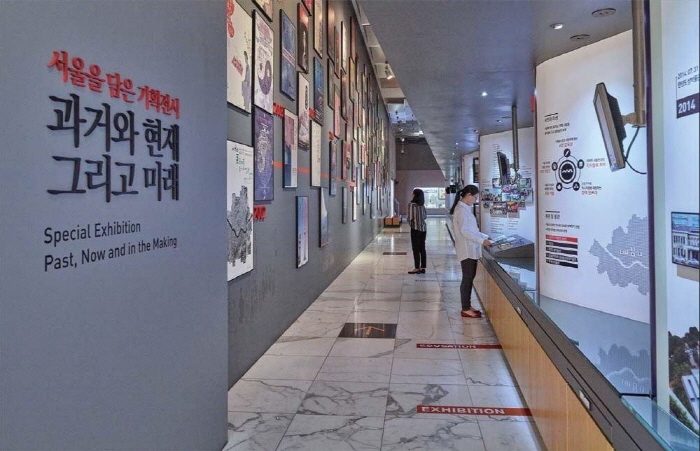
Seoul Museum of History (서울역사박물관)
18.0Km 2025-01-17
55 Saemunan-ro, Jongno-gu, Seoul
Seoul Museum of History covers everything about Seoul's history and culture from the prehistoric era to modern times, focusing especially on the Joseon era. The museum aims to raise cultural awareness and build a strong bond within the community by collecting, preserving, researching, and displaying artifacts and materials related to Seoul as well as promoting the city's history and culture to an international audience.
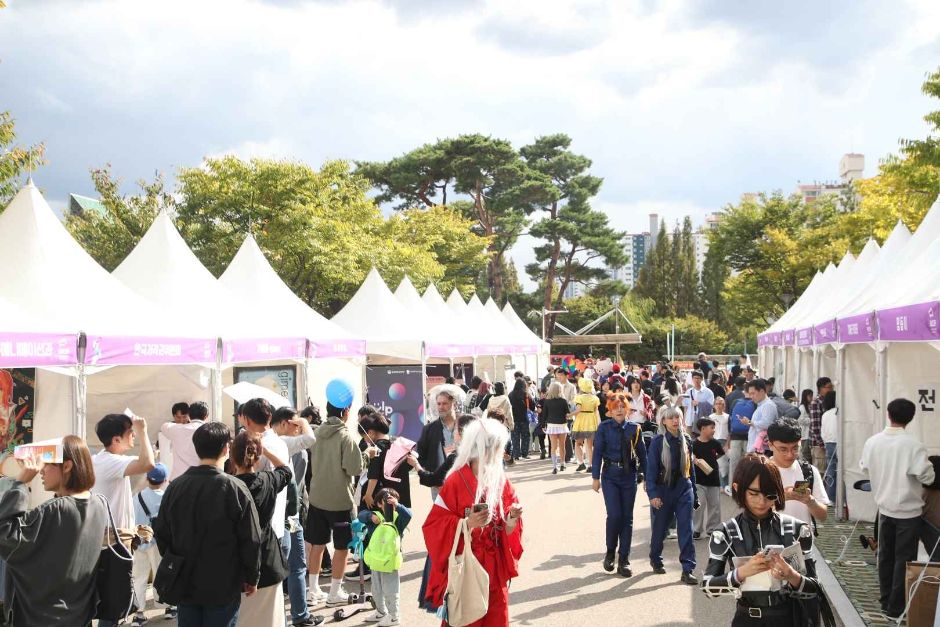
Bucheon International Comics Festival (부천국제만화축제)
18.0Km 2025-07-11
1 Gilju-ro, Bucheon-si, Gyeonggi-do
+82-32-310-3071
As Korea’s leading comic-focused festival, the Bucheon International Comics Festival features a wide range of events, including the special exhibition of Bucheon Comic Awards winners, comic exhibitions, and the Singing BICOF. Visitors can explore Comics Bunker, where they can find merchandise from various artists, along with a comic book café. The festival also includes the World Webtoon Forum and the International Cosplay Championship, as well as talk & signing events with renowned domestic artists.
Jeongdong-gil Road (정동길)
18.0Km 2024-06-19
2-1 Jeongdong-gil, Jung-gu, Seoul
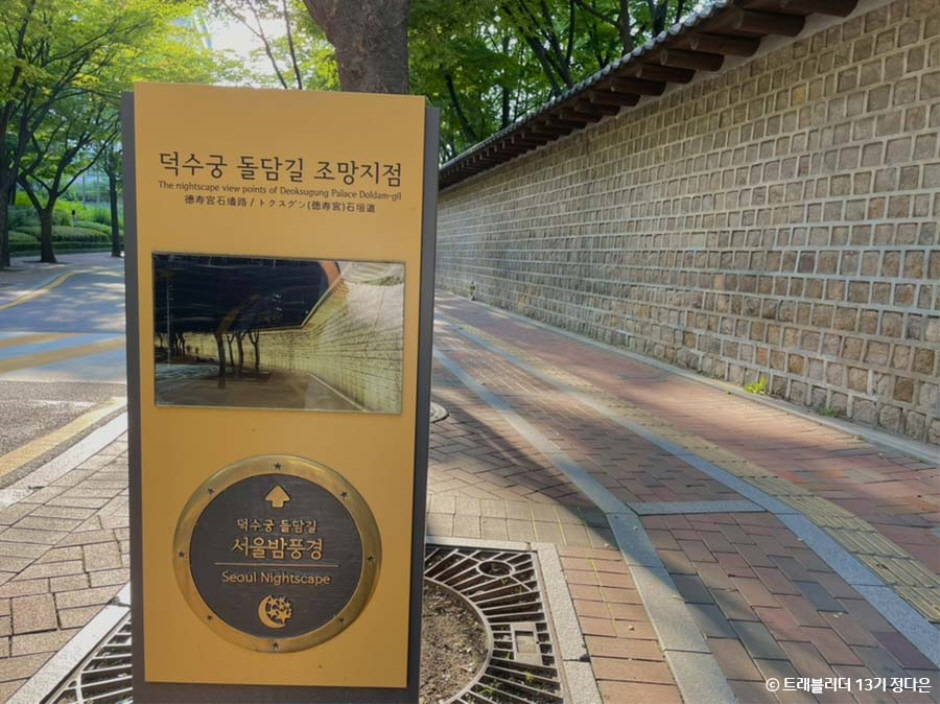
Jeongdong-gil Road is one of Seoul's most famous walking paths, stretching from the intersection in front of Jeongdong Church to Saemunan-gil Road. The street holds importance in Korea's modern history, with the surroundings serving as a living museum of this. During the Joseon dynasty, the area developed into a residental space for distant members of the royal family, with a palace and royal tombs in the area. In 1999, the pedestrian walking area was expanded by turning the two-way road into a one-way road. Since then, the road has earned many awards and honors.
Korea Manhwa Museum (한국만화박물관)
18.0Km 2025-10-24
1 Gilju-ro, Bucheon-si, Gyeonggi-do
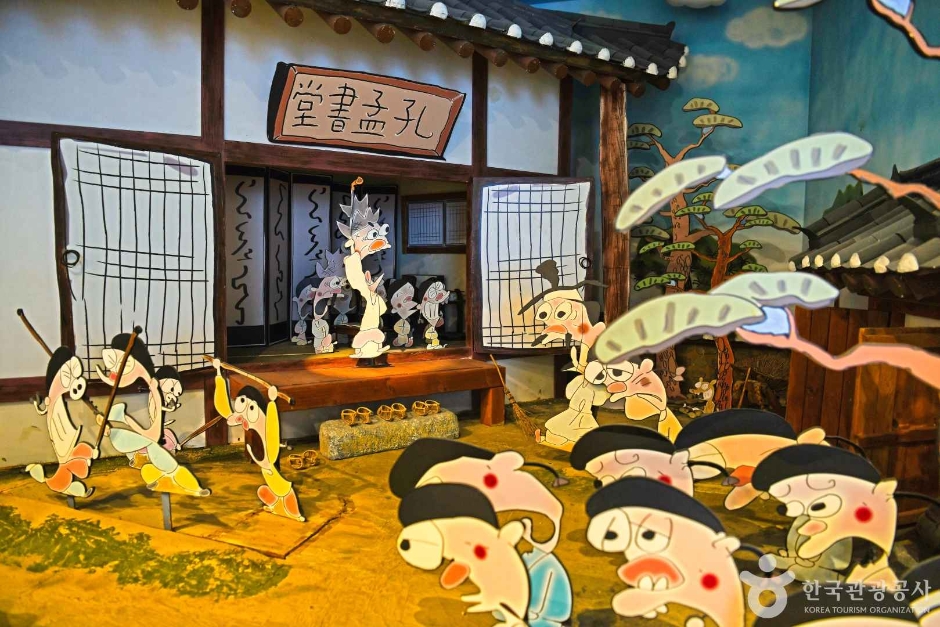
This museum collects and stores Korean cartoons and related materials, which are the basis for the creation of K-Webtoons. It covers everything from old cartoons to characters and webtoons that are gaining global popularity recently. It is composed of the Korean Manhwa History Museum, the Manhwa Experience Exhibition Hall, the Manhwa Library, and the Manhwa Video Screening Hall. There is also a corner where you can try coloring your own webtoon.
Seoul Hiking Tourism Center - Bugaksan Branch (서울도심등산관광센터(북악산))
18.1Km 2024-03-05
88 Samcheong-ro, Jongno-gu, Seoul
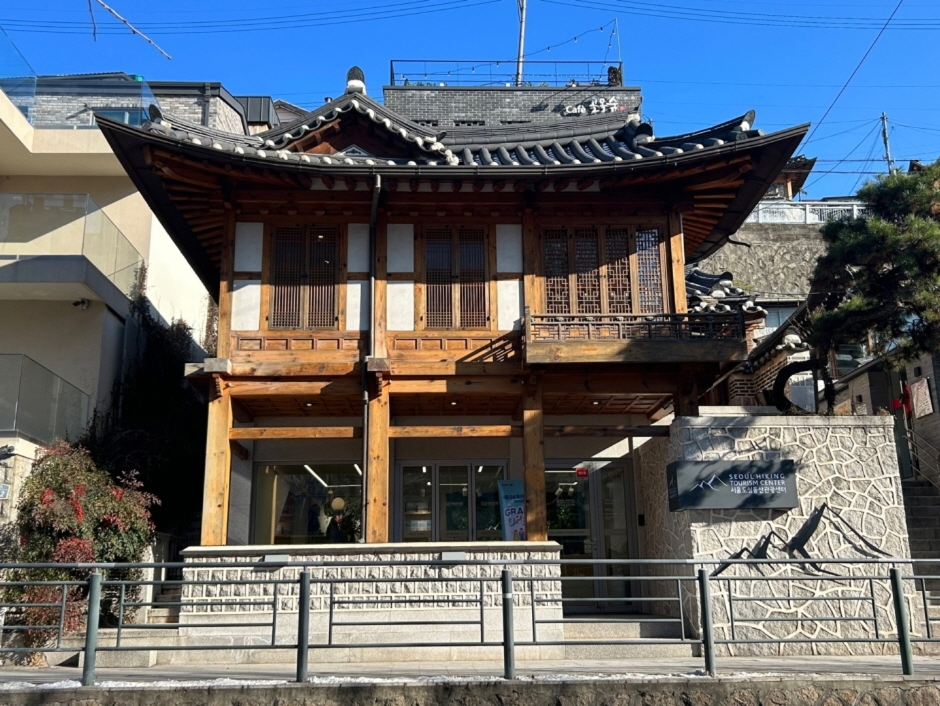
The Bugaksan branch of Seoul Hiking Tourism Center is located on Samcheong-dong Culture Street and provides various services to hikers. It provides hiking course guidance and information (available in Korean, English, Chinese, and Japanese) about the mountains of Seoul, including Bukhansan, Bugaksan, and Inwangsan Mountains, as well as promotional materials such as Seoul hiking tourism guidebooks and maps. Also, it operates hiking tour programs with various themes every week for foreigners and offers hiking gear rental services such as hiking boots, hiking attire, trekking poles, gloves, and crampons for foreigners. (Koreans accompanied by foreigners can also rent the gear.) In addition, there is a storage locker and lounge for visitors, so they can pack up and rest before hiking.
Gwanghwamun Hanokjip (광화문한옥집)
18.1Km 2024-10-15
7, Saemunanro5ga-gil, Jongro-gu, Seoul
+82-2-731-2500
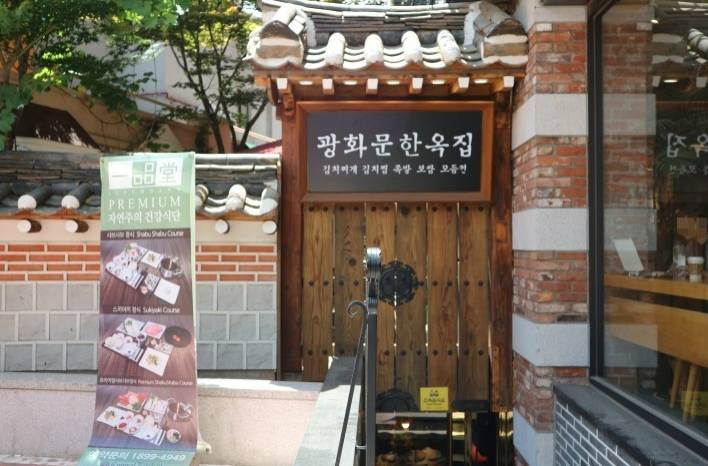
A store with rooms reproducing a traditional kitchen. The best menu at this restaurant is napa wraps with pork. This is a Korean cuisine located in Gwanghwamun Gate, Seoul.
Jeongdong Guksi (정동국시)
18.1Km 2024-06-19
5 Jeongdong-gil, Jung-gu, Seoul
02-732-0114
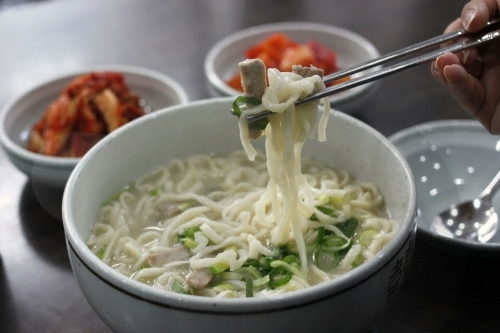
Jeongdong Guksi features a rich soup with a clean taste, created by carefully removing the oil dozens of times while boiling Korean beef bones for 15 hours. The restaurant uses this same beef bone broth in their mandutguk (dumpling soup), something not many restaurants do. The rich flavor of the broth combined with the soft dumplings, made in-house daily, is a must-try. The restaurant is also surrounded by many cultural and artistic spaces, making it a great addition to tours in the area.
 English
 한국어
한국어 日本語
日本語 中文(简体)
 Deutsch
 Français
 Español
 Русский


