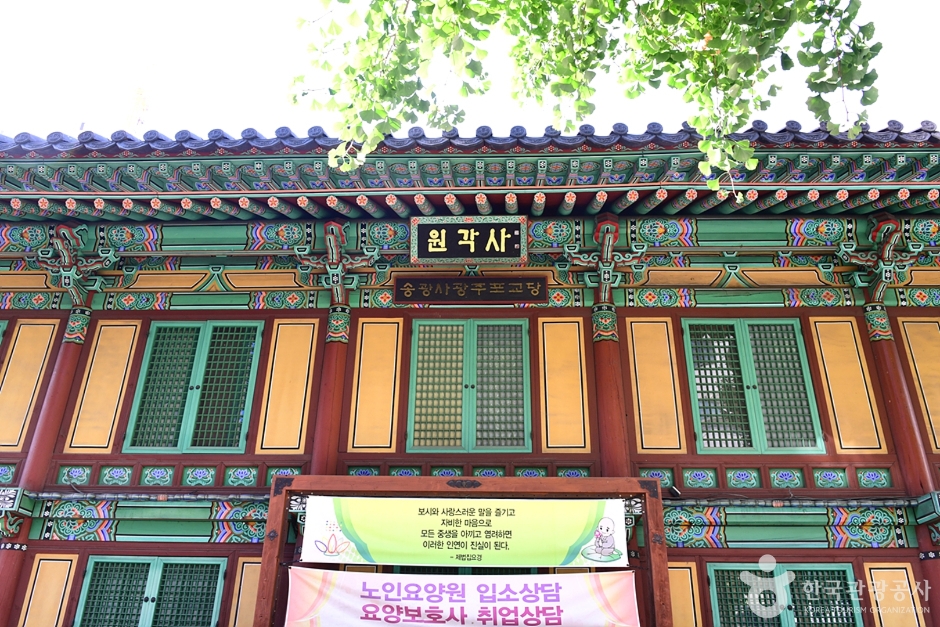
Gwangju Wongaksa Temple (원각사(광주))
5.8Km 2025-08-06
197 Jungang-ro, Dong-gu, Gwangju
Gwangju Wongaksa Temple, a branch temple of Suncheon Seonggwangsa Temple, is part of the Jogye order of Korean Buddhism in Gwangju. Bustling with visitors, the temple offers various events, cultural activities, and Buddhist ceremonies for visitors.
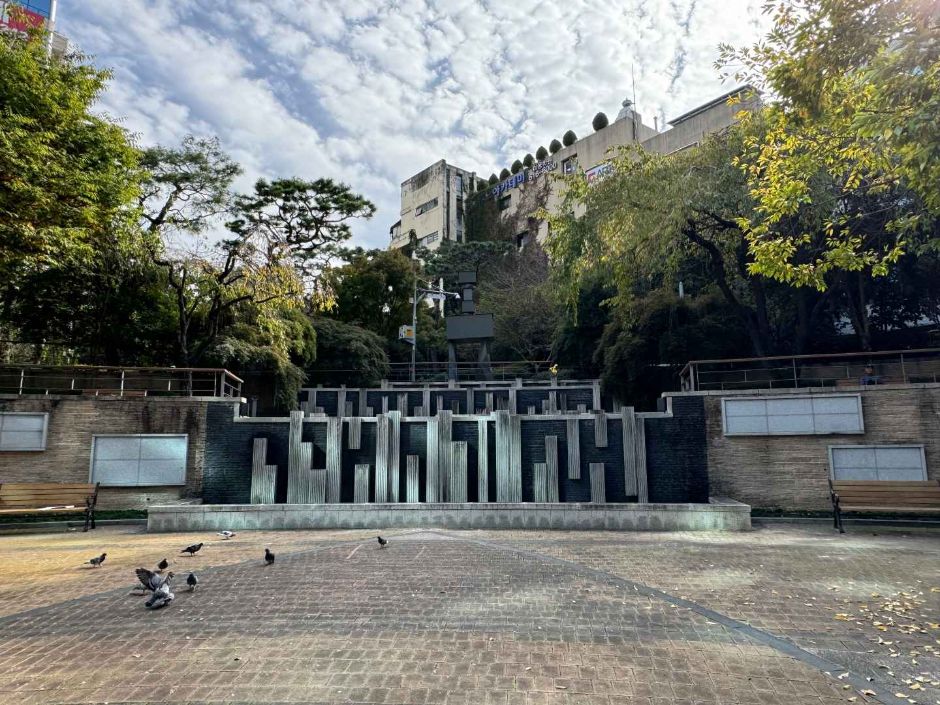
Geumnam Butterfly Garden (금남로공원 금남나비정원)
5.8Km 2024-11-14
20-2 Geumnam-ro, Dong-gu, Gwangju
Geumnamro Neighborhood Park, once the site of the Bank of Korea’s Gwangju branch, now hosts the enchanting Geumnam Butterfly Garden. Inspired by the glowing butterflies, the garden is a stunning curation by Gwangju, a UNESCO Creative City of Media Arts. It offers a magical setting for a night tour, transporting visitors into a fantasy world of vibrant colors and purple hues.
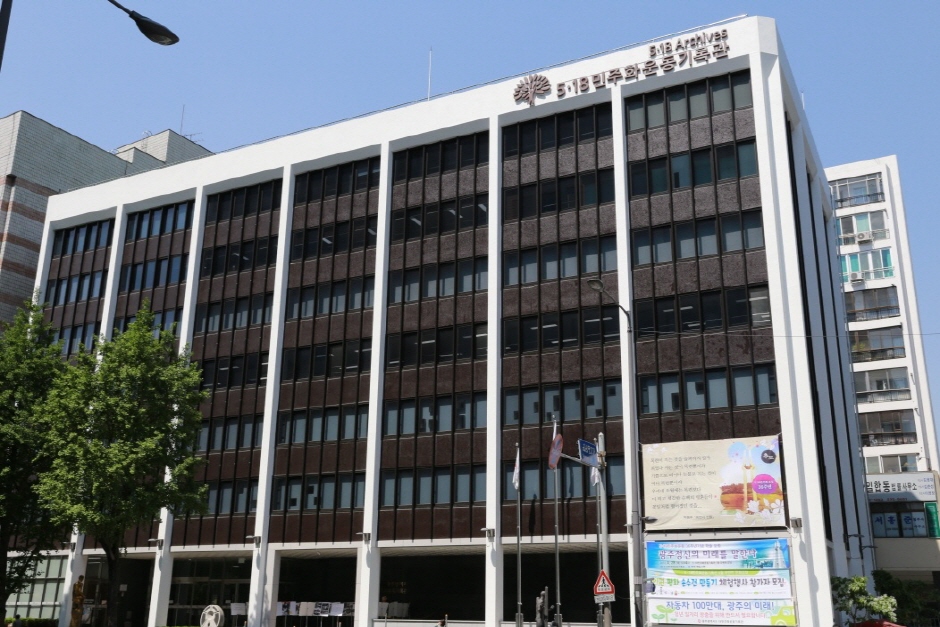
May 18 Democratic Uprising Archives (5•18민주화운동 기록관)
5.9Km 2024-01-03
221 Geumnam-ro, Dong-gu, Gwangju
The May 18 Democratization Movement was a righteous uprising by citizens that took place in Gwangju for ten days from May 18 to 27 in 1980. The May 18 Democratic Uprising Archives was established in 2015 at the former Gwangju Catholic Center, a historical site of May 1980, to systematically collect and preserve the May 18 Democratization Movement's heritage that led to the democracy in Korea today. Through the efforts of Gwangju citizens, visitors can see the original records of the May 18 Democratization Movement, inscribed on the UNESCO Memory of the World in 2011. Visitors can also view the records with a guide or through online exhibitions. The May 18 Democratic Uprising Archives is a place that preserves the history of all Korean citizens.
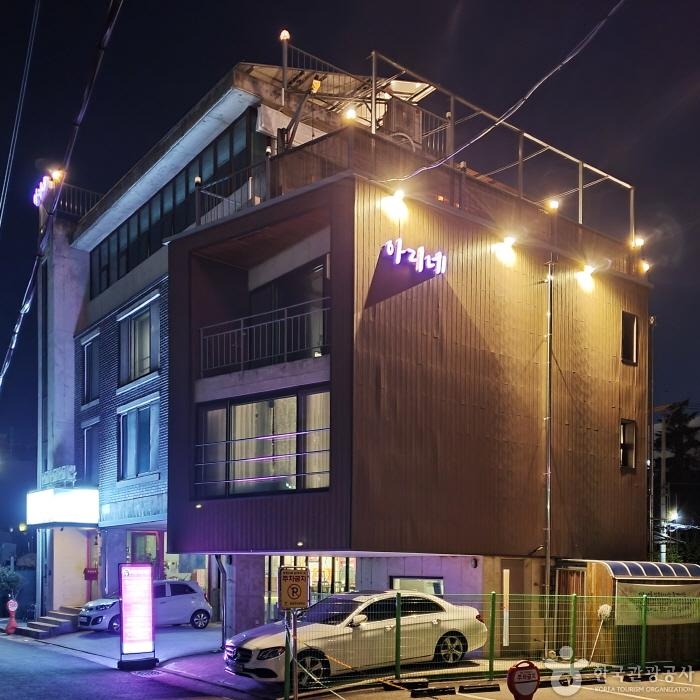
Arie-ne guesthouse (아리네 게스트하우스)
5.9Km 2024-12-13
6 , Cheonbyeonjwa-ro 428beon-gil, Nam-gu, Gwangju
Ariene Guesthouse is an integrated cultural platform located in Yangrim-dong, Nam-gu, Gwangju. The accomodation is located in the downtown area of Gwangju, making it both easily accessible and affordable. On the first basement floor, there is Yanglim Culture Hall, a lounge cafe on the first floor, and a rooftop party room on the fourth floor. The guesthouse has nine rooms on the second and third floors, including double rooms, twin rooms, ondol rooms, and separate dormitory rooms for men and women. Each room is equipped with a bathroom for guests' convenience, and breakfast is provided at no charge. A fee is charged for laundry services. There are modern cultural and historic sites nearby.
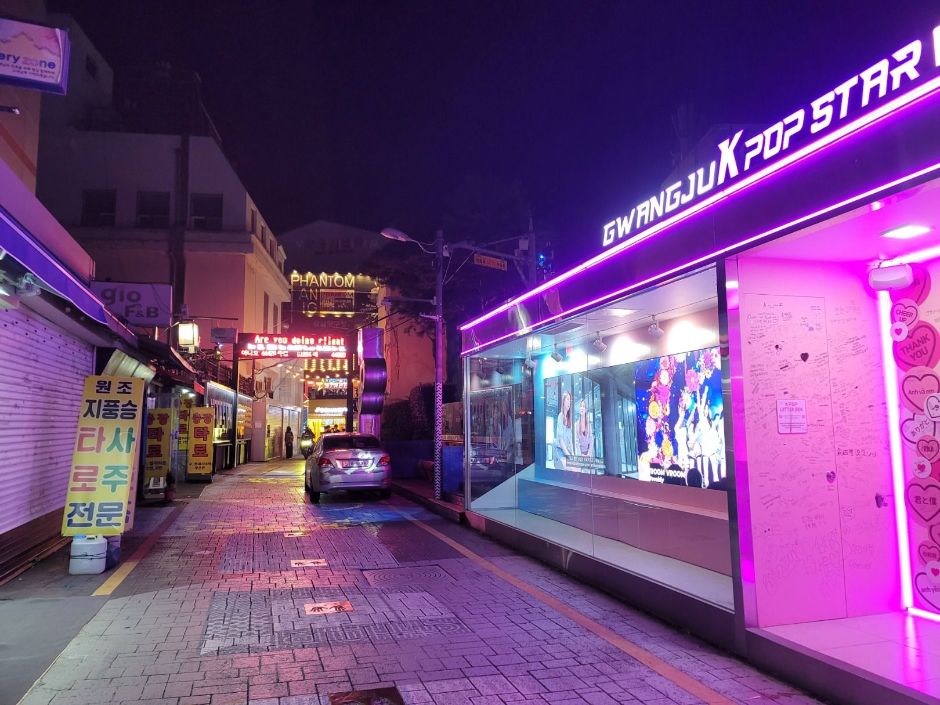
Gwangju Chungjang-ro KPOP STAR Street(광주 충장로 케이팝 스타의 거리)
6.0Km 2025-11-05
94 Chungjang-ro, Dong-gu, Gwangju
J-hope Hope World
This street was created to commemorate K-pop stars from Gwangju. Within the street, there are murals depicting singers' album jackets, benches decorated with song titles, handprints, and sculptures. After j-hope personally stopped by the bench decorated with the theme of a BTS song and posted a proof shot, it became a holy place for fans. It is one of the essential courses that 'ARMY' cannot miss because he left a message of appreciation and impressions of visiting this place.

Yangnim-dong Penguin Village Craft Street (양림동 펭귄마을공예거리)
6.0Km 2025-10-24
92-8 Baekseo-ro, Nam-gu, Gwangju
Yangnim-dong Penguin Village Craft Street is a narrow alleyway located behind the Yangnim-dong Community Center. The village, named because of the way the elderly residents appear to waddle like penguins, has become an exhibition space of life in the 70s and 80s. Villagers cleaned up empty houses that had been burnt down and left unattended in the past, brought discarded items, and began displaying them on the village walls. "Let's be thankful for living at that time" was engraved on the village wall. It also has historical culture, such as the House of Choe Seunghyo, the House of Missionary Uilsa, and Owen Memorial Hall. The Penguin Jumak in the middle of the village was the residents' gathering place, selling small but necessary items. Various workshops, such as leather workshops, textile workshops, and carpentry workshops, are located on Craft Street, so you can purchase pretty crafts or experience upcycling crafts with a retro vibe in which the historical and the modern coexist.
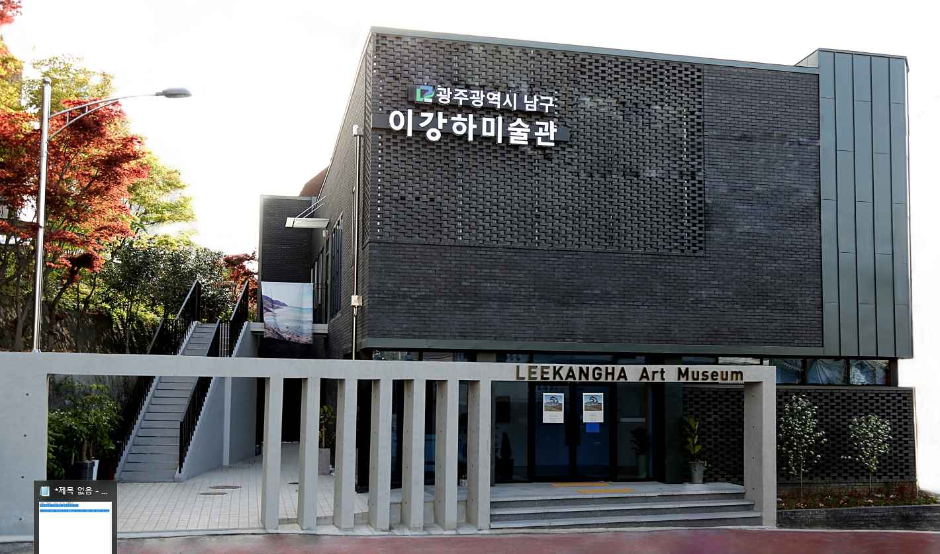
LEEKANGHA Art Museum (이강하미술관)
6.0Km 2024-11-14
6 3·1manseundong-gil, Nam-gu, Gwangju
The LEEKANGHA Art Museum, opened in 2018, offers a range of exhibitions, educational programs, and a research center. Visitors can explore the life and art world of Lee Kang-ha in different eras through various exhibitions and gain a deeper understanding of art with performances and educational programs. The museum aims to foster empathy and communication to enrich cultural knowledge by using diverse art-culture experience programs.
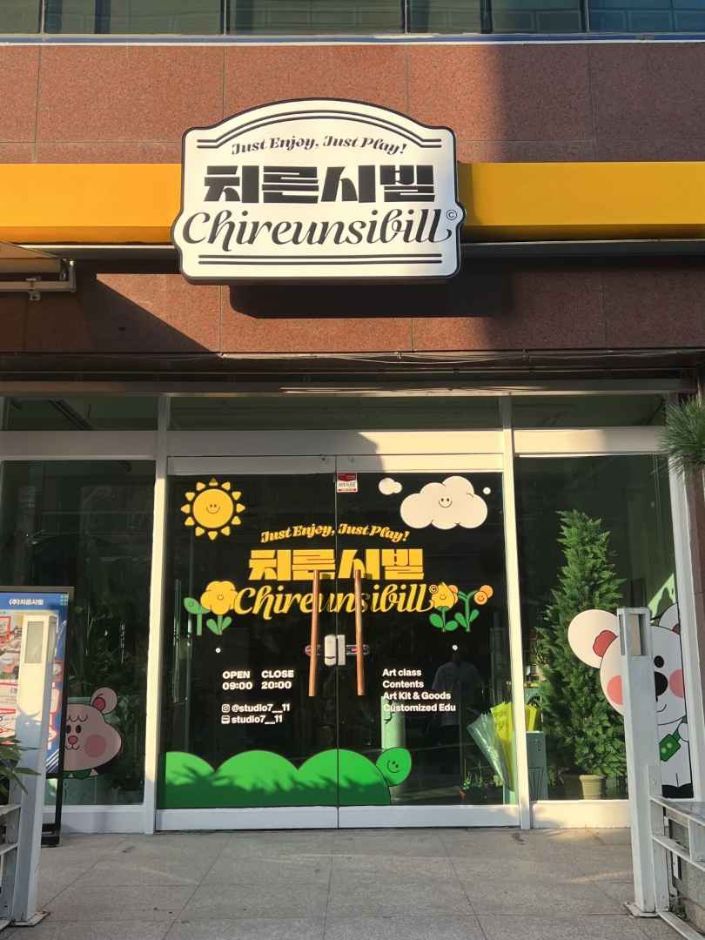
Chireunsibill (치른시빌)
6.2Km 2024-10-10
10 Seoseok-ro 85beon-gil, Dong-gu, Gwangju
Chireunsibill was founded in 2022, offering educational programs and art kits with young artists both online and offline. The educational programs are open to all , and cover a wide genre of art types, from painting to music. It is a popular attraction for travelers with children.
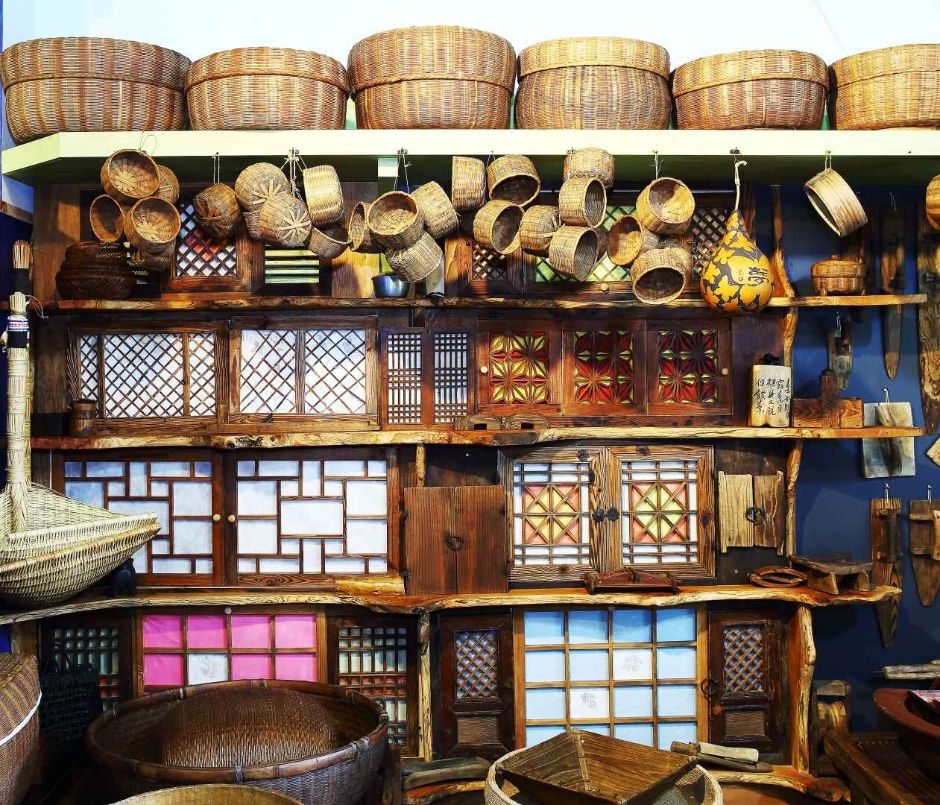
Bium Museum (비움박물관)
6.2Km 2025-01-02
143-1 Jebong-ro, Dong-gu, Gwangju
Opened in 2016, the Bium Museum is a folk museum showcasing around 30 thousand Korean modern and traditional artifacts collected by Lee Young-hwa for about 50 years. The art pieces portray the life of poor commoners in the agricultural era before Korea went through industrialization, allowing visitors to get a glimpse of the adaptability and resilience of people in hard times.
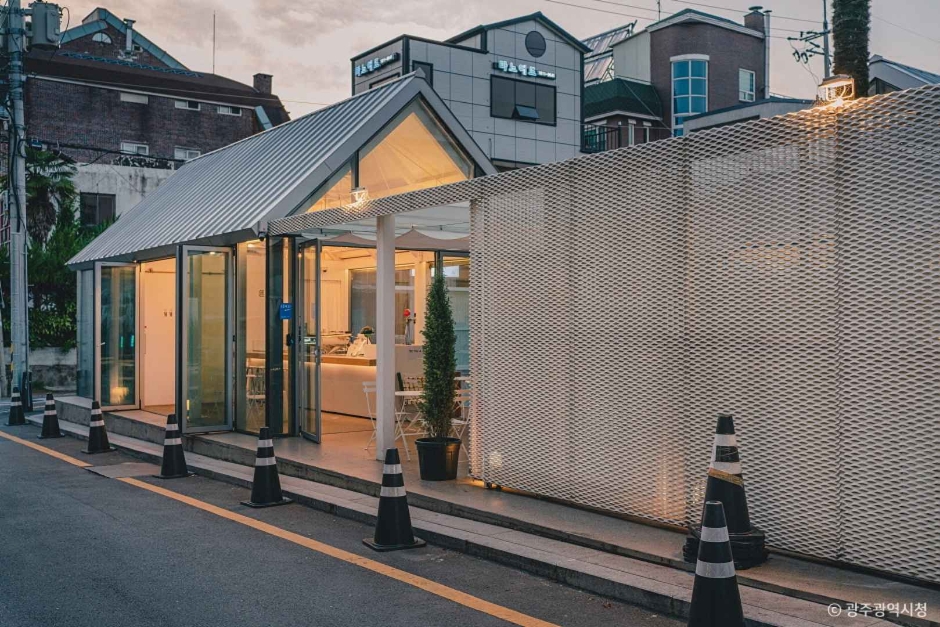
Dongnidan-gil Cafe Street (동리단길 카페거리)
6.2Km 2025-08-06
Dongmyeong-dong, Dong-gu, Gwangju
Dongridan-gil Cafe Street, once an affluent neighborhood filled with opulent homes and traditional hanok houses, is now a popular attraction in Gwangju. The street is lined with various cafes, each boasting its own unique menu and interior, perfect for those seeking unique menus and picture-worthy spots. Surrounding the Cafe Street, there are many parks, wall murals, and art installations, making it an ideal place for a leisurely stroll or a relaxing break.
 English
 한국어
한국어 日本語
日本語 中文(简体)
 Deutsch
 Français
 Español
 Русский


