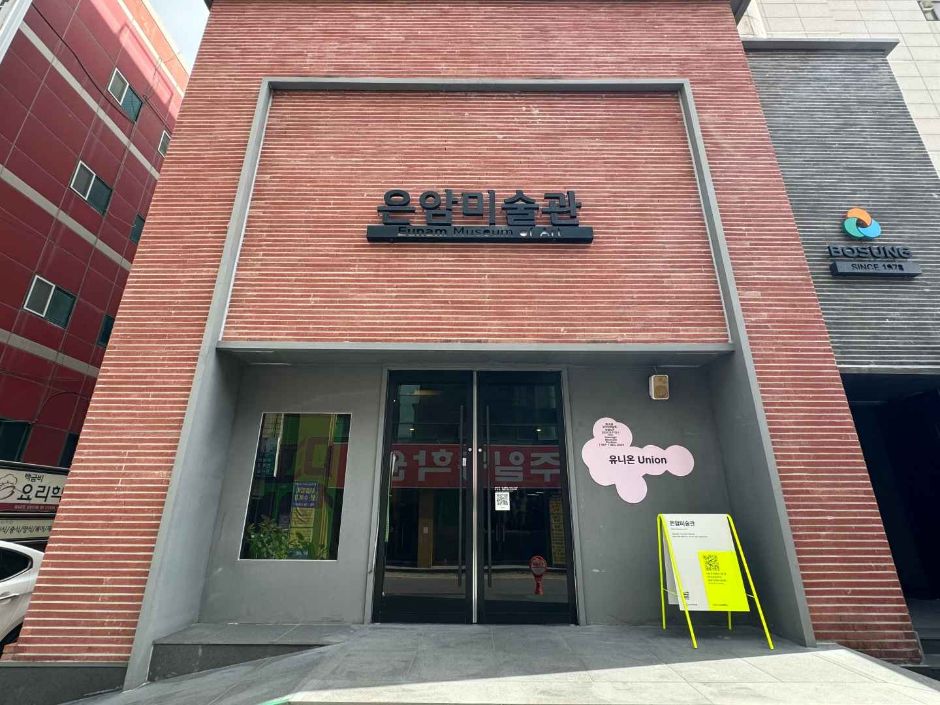
Eunam Museum of Art (은암미술관)
6.2Km 2025-01-02
8-12 Seoseok-ro 85beon-gil, Dong-gu, Gwangju
Opened in 2010, the Eunam Museum of Art offers a range of exhibitions, including permanent exhibitions and invitational exhibitions, humanities lectures, and concerts, and provides a cultural space for people to connect. It also runs international exchange exhibitions and residency program inviting artists from the country and abroad.

Chonnam National University Hospital (전남대학교병원)
6.3Km 2025-10-23
42 Jebong-ro, Dong-gu, Gwangju
With 114 years of history and tradition, CHONNAM NATIONAL UNIVERSITY HOSPITAL is Korea's best tertiary hospital that has led the development of Korea's medical science and improved public health.
Chonnam National University Hospital is the nation's largest multi-hospital system for each disease, and operates as the main hospital, as well as Chonnam National University Hospital in Hwasun, Chonnam National University Dental Hospital, Bitgoeul Chonnam National University Hospital, and Chonnam National University Children's Hospital.
We are striving to establish our identity as a national university hospital and to build a regionally essential healthcare system as a regional responsible medical institution. We will continue to play a leading role in the medical field by progressively redefining the functions and roles of education, research, and medical treatment. In addition, we will continue to challenge ourselves and do our best to become a reliable hospital that patients can visit at any time, a hospital that leads public healthcare, and a patient-oriented hospital that puts patient safety first.
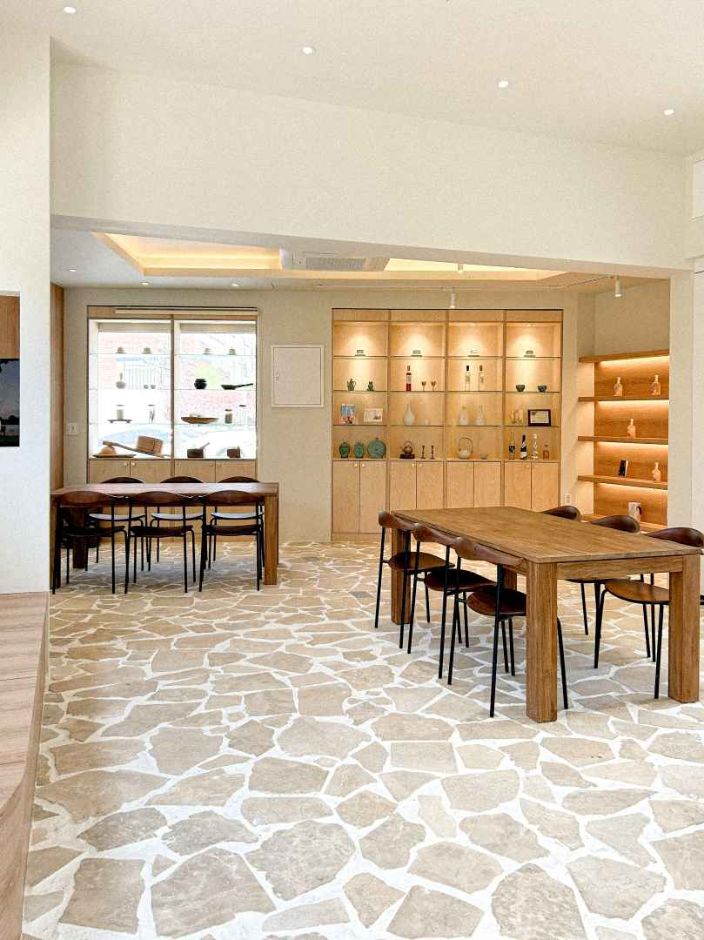
Kkum Brewery (꿈브루어리)
6.4Km 2025-08-13
18-15 Donggyecheon-ro 95beon-gil, Dong-gu, Gwangju
Kkum Brewery produces Gwangju’s local specialty rice wine, Kkumui Daehwa, blending traditional brewing methods with a modern touch. Kkumui Daehwa, the Gwangju specialty, won the grand prize in the 8-10% alcohol category at the 2024 Korean Makgeolli Awards. The brewery offers special experience programs to visitors allowing them to learn more about the Korean traditional liquor culture and cultural heritage of Gwangju.
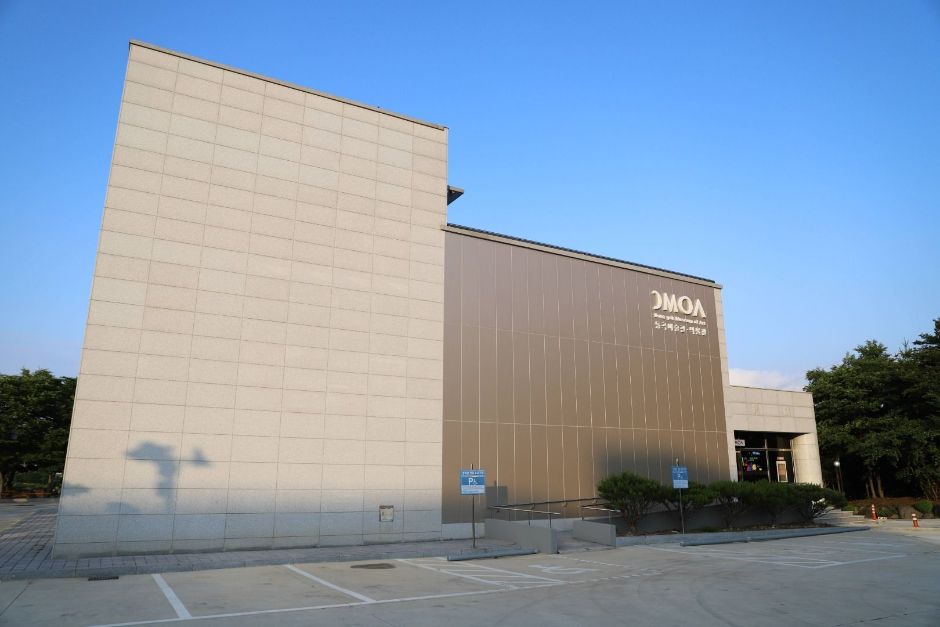
Donggok Museum of Art (동곡미술관)
6.5Km 2024-12-17
37 Eodeung-daero 529beon-gil, Gwangsan-gu, Gwangju
Donggok Museum of Art, opened in December 2020, a two-story building has exhibition halls, educational rooms, a sculpture park and more. There are rest areas to relax after enjoying arts, as well as spaces for visitors to find their creativity.
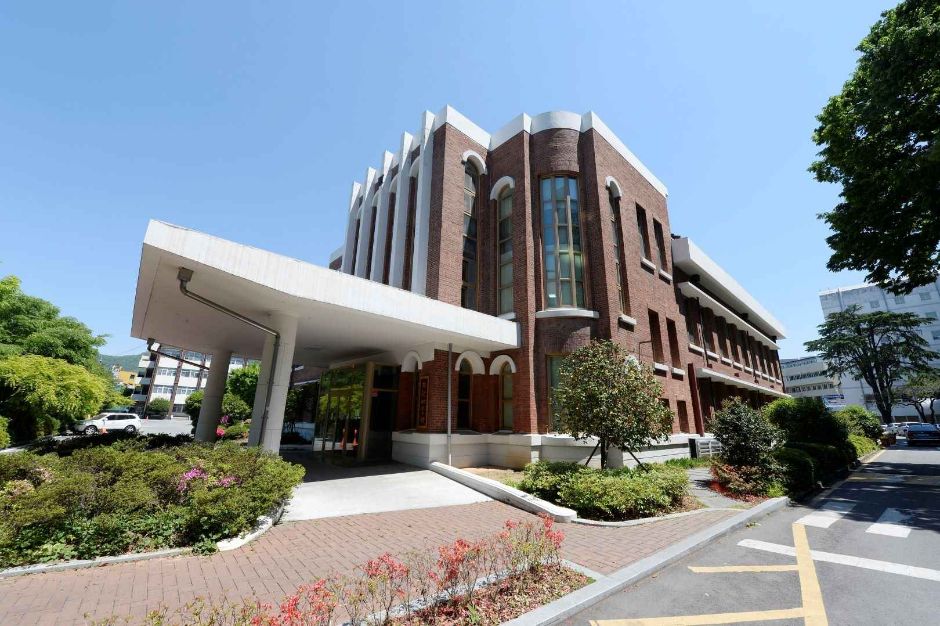
Chonnam National University Medical Museum (전남대학교 의학박물관 (전남대학교 의과대학 구 본관))
6.5Km 2024-10-10
160 Baekseo-ro, Dong-gu, Gwangju
Chonnam National University Medical Museum opened in 2021 at the previous main building for the university's medical education department, used from 1952 to 1957. It is the oldest building within the university campus, while featuring modern design elements over the exterior.
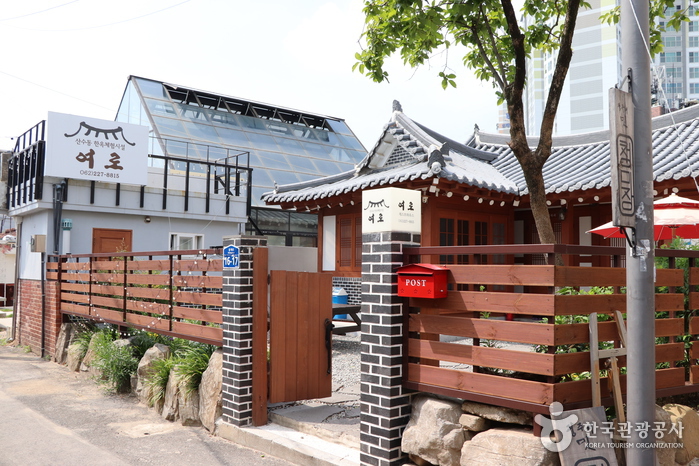
Yeoro(Sansu-dong Hanok Experience Hall) (여로(산수동 한옥체험시설))
6.6Km 2024-12-22
16-17 , Donggye-ro, Dong-gu, Gwangju
Yeoro is a hanok guesthouse in a quiet residential part of Sansu-dong, Gwangju, Jeollanam-do. The guesthouse has four ondol rooms, all equipped with a toilet and refrigerator. There is a shared washing machine (free of charge) in an outside bathroom. For breakfast, home-made sweet pumpkin porridge is served. Guests can take part in traditional crafts such as red clay dyeing, making injeolmi ricecakes or gangjeong puffed rice, and pressed-flower hand mirror making. Visitors’ cars can be parked in a nearby public parking lot.
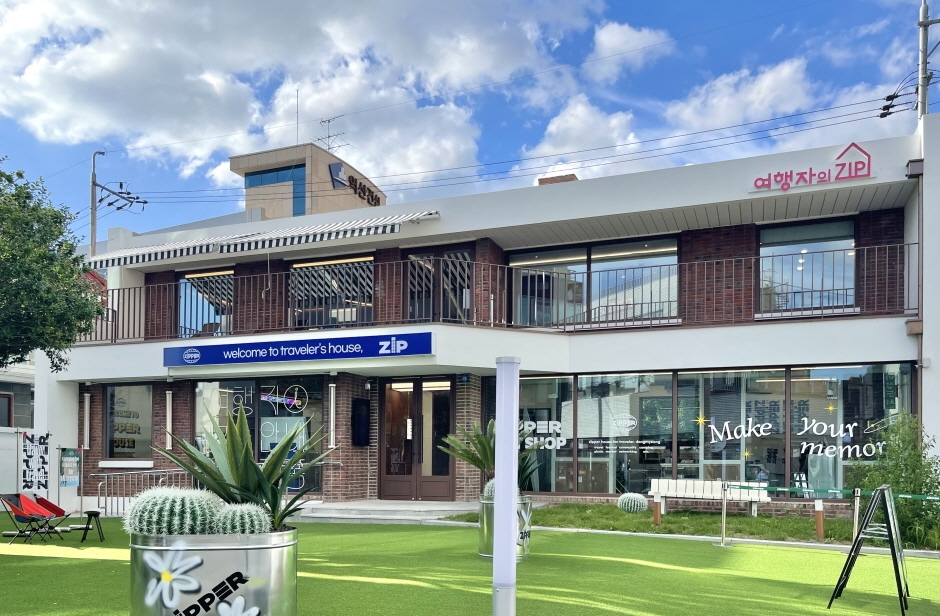
Zipper House (여행자의 집)
6.6Km 2025-08-13
137-17 Donggyecheon-ro, Dong-gu, Gwangju
Zipper House is a multi-purpose cultural space that provides tourists with tourism information and convenient facilities, hosting various events and programs. The two-story building, adorned by a large red ribbon, features a gift shop selling souvenirs of Gwangju and Dong-gu, a campsite-like lounge and terrace, and a snack bar offering refreshments such as toast and coffee.
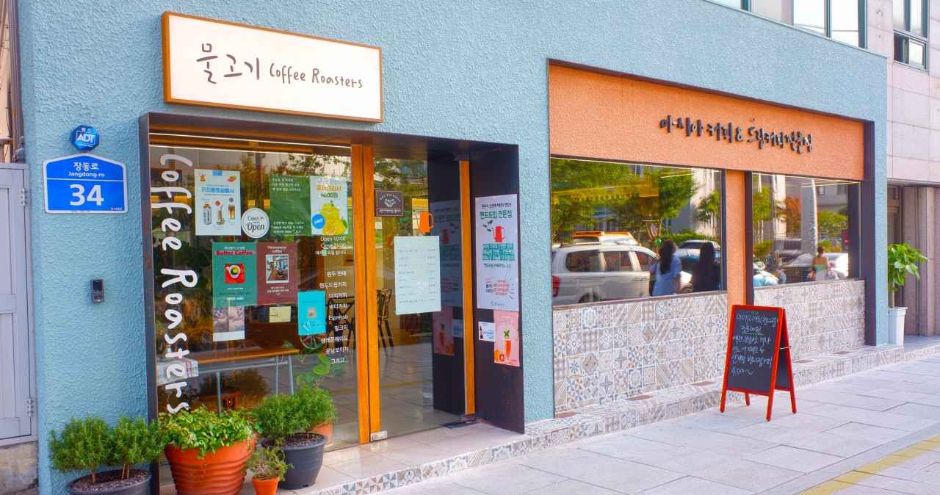
Mulgogi Coffee Roasters (물고기 커피 로스터스)
6.7Km 2024-11-14
34 Jangdong-ro, Dong-gu, Gwangju
Mulgogi Coffee Roasters is an award-winning hand-drip specialty store in Gwangju. This place is famous among coffee enthusiasts for its fresh beans, which are handpicked and roasted, one by one, and its 20 kinds of drip bags. Visitors can enjoy their specialty, Geisha Coffee, or other blends from Africa, Latin America, India, China, and other Asian countries.
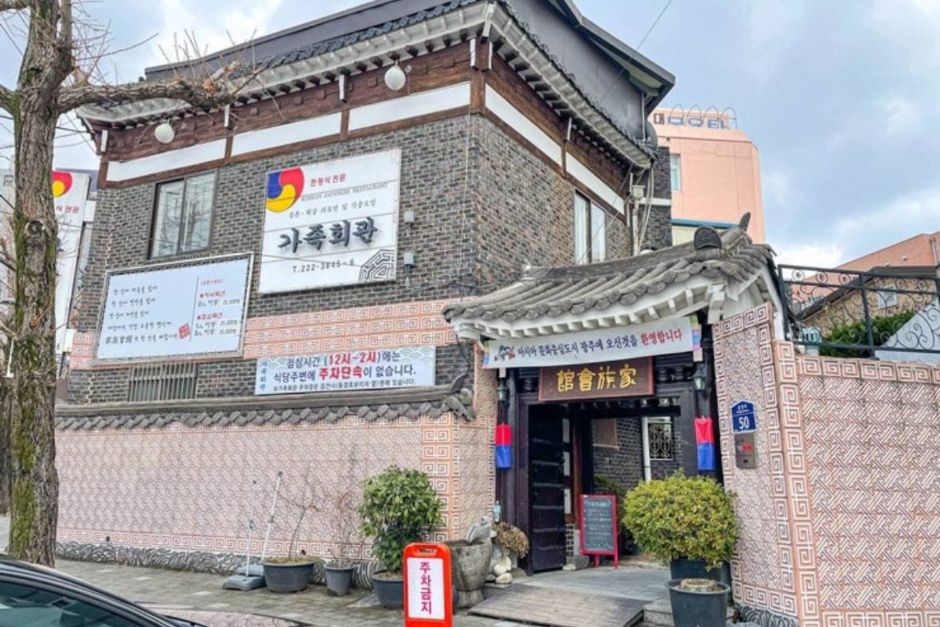
Gajokhwegwan (가족회관)
6.7Km 2024-12-04
50 Dongmyeong-ro, Dong-gu, Gwangju
Gajokhwegwan is a Korean table d'hote restaurant with 36 years of tradition. Visitors can experience the charms of Jeolla Province style food that only uses fresh ingredients in season. There are both private rooms and large group seats to enjoy the meal.

Chosun University Museum of Art (조선대학교 미술관)
6.7Km 2025-01-02
308 Pilmun-daero, Dong-gu, Gwangju
The Chosun University Museum of Art was established to serve as a window to convey the flow of local and international art. It plays an important role in discovering, collecting, and preserving regional artwork, while providing artist with a stage to display their work. The museum has significantly contributed to the regional culture. Through special annual exhibitions, it discovers young artists, educates students and promotes local art. To provide an exhibition experience to students, the museum also holds exhibitions featuring work created by students.
 English
 한국어
한국어 日本語
日本語 中文(简体)
 Deutsch
 Français
 Español
 Русский


