
The Catholic University of Korea, Yeouido St. Mary's Hospital (가톨릭대학교 여의도성모병원)
4.2Km 2025-10-23
(Yeouido-dong), 10 63-ro, Yeongdeungpo-gu, Seoul
The Catholic University of Korea, Yeouido St. Mary's Hospital, established in 1936, is a hospital affiliated with a medical school and has a rich history of advancing the country's medical field through exceptional medical staff and pioneering research.
The hospital offers a convenient fast-track service for swift diagnosis and treatment, ranging from complex cancer care to minor conditions. As the first in Korea to open a dedicated lymphoma center, we have specialized expertise in treating various cancers, including lymphoma.
Our use of da Vinci robotic surgery allows for precise, minimally invasive procedures for complex conditions such as uterine fibroids, rectal cancer, prostate cancer, and thyroid cancer, promoting faster recovery. The hospital's one-stop service for breast and thyroid nodules ensures rapid diagnosis and treatment planning, completing biopsies within a single day.
At the Catholic University of Korea, Yeouido St. Mary's Hospital, we remain committed to providing top-tier medical services and advancing medical research while upholding the highest standards of bioethics.
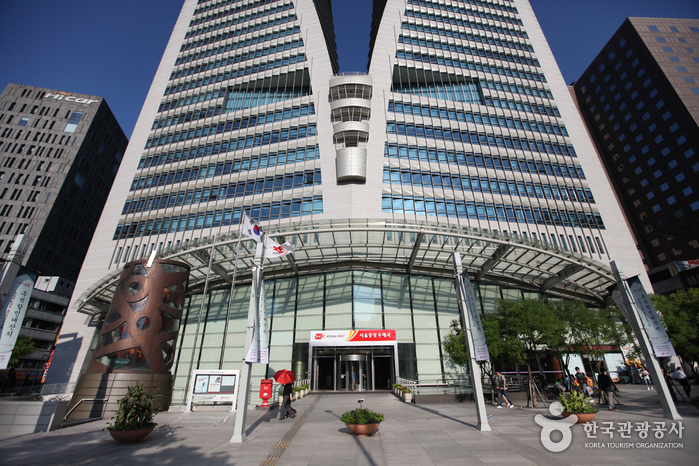
Korea Postage Stamp Museum (우표박물관(구.우표문화누리))
4.2Km 2024-03-06
B2, 70, Sogong-ro, Jung-gu, Seoul
The Korea Postage Stamp Museum was established to promote stamp culture. Here, visitors can explore the history of stamps throughout the ages, with a wide variety of subjects and types. Its main facilities include Postal Service History, Hands-on Postage Stamp Experience, Informative Postage Stamps, and Philately Classroom. Reservations are required for weekend tours and can be made on the website.
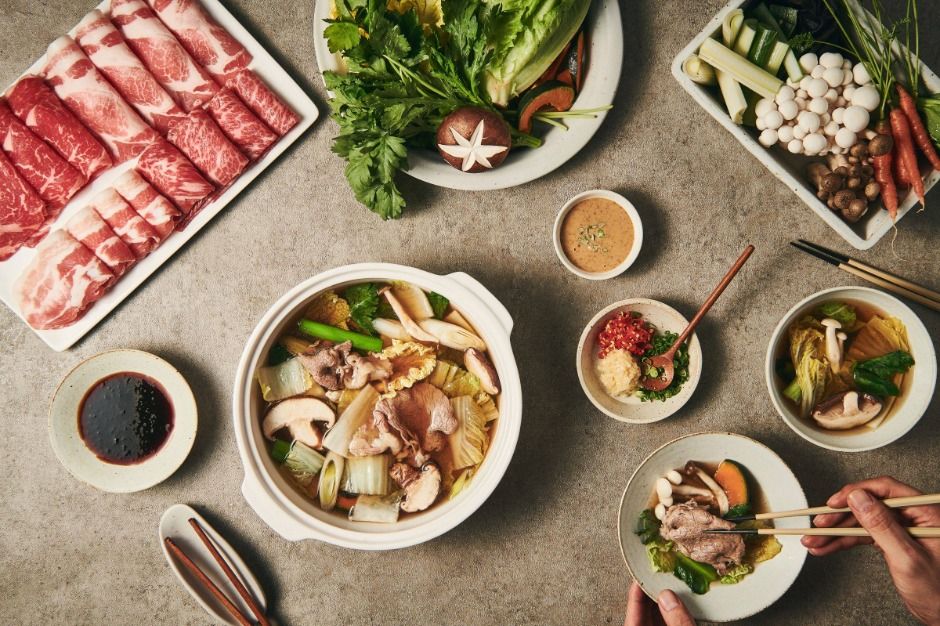
Modern Shabu House Gwanghwamun D Tower Branch (모던샤브하우스 광화문D타워점)
4.2Km 2025-12-02
17 Jong-ro 3-gil, Jongno-gu, Seoul
Located in Jongno-gu, Modern Shabu House Gwanghwamun D Tower Branch offers a selection of specialty broths to enjoy unlimited beef, pork, and vegetables. The restaurant serves four cuts of pork and beef in every course. The interior is designed with natural materials like earth, stone, and wood, inspired by the fluid process of cooking ingredients like meat and vegetables in a pot. The design reflects the natural movement and flow of ingredients as they cook together. The restaurant also has a range of private rooms, making it a popular choice for families with children and for gatherings, providing a comfortable dining experience.
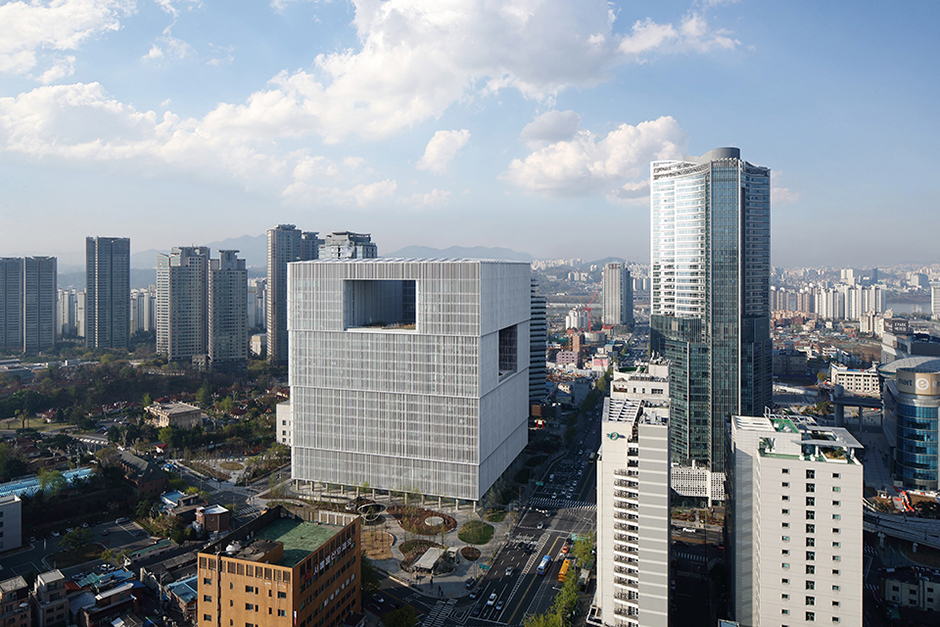
Amorepacific Museum of Art (아모레퍼시픽미술관)
4.2Km 2024-12-31
100 Hangang-daero, Yongsan-gu, Seoul
Amorepacific Museum of Art, located in Yongsan-gu, Seoul, was originally a museum exhibiting artworks collected by the late Seo Seong-hwan, the founder of Amorepacific, but later changed its name to Amorepacific Museum of Art, or APMA, in 2009 and has since been operating as an art exhibition hall. The mission upon its foundation was seeking to be "a space where beauty in the midst of daily lives is discovered" and communicating with the public. In accordance with this objective, the museum collects, researches, and exhibits Korean ancient art and both Korean and international contemporary art while, also, aiding researchers, scholars, and young artists. The underground exhibition hall hosts diverse exhibits encompassing ancient art, contemporary art, and Korean art. The 1st floor of the "Atrium," an enormous space that continues from the 1st to 3rd floors, features the museum lobby, a museum shop, an exhibition space called "APMA Cabinet" and apLAP, which is a library of art exhibition brochures from around the world. The art museum is located on the 1st floor of the new Amorepacific headquarters building, a famous work of architectural beauty of Yongsan designed after white porcelain.
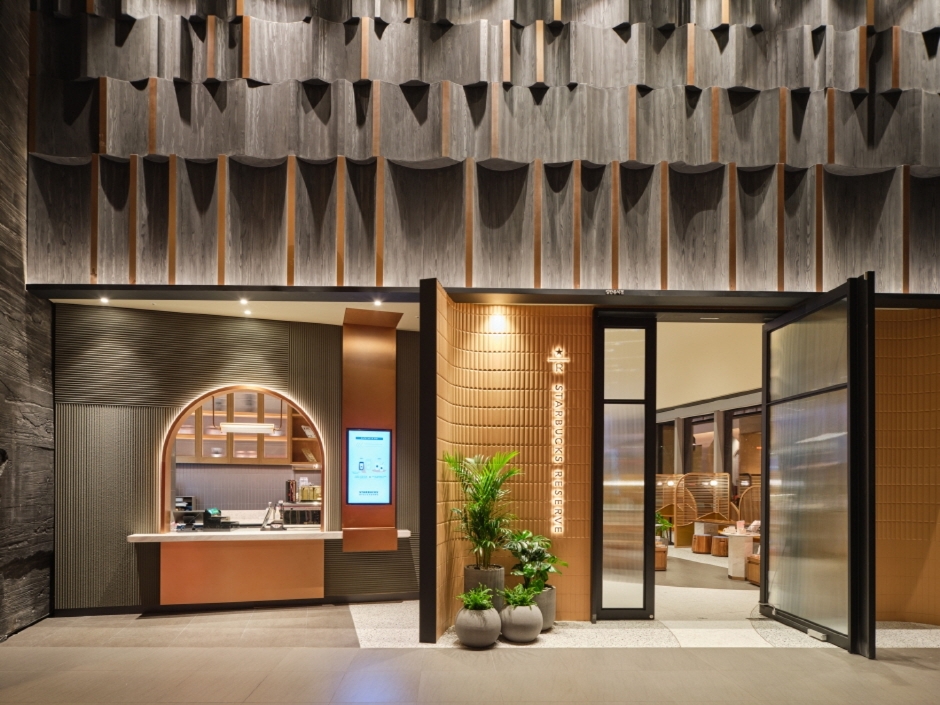
Starbucks Byuldabang (스타벅스 별다방)
4.3Km 2024-12-27
100 Toegye-ro, Jung-gu, Seoul
Byuldabang is a cozy space in the city, where the present and future of Starbucks coexist
Byuldabang is a special name. It combines the Korean words byul, which means stars, and dabang, which means a traditional space where people gather and talk over tea or drink. Byuldabang is the nickname Koreans generally use for Starbucks. Starbucks Byuldabang store opened in appreciation of customers of Starbucks Korea, celebrating its 22nd anniversary. This particular store is a Starbucks Reserve store with new concept food items, and is the first among Starbucks stores worldwide to have digital art wall decorations. The images projected to the art wall are “The Journey of Siren.” It is a surreal journey of Siren, who delivers coffee messages around the ocean, day and night. Customers love the story.
Boan1942 (보안1942)
4.3Km 2023-08-17
33 , Hyoja-ro, Jongno-gu, Seoul
Prior to becoming an art space in 2007, Tongui-dong Boan served as a place for rest for travelers from 1942 to 2005. After a short suspension, the place was renovated into a cultural space in 2017 to carry on the historical legacy and provide creative inspiration under the concept of "Boanstay."
Boan1942 is divided into a cultural space consisting of a cafe, project workshop, book shop, and exhibition area, and Boanstay on the 3rd and 4th floors that offer temporary lodging services to the cultural nomads. Located in Seochon, the center of culture, history, and convenient traffic in Seoul, Boanstay offers a splendid view of Seoul's historical and cultural assets such as Gyeongbokgung Palace, Cheong Wa Dae, and Seochon Hanok Village.
<Credit: Boanstay>
ARTEASPOON (아티스푼)
4.3Km 2025-10-23
7 Sinheung-ro 36-gil, Yongsan-gu, Seoul
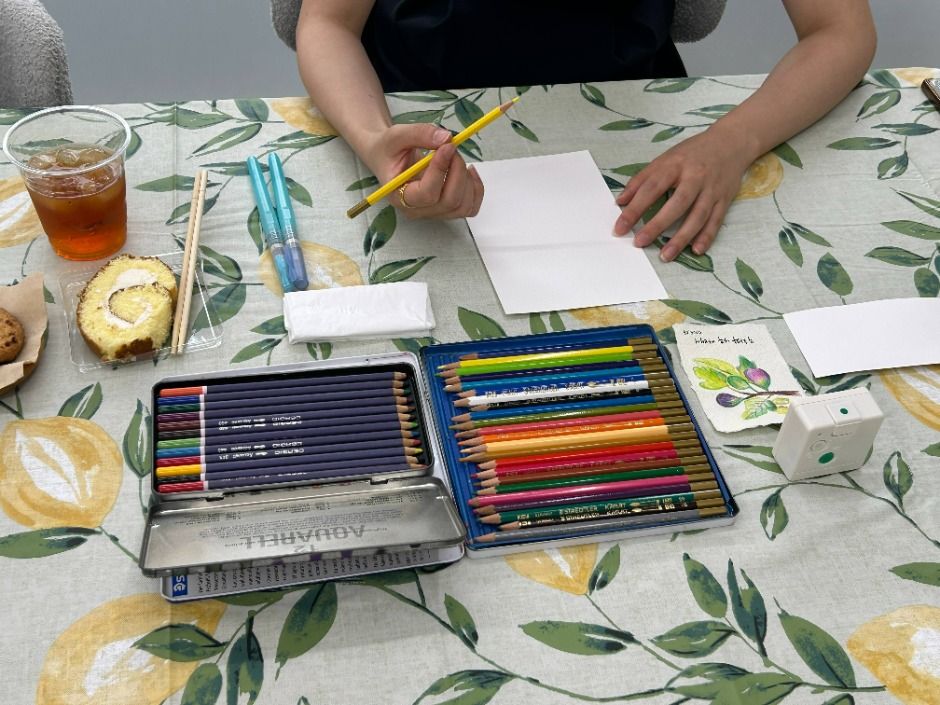
ARTEASPOON operates cultural arts programs centered on paintings, music, and books. It also has a program related to exploring one's feelings and mind, and offers a special program for foreigners for learning Korean culture and art. Located in Huam-dong at the foothills of Namsan Mountain, it's an ideal place to immerse in art and inspirations.
Haeunjae (하은재)
4.3Km 2024-12-23
68-10 , Jahamun-ro, Jongno-gu, Seoul
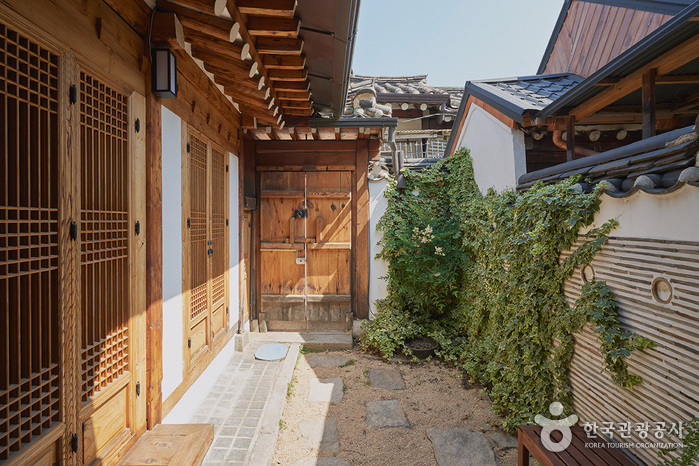
Ha Eunjae is a private hanok stay in Seochon Village, just west of Gyeongbokgung Palace in Seoul. The accommodation comprises a bedroom with queen-size bed, a kitchen, a movie room, and two bathrooms. The movie room is fitted out with a Bose sound system, a beam projector, and a large screen, with a movable footbath as a bonus. The kitchen is equipped for simple cooking. Guests staying 2 nights or more during the week receive a 10% discount, and towel replacement and cleaning services are provided for stays of 3 nights or more. Ha Eunjae is close to major tourist attractions such as Gyeongbokgung Palace and Samcheong-dong.
Yeouido Saetgang Ecological Park (여의도샛강생태공원)
4.3Km 2021-06-14
48, Yeouidong-ro, Yeongdeungpo-gu, Seoul
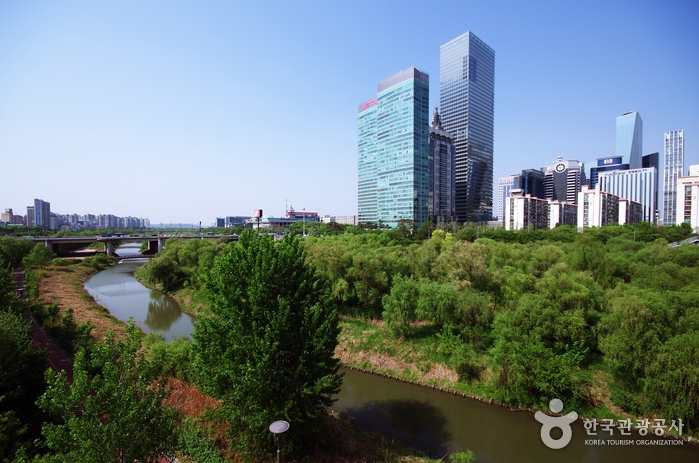
Yeouido Saetgang Ecological Park in central Seoul was the first ecological park in Korea, opened on September 25, 1997. It houses a wide variety of flora and fauna, including kestrels (Natural Monument No. 323), herons, and minnows. There is a 6 kilometer-long promenade that crosses the park, and information signs explaining various flower and plant species throughout the park.
Gwanghwamun Gate (광화문)
4.3Km 2024-12-04
161 Sajik-ro, Jongno-gu, Seoul
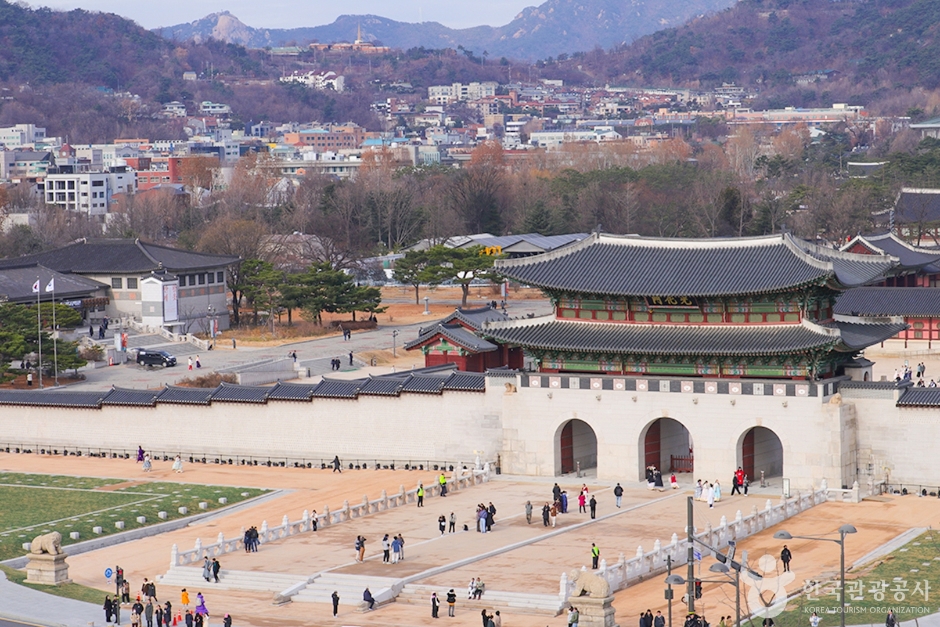
Built in 1395 under the reign of King Taejo, the first king of the Joseon dynasty, Gwanghwamun Gate is the southern gate of Gyeongbokgung Palace. It is also the main gate of the palace, therefore larger and fancier in comparison to the other gates. Gwanghwamun Gate consists of three arched gates; the center gate was used by the king, while the other two were used by the crown prince and royal officials. The tall granite walls of the gate serve as a platform for the wooden gate tower that watches over the city. The gate has a sign with its name written at the top center of the gate tower.
Gwanghwamun Gate went through several damages and restorations over the course of history. It was first severely damaged during the Imjin War (1592-1598) and was not restored until the reconstruction of Gyeongbokgung Palace in 1864. Under the Japanese administration, the gate was demolished and relocated to the north of the palace's eastern gate, followed by series of damages during the Korean War (1950-1953). In 1968, Gwanghwamun Gate was relocated back to the south of the palace and was rebuilt using concrete; however, the gate’s position was shifted a few meters away from its original location. In 2006, a major reconstruction project took place to restore Gwanghwamun Gate to its original state and location, disassembling the structure completely and replacing concrete with granite and wood. After three years and eight months of construction, Gwanghwamun Gate was fully restored to its original form and was open to the public on August 15, 2010.
 English
 한국어
한국어 日本語
日本語 中文(简体)
 Deutsch
 Français
 Español
 Русский


