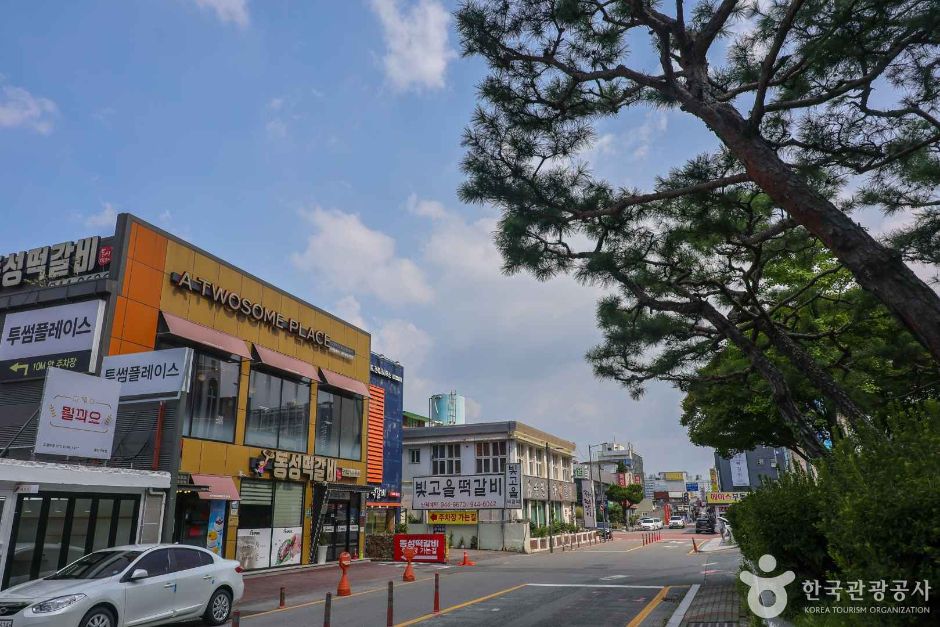
Gwangju Songjeong-dong Tteokgalbi Street (광주 송정동 떡갈비 골목)
18.8Km 2025-08-12
Gwangsan-ro 29beon-gil, Gwangsan-gu, Gwangju
Tteokgalbi Street in Gwangju Songjeong-dong is lined with around 20 restaurants specalizing in tteokgalbi (grilled galbi patties). The area is a popular place to eat for locals and tourists alike, with many people visiting both during the week and the weekend. The tteokgalbi here stands out from tteokgalbi found in other regions in a few ways. Most places use 100% beef in the patties, but Songjeong-dong tteokgalbi uses a mix of beef and pork. This change was made in the 90s in order to keep the prices the same during a tough financial season. The restaurants here also serve a bone broth soup with the meal, made from boiling pork bones with kelp and radish for over a long period of time.
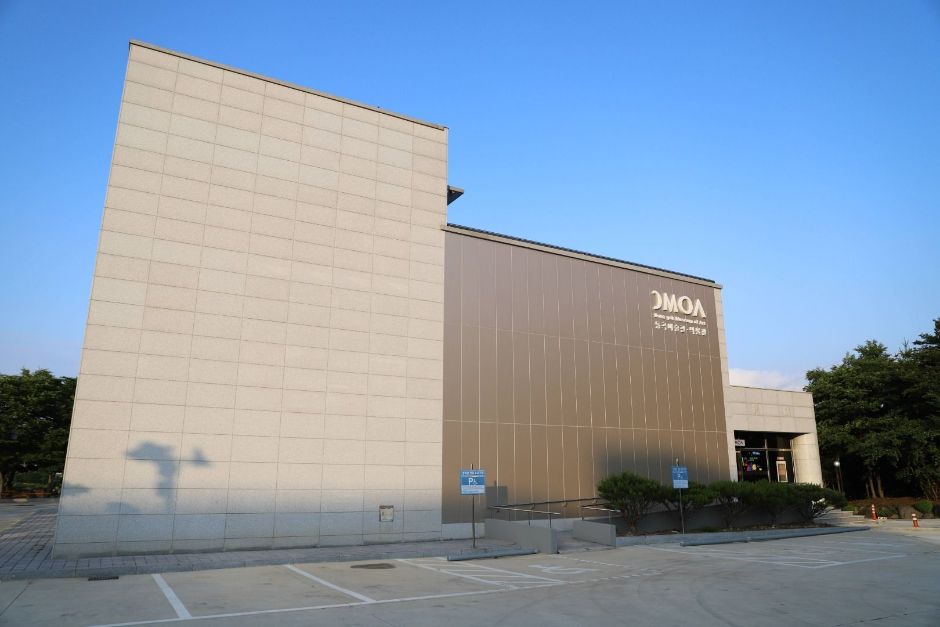
Donggok Museum of Art (동곡미술관)
18.8Km 2024-12-17
37 Eodeung-daero 529beon-gil, Gwangsan-gu, Gwangju
Donggok Museum of Art, opened in December 2020, a two-story building has exhibition halls, educational rooms, a sculpture park and more. There are rest areas to relax after enjoying arts, as well as spaces for visitors to find their creativity.
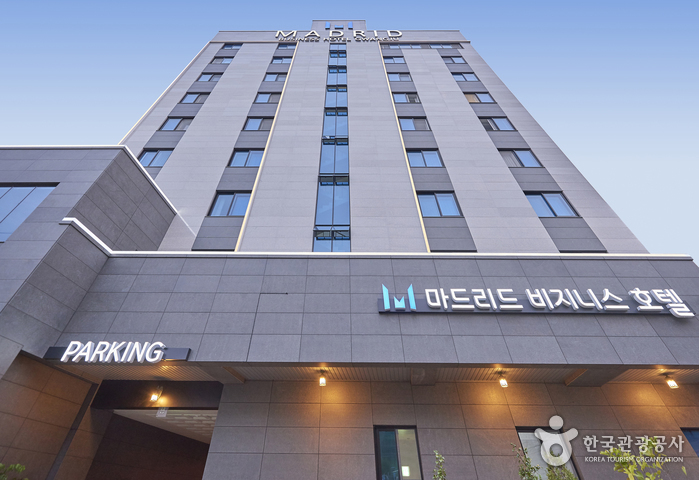
MADRID Business Hotel Gwnagju (유)한성 마드리드 광주호텔)
18.9Km 2024-12-22
11 , Gwangsan-ro 19beon-gil, Gwangsan-gu, Gwangju
+82-62-941-0500
The Madrid Hotel in Gwangju, Jeollanam-do, is right across from KTX Gwangju Songjeong Station, and not far from Gwangju Airport, giving excellent transport access. Nearby tourist destinations include the Sangmu shopping and business district, Kimdaejung Convention Center, Songjeong Tteokgalbi Street, and the 1913 Songjeong Station Market. It is also easy to move to Pyeongdong Industrial Complex, Sochon Industrial Complex, Naju Innovation City, etc. The hotel was used as the headquarters hotel for the 2019 World Aquatics Championships, and received good reviews for its neat and clean facilities and friendly service.
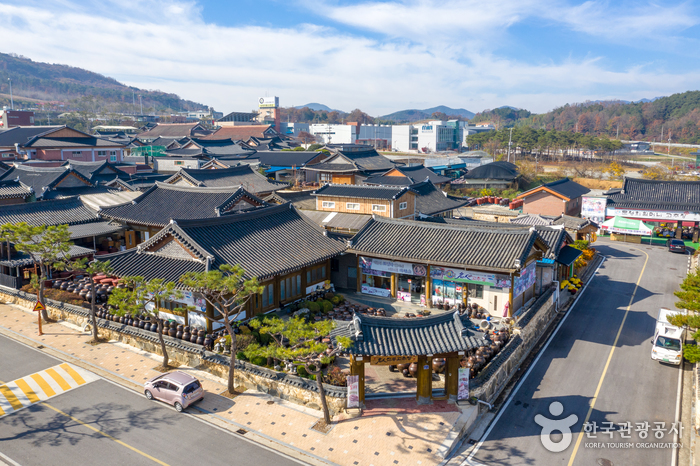
Sunchang Gochujang Village (순창고추장민속마을)
18.9Km 2024-04-15
9 Baegya-gil, Sunchang-eup, Sunchang-gun, Jeonbuk-do
Sunchang Gochujang Village is home to expert gochujang (Korean chili paste) crafters using the traditional methods. Visitors can learn how to make gochujang and enjoy dishes using it, such as tteokbokki (rice cakes cooked with gochujang) and wild vegetables bibimbap. The village is fully equipped with accommodations, restaurants, seminar rooms, and other facilities, providing perfect conditions for a variety of hands-on experiences.
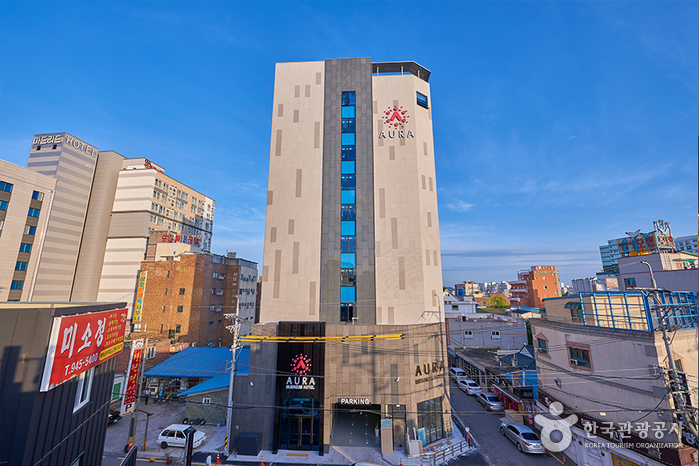
Gwangju Aura Hotel (광주 아우라 비즈니스 호텔)
19.0Km 2024-12-22
28 , Songjeong-ro 1beon-gil, Gwangsan-gu, Gwangju
+82-62-942-0060~0061
The Aura Hotel in Gwangju, Jeollanam-do, is a business hotel directly opposite KTX Songjeong Station, which offers clean and comfortable rooms with spacious bathrooms and an elegant atmosphere. Transport connections are good, with Gwangju Airport and Gwangju 2nd Ring Road just 10 minutes away, Must-visit Gwangju sights Songjeong Tteokgalbi Street, 1913 Songjeong Old Market, and Songjeong 5-Day Market are also nearby.
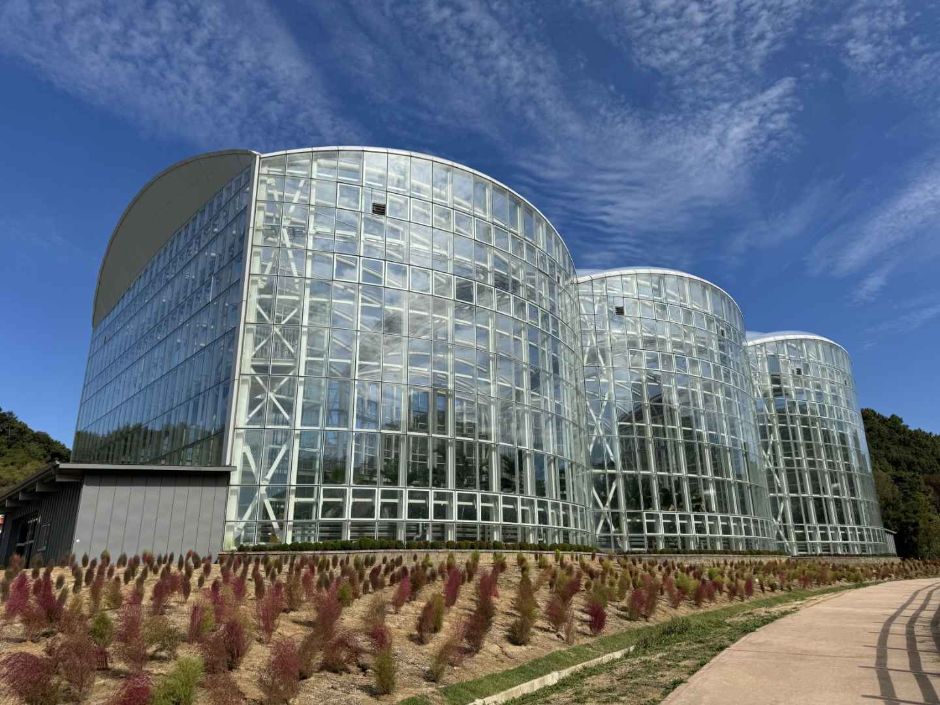
Gwangju Arboretum (광주시립수목원)
19.1Km 2024-11-18
142 Dodong-gil, Nam-gu, Gwangju
Gwangju Arboretum was built on a sanitary landfill to restore the natural ecological environment by planting trees and creating convenience facilities. The arboretum preserves, manages, researches, and exhibits the indigenous plants of the region and provides visitors with a space to relax and connect with nature. Visitors of all ages can enjoy educational programs and forest commentary tours, making it a great place for families.
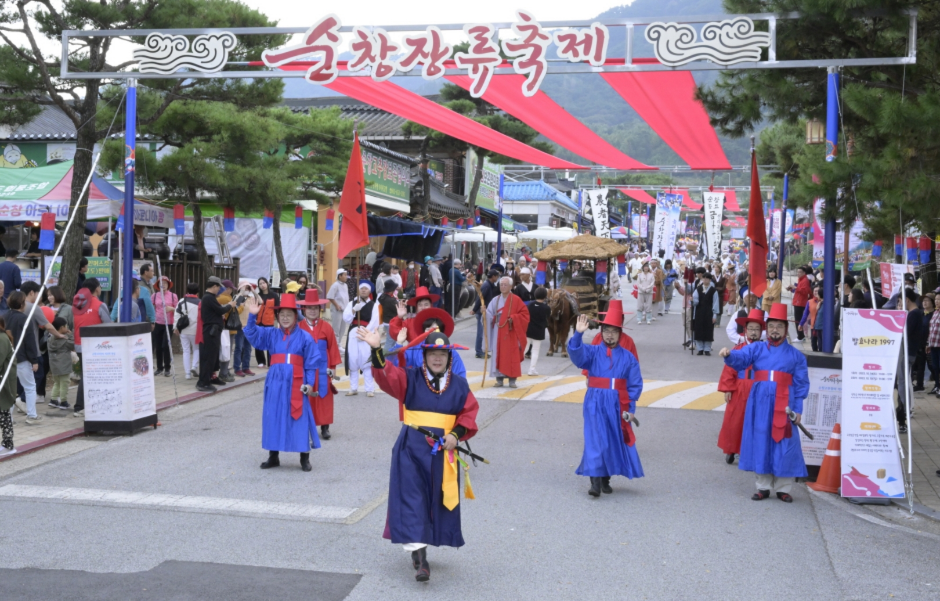
Sunchang Fermented Food Festival (순창장류축제)
19.1Km 2025-07-11
6-3 Minsongmaeul-gil, Sunchang-gun, Jeonbuk-do
+82-63-650-1624
Experience the most iconic spicy flavor of Korean cuisine, gochujang (red chili paste). This festival takes place in Sunchang, the renowned home of gochujang. Visitors can try spicy and savory dishes made with Sunchang gochujang, partake in programs such as making red chili paste, and check out the festival’s performances, exhibitions, and shops. The biggest attraction is the “Sunchang gochujang offering procession to the King.” It is an reenactment based on the records of King Taejo's (born Yi Seong-gye), founder of the Joseon dynasty, love for the taste of Sunchang gochujang. During the event, a music procession and porters with a wagon loaded with crocks of chili paste perform a march around the village. Visitors can also check out the new Fermentation Theme Park, where they can learn the scientific principles of food through microbial experiments.
◎ Tip
Tteokbokki is a must-eat Korean street food. Don’t miss the “Sunchang Tteokbokki Town,” where you can try a variety of tteokbokki dishes made using Sunchang’s fermented sauces.
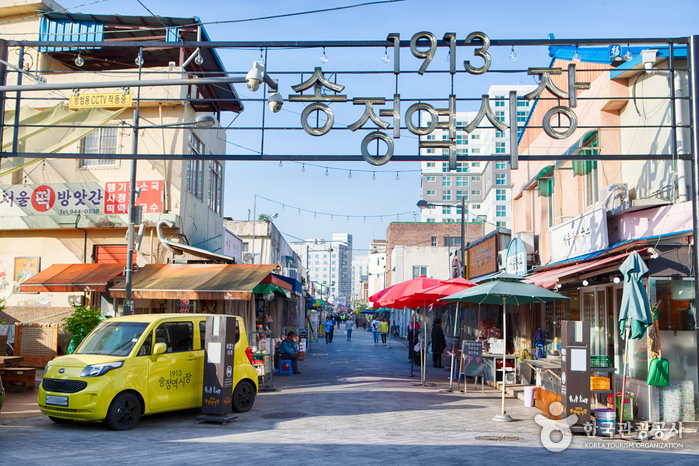
1913 Songjeong Station Market (1913송정역시장)
19.2Km 2025-08-12
13 Songjeong-ro 8beon-gil, Gwangsan-gu, Gwangju
Songjeong Station Market was opened in 1913 in connection with the opening of Gwangju-Songjeong Station. For many years, the market was the go-to-place for necessary items and produce, but with the increase of large supermarts in the 1990s, people began to visit traditional markets less and less. In order to increase the liveliness of Songjeong Station Market and showcase the difference between modern marts and a traditional market, the entire space was redesigned around the theme of time.
The newly redesigned 1913 Songjeong Station Market, located just across the street from Gwangju-Songjeong KTX Station, has a bright appearance with modern-styled architecture and signboards detailing the history of the various shops. Visitors can enjoy all the classic market foods here, such as hotteok (hot griddle cakes), gyeran bap (rice with egg), and eomuk (fish cake).

Sunchang Traditional Paste Museum (순창장류박물관)
19.2Km 2024-04-07
43, Jangnyu-ro, Sunchang-gun, Jeonbuk-do
+82-63-650-1627
Sunchang Traditional Paste Museum offers visitors a look at different traditional paste culture from gochujang (pepper paste) to doenjang (soybean paste). Located across from the Sunchang Gochujang Village, a robot gochujang grandmother greets the visitors by telling the history of Sunchang pepper paste. The exhibition halls inside display the history of various traditional paste and visitors even have a chance to experience the process of making different pastes. The outdoor square attracts people with a terrace displaying earthen wares that are used to contain the fermented sauces, as well as a millstone worked by horse or ox, and an old tomb from the Baekje dynasty.
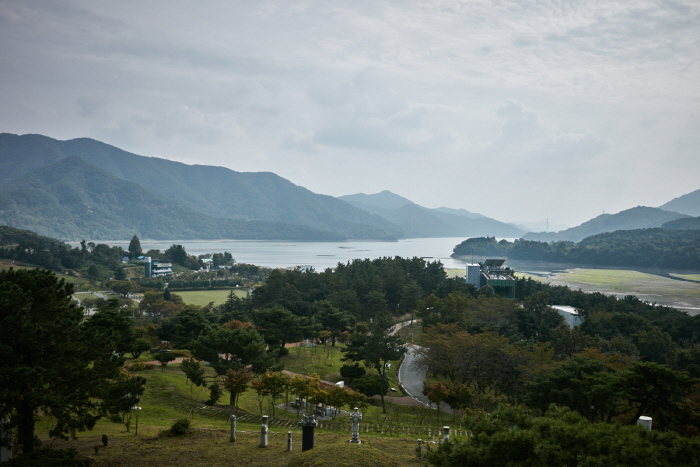
Jangseongho Tourist Area (장성호관광지)
19.8Km 2025-01-08
591-8, Baegyang-ro, Jangseong-gun, Jeollanam-do
+82-61-392-7248
Jangseongho Tourist Area is located south of Naejangsan National Park, in Jangseong, known as the hometown of Hong Gil-dong, a Korean Robin Hood. The lake was made by the damming of Hwangnyonggang River, and holds up to 89.7 million tons of water, filled with many freshwater fish species. In addition, the walking path along the 603-meter-long embankment attracts many tourists with beautiful views of the mountains and lake. Cruise ferries and motorboats also cross the lake. Nearby attractions include Ibamsan and Baegamsan Mountains, Namchanggyegok Valley, Baegyangsa and Naejangsa Temples, Gosanseowon Confucian Academy, Bangjangsan Recreational Forest, and more.
 English
 한국어
한국어 日本語
日本語 中文(简体)
 Deutsch
 Français
 Español
 Русский


