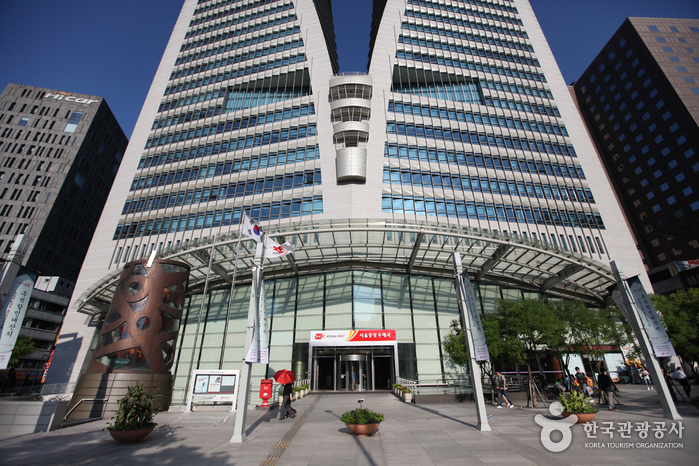
Korea Postage Stamp Museum (우표박물관(구.우표문화누리))
1.5Km 2024-03-06
B2, 70, Sogong-ro, Jung-gu, Seoul
The Korea Postage Stamp Museum was established to promote stamp culture. Here, visitors can explore the history of stamps throughout the ages, with a wide variety of subjects and types. Its main facilities include Postal Service History, Hands-on Postage Stamp Experience, Informative Postage Stamps, and Philately Classroom. Reservations are required for weekend tours and can be made on the website.

WIZ & MI Clinic (위즈앤미의원)
1.5Km 2025-10-23
#401-#403, 21 Myeongdong 7-gil, Jung-gu, Seoul
WIZ & MI Clinic presents unique beauty based on tailored, customer-oriented treatments and highly skilled know-how. Systemized and specialized treatments, along with standardization, enable the clinic to offer reasonable prices. Additionally, the clinic offers customized procedures for highly satisfactory outcomes and stability without side effects.
The medical staff at WIZ & MI Clinic have proven competencies, abundant clinical experiences, and expertise. With cutting-edge equipment, the clinic's competent staff members share their know-how through live demonstrations each year. WIZ & MIi Clinic pursues 'magic total beauty' that improves and balances physical beauty with a healthy mind. For this, the clinic conducts research and strives for healthy beauty for all its customers.
It is committed to providing honest care and helping patients re-discover their magical beauty and happiness.
Lee Ri-Ja Hanbok Museum (이리자 한복전시관)
1.5Km 2022-08-08
20, Samcheong-ro, Jongno-gu, Seoul
The Lee Ri-Ja Hanbok Museum displays the traditional clothing worn in Korea from birth to death. All hanbok displayed at the museum are created by the hanbok designer Lee Ri-Ja herself, who has over 40 years of experience.
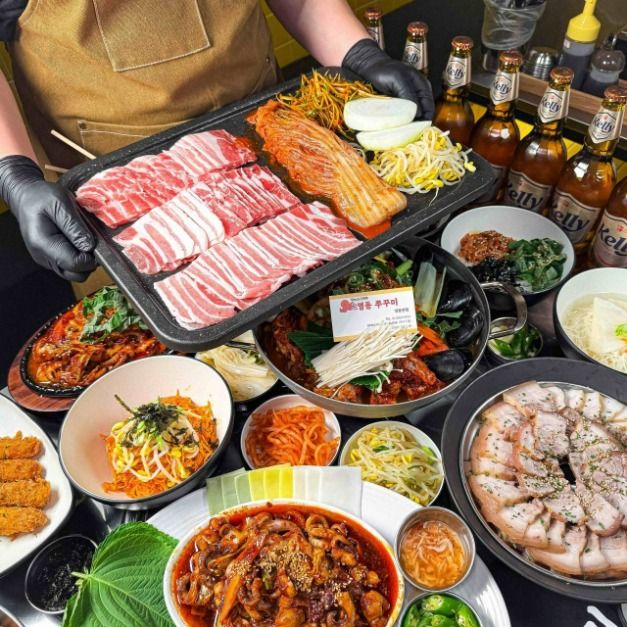
Myeongdong Jjukkumi (명동쭈꾸미)
1.5Km 2025-07-23
3-28 Toegye-ro 6-gil, Jung-gu, Seoul
Myeondong Jjukkumi is a jjukkumi (ocellerated octopus) restaurant located in Jung-gu, Seoul. It only takes about a 1-minute walk from Hoehyeon Station (Seoul Subway Line 4), Exit 2, a convenient location for both tourists and people who work in the area. Main menu items consist of jjukkumi and samgyeopsal (grilled pork belly), pork galbi (rib meat), bossam (cabbage wraps with pork), among other set menus. All dishes are cooked in the kitchen, and are known for their spicy kick and savory taste. The restaurant can accommodate group guests as it has a spacious hall as well as outdoor tables. Customers dining at the restaurant can help themselves to more side dishes at the self-service side dish bar and enjoy a hearty meal at a reasonable price.
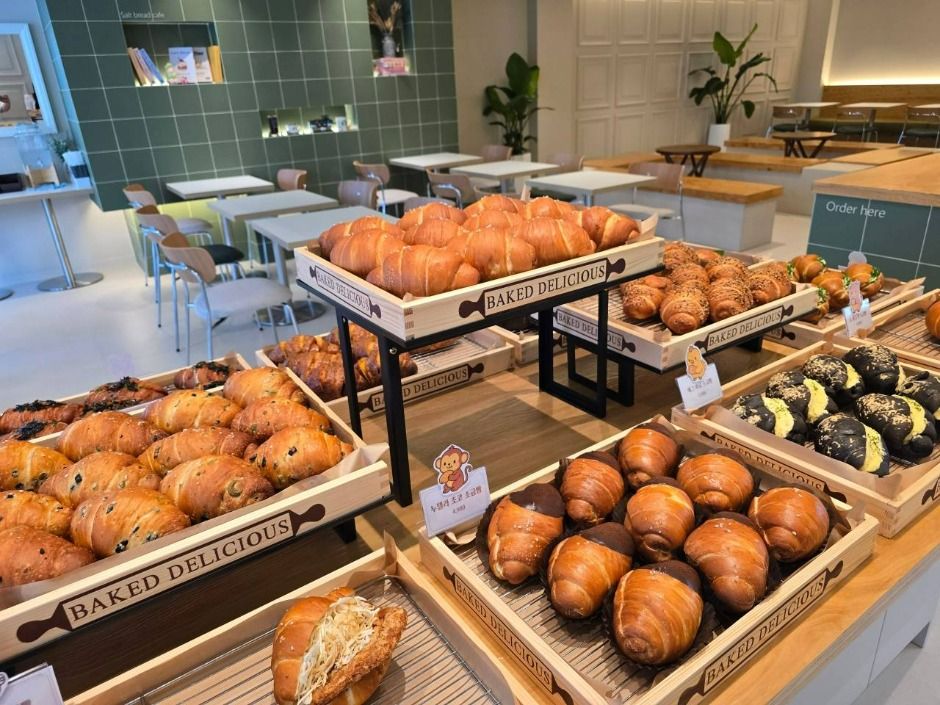
Bokidang (복이당)
1.5Km 2025-09-15
3-28 Toegye-ro 6-gil, Jung-gu, Seoul
Bokidang is a handmade salt buns specialty bakery cafe located in Jung-gu, Seoul. It is conveniently located just a 30-second walk from Exit 2 of Hoehyeon Station, situated in an area with high foot traffic from office workers and tourists. Bokidang presents handmade salt bread and beverages made with carefully selected fresh ingredients, with the hope that "everyone who eats will be blessed." The signature menu features a lineup of salt breads inspired by the 12 zodiac animal characters, each embodying health, wishes, and small happiness in a single bite. The store has a clean and warm atmosphere with an indoor seating area and outdoor seating, accommodating group guests and offering takeout for added convenience.
Templestay Information Center (템플스테이 홍보관)
1.5Km 2022-10-17
56, Ujeongguk-ro, Jongno-gu, Seoul
Templestay Information Center offers various information and services regarding templestays and temple meals for domestic and international visitors. The center also operates traditional cultural experiences, such as tea time with a Buddhist monk, traditional culture activities and more.
Sangchonjae House (상촌재)
1.5Km 2025-11-06
12-11 , Jahamun-ro 17-gil, Jongno-gu, Seoul
Sangchonjae House, run by the Jongno Cultural Foundation, is a traditional hanok cultural space located in Sejong Village, Ogin-dong, Jongno-gu, and operates various cultural Korean programs such as exhibitions, educational experiences, and events to fully experience Korea's four seasons. The name Sangchonjae was conceived from the old name of Sejong Village, the western part of Gyeongbokgung Palace and the birthplace of King Sejong. The house reflects the lifestyle of an ordinary peasant during the Joseon dynasty. It consists of three buildings: the main building, the guesthouse known as sarangchae, and the annex. There is an experience center indoors offering tea ceremonies and traditional game experiences.
Cha Fertility Ceter - Seoul Station ((의)성광의료재단 차여성의원)
1.5Km 2025-10-23
(2nd Floor, Seoul Square), 416 Hangang-daero, Jung-gu, Seoul
Since opening in 2015, CHA Fertility Center - Seoul Station has served as Korea's leading fertility treatment center. Based on the know-how of CHA University Gangnam Medical Center, the first private hospital to deliver a test-tube baby in 1986, CHA Fertility Center - Seoul Station is conveniently located near the center of Seoul, making it convenient for domestic and international fertility clients. Foreign fertility patients who arrive in Korea via Incheon Airport not only have easy access to the clinic via the direct rail linking Seoul and the airport but also benefit from the capital city's excellent infrastructure (transportation, tours, accommodations, restaurants, etc.) for a safe and comfortable fertility treatment during their stay. In particular, many international residents in Korea, embassy officials, U.S. soldiers, and Koreans living abroad visit CHA Fertility Center for fertility treatment.
Imun Seolnongtang (이문설농탕)
1.5Km 2025-06-18
38-13 Ujeongguk-ro, Jongno-gu, Seoul
Imun Seolnongtang has been serving its hearty seolleongtang for over a hundred years since it first opened in 1907. Even its name has a long history: the word imun comes from Imun-gol, the now-obsolete name of the restaurant’s location, and seolnongtang, an old variation of the word seolleongtang. During the Japanese colonial rule, the restaurant’s regular customers included Gijeong Son, the marathon gold-medalist at the 1936 Berlin Olympics. The meal served at this restaurante is reputed to stay consistent from the Japanese colonial period.
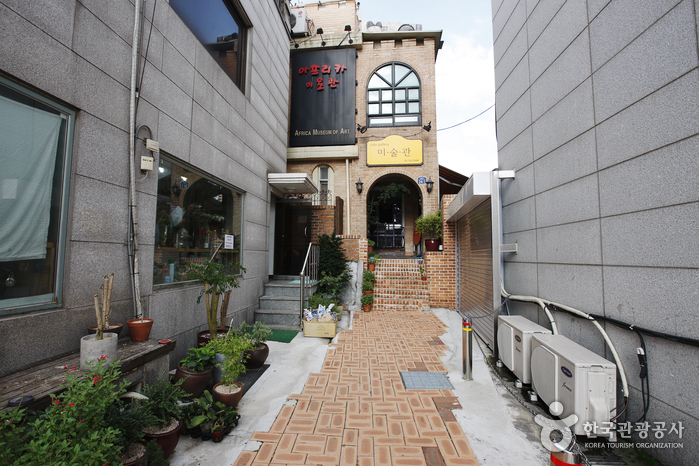
Africa Museum of Art (아프리카미술관)
1.5Km 2022-10-26
24-1, Samcheong-ro, Jongno-gu, Seoul
The Africa Museum of Art was established with the purpose of hosting various art festivals and providing the grounds for researching various art themes. A major principle of the gallery is to promote works of art that actively attempt to explore the human mind.
 English
 한국어
한국어 日本語
日本語 中文(简体)
 Deutsch
 Français
 Español
 Русский


