![Chere-Dame Save Zone [Tax Refund Shop] (쉐르담 세이브존)](http://tong.visitkorea.or.kr/cms/resource/09/3313209_image2_1.jpg)
Chere-Dame Save Zone [Tax Refund Shop] (쉐르담 세이브존)
14.1Km 2024-06-26
87, Cheolmangsan-ro, Gwangmyeong-si, Gyeonggi-do
-
![Besti Belli - Savezone Gwangmyeong Branch [Tax Refund Shop] (베스띠벨리 세이브존 광명점)](http://tong.visitkorea.or.kr/cms/resource/72/3313872_image2_1.jpg)
Besti Belli - Savezone Gwangmyeong Branch [Tax Refund Shop] (베스띠벨리 세이브존 광명점)
14.1Km 2024-06-27
87, Cheolmangsan-ro, Gwangmyeong-si, Gyeonggi-do
-
![Lux Genie - Savezone Gwangmyeong Branch [Tax Refund Shop] (룩스지니 세이브존 광명점)](http://tong.visitkorea.or.kr/cms/resource/15/3314215_image2_1.jpg)
Lux Genie - Savezone Gwangmyeong Branch [Tax Refund Shop] (룩스지니 세이브존 광명점)
14.1Km 2024-06-27
87, Cheolmangsan-ro, Gwangmyeong-si, Gyeonggi-do
-
Gangseo Marsh Ecological Park (강서습지생태공원)
14.2Km 2021-06-22
279-23, Yangcheon-ro 27-gil, Gangseo-gu, Seoul
+82-2-3780-0621
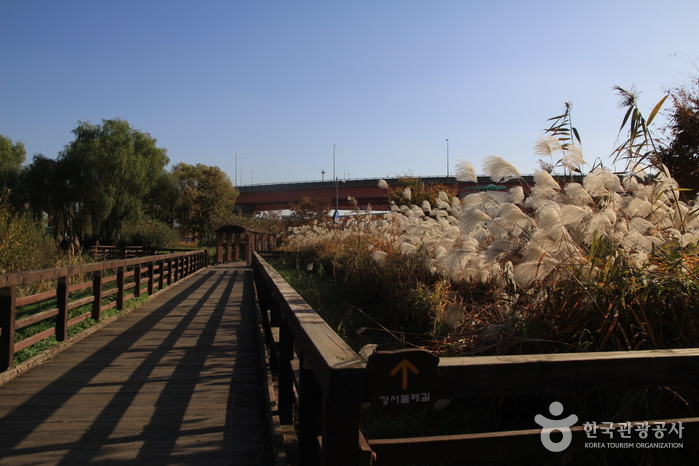
The Gangseo Marsh Ecological Park is an eco-park located on the Hangang River between the southern side of Banghwadaegyo Bridge and southern side of Haengjudaegyo Bridge. Established in July 2007, the park is partly comprised of low wetlands, freshwater lakes, and various aquatic plants. Eco-trails wind around the park through reed areas, around willow trees, and past the migratory bird observation. At the park, visitors can watch and learn about a variety of migratory birds during summer and winter or join one of the park’s organized eco-education programs.
Banghwa-dong Gyodong Jjamppong (방화동 교동짬뽕)
14.2Km 2025-10-23
21 Geumnanghwa-ro 24na-gil, Gangseo-gu, Seoul
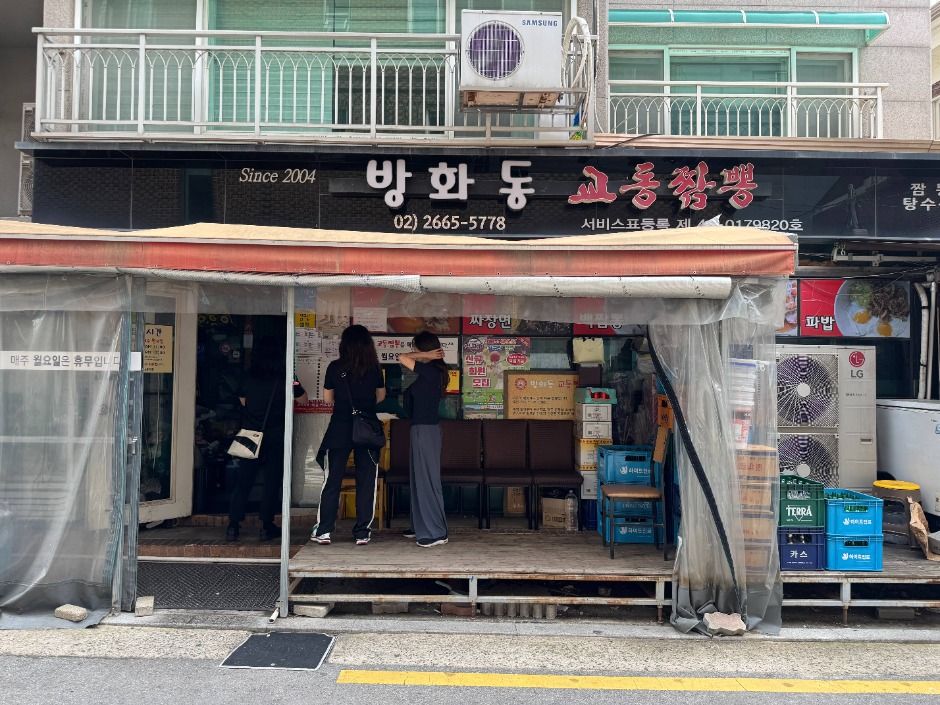
Located in Gangseo-gu, Seoul, Banghwa-dong Gyodong Jjamppong is a Chinese restaurant that serves mildly spicy jjamppong that everyone can enjoy. It also serves several other original menu items that appeal to children's preferences, making it a great place for families to eat out. The sweet and sour pork is crispy on the outside, soft on the inside, and full of flavor. The handmade dumplings are made everyday, carefully prepared with fresh ingredients and care. The restaurant sees a steady stream of local customers as well as travelers due to it's proximity to Gimpo Airport.
Kkwonggogae Park (꿩고개공원)
14.2Km 2025-10-23
San 100beonji, Banghwa-dong, Gangseo-gu, Seoul
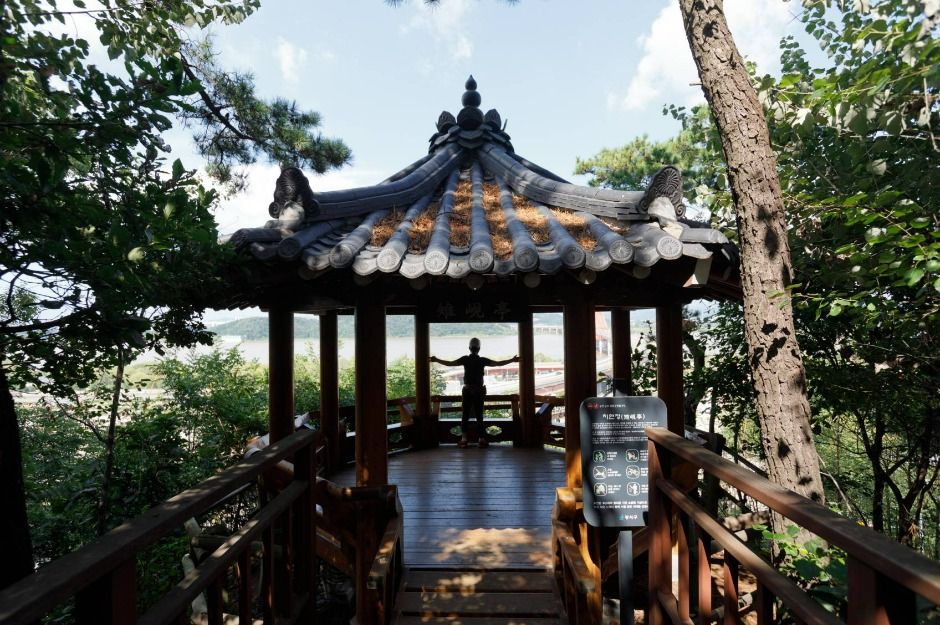
Kkwonggogae Park is an ecological forest where nature is preserved, located along the Hangang River, and has an excellent natural environment. Whereas the nearby Banghwa Community Park was founded for public service, Kkwonggogae Park was founded to preserve the existing habitats and ecosystems while serving as a passageway for small animals. Within the park is Chihyeonjeong Pavilion, Gangseo area's representative attraction for taking in the city nightscape. The hill's name, which can literally be translated as "Pheasant Hill Park," comes from the fact that this hill was a frequent pheasant hunting spot in the past. The park is located near Gagseo Dulle Trail Course No. 2.
Soma Museum of Art (소마미술관)
14.2Km 2023-04-13
424, Olympic-ro, Songpa-gu, Seoul
+82-2-425-1077
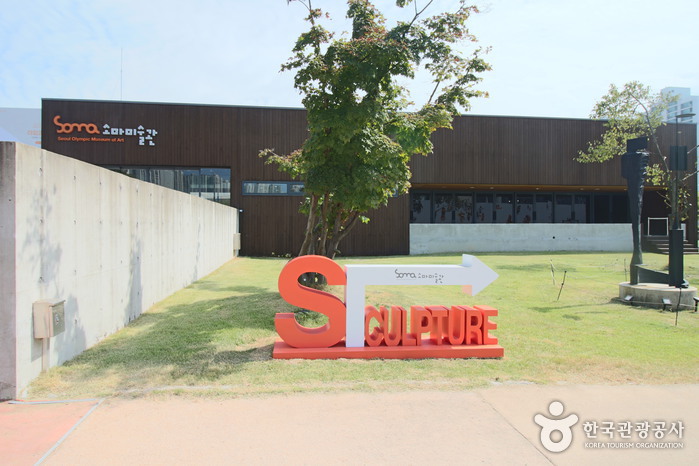
Soma Museum of Art was opened in September 2004 as a cultural space amid the nature of Seoul Olympic Park. The museum displays over 222 sculptures, and offers a variety of cultural and educational programs, including the nation's first drawing center and archive.
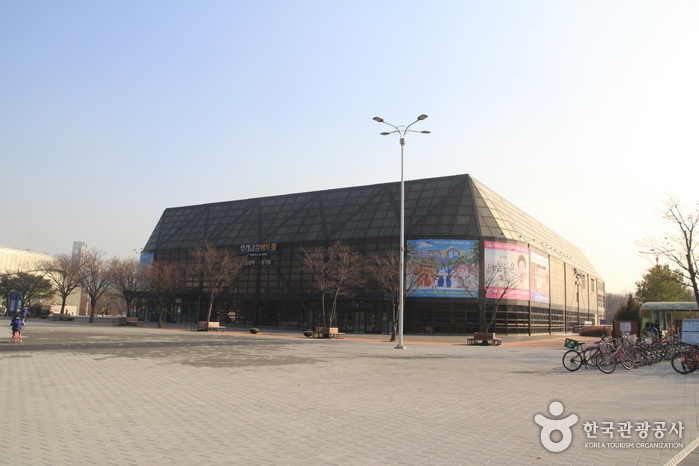
Olympic Park Stadium (올림픽공원 경기장)
14.2Km 2021-06-11
424, Olympic-ro, Songpa-gu, Seoul
+82-2-410-1114
Olympic Park is an expansive outdoor area for Seoul residents to enjoy, offering facilities and venues for a range of events including athletic competitions, concerts and other performances. The park houses athletic facilities including the gymnasium of the ’88 Seoul Olympic Games, a fencing stadium, weightlifting stadium, swimming pool and tennis courts. Moreover, those venues are multi-purpose facilities that can host a wide range of events and performances.
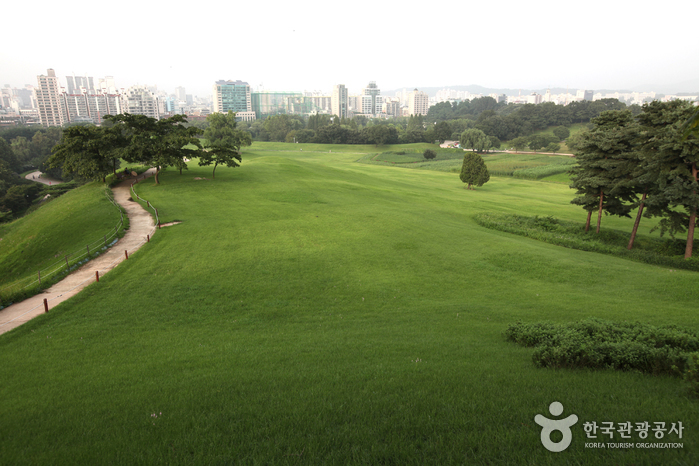
Seoul Mongchontoseong Earthen Fortification (서울 몽촌토성)
14.2Km 2024-03-12
424, Olympic-ro, Songpa-gu, Seoul
+82-2-2147-2814
Mongchontoseong Earthen Fortification is an ancient earthen fortress built during the Hanseong period of the ancient Korean kingdom of Baekje (BC 18-AD 660). It is believed to have been constructed in the 3rd to 4th centuries. Utilizing the natural advantages of the Hangang River, it served defensive purposes with its trench and log barrier. Excavated relics from the Baekje era are on display at the Seoul Baekje Museum. The site is situated within the Olympic Park in Songpa, Seoul.

Olympic Park (올림픽공원)
14.3Km 2023-10-19
424 Olympic-ro, Songpa-gu, Seoul
+82-2-410-1114
Olympic Park is an impressive leisure facility in which historic remains from the Baekje era share space with modern, state-of-the-art sports stadiums, an eco-friendly forest, and spacious grass fields. The legacy of the 1988 Seoul Olympics, the park not only houses the country’s largest sports arena, but has also become a place where Seoul residents come to relax and unwind.
Spread across approximately 1.45 million square meters, Olympic Park encompasses the land that was once Mongchontoseong Fortress and Mongchonhaeja (manmade lake) from the early Baekje period. The park is divided into several zones, including a leisure sports park, a cultural art park, an eco-park, and the History Experience Park dedicated to the area’s rich historic heritage.
Because Olympic Park is so large and takes over three hours to explore, visitors are advised to familiarize themselves with entrances and exits and travel routes before they start. To further save time, visitors can ride the Road Train (“Hodori Train”) located next to Peace Square.
 English
 한국어
한국어 日本語
日本語 中文(简体)
 Deutsch
 Français
 Español
 Русский


