
Kyung Hee University Medical Center (경희의료원)
12.3Km 2025-10-23
23 Kyungheedae-ro, Dongdaemun-gu, Seoul
KYUNG HEE UNIVERSITY MEDICAL CENTER is the world's only academic medical center where six medical fields including medicine, dentistry, oriental medicine, East-West integrated medicine, pharmacy, and nursing coexist. We have established new treatment systems by complementing the strengths of each field, and have strived to protect humanity from diseases for more than 50 years.
We make all efforts to return the love received from our patients and their guardians. Our innovative medical treatment systems further improve the effectiveness of disease treatment and provide top-class medical services to help all patients recover quickly. We will continue to work hard to fulfill our role as a center for research and academics and make a contribution to the health of the community and the nation.
With the ‘Kyung Hee Family Spirit,’ we promise to become Kyung Hee Medical Center that always thinks and acts on the patient’s side.
KSPO Dome (Olympic Gymnastics Arena) (올림픽공원체조경기장)
12.4Km 2025-06-30
424 Olympic-ro, Songpa-gu, Seoul
The KSPO Dome was the arena built for gymnastic events during the 1988 Seoul Summer Olympics, but has been remodeled to host concerts, including for many K-pop stars and international pop stars. The dome can also serve as venue to a range of other events, including showcases, exhibitions, and business events. It is accessible via public transit using Olympic Park Station on Seoul Subway Lines 5 and 9.
Woori Art Hall (우리금융아트홀)
12.4Km 2025-04-01
424 Olympic-ro, Songpa-gu, Seoul
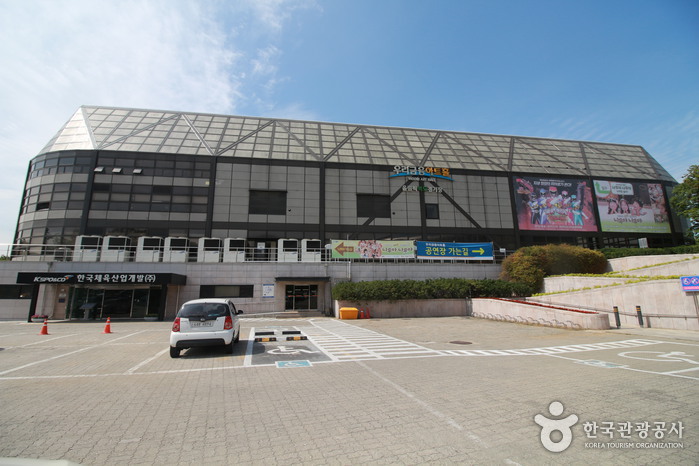
Woori Art Hall is a cultural art space located within Olympic Park, opened in November 2009 after a two-year renovation project from the previous Yeokdo Stadium. The 1,184-seat hall is primarily for musicals, but can also host a range of performances including plays, dance, classical, and modern music.
Seoul Bangidong Ancient Tombs (서울 방이동 고분군)
12.4Km 2022-12-29
219, Ogeum-ro, Songpa-gu, Seoul
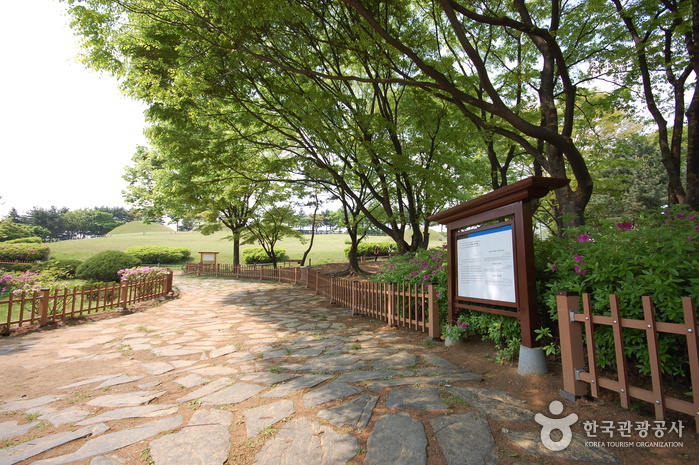
The ancient tombs in Bangi-dong were discovered during the land readjustment project of Jamsil-jigu District in 1975. A total of eight ancient tombs were excavated until 1976, and the site was restored into a park in 1983. The Bangi-dong area was originally a low line of hills with an altitude of 30-50 meters above sea level, but it has been made into flatland for urban development purposes. Tomb numbers 1 to 6 lie on the same hill, while tomb no. 7 and 8 are located on another hill a short distance away.
All eight tombs have circular burial mounds. The insides of the a tomb feature a square or rectangular-shaped burial chamber with earthen ground and stone walls, and a passage leading from the tomb entrance to the chamber. However, details of the burial chambers vary by tomb. Most of the tombs had been robbed before the investigation, but a few relics such as plates and pots have been excavated. At the time of excavation, the relics were presumed to have come from the Baekje dynasty (18 BC-660 AD), but it is now estimated that they date back to the Unified Silla Period (676-935 AD).
Jamunbak Cultural Festival (자문밖문화축제)
12.5Km 2025-10-23
5 Pyeongchang 31-gil, Jongno-gu, Seoul
+82-2-6365-1388
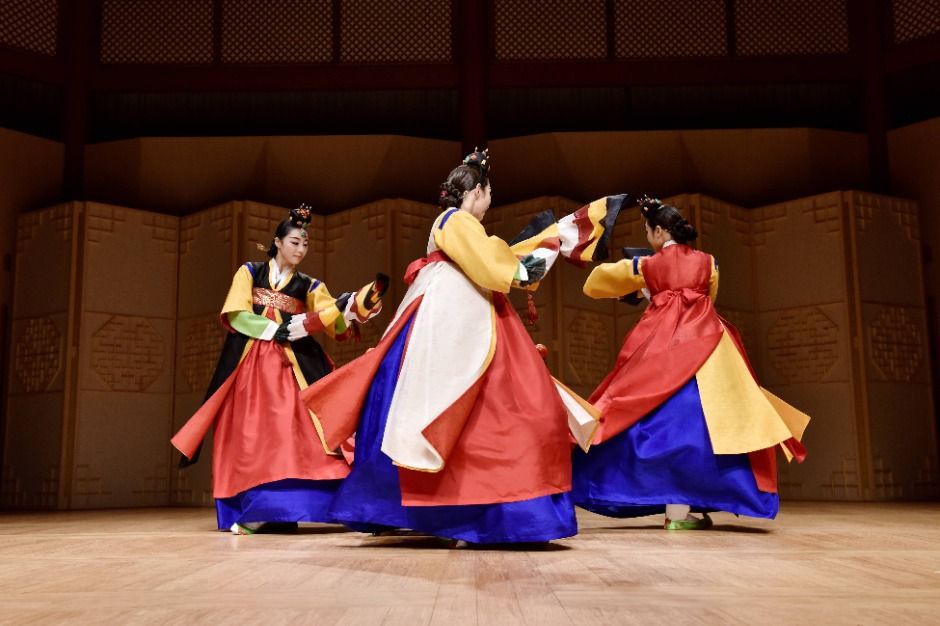
The Jamunbak Festival is a celebration of the artistic life of Seoulites. At the foot of Bukhansan Mountain, the festival features exhibitions, performances, forums, workshops, and field trips that bring together artists of different generations and citizens of Seoul—who have long led Korea’s artistic culture—to reflect on and propose new directions for their own artistic lives. The festival aims to create a platform where emerging artists experimenting with new aesthetics, mid-career artists who form the backbone of Korean art, collectors, critics, students, and the general public can all engage in dialogue together.
Total Museum (토탈미술관)
12.5Km 2022-07-22
8, Pyeongchang 32-gil, Jongno-gu, Seoul
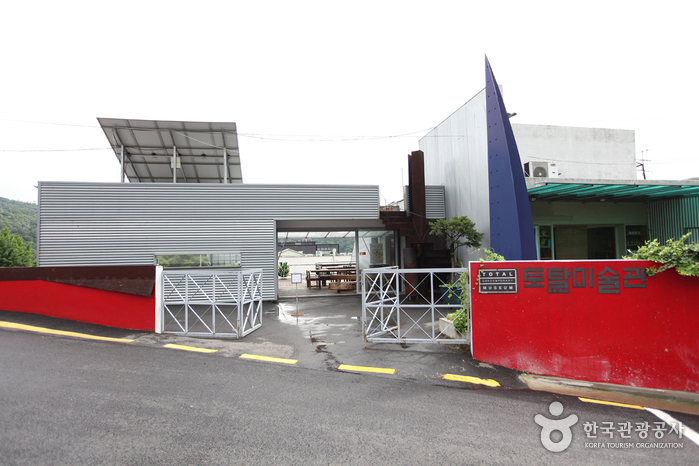
The Total Museum is a branch of Jangheung Art Park (formerly “Total Outdoor Museum”) that opened near Bukhansan Mountain in April 1992. It houses facilities such as an art academy, library, art shop, and outdoor performance stage. In addition to exhibitions, the museum holds a variety of art and culture programs like musical concerts, events, lectures, and seminars. In particular, the members-only educational programs and gallery concerts provide a chance to enjoy high-quality cultural events.
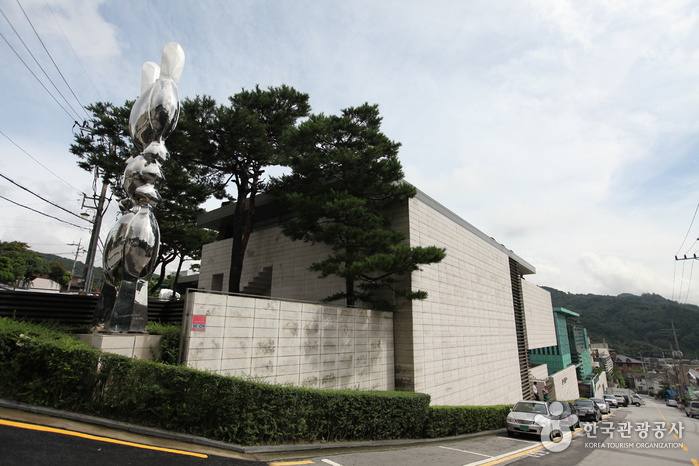
Gana Art Center (가나아트센터)
12.5Km 2024-03-18
28 Pyeongchang 30-gil, Jongno-gu, Seoul
The Gana Art Center located at the foothills of Bukhansan Mountain has been showcasing more than 300 exhibitions since its opening in 1983. Through both national and international exhibitions, the Gana Art Center is a recognized gellery. With numerous fairs and exhibitions, Gana Art Center not only invite internationally known artists, but also promotes other forms of art, such as music, theater, mime, etc. Through their flexibility in promoting all art forms, the visitors will surely be able to find the theme of their interest.
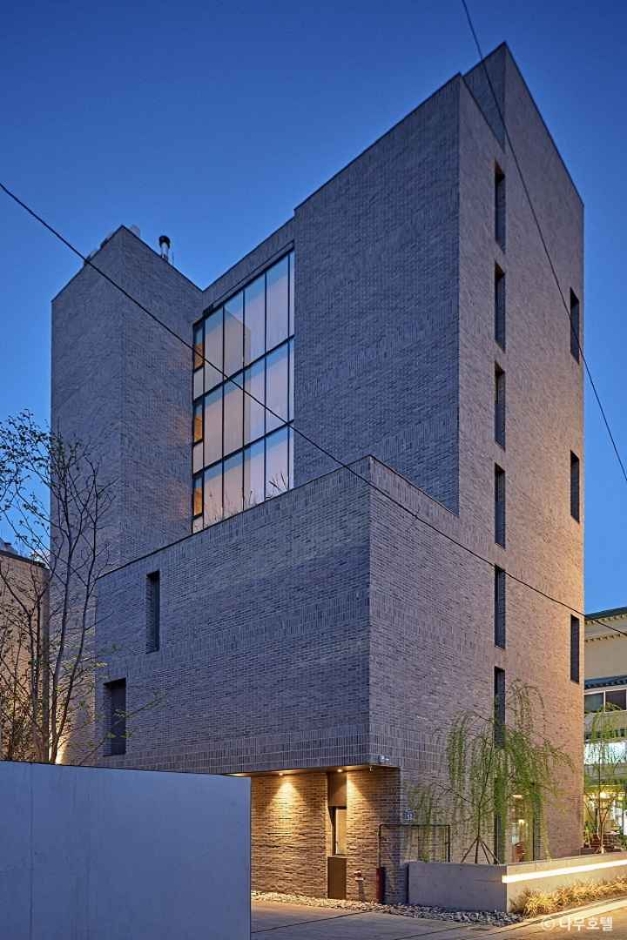
Namu Hotel (나무호텔)
12.6Km 2024-06-04
9 Achasan-ro 76ga-gil, Gwangjin-gu, Seoul
Namu Hotel, which received the Institute of Architects Award, is a hotel with a distictive design. Rather than having the main entrance on a main road, the hotel must be entered through the alley. Each room has its own unique style in terms of structure and furniture arrangement. Most rooms also feature a blacony that allows guests to be one with nature while also being protected from outside forces. Enjoy a soak in the outdoor bathtub to relax.
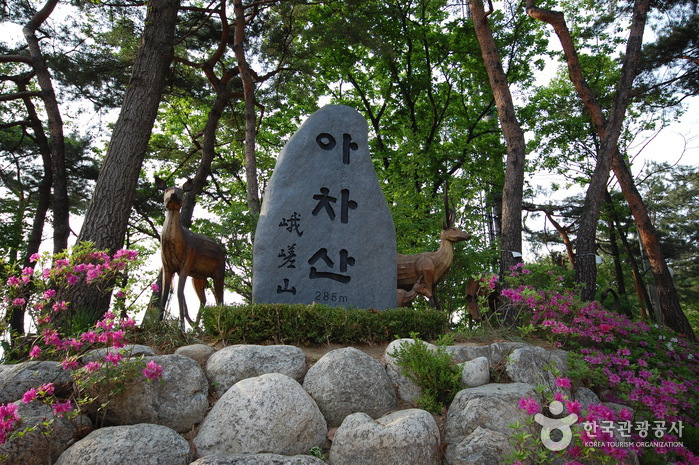
Achasanseong Fortress (아차산성)
12.7Km 2023-04-05
Gwangjang-dong, Gwangjin-gu, Seoul-si
Achasanseongseong Fortress boasts magnificent views of the Hangang River and skyline. The 200m-high mountain fortress wall was built to face southeast, towards the Hangang River. It is also called Janghan-seong or Gwangjang-seong. A fierce battle was once fought here among Gogury, Baekje and Silla because of its strategic location during the period of the Three Kingdoms. King Gae-Ro of Baekje (r. 455-475) died in the war by the Goguryeo forces sent by King Jang-Su (r. 413-491) and General Ondal of Goguryeo was also killed in a battle with the Silla army in 590.
Achasan Mountain is popular as a citizens’ resting place with a historical trail and a natural park including various facilities such as walkway, mountain walkway, a badminton court, a wrestling range, an archery range, various amusement facilities for children, benches, and pavilion.
 English
 한국어
한국어 日本語
日本語 中文(简体)
 Deutsch
 Français
 Español
 Русский


