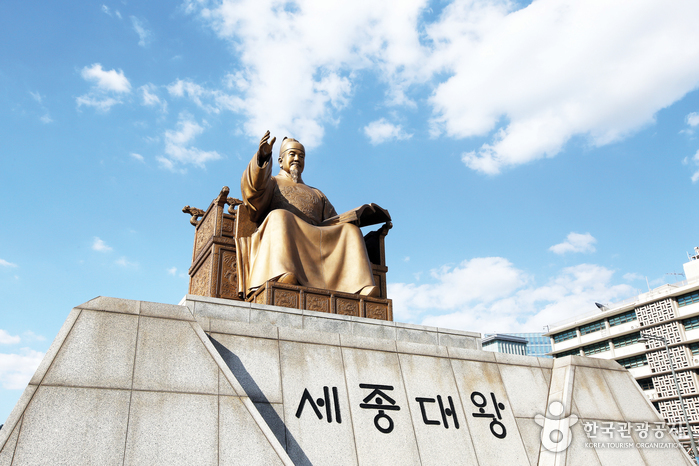
King Sejong Statue (세종대왕 동상)
1.1Km 2024-03-04
175, Sejong-daero, Jongno-gu, Seoul
+82-2-2133-7713
King Sejong Statue can be found at Seoul’s Gwanghawmun Square. The statue commemorates King Sejong the Great (1397-1450, reign 1418-1450), the fourth king of Joseon (1392-1897). He is thought to be the greatest king in Korean history, for he is credited with great developments in science and technology, expansion of Joseon’s territory, and the creation of the Korean script, [Hangeul]. King Sejong’s likeness can be found on the 10,000 won bill as well.
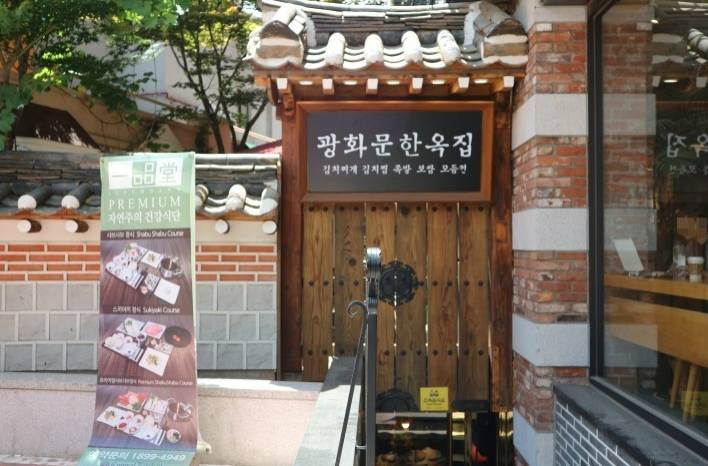
Gwanghwamun Hanokjip (광화문한옥집)
1.1Km 2024-10-15
7, Saemunanro5ga-gil, Jongro-gu, Seoul
+82-2-731-2500
A store with rooms reproducing a traditional kitchen. The best menu at this restaurant is napa wraps with pork. This is a Korean cuisine located in Gwanghwamun Gate, Seoul.

Imun Seolnongtang (이문설농탕)
1.1Km 2025-06-18
38-13 Ujeongguk-ro, Jongno-gu, Seoul
+82-2-733-6526
Imun Seolnongtang has been serving its hearty seolleongtang for over a hundred years since it first opened in 1907. Even its name has a long history: the word imun comes from Imun-gol, the now-obsolete name of the restaurant’s location, and seolnongtang, an old variation of the word seolleongtang. During the Japanese colonial rule, the restaurant’s regular customers included Gijeong Son, the marathon gold-medalist at the 1936 Berlin Olympics. The meal served at this restaurante is reputed to stay consistent from the Japanese colonial period.
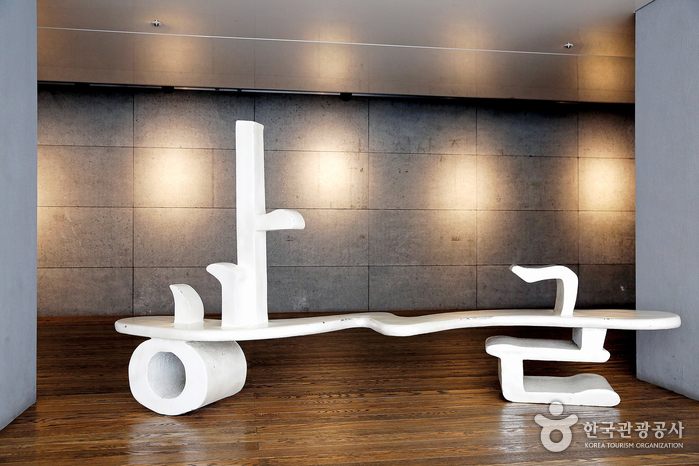
The Story of King Sejong (세종이야기)
1.1Km 2022-09-13
jiha 175, Sejong-daero, Jongno-gu, Seoul
+82-2-399-1000
The Story of King Sejong comprises six different sections with a total area of 3,200 square meters. The museum consists of exhibition zones, an event space, video room, shop and more to display King Sejong’s scientific, artistic, military, and political contributions, including the theory of Minbon, which recognized the people as the base of politics. King Sejong, the 4th king of the Joseon dynasty (1397-1450, reigning from 1418-1450) was responsible for some of the most brilliant achievements in the history of Korea, including the creation of Hangeul (Korean alphabet) and great advancements in the areas of science, culture, art and politics.
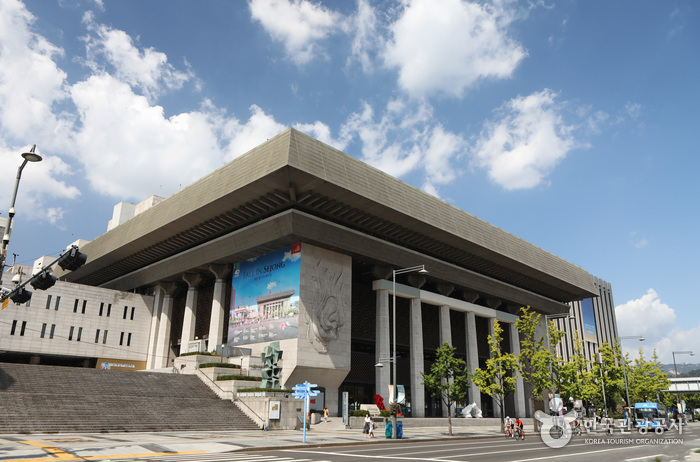
Sejong Center (세종문화회관)
1.1Km 2023-06-14
175, Sejong-daero, Jongno-gu, Seoul
+82-2-399-1000
Sejong Center, officially known as Sejong Center for the Performing Arts, opened on July 1, 1999 to provide citizens with a cultural art space. Having completed a grand remodeling project in 2007, Sejong Center offers customer-friendly programs aimed at improving the quality of art performances in a comfortable resting area. Comprising the Grand Theater of Sejong Center, Sejong M Theater, Sejong Chamber Hall, Exhibition Hall, and other subsidiary facilities, Sejong Center is a multicultural art center.
Various genres of performances including traditional, classic, and crossover have taken place in the center, giving many opportunities for cultural nostalgia.
* Opened April 14, 1978
![CheongKwanJang - Jonggak Station Branch [Tax Refund Shop] (정관장 종각역)](http://tong.visitkorea.or.kr/cms/resource/13/2878213_image2_1.jpg)
CheongKwanJang - Jonggak Station Branch [Tax Refund Shop] (정관장 종각역)
1.1Km 2024-04-22
#102, 95, Sambong-ro, Jongno-gu, Seoul
-
Isae - Insa Branch (No. 2) [Tax Refund Shop] (이새 인사2호)
1.1Km 2024-04-18
30-1, Insadong-gil, Jongno-gu, Seoul
-
![Harmony Mart - Insa Branch [Tax Refund Shop] (하모니마트 인사)](http://tong.visitkorea.or.kr/cms/resource/79/2888079_image2_1.jpg)
Harmony Mart - Insa Branch [Tax Refund Shop] (하모니마트 인사)
1.1Km 2024-04-17
1F (Gwanhun-dong), 38, Insadong 5-gil, Jongno-gu, Seoul
-
Insa-dong Antique Art Street (인사동 고미술거리)
1.1Km 2025-03-16
29 Insadong-gil, Jongno-gu, Seoul
+82-2-732-2235
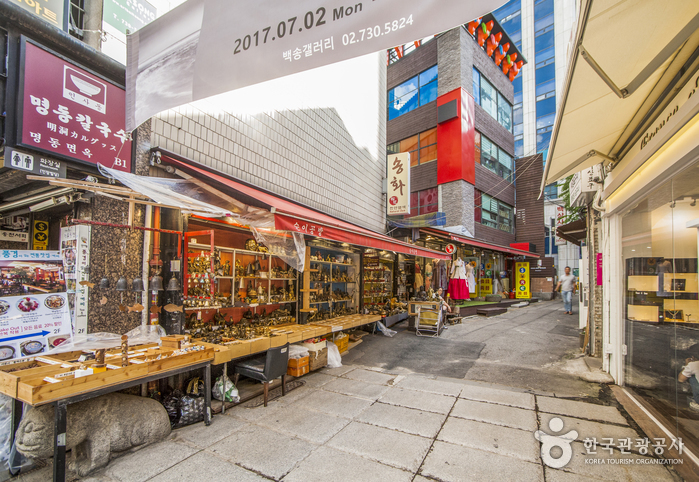
As of today, there are approximately 70 shops in the Insa-dong area that sell antique arts. Some of the products they sell include antique artworks, porcelains, woodcrafts, and metalwork. Visitors may even find rare and valuable products such as earthenware from the Silla period or white porcelain used in the Joseon dynasty. Each shop is a specialty store, authorized to sell product types that are of their expertise, ranging from antique furniture and traditional artworks to handcrafted items.
Aank Hotel & Spa Jongno Unni Branch (아늑호텔 앤 스파 종로운니점)
1.1Km 2025-04-24
89 Donhwamun-ro 11ga-gil, Jongno-gu, Seoul
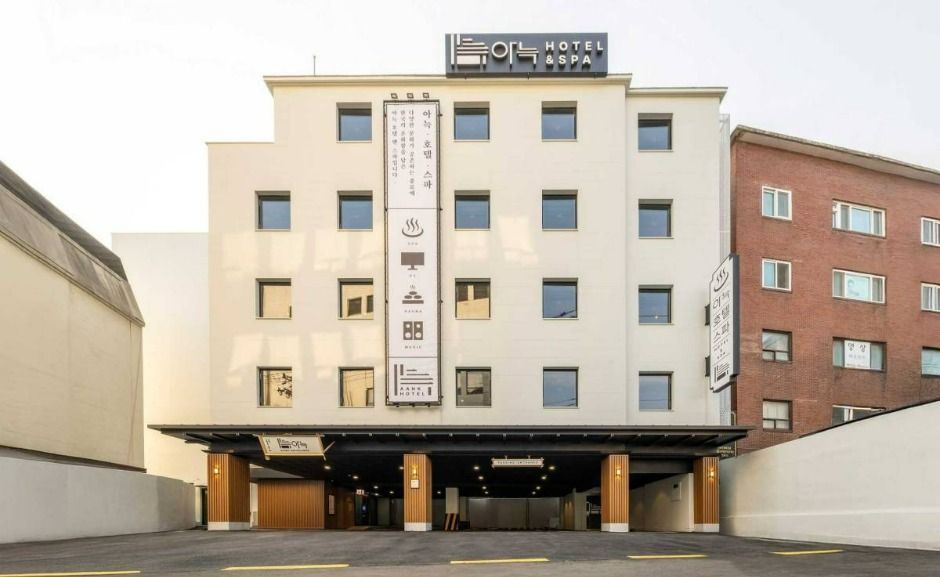
Aank Hotel & Spa Jongno Unni Branch embodies the warmth and charms of Korea. Guests are welcome to unwind with diverse room options to choose from such as the msuic room, signature spa room, desktop 2-PC room, and standard room. It's location in the heart of Seoul makes it a great place for tourists as well as well.
 English
 한국어
한국어 日本語
日本語 中文(简体)
 Deutsch
 Français
 Español
 Русский


