Choong Ang High School (중앙고등학교)
750.0M 2025-10-23
164 Changdeokgung-gil, Jongno-gu, Seoul
+82-2-742-1321
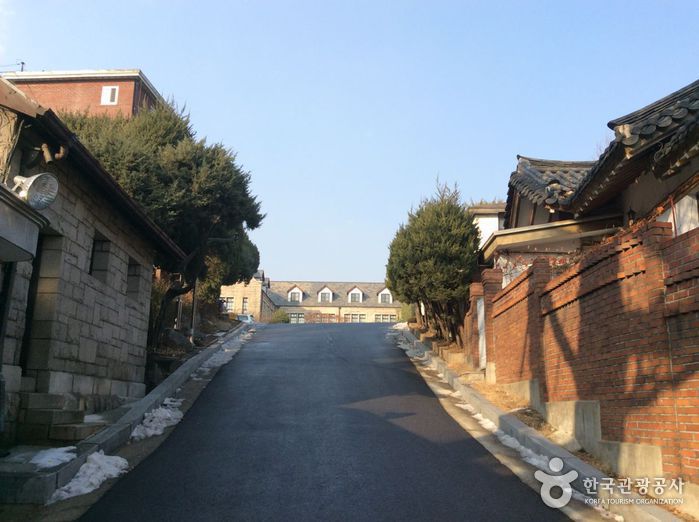
Choong Ang High School is located in Jong-ro near Samcheongdong-gil. It was built to educate the public at the beginning of the 20th century. The school’s main building was reconstructed in 1937 after the original two-story brick house was destroyed in 1934. The main building situated in front of the main gate is a two-story H-shaped granite stone building in Gothic style, with a four-story tower in the middle.
The school holds historical significance because it was designed by Park Dong Jin, one of Korea's first modern architects and the designer of Korea University’s main building, library, and the Chosun Ilbo Newspaper Company building. The main building of Choong Ang High School is designated as Historic Site No. 281. Many national leaders were educated at the gothic building during the grim period when Korea was trying to escape Japanese colonial rule.
Seoul Museum of Craft Art (SeMoCA) (서울공예박물관)
766.1M 2025-06-19
4 Yulgok-ro 3-gil, Jongno-gu, Seoul
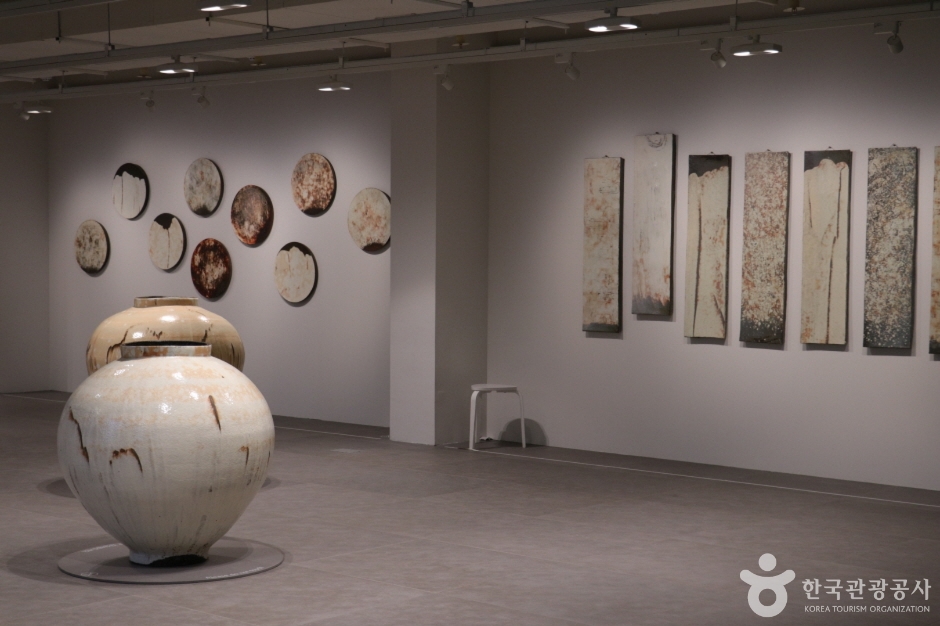
The Seoul Museum of Craft Art (SeMoCA), the first public museum of craft art in Korea, opened its doors in Anguk-dong, Jongno-gu, in July 2021 after renovating five buildings of the former Pungmoon Girls’ High School. SeMoCA studies and shares not only works, but also information, records, people, and environment related to craft art with the goal of becoming a dynamic platform for experiencing the technical, practical, artistic, and cultural values of craft.
SeMoCA holds a collection that comprises various crafts and craft materials covering multiple fields and eras from the traditional to the present. SeMoCA also holds exhibitions that feature the history of craft from traditional to contemporary art as well as local and children’s crafts, along with programs that utilize the museum’s craft installations, craft archives, craft library, and craft resource management system.
The site of the museum has deep historical roots as it is also the Andong Secondary Palace Site, where a detached palace was constructed as a royal residence for King Sejong’s son Prince Yeongeung, and served as a venue for royal celebrations, such as the wedding of King Sunjong. The site is also at the center of Jongno-gu, where Joseon-era master artisans (“gyeonggongjang”) of the royal palace produced and delivered craft works.
Public Hanok Night Out (공공한옥 밤마실)
769.4M 2025-06-10
37 Gyedong-gil, Jongno-gu, Seoul
+82-2-741-1033
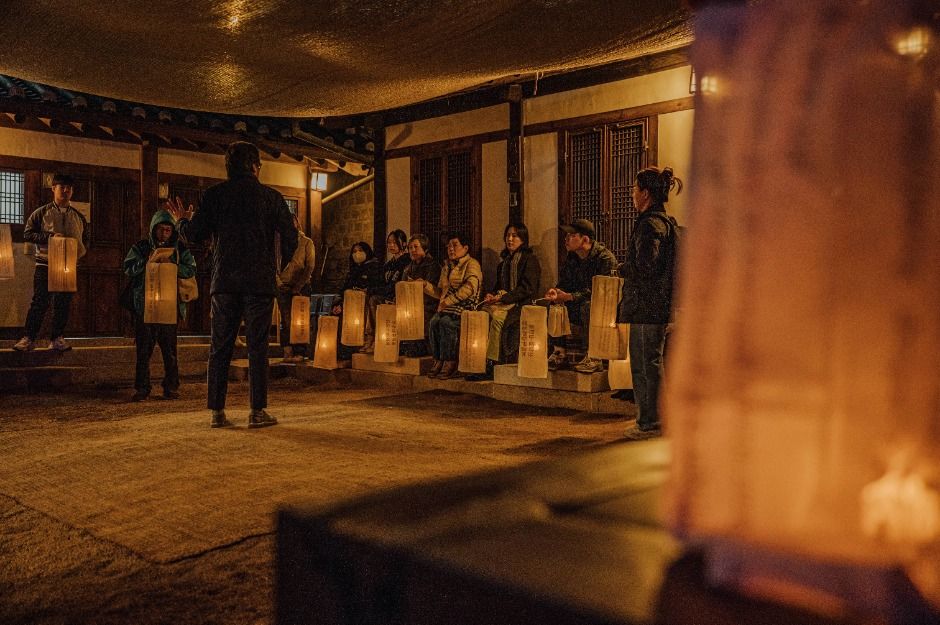
Public Hanok Night Out is a special evening event that allows limited access to the nine public hanok buildings, including the Bukchon Culture Center, after sundown. The event is carefully prepared to make the hanok buildings accessible as much as possible. In addition, the event also offers a variety of programs to entertain the visitors. The event aims to raise awareness about embracing differences and diverse values during this time of ever-changing global society, as well as expand the the cultural values of hanok as something more unique.
Matthew Chang Anguk (메튜장 안국)
781.6M 2025-07-14
33 Yulgok-ro, Jongno-gu, Seoul
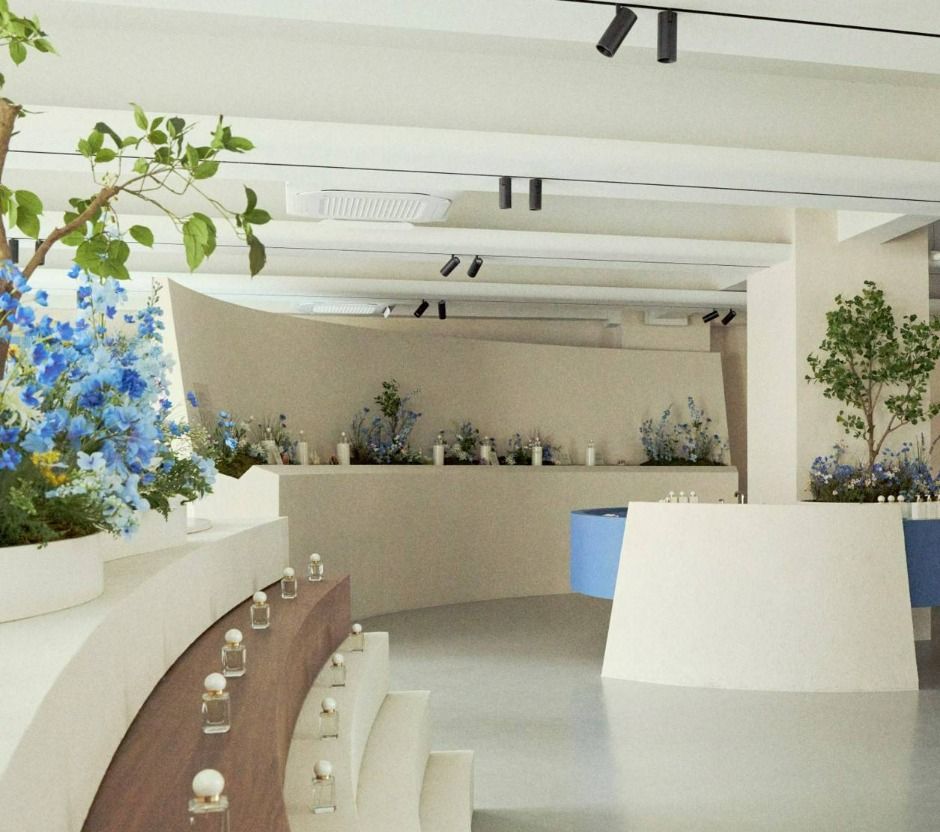
Matthew Chang Anguk flagship store uses the whole space to bring the brand's philosophy to life through fragrance. Located in Anguk, the heart of Korea's tradition and aesthetics, the store's tranquil atmosphere sets the mood for visitors to try on and experiment with the brand's carefully selected perfume collection. The staff provides assistance in recommending the perfect scent according to visitor's preference, mood, and nostalgia. The store also has a section dedicated to body care products, such as hand wash and body lotion.
![Seochon Guest House [Korea Quality] / 서촌게스트하우스 [한국관광 품질인증]](http://tong.visitkorea.or.kr/cms/resource/86/2998986_image2_1.jpg)
Seochon Guest House [Korea Quality] / 서촌게스트하우스 [한국관광 품질인증]
791.6M 2023-09-05
28-3 , Jahamun-ro 7-gil, Jongno-gu, Seoul
+82-2-473-9680
Seochon Guest House in Seochon, Jongno, Seoul, consists of a 90 year-old hanok and a two-story Western-style house. A 6-cheop table is provided for meals, and travelers can use the 1st floor rooms and hall at any time. In the yard, Pansori performances are held twice a year, and residents can sample traditional music, wearing hanbok, and making Korean food; the guesthouse’s other name is Pleasure Valley (Jaeminan Gol)! There are programs for visiting Inwangsan-Bukaksan fortress trail, Gyeongbokgung and other royal palaces, and nearby traditional markets.
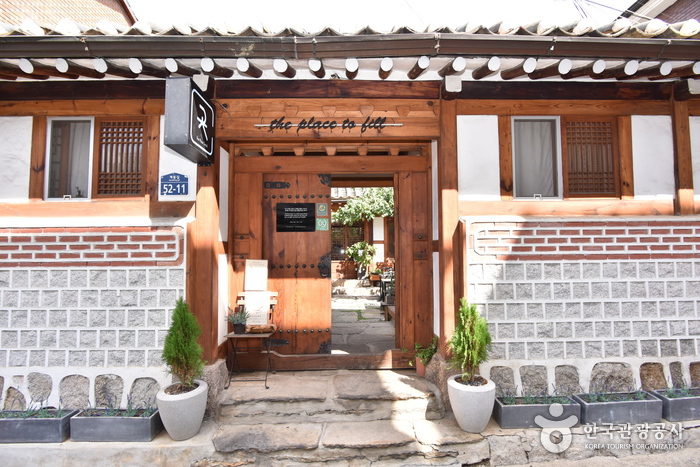
The Place Seoul (traditional Korean-style guesthouse) / 복합한옥공간 곳
795.6M 2025-03-05
52-11 , Gyedong-gil, Jongno-gu, Seoul
+82-10-3255-1289
The Place Seoul in Gye-dong, Jongno-gu, Seoul, is a meeting place of traditional and modern Korea. It has a yard with a beautiful 80 year-old dogwood tree, and a small garden in which guests can enjoy the passage of the seasons. The Place Seoul is an environment-friendly place which uses eco-friendly consumables such as toilet paper and shampoo. Breakfast is simple and healthy. There are many good cafes in nearby Bukchon, and local tourist attractions include the National Palace Museum of Korea and the National Museum of Modern and Contemporary Art.
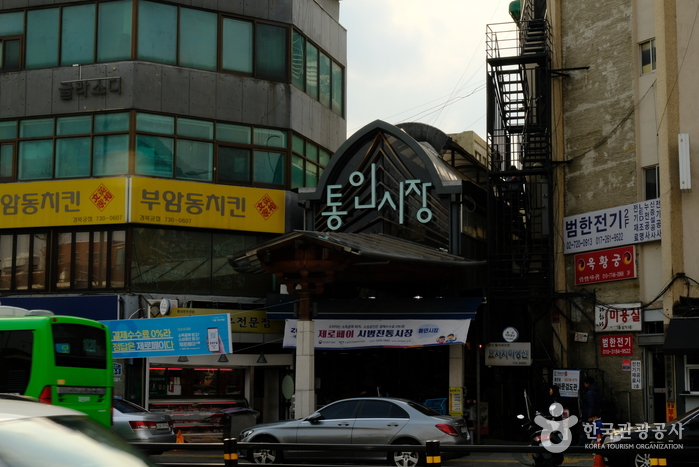
Tongin Market (통인시장)
805.4M 2025-06-19
18 Jahamun-ro 15-gil, Jongno-gu, Seoul
Tongin Market dates back to June 1941, as a public market set up for Japanese residents near the Hyoja-dong neighborhood when Korea was still under Japanese rule. After the Korean War, the nation experienced a swift rise in population, which led to a natural increase in consumption and demand. As a result the area’s street vendors and stores used the former Tongin Market area as their marketplace. Now, Tongin Market consists of 75 stores, most of which are restaurants and grocery stores. There are also some shops selling manufactured goods like underwear and shoes.

Samcheong Park (삼청공원)
812.0M 2024-03-18
44, Insadong-gil, Jongno-gu, Seoul
+82-2-2148-4150
Samcheong Park is a park that blooms in cherry blossoms in spring and fall colors in fall near Gyeongbokgung Palace. The park is home to a forest library and a café, and visitors can follow the trails to find acupressure trails, exercise equipment, badminton court, tennis court, playground, and a convenience store. The area surrounding the park is home to many galleries and restaurants, so it is a popular destination for walking among the people of Seoul.
Sangchonjae House (상촌재)
819.8M 2025-11-06
12-11 , Jahamun-ro 17-gil, Jongno-gu, Seoul
Sangchonjae House, run by the Jongno Cultural Foundation, is a traditional hanok cultural space located in Sejong Village, Ogin-dong, Jongno-gu, and operates various cultural Korean programs such as exhibitions, educational experiences, and events to fully experience Korea's four seasons. The name Sangchonjae was conceived from the old name of Sejong Village, the western part of Gyeongbokgung Palace and the birthplace of King Sejong. The house reflects the lifestyle of an ordinary peasant during the Joseon dynasty. It consists of three buildings: the main building, the guesthouse known as sarangchae, and the annex. There is an experience center indoors offering tea ceremonies and traditional game experiences.
 English
 한국어
한국어 日本語
日本語 中文(简体)
 Deutsch
 Français
 Español
 Русский


