
Hangang River (한강)
5.8Km 2024-10-29
257 Gangbyeonbuk-ro, Seongdong-gu, Seoul
The Hangang River is a iconic river in Korea that crosses Seoul from north to south. Various parks and cultural facilities are located along the river, attracting numerous people to enjoy leisure and relaxation. Many people enjoy walking, biking, and jogging along the river. Water sports such as fishing, kayaking, and sailing are also popular, and the night view of the river from a cruise ship makes it even more beautiful. Events such as concerts, drone festivals, and fireworks displays are also a must-see.
Waterworks Museum (수도박물관)
5.8Km 2025-01-17
27, Wangsimni-ro, Seongdong-gu, Seoul
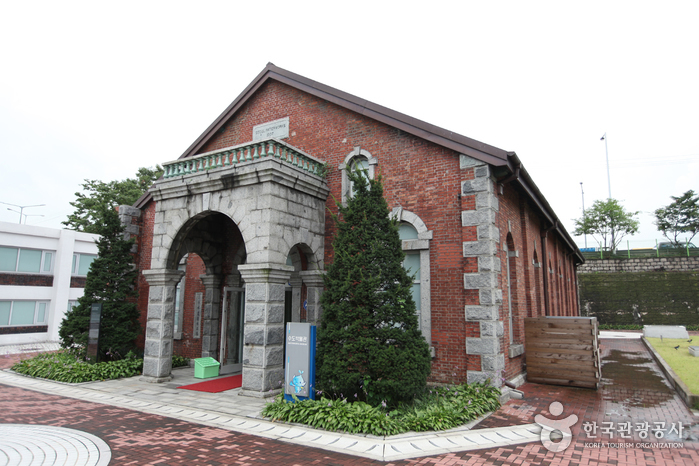
The Ttukseom Water Purification Plant (Waterworks Museum and Slow Sand Filtration Basin) was completed in August 1908 as the first water purification plant ever built in Korea. In 2008, it celebrated 100 years of history with the opening of the Waterworks Museum, which showcases the history and value of Seoul's public waterworks. The museum was recognized for its modern architectural design and designated Tangible Cultural Asset of Seoul No.72.

Tutorial (튜토리얼)
5.9Km 2025-10-30
39-15, Wausan-ro, Mapo-gu, Seoul
Singer Zion.T
The tutorial run by singer Zion.T and his father gives a comfortable first impression with white interior and spacious seats. The signature menu, 'Crumpled Paper Cake', is topped with non-smooth white icing and, as the name suggests, looks like crumpled paper. Chocolate sauce is provided here, so customers can write their own pictures or letters. Even if you're not good at it, you can make your own cake, so it's really fun. His dog ‘Haemeogi’ resting in the store as if indifferent is another specialty.
KT&G Sangsangmadang Arts Space (Hongik University) (KT&G 상상마당(홍대))
5.9Km 2024-03-12
65 Eoulmadang-ro, Mapo-gu, Seoul
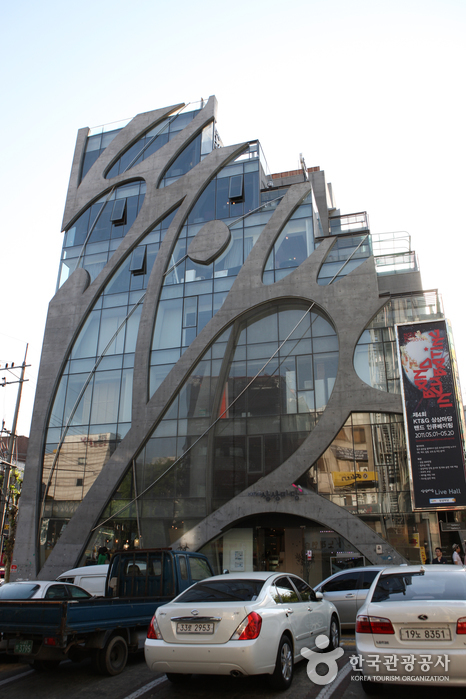
KT&G Sangsangmadang Arts Space is a multifaceted cultural space established in 2007. Spanning 660 meters with a total floor area of 3,366 meters, it features facilities such as a theater, a concert hall, a design square, a gallery, and cafés. It offers opportunities for close engagement with culture. Located near Hongik University Station, it boasts excellent accessibility and attracts many visitors due to its diverse attractions.
Apgujeong Oracle Clinic (압구정오라클피부과)
5.9Km 2025-10-23
(4th Floor, Miseung Building, Sinsa-dong) 23 Apgujeong-ro 30-gil, Gangnam-gu, Seoul
A happy choice for a beautiful life!
Welcome to Apgujeong Oracle Clinic led by Dr. Park Je-young, a dermatologist from Seoul National University.
Dr. Park has given academic lectures and facilitated live seminars in and outside of Korea for 15 years. He is also certified as a Master Key Doctor for Ulthera, Thermage, Titanium, etc.
As a doctor who teaches doctors, Dr. Park is the largest source of competitive advantage for Apgujeong Oracle Clinic, a clinic beyond comparison with other hospitals.
Experience personalized care from dermatology specialists.
In addition, we offer personalized aesthetic programs according to each individual's skin type, and visitors can access comprehensive skin care services as well as skin disease treatment.
Sinsa-dong Garosu-gil Road (신사동 가로수길)
5.9Km 2024-12-02
Sinsa-dong, Gangnam-gu, Seoul
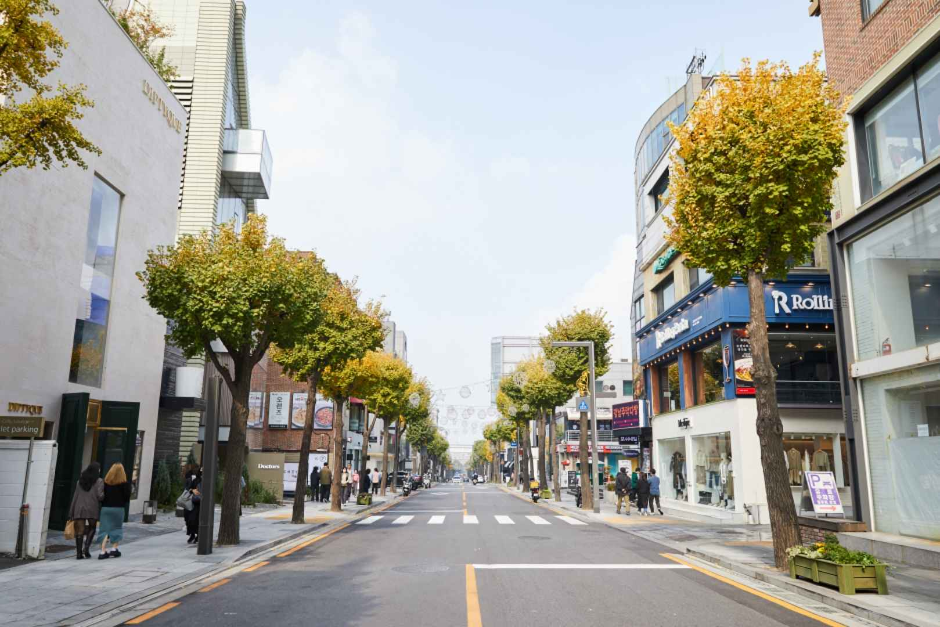
The ginkgo tree-lined street (Sinsa-dong Garosu-gil) that runs from Sinsa Station (Subway Line 3) to Hyeondae High School is a popular, upscale street in Seoul. The street (also known as ‘artists' street’) has an eccentric flair thanks to its variety of charmingly decorated coffee shops, and designer stores. Garosu-gil is particularly popular in autumn when the golden ginkgo leaves begin to fall. Furthermore, with continous popularity, it has become one of the most attractive film locations in the city.
Buvette Main Branch (부베트 본점)
5.9Km 2025-12-02
854 Nonhyeon-ro, Gangnam-gu, Seoul
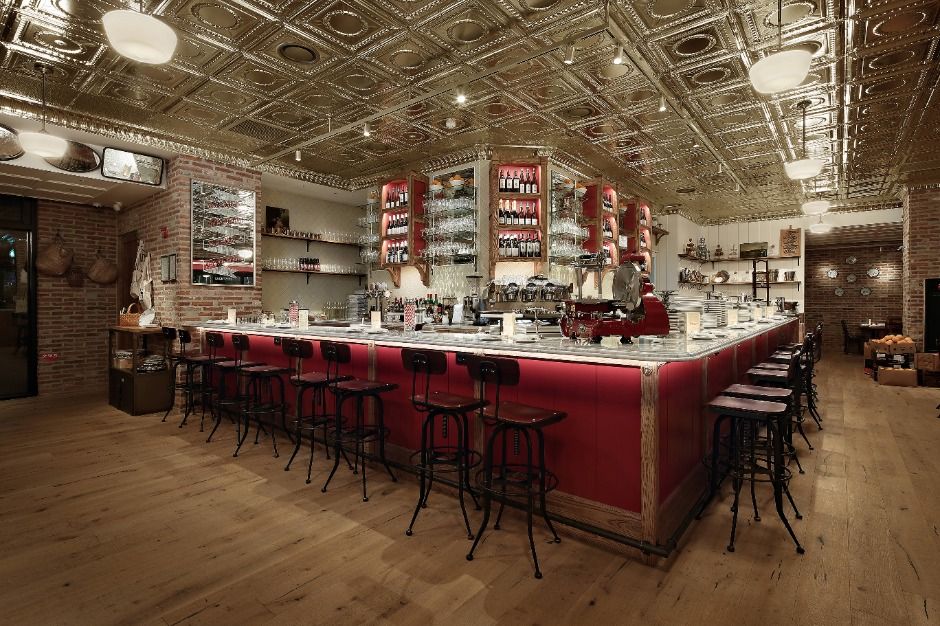
Located in Gangnam, Buvette is a French Gastrotheque where one can enjoy stories and aesthetics of European-style antiques. The place offers heartwarming home-style meals that have been passed down through generations. Early morning coffee and breakfast, lunch with friends, dinner with family, and after-meal cocktails are all possible at Buvette, where delicious food and a lively atmosphere come together to suit a variety of lifestyles. It also has an outdoor terrace that sets the perfect atmosphere for a glass of wine or champagne and is particularly popular among the younger generation. Its signature menu items include of sole meunière, French onion soup, and chorizo oil pasta. The place is easy to find as it is located in a commercial building on the first floor of Andaz Hotel in Apgujeong.
BF Life Sciences Co., Ltd ((주) 비에프생명과학)
5.9Km 2025-10-23
(#1, 5th Floor), 10 Nonhyeon-ro 163-gil, Gangnam-gu, Seoul
BF Life Sciences is a leading company in the international medical cooperation business, specializing in hospital management support, advanced medical services, and research and development. We are at the forefront of next-generation biotechnology, including advanced genome decoding technology and stem cell research, driving innovation in the development of medical devices, pharmaceuticals, cosmetics, and health supplements. Additionally, BF Life Sciences is a global healthcare group providing customized theranostics through collaborations with both domestic and international medical institutions.
Leveraging our expertise in hospital management, we operates overseas branches and hospitals, leading the export of medical services and devices while also conducting various educational programs. BF Life Sciences is registered and licensed with agencies such as the Korea Trade-Investment Promotion Agency (KOTRA), the Ministry of Health and Welfare, and the Korea Food and Drug Administration, ensuring transparent business practices.
Golden Blue Marina (골든블루마리나)
5.9Km 2025-10-27
2085-14 Olympic-daero, Seocho-gu, Seoul
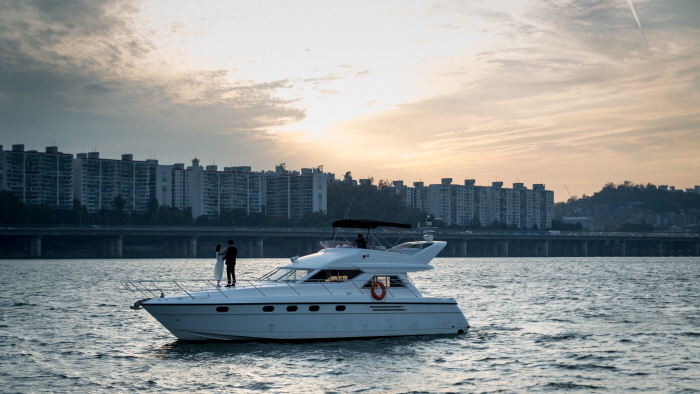
Golden Blue Marina, located on Some Sevit, is a cultural destination on the water, offering a unique way to enjoy views of Seoul along the Hangang River. This popular spot for parties and proposals helps you cruise through the city on a luxury yacht, creating a private retreat. In the evening, you can see the N Seoul Tower and the Rainbow Fountain illuminated by 200 lights, making it feel like you’re floating through the Milky Way.
◎ Travel information to meet Hallyu’s charm - variety show "Entertainment Weekly"
This is where the members of TWICE enjoyed a fall sports day at Banpo Hangang Park during their appearance on "Entertainment Weekly." The losing team rode a pedal boat, while the winners celebrated with a yacht ride, creating fun and memorable moments.
 English
 한국어
한국어 日本語
日本語 中文(简体)
 Deutsch
 Français
 Español
 Русский


