
Riz Laser Center (리즈산부인과)
6.2Km 2025-10-23
(3th-4th Floors, Gyeongseo Building), 127 Dosan-daero, Gangnam-gu, Seoul
We are the first hospital to use lasers in female genital plastic surgery, naming it "Laser Vaginoplasty" and introducing it to the Korean obstetrics and gynecology community.
Our practice encompasses a wide range of procedures, including vaginoplasty, labiaplasty, vaginal tightening, hymenorrhaphy, and treatments of gynecologic disorders and sexually transmitted diseases, and cancer.
As a surgery center with equipment tailored to various needs of customers, we pride ourselves on our state-of-the-art surgical system, which cannot be found in other Korean obstetrics and gynecology clinics. In addition, we have an advanced network system to provide expert medical care to patients at all centers in the Riz’ obstetrics and gynecology network through our attending and referred systems for laser female plastic surgery.
Seoul Color Park (서울색공원)
6.2Km 2021-06-23
330, Yeouidong-ro, Yeongdeungpo-gu, Seoul
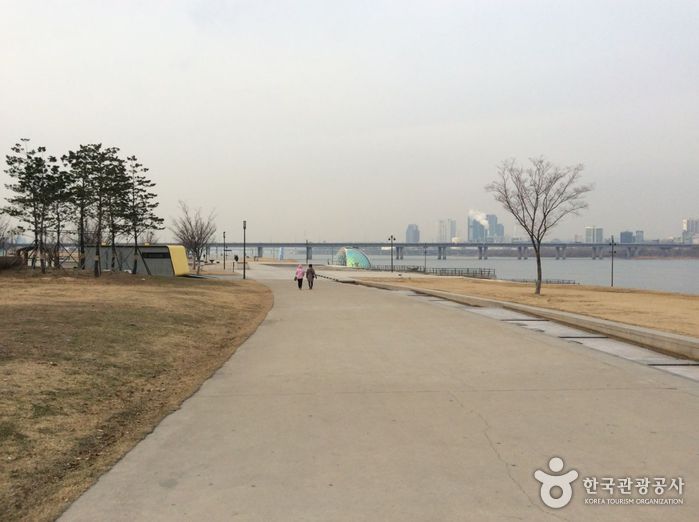
The Seoul Color Park spans over 9,000 ㎡ of land next to the Hangang River under Mapodaegyo Bridge. It features a large wave-shaped sculpture, as well as bar code graphics and benches painted with 10 different colors that have been designed as the Colors of Seoul. The streetscape is designed with images and Colors of Seoul that includes “Dancheong” red, “Kkotdam” red brown, “Namsan” green and more. Sculptures and art works using the Colors of Seoul can also be seen at Seoul Museum of Art and Seoul History Museum.
BIOFACE CLINIC (비오페이스의원)
6.3Km 2025-11-21
10th Floor, Human Tower, 605 Gangnam-daero, Seocho-gu, Seoul
BIOFACE Clinic is a dermatology clinic located in Sinsa, Seoul.
We specialize in non-surgical anti-aging treatments such as skin tightening, lifting, body contouring, and skin boosters.
Our medical team provides personalized care based on extensive clinical experience and advanced equipment.
Signature treatments include Ultherapy, InMode, Onda, Potenza, Rejuran, and Stem Cell Boosters.
BIOFACE Clinic offers professional consultation and systematic aftercare for both local and international patients.
Deesse Plastic Surgery (청담여신성형외과의원)
6.3Km 2025-10-29
(14th-15th Floors, Nonhyeon-dong), 108 Dosan-daero, Gangnam-gu, Seoul
Deesse Plastic Surgery provides the highest level of medical care in Korea in the fields of lip plastic surgery, rhinoplasty, facial bone contouring, face-lift, and eyelid surgery. Many foreign patients are visiting us after hearing about our reputation. In order to provide high-quality medical services to foreign patients, we have interpretation coordinators available for Japanese, Chinese, Thai, and other languages on site. Also, we constantly strive to improve the quality of medical services to ensure the best experience for international patients. As a result, the hospital is rapidly gaining recognition by people around the world interested in receiving plastic surgery in Korea, and the results have been remarkable and foreign customers who visited our hospital showed high satisfaction. Our efforts have been rewarded in 2023 as we were designated by the Ministry of Justice for excellent medical tourism.
Trinity Women's Clinic (트리니티여성의원)
6.3Km 2025-10-23
3F, 108 Dosan-daero, Gangnam-gu, Seoul
Trinity Women’s Clinic provides the best medical service for women suffering from health issues unique to women, such as vaginitis, fibroids, and menopause.
The clinic aims to enhance patients’ quality of life through accurate and safe treatments. It aspires to become a reliable clinic that treats both women's minds and bodies. The clinic focuses on women's health and uterine treatments. At the same time, it guarantees optimum outcomes realized through its proven facilities, equipment, and safe medical environment.
Through continuous technological development and acquiring new medical knowledge, Trinity Women’s Clinic offers innovative treatments, including HIFU procedures, to improve patient health.
Ruby Plastic Surgery Clinic (루비성형외과의원)
6.3Km 2025-10-23
9th-10th Floors, Lex Tower, 108 Dosan-daero, Gangnam-gu, Seoul
Ruby Plastic Surgery, located at Sinsa Station in Gangnam, is a premium medical institution where board-certified specialists in plastic surgery and dermatology collaborate to provide personalized beauty solutions. We offer a comprehensive range of treatments including eyes, nose, facelift, facial contouring, body contouring, body lift, skin lifting, and skin rejuvenation. With extensive experience in serving international patients, we ensure safety, state-of-the-art equipment, and a systematic post-care program. Prioritizing patient satisfaction and natural results, we deliver medical services at a truly global standard.
CAOLION Cosmetics (카오리온)
6.3Km 2025-01-06
8, Apgujeong-ro 50-gil, Gangnam-gu, Seoul
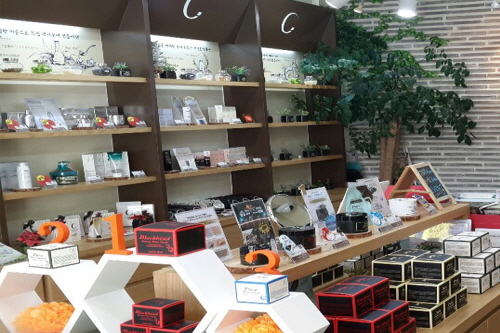
Established in 1995, CAOLION Cosmetics has been making hypoallergenic cosmetics for sensitive skin for 18 years.
The company launched natural cosmetics for the first time with a 3-free principle: pigment-free, fragrance-free, and alcohol free. At the present, the company has developed products that are exclude up to 17 adverse ingredients such as preservatives and mineral fibers.
CAOLION was the first Korean brand to enter into LVMH (Louis Vuitton Monët Hennessy)
Group's global cosmetics retail chain SEPHORA after being recognized as a quality natural cosmetic product for senstive skin after over two years of quality control. It is loyal customers as well.
Runner Station at Yeouinaru Station (여의나루역 러너스테이션)
6.3Km 2025-11-06
343 Yeouidong-ro, Yeongdeungpo-gu, Seoul
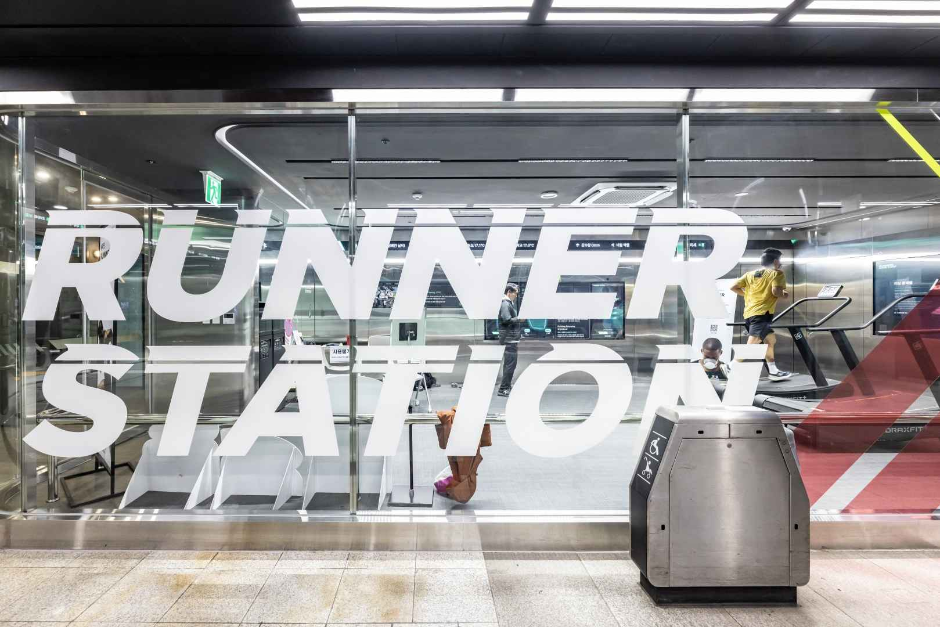
With Seoul’s skyscrapers and the scenic Hangang River, Yeouido has become the top destination for Korean runners. In response to the growing popularity of running along the Hangang among the MZ generation, Yeouinaru Station introduced Runner Station, equipped with essentials like lockers and media boards displaying popular running routes. Wrap up your day with a refreshing run in Yeouido.
ID Hospital (아이디병원)
6.3Km 2025-10-23
142 Dosan-daero, Gangnam-gu, Seoul
ID Hospital offers innovative medical services and one-stop solutions, delivering value that is more than just beauty. A plastic surgery clinic comparable to a large hospital, ID Hospital ensures safe, personalized treatments with cutting-edge technology and world-class expertise.
From facial contouring to Mommy Makeover, the clinic creates harmonious transformations that enhance patient's natural beauty and confidence.
ID Clinic (Sinsa Branch) (아이디의원(신사점))
6.3Km 2025-10-23
6F, 142 Dosan-daero, Gangnam-gu, Seoul
ID Cosmedical Group, consisting of ID Plastic Surgery and ID Dermatology, has launched a beauty clinic brand with a new concept that combines its extensive expertise and experience.
Based on its high-quality medical services, ID Clinic offers personalized beauty solutions with exceptional convenience at reasonable costs.
 English
 한국어
한국어 日本語
日本語 中文(简体)
 Deutsch
 Français
 Español
 Русский


