
Korea Medical Institute KMI Yeouido Clinic ((재)한국의학연구소 케이엠아이여의도의원)
7.0Km 2025-10-23
13F-15F & 17F-18F, 24 Gukjegeumyung-ro 2-gil, Yeongdeungpo-gu, Seoul
Korea Medical Institute (KMI), a leader in 'K-health checkups,' operates health checkup centers across eight locations nationwide, from Seoul to Jeju. KMI has been striving to prevent and detect diseases early. It has led the popularization of comprehensive medical examinations in Korea. Based on 39 years of accumulated data and expertise, KMI has enhanced its capabilities in health checkups, services, and brand value.
By utilizing its diagnostic data accumulated over the years, KMI provides accurate test results and follow-up care promptly.
KMI will stay committed to becoming a lifetime health management partner and 'K-health checkup' leader by leveraging its excellence in Korean medicine, beyond health checkups for foreign patients.
Amore Seongsu (아모레 성수)
7.0Km 2024-01-05
7 Achasan-ro 11-gil, Seongdong-gu, Seoul
Amore Seongsu is an experiential store presented by the cosmetics brand Amorepacific Corporation. The building was renovated from an old car repair shop and presents a unique vibe. Visitors can test products on their skin and purchase products from over 30 brands released by Amorepacific Corporation. Recommended items include the Puzzlewood Hand Cream and Vegan Brush, made using a vegan recipe and a certified-vegan. A pop-up store is operated every month in collaboration with brands from various fields worldwide, providing trendy and extraordinary experiences such as exhibitions and product testing.
Mangwon Market (망원시장)
7.0Km 2025-07-11
27 Poeun-ro 6-gil, Mapo-gu, Seoul
Mangwon Market is one of the representative traditional markets of Seoul. Its proximity to both Mangnidan Street and Hangang Park makes it a great place to do some shopping in preparation for a riverside picnic. The market isn’t very large, but it is packed with delicious treats. One can find classics like the deep-fried and braised chicken, braised pigs' feet, crispy deep-fried green chili pepper, and other snack fare there, along with stores offering food and lifestyle items for some browsing.
Modern Nulang Central City Branch (모던눌랑 센트럴시티점)
7.0Km 2025-12-02
205 Sapyeong-daero, Seocho-gu, Seoul
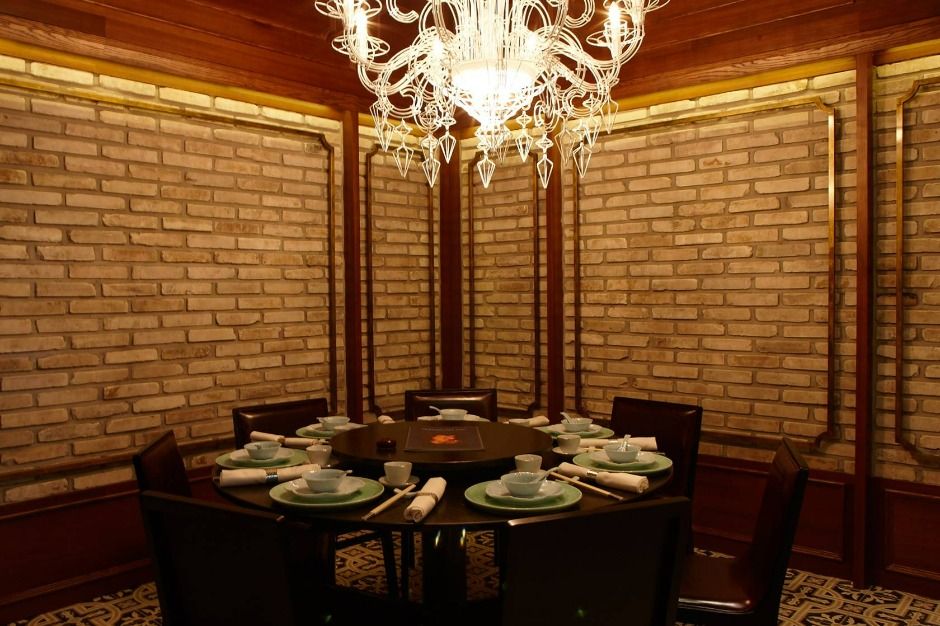
Setting a romantic and modern atmosphere, Modern Nulang is a Chinese restaurant inspired by the "New Woman" concept from Shanghai's modern history. The restaurant’s design reflects Shanghai’s modern culture in the 1930s, portraying itself as a place that sets trends and is frequented by intelligent, sophisticated women. Decorative elements like a train platform, murals, and antique décor are scattered throughout the space, capturing the aesthetic essence of that era. Even the food served here stays true to the concept, presented in an elegant and romantic fashion. Signature menu items include Modern Nulang Shanghai Roll Platter, Braised Pork Belly with Chinese Buns, and Mint Lime Shrimp.
Texas de Brazil Central City Branch (텍사스 데 브라질 센트럴시티점)
7.0Km 2025-12-02
205 Sapyeong-daero, Seocho-gu, Seoul
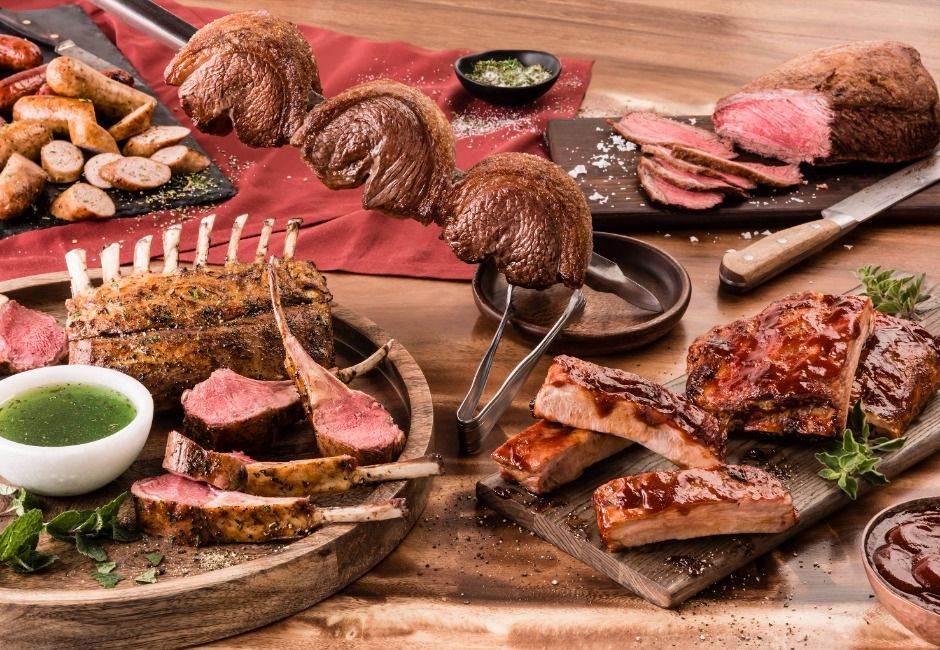
Located in Seocho-gu, Texas de Brazil Central City Branch offers 15 different types of churrasco—traditional Brazilian steak barbecue—and 50 varieties of Brazilian dishes. Churrasco refers to meat skewered on a 1.2-meter-long stick and grilled over hard charcoal, making it tender and juicy. The carver also comes to the guest’s table to slice—or "carve"—the meat portions according to the guest’s request. Not only is the food served here a treat for the palate, but for the eyes as well.
Chaum (차움의원)
7.0Km 2025-10-23
(2nd Floor, Pie'n Polus), 442 Dosan-daero, Gangnam-gu, Seoul
Founded in 1960, CHA Hospital has grown into a global medical institution, delivering high-quality care across 91 facilities in 7 countries, backed by over 60 years of medical expertise. Among its distinguished institutions is Chaum, a cutting-edge anti-aging and wellness center that integrates western medicine, oriental medicine, integrative medicine, and holistic approaches, including exercise prescription and food therapy, to promote optimal health.
At Chaum, we go beyond standard checkups. Unlike typical dermatology clinics, we offer advanced skin care solutions utilizing stem cell conditioned media. Our treatments focus on wrinkle prevention, enhancing skin hydration, and reducing melanin production, helping you maintain youthful, radiant skin.
Exprive (주식회사 엑스프리베)
7.1Km 2025-10-23
#705, 38 Ttukseom-ro 13-gil (Seongsu-dong 2-ga, Sangsang Planet), Seongdong-gu, Seoul
Exprive Medical is a certified international patient attraction agency that safely connects overseas patients with Korea’s high-quality medical services. Our main services include discovering and consulting with international patients, coordinating customized hospital connections, and providing interpretation and convenience support. Through personalized services tailored to each patient, we contribute to enhancing the value of Korea’s medical tourism.
Musinsa Standard Seongsu (무신사 스탠다드 성수)
7.1Km 2025-11-06
83 Yeonmujang-gil, Seongdong-gu, Seoul
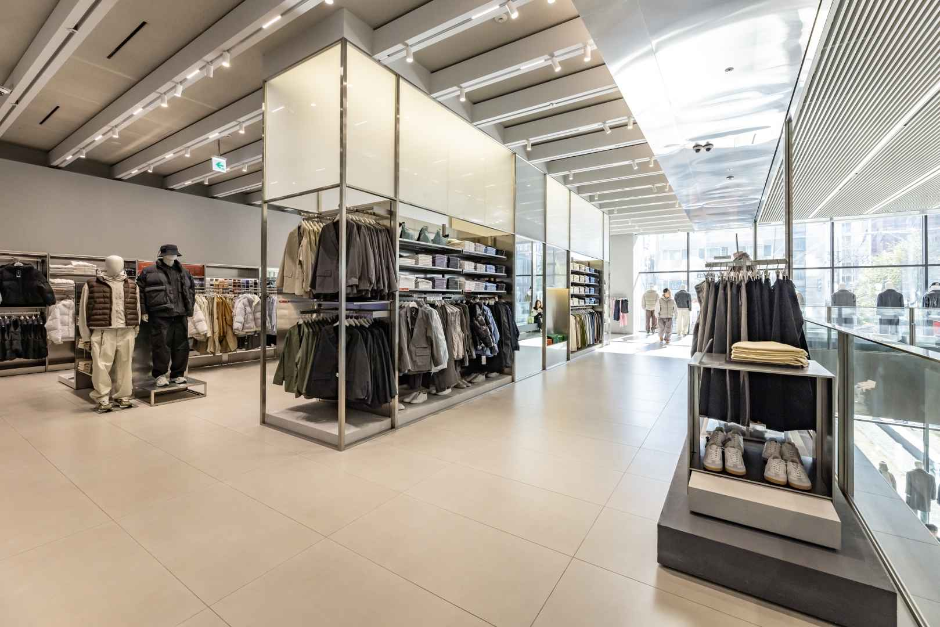
Located near Seongsu-dong Café Street, this is the physical store of the online editorial shop MUSINSA. The store offers affordable, high-quality clothing aimed at young adults in their 20s, with neutral colors and minimalist designs popular among Koreans. It’s also a favorite indoor date spot for couples, providing a quick overview of the latest fashion trends.
Park Ryu Sook Gallery (박여숙화랑)
7.1Km 2025-01-08
461, Apgujeong-ro, Gangnam-gu, Seoul
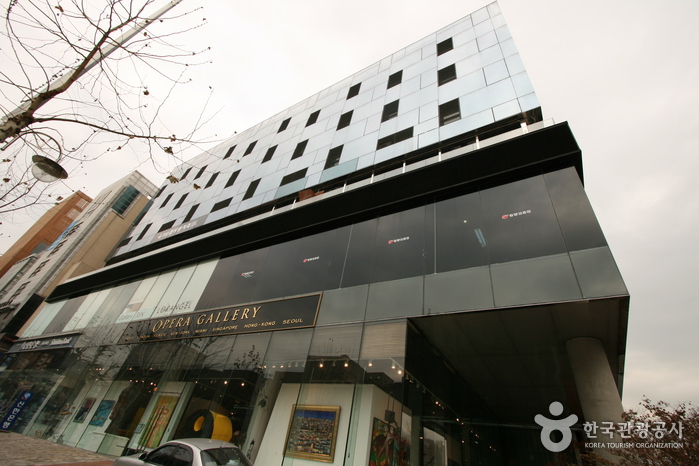
Soon after its opening in 1983, the Park Ryu Sook Gallery moved to Cheongdam-dong, an uncharted territory back in 1988. Ever since, the gallery has played a significant role in turning the region into one of the most representative art places in Korea. The Park Ryu Sook Gallery mainly deals with modern art, and contributes to the development of Korea's modern art scene by recruiting and supporting talented rookies in the field, and by introducing artwork of major modern artists from abroad. Moreover, the gallery works to promote Korean art worldwide by joining major art fairs such as the Chicago, Koln, and Basel art fairs.
Through these and similar activities, the Park Ryu Sook Gallery works to provide the public the invaluable opportunity to enjoy quality artwork, maximize their own creativity, and take a moment out of their hectic lives to indulge in a little self-reflection.
Cafe PLENO (카페쁠레노)
7.1Km 2025-11-06
724, Seolleung-ro, Gangnam-gu, Seoul
Actor Jang Keun-Suk
This cafe is run by actor Jang Keun-Suk, who is called the 'Asian Prince'. The white-style interior and plant decorations create a refreshing atmosphere, making you feel as if you are visiting a botanical garden. The flower decoration of Cafe PLENO changes according to the season and consists of flowers that can be enjoyed in that season. It is considered a good place to enjoy a quiet leisure time with excellent lighting as well as coffee taste. The drinks and dessert decorations are also great. Many Japanese tourists come to see Jang Keun-Suk, and a Japanese menu is also prepared.
 English
 한국어
한국어 日本語
日本語 中文(简体)
 Deutsch
 Français
 Español
 Русский


