Seoul Sajik Park (사직공원(서울))
1.7Km 2021-11-12
89, Sajik-ro, Jongno-gu, Seoul
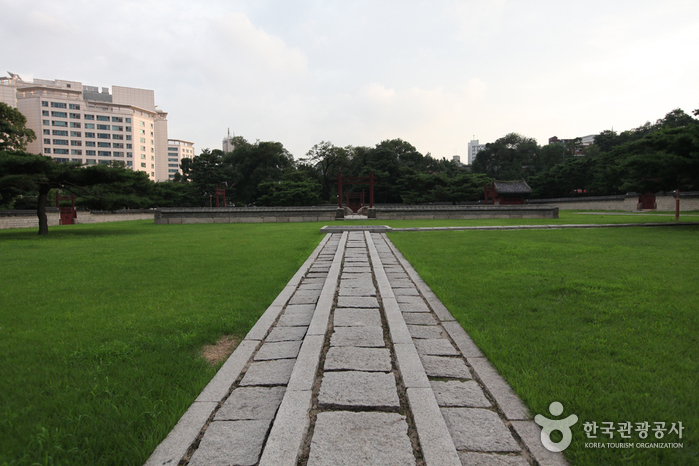
Sajik Park is one of the three most popular parks in Jongno-gu along with Tapgol Park and Samcheong Park. Located west of the Government Complex-Seoul on the southeastern foothills of Inwangsan Mountain, the park measures an impressive 188,710 m².
The name of the park dates back to 1395 when Taejo Yi Sung-gye made Sajik Altar (altar to the State deities) at the center of the park. "Sa" refers to the deity of the earth while "jik" refers to the deity of the five grains. Rites wishing for a good harvest were held regularly at Sajik Altar.
In the park are several playgrounds, statues of Sin Saimdang, Hwanghakjeong, and Yulkog Yi I, and the Municipal Children's Library. Dangun Shrine and Jongno Library are situated nearby. By following the path next to Sajik Park for approximately 5 minutes, travelers can reach the Inwangsan hiking path with relative ease.

Kansong Art Museum (간송미술관(서울 보화각))
1.7Km 2025-06-30
102-11 Seongbuk-ro, Seongbuk-gu, Seoul
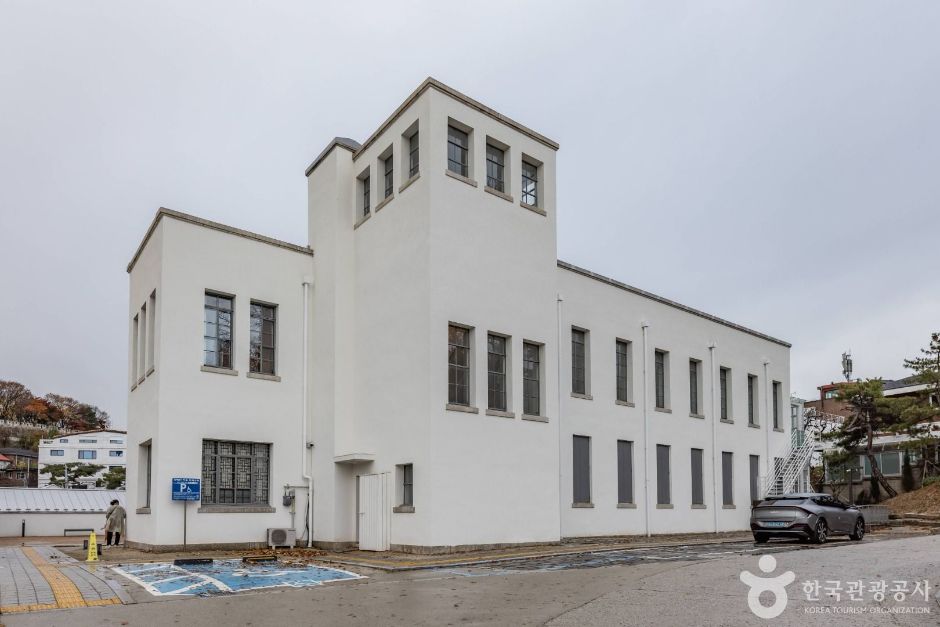
Kansong Art Museum was the first private art museum in Korea, opened as Bohwagak in 1938 by Kansong Jeon Hyeong-pil. The name was changed to the current Kansong Art Museum in 1966. Bohwagak was designated as National Registered Cultural Heritage No. 768 on December 30, 2019. Jeon Hyeong-pil dedicated his life to preserving and researching Korea’s representative relics that were devaluated and purposefully obliterated during the Japanese colonial era, as well as to acknowledging their cultural excellence and beauty. The museum houses 11 national treasures and 24 treasures.
Seoul Metropolitan Library (서울도서관)
1.8Km 2022-12-14
110, Sejong-daero, Jung-gu, Seoul
Seoul Library provides access to a wide range of documents and materials about Seoul Metropolitan City. Visitors will find diverse resources related to the city including history, culture, urban planning, transportation, environmental issues, administration, reports on outbound visitors, research documents, video clips, and e-data.
Doosan Art Center (두산아트센터)
1.8Km 2021-11-01
15, Jong-ro 33-gil, Jongno-gu, Seoul
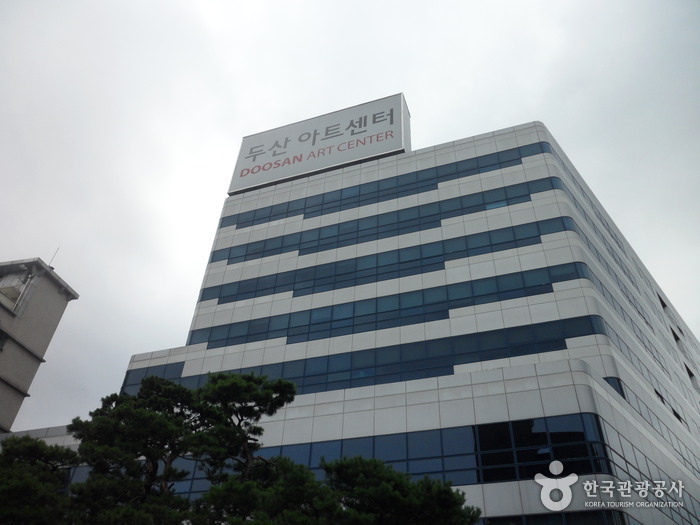
Doosan Art Center, which opened on October 1, 2007, is structured around three different spaces: The Yonkang Hall, exclusively designed for musical performances, Space 111, a “space for art incubation,” and the Doosan Gallery, built for installations.
The Yongang Hall, a theater with 620-person seating capacity, has specially designed lightings and a world-class audio-visual system to provide a second-to-none sensory experience.
Space 111 can accommodate a broad range of performing arts, from theater and dance to film and music concerts. The Doosan Gallery is open to the public, and art exhibitions and performances here can be enjoyed free of charge.
All three theaters include spacious lobbies with handicapped access, designated seating for parents with infants, and meeting areas. Rest rooms are also available nearby, in order to avoid long queues and long walks during intermission.
 English
 한국어
한국어 日本語
日本語 中文(简体)
 Deutsch
 Français
 Español
 Русский


