![Coco Pharmacy [Tax Refund Shop] (코코약국)](http://tong.visitkorea.or.kr/cms/resource/91/2878591_image2_1.jpg)

Lemon Mart - Myeong-dong Branch [Tax Refund Shop] (레몬마트 명동)
1.8Km 2024-04-17
1F, 45, Myeongdong 9-gil, Jung-gu, Seoul
-
Uke. Zamezip (육회자매집)
1.8Km 2023-12-22
200-4 Jong-ro, Jongno-gu, Seoul
This restaurant is located in a corner of Gwangjang Market's alley, and its main menu is Yukhoe/Beef Tartare (raw beef made by cutting small pieces of beef with various seasonings). The lightness of raw meat, which cannot be found in grilled meat, and the harmony with the seasoning are impressive. If you eat it with egg yolk, sprouts, and pears served together, you can feel the depth of the true taste of raw meat. If you want to try something a little more Korean-style, try 'Yuktangi,' which comes with Tangtangi (a dish made by pounding wild octopus on a cutting board and cutting it into pieces) and Yukhoe. However, the octopus Yuktangi moves around when the food is served, so you must be careful.
Banhadang (반하당)
1.8Km 2024-02-15
36 Seongbuk-ro 5-gil, Seongbuk-gu, Seoul
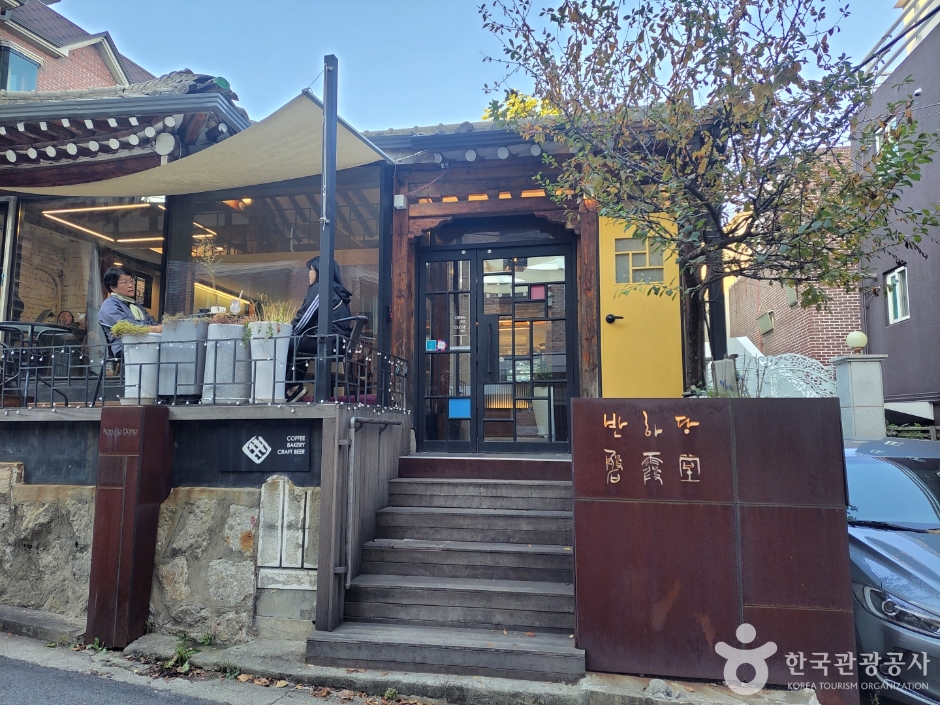
Banhadang is a café located 20 minutes from the UNESCO World Heritage site Changdeokgung Palace. Renovated from a hanok, it preserves the charm of hanok with open spaces, leaving only the pillars of the original structure. The signature menu includes a Strawberry latte made with homemade strawberry syrup and milk. During the summer season, the jeontong pat bingsu (traditional shaved ice with red beans), made with domestically sourced jujube and red bean, is also popular.
Buchon Yukhoe (부촌육회)
1.8Km 2024-03-04
200-12 Jong-ro, Jongno-gu, Seoul
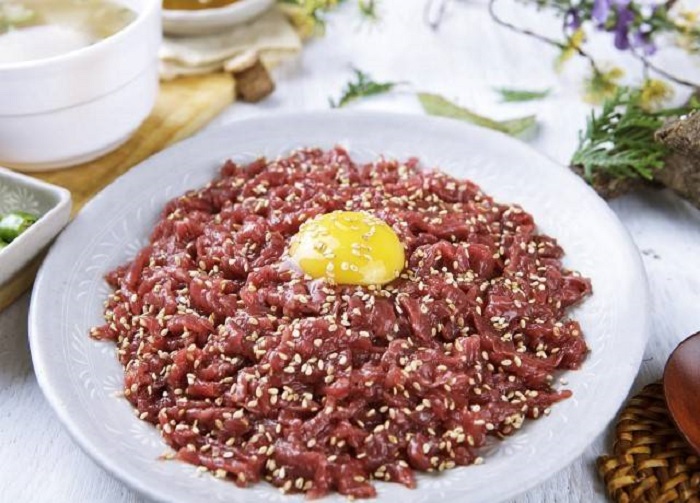
Buchon Yukhoe is a renowned restaurant located in Gwangjang Market's Beef Tartare Street, selected by the Michelin Guide in 2023. It specializes in yukhoe (beef tartare), a Korean-style raw beef dish marinated with sesame oil and pear. The restaurant uses fresh Korean beef supplied daily, ensuring a delightful and nutty flavor. The simple seasoning enhances the natural taste of the ingredients, and the yolk-topped yukhoe adds visual appeal to the dish.
Gwangjang Market (광장시장)
1.8Km 2024-07-08
88, Changgyeonggung-ro, Jongno-gu, Seoul
+82-2-2267-0291
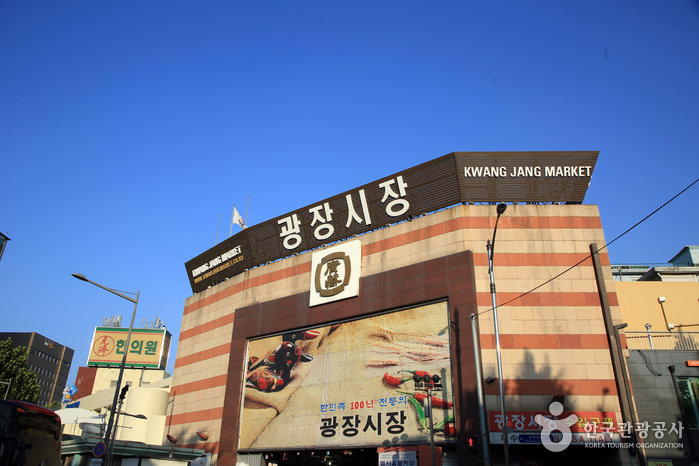
Gwangjang Market was the first permanent market in Korea and continues to thrive as a popular tourist destination today. The name Gwangjang means "to gather from afar and keep altogether." The market began as a small trading center that brought in goods from nearby regions, but has now grown into a large wholesale market selling a variety of goods, including upholstery, imported goods, groceries, dried fish, traditional goods, and more. The most popular section of the market is the food street connected to the East Gate, North Gate 2, and South Gate 1. The food street caters to a wide range of patrons due to the plethora of menus available. It is also one of the most recommended tourist attraction for international travelers.
Seoul Metropolitan Library (서울도서관)
1.8Km 2022-12-14
110, Sejong-daero, Jung-gu, Seoul
+82-2-2133-0300
Seoul Library provides access to a wide range of documents and materials about Seoul Metropolitan City. Visitors will find diverse resources related to the city including history, culture, urban planning, transportation, environmental issues, administration, reports on outbound visitors, research documents, video clips, and e-data.
Choi Sunu House (최순우 옛집)
1.8Km 2021-12-21
9, Seongbuk-ro 15-gil, Seongbuk-gu, Seoul
+82-2-3675-3401
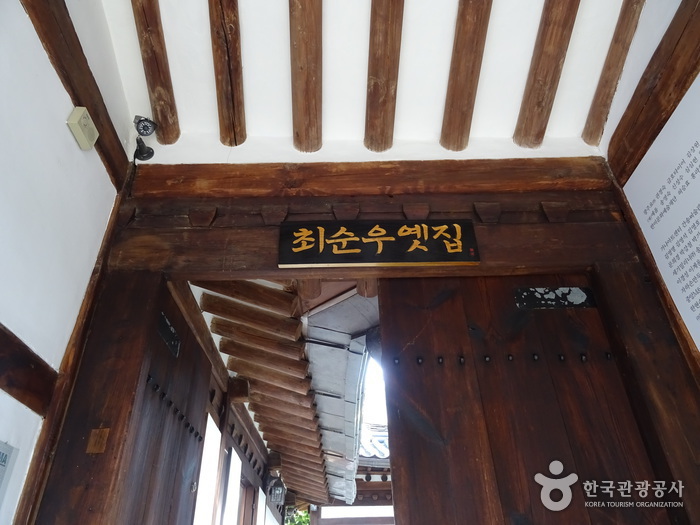
The Choi Sunu House is the old residence of Hyegok Choi Sunu (1916-1984), who lived in this house from 1976 until the day he passed away. The house is designated as Korea’s Registered Cultural Property. Choi Sunu was a leading art historian who served as the director of the National Museum of Korea. He devoted his life to rediscovering the beauty of Korean art and made many academic accomplishments in the areas of Korean ceramics, traditional woodcraft, and the history of painting.
The house has been open to the public as the Hyegok Choi Sunu Memorial Hall since 2004. The memorial hall displays Choi Sunu’s relics as a permanent exhibition and holds special exhibitions in the fall as well as cultural programs every spring and fall.
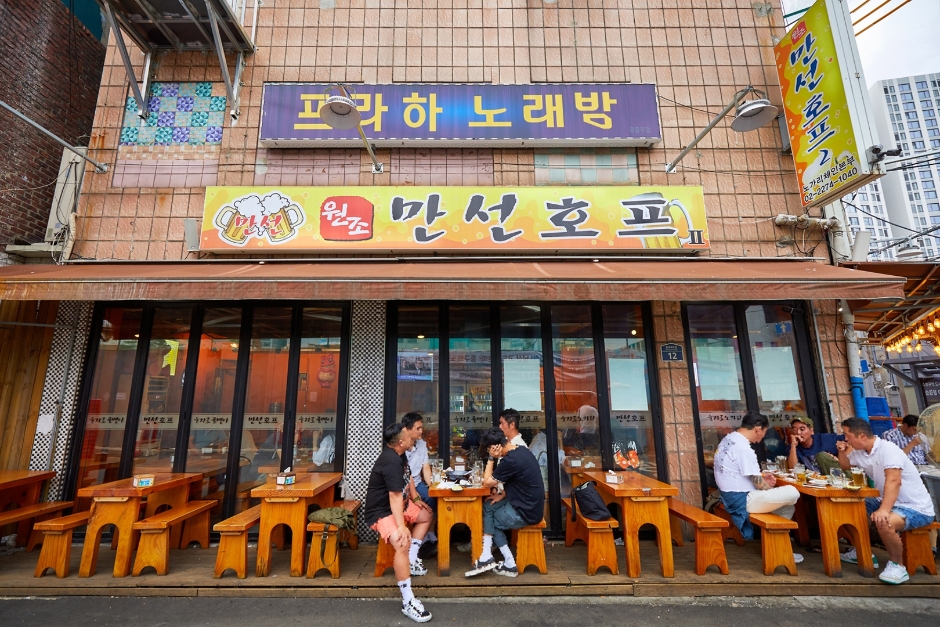
Euljiro Nogari Alley (을지로 노가리골목)
1.8Km 2025-11-06
Eulji-ro 129, Jung-gu, Seoul
Going out of Exit 3 of Euljiro 3-ga Station on Seoul Metro Line 3 and turning to the alley, you will find many pubs selling Nogari/Dried Young Pollack (Korean people grill and dip it in red pepper paste to eat as a side dish with alcohol) and restaurants specializing in Golbaengi/Sea Snails (It is a kind of conch shell, and Korea people made it a seasoned dish and enjoy it with Somyeon/Thin Noodles or use it as a bar sack). People gather in small groups at every outdoor table and sit in every alley to enjoy beer and snacks on weekday evenings and weekends, so it isn't easy to find a seat.
Originally, this area was lined with various company buildings and shops selling tools. However, in 1980, the pub 'Eulji OB Bear' opened, and as similar pubs opened nearby, it naturally came to be called 'Euljiro Nogari Alley.' As the affordable prices of snacks and beer attracted nearby office workers and college students, it has become increasingly popular, leading to its current status.
Here, along with a cold draft beer, let's try the K-snacks only available in Korea, such as Nogari/Dried Young Pollack and Golbaengi/Sea Snails. In addition, snacks such as chicken and fried dishes are also available, so try various snacks.
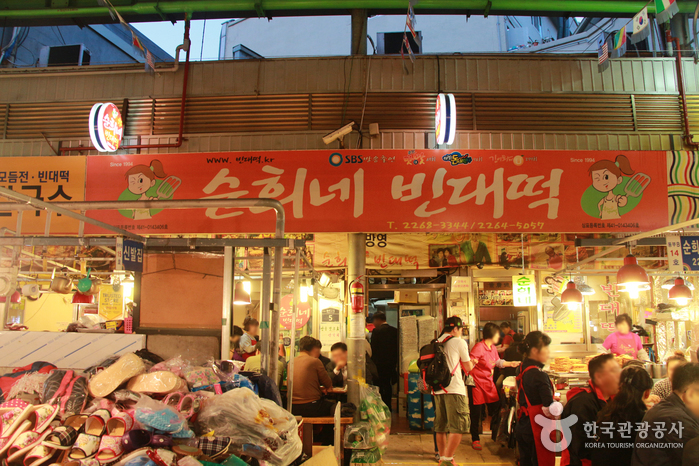
Soonheenae Bindaetteok (순희네빈대떡)
1.8Km 2024-03-20
5 Jong-ro 32-gil, Jongno-gu, Seoul
+82-2-2264-5057
Soonheenae Bindaetteok is a stall located in Gwangjang Market known for its mung bean pancakes and meatballs. Bindaetteok (mung bean pancake) is a dish made by grinding mung beans and mixing them with kimchi, bracken, and ground pork, then flattening and frying the mixture. Here, they grind mung beans on a millstone and fry the bindaetteok on the spot, resulting in a crispy and savory taste. The secret soy sauce dip complements the bindaetteok perfectly. Situated within the traditional market, the atmosphere is lively.
 English
 한국어
한국어 日本語
日本語 中文(简体)
 Deutsch
 Français
 Español
 Русский


