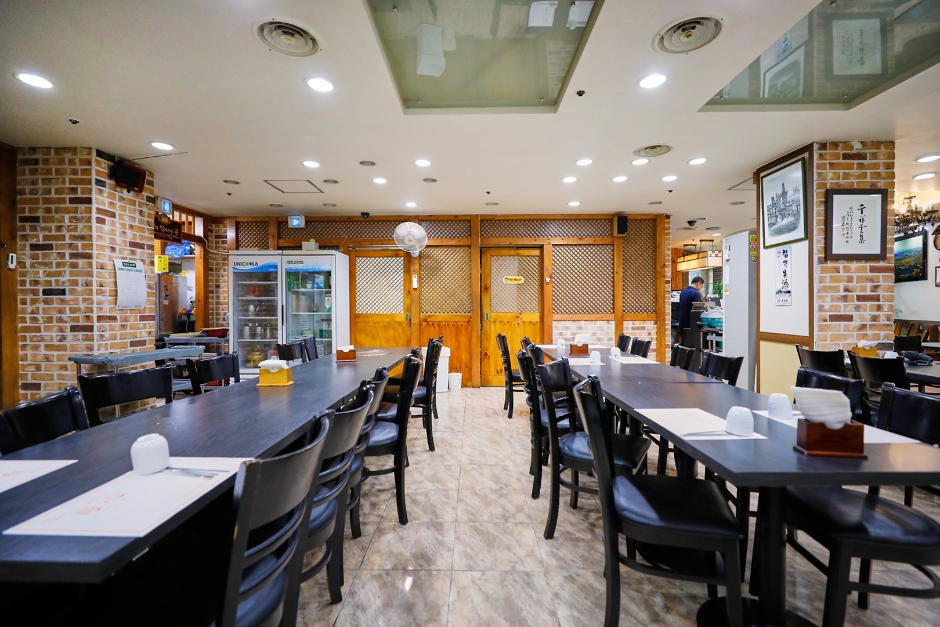
Mosim (모심)
4.1Km 2025-05-20
8 Gaeunsa-gil, Seongbuk-gu, Seoul
Mosim is a Korean table d’hote restaurant that offers a variety of menus to choose from depending on the kind of dishes and the number of side dishes. The set menu, which includes main dishes, such as hwangtae gui (grilled dried pollack) and galbitang (galbi soup), and side dishes, such as salad, japchae, and seasoned vegetables, is plentiful in amount and variety enough to fill the table. There are menu items that can be enjoyed individually, such as samgyetang, bibimbap, and yukgaejang (spicy beef soup). The restaurant’s menu comprises nutritious dishes that soothe one's tired mind and body. The restaurant has private rooms that can accommodate 4, 8, 12, 16, 20, 24, and 30 people, so it is a good option for guests seeking a quiet meal with the family or group gatherings.
![Lindapick [Korea Quality] / 린다픽 [한국관광 품질인증]](http://tong.visitkorea.or.kr/cms/resource/10/2803310_image2_1.jpg)
Lindapick [Korea Quality] / 린다픽 [한국관광 품질인증]
4.2Km 2024-10-30
26-5, Itaewon-ro 23-gil, Yongsan-gu, Seoul
+82-507-1326-4206
Lindapick is a guesthouse located a five-minute walk from Itaewon Station (line 6). The host of this new guesthouse, open in May 2021, prioritizes cleanliness by washing bedding and disinfect the whole place every time a guest leaves. The CCTVs that are installed outside and at the shared inner space are operated around the clock, strengthening the security. The light-lemon-color exterior walls of the accommodation and the muted-colored rooms are in harmony, forming a fresh and calm atmosphere. The room that can accommodate two persons shows how the host is considerate. A 100% natural aroma diffuser emits peppermint scent that makes guest unwind, and the lavender scent lets guests sleep tight. The kitchen with a refrigerator and a microwave oven is where you can cook a simple dishes, and the air purifier and the washing machine let you enjoy a fresher rest. From the entrance to the room, there is a garden that is decorated as an outdoor terrace, where you can have a leisurely time sunning yourself.

Seodaemun Museum of Natural History (서대문자연사박물관)
4.3Km 2021-07-02
51, Yeonhui-ro 32-gil, Seodaemun-gu, Seoul
+82-2-330-8899
Nestled at the foothills of Ansan Mountain, a natural resting area in the city, Seodaemun Museum of Natural History is the first natural history museum in the nation to be established by a government agency. Opened on July 10, 2003, the museum offers various opportunities to experience and learn about the environment. It also provides the chance to interact with animals and plants, teaching the value of life.
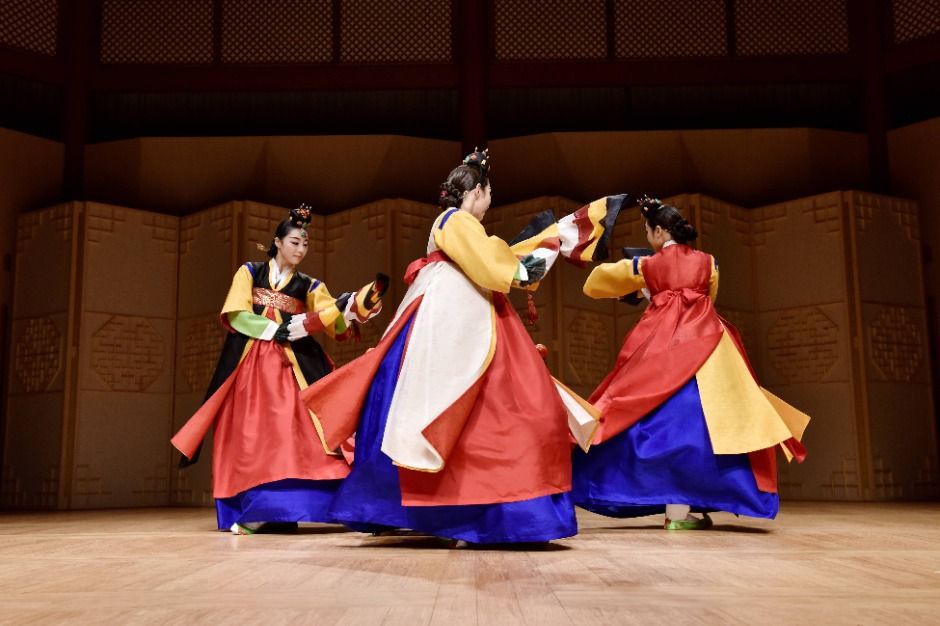
Jamunbak Cultural Festival (자문밖문화축제)
4.4Km 2025-10-23
5 Pyeongchang 31-gil, Jongno-gu, Seoul
+82-2-6365-1388
The Jamunbak Festival is a celebration of the artistic life of Seoulites. At the foot of Bukhansan Mountain, the festival features exhibitions, performances, forums, workshops, and field trips that bring together artists of different generations and citizens of Seoul—who have long led Korea’s artistic culture—to reflect on and propose new directions for their own artistic lives. The festival aims to create a platform where emerging artists experimenting with new aesthetics, mid-career artists who form the backbone of Korean art, collectors, critics, students, and the general public can all engage in dialogue together.
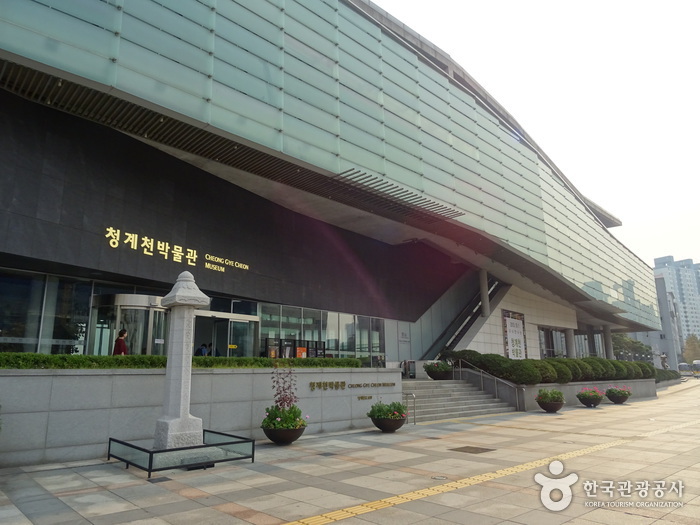
Cheonggyecheon Museum (청계천박물관)
4.4Km 2021-11-02
530, Cheonggyecheon-ro, Seongdong-gu, Seoul
+82-2-2286-3410
Cheonggyecheon Museum officially opened in October 2005. The museum’s long, glass exterior represents the flowing waters of Cheonggyecheon Stream, which runs through the heart of Seoul. The museum has a permanent exhibition hall, special exhibition hall, educational hall, and an auditorium. The museum contains visual representations of Seoul before and after the transition of Cheonggyecheon Stream. The permanent exhibition hall was remodeled in October 2015, and now offers even more ways to view the history of Seoul as shaped by Cheonggyecheon Stream.
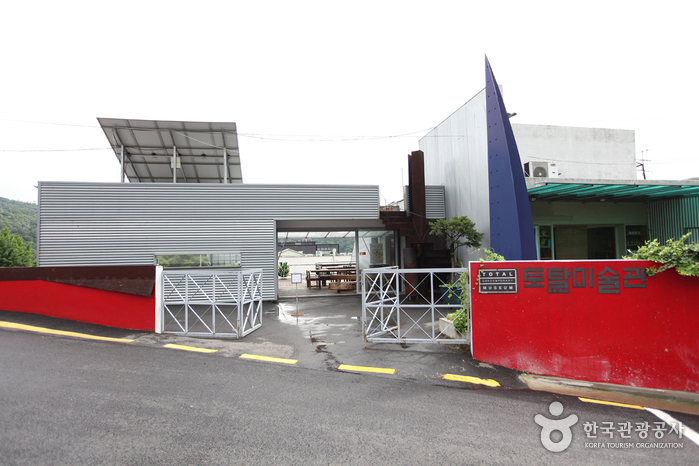
Total Museum (토탈미술관)
4.4Km 2022-07-22
8, Pyeongchang 32-gil, Jongno-gu, Seoul
+82-2-379-7037
The Total Museum is a branch of Jangheung Art Park (formerly “Total Outdoor Museum”) that opened near Bukhansan Mountain in April 1992. It houses facilities such as an art academy, library, art shop, and outdoor performance stage. In addition to exhibitions, the museum holds a variety of art and culture programs like musical concerts, events, lectures, and seminars. In particular, the members-only educational programs and gallery concerts provide a chance to enjoy high-quality cultural events.
Gana Art Center (가나아트센터)
4.4Km 2024-03-18
28 Pyeongchang 30-gil, Jongno-gu, Seoul
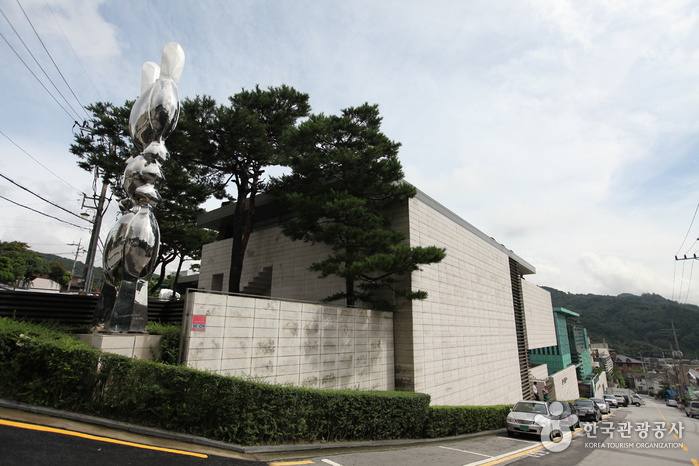
The Gana Art Center located at the foothills of Bukhansan Mountain has been showcasing more than 300 exhibitions since its opening in 1983. Through both national and international exhibitions, the Gana Art Center is a recognized gellery. With numerous fairs and exhibitions, Gana Art Center not only invite internationally known artists, but also promotes other forms of art, such as music, theater, mime, etc. Through their flexibility in promoting all art forms, the visitors will surely be able to find the theme of their interest.
Kervan Turkish Restaurant (케르반레스토랑)
4.4Km 2025-03-15
192 Itaewon-ro, Yongsan-gu, Seoul
Kervan is a Turkish restaurant located in Itaewon, offering authentic kebab, pidé, and Turkish desserts. It faithfully recreates the Turkish culture and food through its interior, decorated with traditional tiles, and dishes prepared by a chef from Türkiye. Main menus include Chicken steak, Rich pidé, and Chicken shish kebab.
Itaewon Shopping Street (이태원 쇼핑거리)
4.4Km 2025-03-29
Itaewon-dong, Yongsan-gu, Seoul
+82-2-797-7319
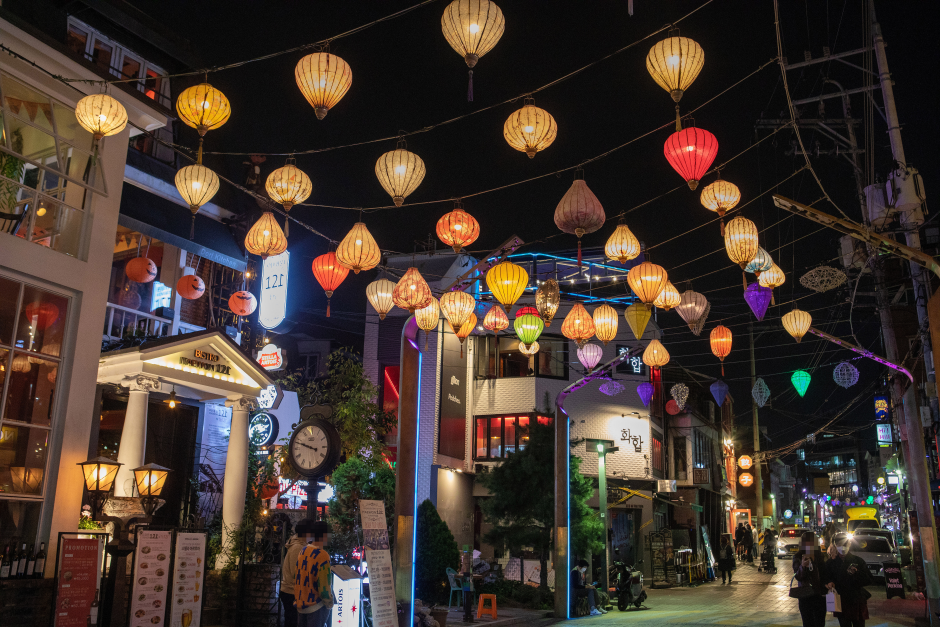
Itaewon Shopping Street is a 1.4-kilometer-long road located near Itaewon Station. There is an enormous variety of shops, entertainment venues, and restaurants lined along both sides of the street. As the neighborhood has a reputation as a mini melting pot in Seoul where languages other than Korean are widely spoken, it is one of the most visited places by international visitors. It has become a gateway for many international visitors to receive services and information on basic tourist needs such as accommodations, shopping, tourist attractions, and more.
Itaewon Special Tourist Zone (이태원 관광특구)
4.4Km 2024-11-27
196 Itaewon-ro, Yongsan-gu, Seoul
Itaewon was the first special tourist zone in Seoul, designated in 1997. It is a multicultural place where over 20,000 foreigners live and is widely recognized by international visitors.
The name Itaewon started to spread worldwide in the 1980s when Korea hosted the 1986 Seoul Asian Games and the 1988 Seoul Olympic Games, as well as many international conferences. Since then, Itaewon has become a popular travel destination. Clothes and accessories with unique designs, and leather products in particular are famous. This is a go-to place for both shopping and entertainment. The street is crowded with shops selling clothes and bags, as well as hotels, restaurants, entertainment facilities and travel agencies. With about 2,000 shops and stores lining every street, visitors can experience a multicultural atmosphere. Also famous in the district is Antique Furniture Street where more than 100 shops selling furniture and antiques stretch from Hamilton Hotel toward Bogwang-ro.
Travelers can taste authentic cuisine and experience culture from around the globe on World Food Street where there are 40 restaurants operated by foreigners. Since the late 1990s, an increase in the number of tourists from Southeast Asia and the Middle East has transformed the streets from being US Army-oriented into culturally diverse. Various performances and events are held in the area. In particular, Itaewon Global Village Festival, held every October, is a famous festival. Tourists can pay in US dollars, Japanese yen, or another currency freely. In addition, visitors can use various languages like English, Japanese, and Chinese with the sellers.
 English
 한국어
한국어 日本語
日本語 中文(简体)
 Deutsch
 Français
 Español
 Русский


