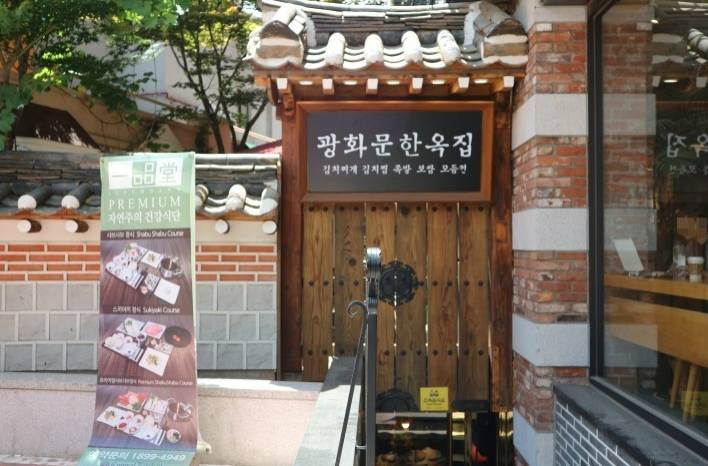
Gwanghwamun Hanokjip (광화문한옥집)
2.8Km 2024-10-15
7, Saemunanro5ga-gil, Jongro-gu, Seoul
+82-2-731-2500
A store with rooms reproducing a traditional kitchen. The best menu at this restaurant is napa wraps with pork. This is a Korean cuisine located in Gwanghwamun Gate, Seoul.
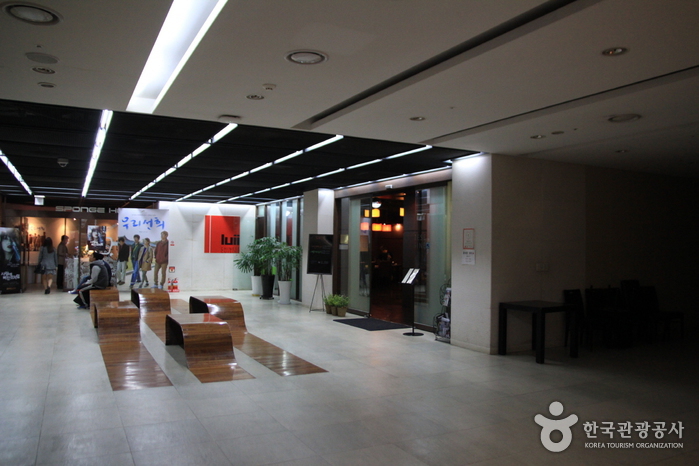
Luii (루이)
2.8Km 2024-07-17
40, Sejong-daero 21-gil, Jung-gu, Seoul
+82-2-736-8889
Luii is a Chinese restaurant operated by a veteran chef with extensive experience in Chinese cuisine. The restaurant has several rooms of different sizes to accommodate various events. It also has a VIP room for more private gatherings.
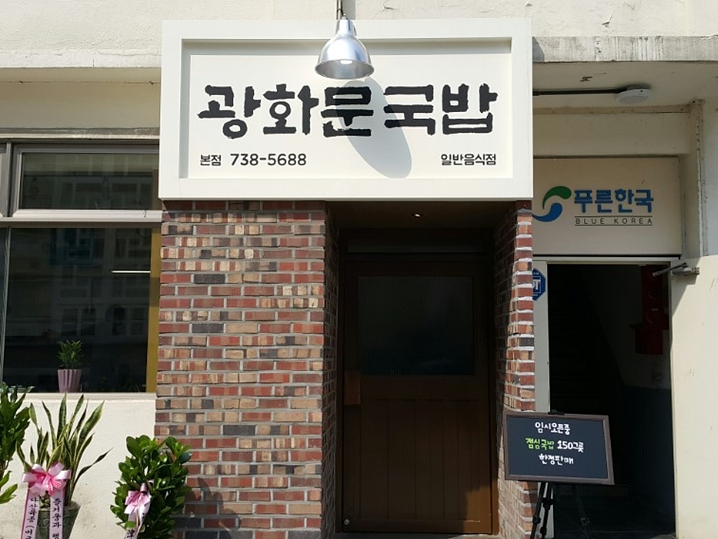
Gwanghwamun Gukbap (광화문국밥)
2.8Km 2024-06-19
53 Sejong-daero 21-gil, Jung-gu, Seoul
Gwanghwamun Gukbap is a dwaeji gukbap (pork and rice soup) restaurant operated by Chef Park Chanil. Its distinctive feature lies in using only black pork loin and shoulder to enhance the flavor. The signature dish is the dwaeji gukbap, which boasts a mild, clean, and deep flavor. In addition to that, they also offer dwaeji suyuk (boiled pork slices) and pisundae (sundae with pork blood). Known for its authentic taste of rice soup and rich broth, it's a popular destination for many.
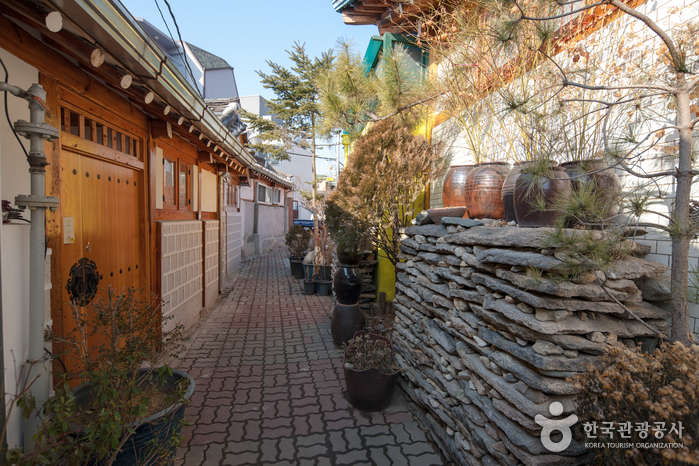
Seochon Village (서촌마을)
2.8Km 2024-12-02
45 Pirundae-ro, Jongno-gu, Seoul (Nuha-dong)
Seochon Village is the name given to the area to the west of Gyeongbokgung Palace. It is a historic village, home to old shops and hanok buildings that have stood the test of time. Korean traditions and contemporary sensibilities coexist within Seochon Village’s maze-like alleyways, creating the unique ambience that makes the district so beloved. One can find shops, guesthouses, cafés, and restaurants in the village.
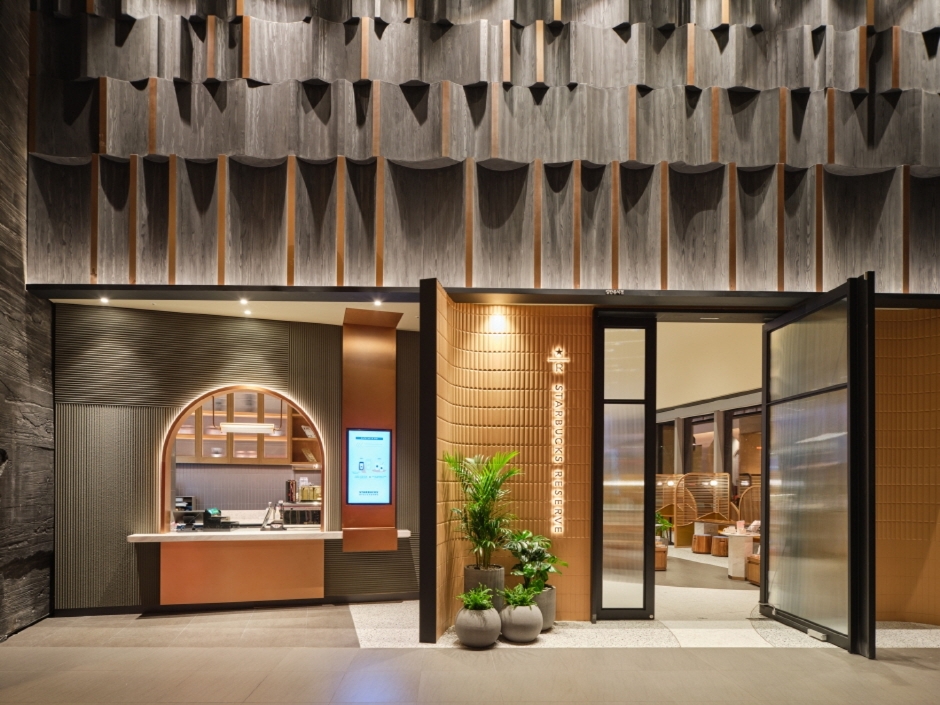
Starbucks Byuldabang (스타벅스 별다방)
2.8Km 2024-12-27
100 Toegye-ro, Jung-gu, Seoul
Byuldabang is a cozy space in the city, where the present and future of Starbucks coexist
Byuldabang is a special name. It combines the Korean words byul, which means stars, and dabang, which means a traditional space where people gather and talk over tea or drink. Byuldabang is the nickname Koreans generally use for Starbucks. Starbucks Byuldabang store opened in appreciation of customers of Starbucks Korea, celebrating its 22nd anniversary. This particular store is a Starbucks Reserve store with new concept food items, and is the first among Starbucks stores worldwide to have digital art wall decorations. The images projected to the art wall are “The Journey of Siren.” It is a surreal journey of Siren, who delivers coffee messages around the ocean, day and night. Customers love the story.

Ground Seesaw Seochon (그라운드시소 서촌)
2.8Km 2023-01-17
18-8, Jahamun-ro 6-gil, Jongno-gu, Seoul
Ground Seesaw is a cultural complex located in Seochon, Jongno presented by Media & Art, an exhibition production company, and designed by SoA, an architecture firm, and Loci Studio, a landscaping studio. Visitors are able to check out a variety of exhibits at Ground Seesaw Seochon.
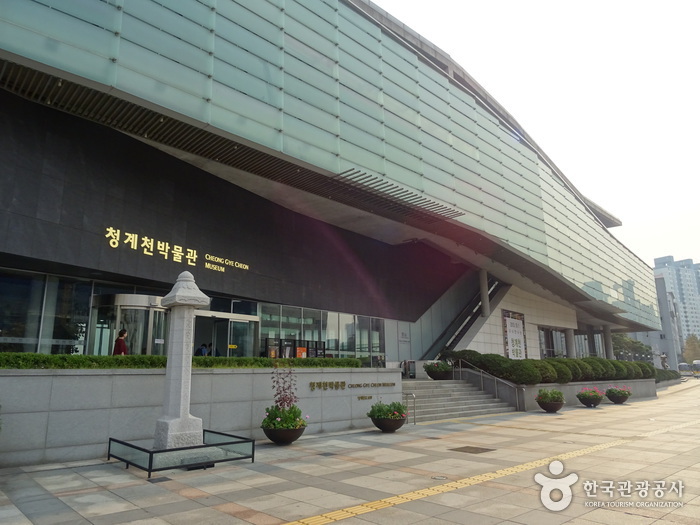
Cheonggyecheon Museum (청계천박물관)
2.8Km 2021-11-02
530, Cheonggyecheon-ro, Seongdong-gu, Seoul
+82-2-2286-3410
Cheonggyecheon Museum officially opened in October 2005. The museum’s long, glass exterior represents the flowing waters of Cheonggyecheon Stream, which runs through the heart of Seoul. The museum has a permanent exhibition hall, special exhibition hall, educational hall, and an auditorium. The museum contains visual representations of Seoul before and after the transition of Cheonggyecheon Stream. The permanent exhibition hall was remodeled in October 2015, and now offers even more ways to view the history of Seoul as shaped by Cheonggyecheon Stream.
Bank of Korea Money Museum (화폐박물관)
2.8Km 2024-03-18
39 Namdaemun-ro, Jung-gu, Seoul
This Renaissance-style three-story stone building is the museum of the Bank of Korea. The older Bank of Korea was established as the central bank of the Korean Empire in 1909 and has been designated as a National Historical Site. During the Japanese colonial period, the bank was renamed the Bank of Joseon, and the building was used as the main and head office of the Bank of Korea until 2001. The building has been used as the nation’s Money Museum since June 2001 in celebration of the 50th anniversary of the Bank of Korea. The museum has 13 exhibition rooms on two floors, with one basement floor and two above-ground floors. It holds special exhibitions of various currency and art collections to provide domestic and foreign visitors with the opportunity to enjoy the history and culture of currency. Visitors can learn about the Bank of Korea and the central banking system, as well as how to identify counterfeit notes and how money is produced and circulated. It is also a good place for children to learn about currencies from around the world. Advance reservations are required, and parking is not available. The museum can easily be reached via subway by getting off at Hoehyeon Station (Seoul Subway Line 4) and exiting through Exit 7.
Sejong Village Food Street (세종마을 음식문화거리)
2.9Km 2025-06-17
Chebu-dong, Jongno-gu, Seoul
Previously known as Geumcheongyo Market, it was officially named Sejong Village Food Street in 2011, as King Sejong was born in this village. The street is full of lively energy and features both long-standing restaurants, also known as nopo in Korean, and recently established trendy eateries. Its convenient location and inviting atmosphere make it a popular place to visit.
 English
 한국어
한국어 日本語
日本語 中文(简体)
 Deutsch
 Français
 Español
 Русский


