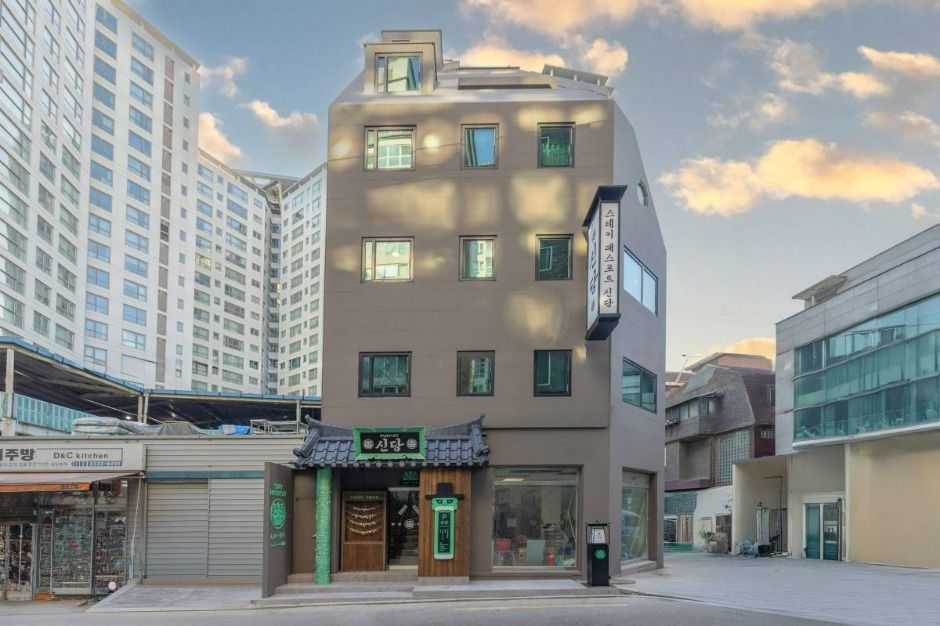
Stay Passport Sindang Ryokan (스테이 패스포트 신당 료칸)
6.6Km 2025-04-24
33 Nangye-ro 11-gil, Jung-gu, Seoul
Stay Passport Sindang Ryokan offers a four major room types: "Goyo" and "Sohyang," designed for two who seek privacy and relaxation away from the busy city life; "Pungryu," accommodating up to four people, perfect for family guests or a group of friends; and "Pungyo," designed to offer utmost relaxation.

Sewoon Plaza (세운상가)
6.6Km 2025-12-16
159 Cheonggyecheon-ro, Jongno-gu, Seoul
Makercity Sewoon is Korea's first comprehensive electronics market, established in 1968 and has a 40-year history. As a mecca in the urban electronics industry area located in Jongno, the center of Seoul, you can purchase various electronic products here.
Since 2014, Seoul's urban regeneration project has been underway, and a pedestrian overpass, rooftop observatory, plaza, and Makers Cube, where you can experience the 4th industrial revolution, have been created to provide unique attractions.
◎ Travel Information to Discover Hallyu’s Charm - K-Drama "Vincenzo (2021)"
"Vincenzo" depicts the story of Vincenzo (Song Joong-ki), an Italian mafia lawyer who teams up with the tenants of “Geumga Plaza” to protect a hidden stash of gold in the building from a powerful force. The building appearing as “Geumga Plaza” in the drama is none other than Seoul's Sewoon Plaza. Its retro-style aesthetic adds a unique ambience to the show and makes its scenes even more memorable.
Jogyesa Temple (조계사(서울))
6.6Km 2024-10-25
55 Ujeongguk-ro, Jongno-gu, Seoul
As the main temple as well as the district head temple of the Jogye order in Seoul, Jogyesa Temple is the center of Korean Buddhism. The temple was built in the late 14th century during the Goryeo period but was completely destroyed in a fire. It was rebuilt under the name of Gakwangsa Temple in 1910 with the effort of many respectful monks, namely Han Yong-un and Lee Hee-gwang. The temple was given a role as the head temple of Korea’s Buddhism and renamed to Tegosa Temple in 1936. In 1954, a purification drive took place to eliminate Japanese influence and revive traditional Buddhism, which established the present day Jogyesa Temple as a result.
Jogyesa Temple plays an important role in Korean Buddhism as the head temple of the Jogye order. Jogyesa Temple’s Dharma Hall serves as the main venue for several Buddhist events, holding rituals, lectures, ceremonies, and other events all year long. The annual lantern festival in celebration of Buddha's birthday also takes place at this temple.
Imun Seolnongtang (이문설농탕)
6.6Km 2025-06-18
38-13 Ujeongguk-ro, Jongno-gu, Seoul
Imun Seolnongtang has been serving its hearty seolleongtang for over a hundred years since it first opened in 1907. Even its name has a long history: the word imun comes from Imun-gol, the now-obsolete name of the restaurant’s location, and seolnongtang, an old variation of the word seolleongtang. During the Japanese colonial rule, the restaurant’s regular customers included Gijeong Son, the marathon gold-medalist at the 1936 Berlin Olympics. The meal served at this restaurante is reputed to stay consistent from the Japanese colonial period.
Gwanghwamun Gate (광화문)
6.6Km 2024-12-04
161 Sajik-ro, Jongno-gu, Seoul
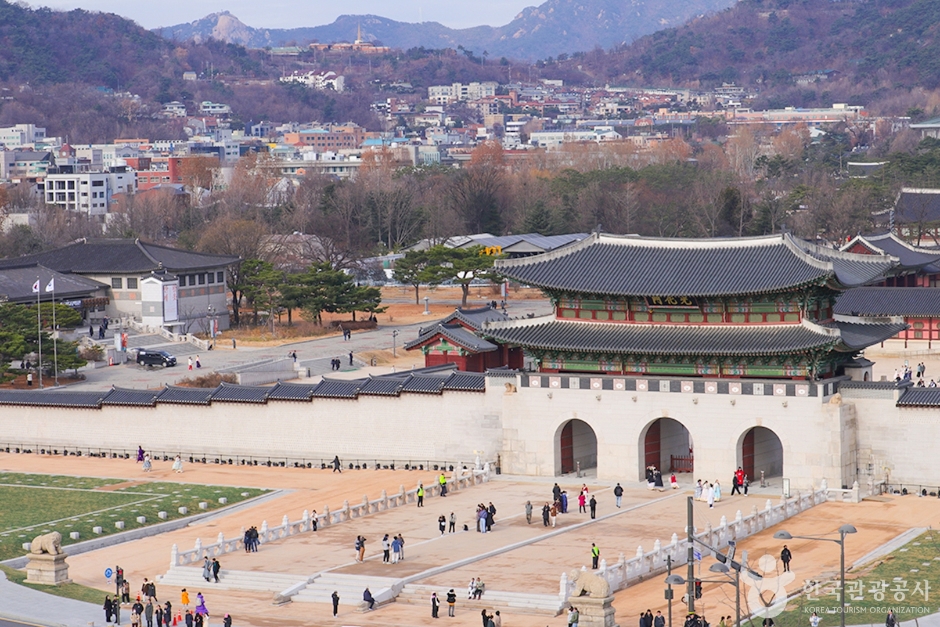
Built in 1395 under the reign of King Taejo, the first king of the Joseon dynasty, Gwanghwamun Gate is the southern gate of Gyeongbokgung Palace. It is also the main gate of the palace, therefore larger and fancier in comparison to the other gates. Gwanghwamun Gate consists of three arched gates; the center gate was used by the king, while the other two were used by the crown prince and royal officials. The tall granite walls of the gate serve as a platform for the wooden gate tower that watches over the city. The gate has a sign with its name written at the top center of the gate tower.
Gwanghwamun Gate went through several damages and restorations over the course of history. It was first severely damaged during the Imjin War (1592-1598) and was not restored until the reconstruction of Gyeongbokgung Palace in 1864. Under the Japanese administration, the gate was demolished and relocated to the north of the palace's eastern gate, followed by series of damages during the Korean War (1950-1953). In 1968, Gwanghwamun Gate was relocated back to the south of the palace and was rebuilt using concrete; however, the gate’s position was shifted a few meters away from its original location. In 2006, a major reconstruction project took place to restore Gwanghwamun Gate to its original state and location, disassembling the structure completely and replacing concrete with granite and wood. After three years and eight months of construction, Gwanghwamun Gate was fully restored to its original form and was open to the public on August 15, 2010.
Tapgol Park (탑골공원)
6.6Km 2024-03-04
99, Jong-ro, Jongno-gu, Seoul
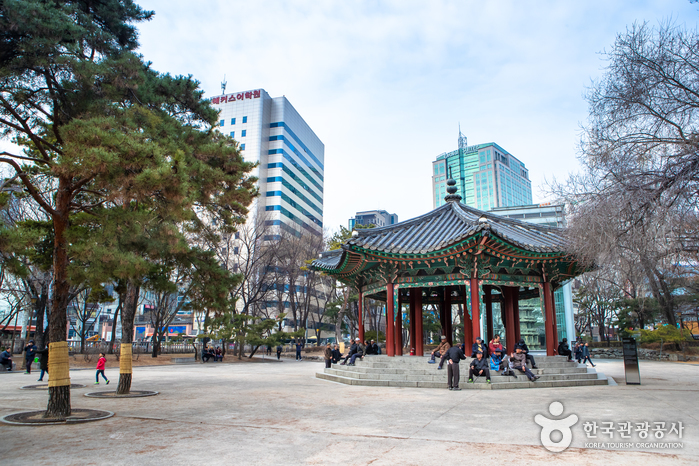
Tapgol Park is the first modern park in Seoul. Having been the site of the Buddhist temple of Wongaksa Temple since 1467, the land was turned into a park in 1897. The park has a significant presence in Korean history, being the place where the March 1 Independence Movement began in 1919. One can find historical sites that hearken back to the struggle, such as the Palgakjeong Pavilion, the center of the movement; cultural heritage sites such as the Ten-story Stone Pagoda of Wongaksa Temple Site and the Stele for the Construction of Daewongaksa Temple at Wongaksa Temple Site; and monuments such as the independence movement relief plate, murals, the statue of Son Byeong-hee, and the statue of Han Yong-un.
Gallery Simon (갤러리 시몬)
6.6Km 2022-09-15
20, Jahamun-ro 6-gil, Jongno-gu, Seoul
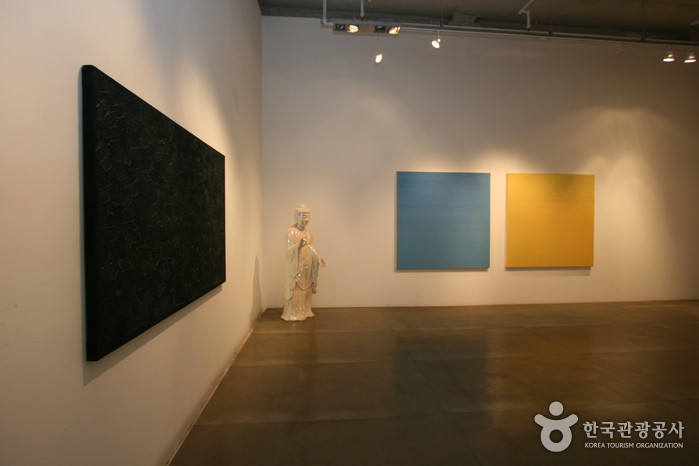
Since its opening in April, 1994, Gallery Simon has continued to focus on promoting the beauty of modern art. Exhibitions include works from experienced artists as well as the works of budding artists, both from Korea and abroad. Select artists, referred to collectively as "Simon's Friends," have exhibitions annually. The changing collections allow the museum and featured artists to constantly strive for improvement and follow the changes in art over time.
Le Miel Plastic Surgery (르미엘성형외과의원)
6.6Km 2025-10-23
3rd Floor, 120 Jongno, Jongno-gu, Seoul
Valuable Beauty, Lemiel Plastic Surgery
A premium clinic where delicate technique and artistic sensibility come together. We provide not just external changes, but customized treatments that enhance each individual’s natural charm. Specialized in fast-recovery eyebag surgery using Encore Laser, customized eye surgery for facial balance, tailored lifting based on body type, and petite procedures that refine facial curves and volume.
Seochon Village (서촌마을)
6.6Km 2024-12-02
45 Pirundae-ro, Jongno-gu, Seoul (Nuha-dong)
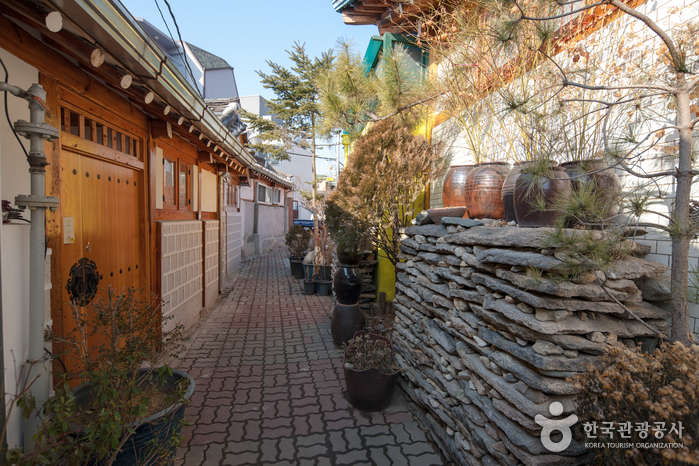
Seochon Village is the name given to the area to the west of Gyeongbokgung Palace. It is a historic village, home to old shops and hanok buildings that have stood the test of time. Korean traditions and contemporary sensibilities coexist within Seochon Village’s maze-like alleyways, creating the unique ambience that makes the district so beloved. One can find shops, guesthouses, cafés, and restaurants in the village.
Hanok Guesthouse Dongchonchae (한옥 게스트하우스 동촌재)
6.6Km 2024-12-23
21-10 , Jahamun-ro 11-gil, Jongno-gu, Seoul
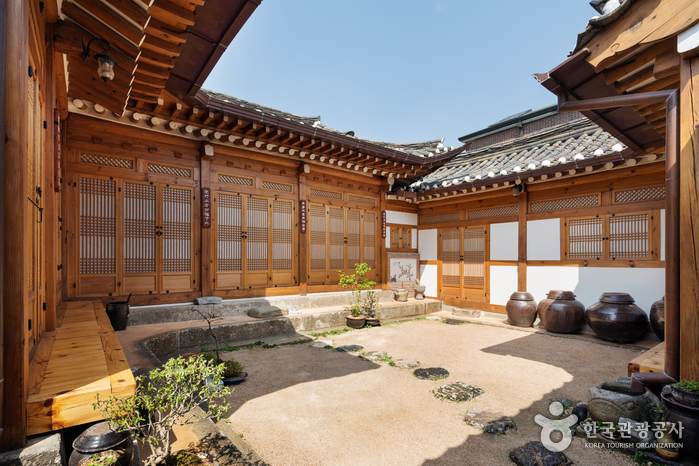
Dongchonjae is a hanok guesthouse in Seochon, Jongno, Seoul. The the Anchae(women's quarters) consists of four sleeping rooms and a cheongmaru lounge space, plus kitchen and toilet. (There are also shared toilets in the yard.) Cooking is not allowed, but guests are welcome to bring in prepared food. A free breakfast is provided. Guests can watch movies in the yard or main hall, and can use the refrigerator and washing machine. A guided night tour of Seoul City Wall is offered, as is a tea ceremony, and rice-cake making experience.
 English
 한국어
한국어 日本語
日本語 中文(简体)
 Deutsch
 Français
 Español
 Русский


