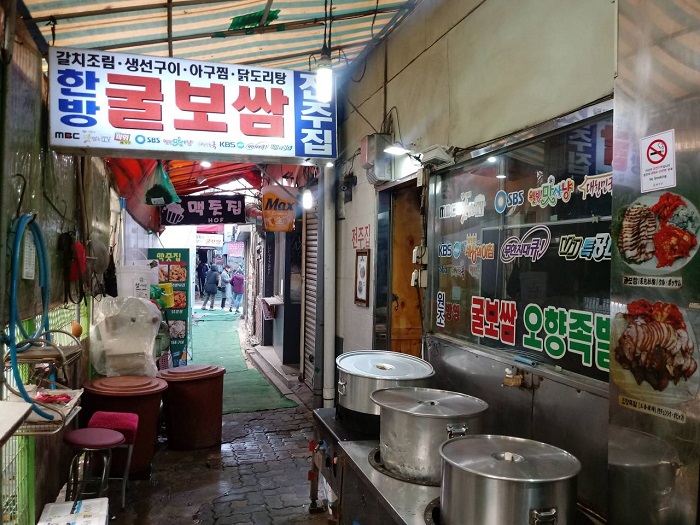
Jeonjujip (전주집)
6.6Km 2024-10-15
16-15 Supyo-ro, 20-gil, Jongno-gu, Seoul
A store featured several times in Korean gourmet programs. This Korean dishes restaurant is located in Jongno-gu, Seoul. The most famous menu is kimchi cabbage wraps with pork and oysters.

Ground Seesaw Seochon (그라운드시소 서촌)
6.6Km 2023-01-17
18-8, Jahamun-ro 6-gil, Jongno-gu, Seoul
Ground Seesaw is a cultural complex located in Seochon, Jongno presented by Media & Art, an exhibition production company, and designed by SoA, an architecture firm, and Loci Studio, a landscaping studio. Visitors are able to check out a variety of exhibits at Ground Seesaw Seochon.
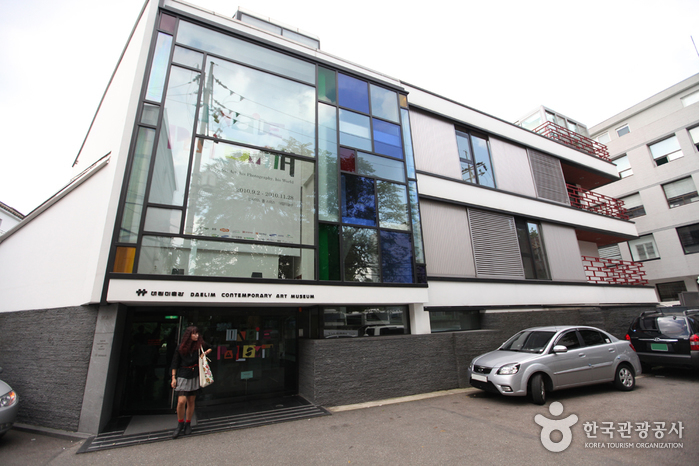
Daelim Museum (대림미술관)
6.6Km 2022-07-29
21, Jahamun-ro 4-gil, Jongno-gu, Seoul
The Daelim Museum, built by the Daelim Group, was first established in Daejeon in 1996 and later moved to Jongno, Seoul in 2002. The art gallery studies, analyzes, and presents modern art through the lens of photography and holds exhibitions centered around photo media.
The museum is located in the residential area of Tongui-dong, near the time-honored Gyeongbokgung Palace. The museum, which was designed by French architect, Vincent Cornu, and built by the Daelim Corporation, opened its door to the public in late May 2002.
On the first floor, there is a garden, parking lot, reception desk, storage area, and conference room. On the second and third floor are offices and exhibition hall approximately 595 m² in size, consisting of small and large rooms, a long gallery, and a special high-ceilinged exhibition space. On the fourth floor, there is a seminar room that can seat up to 120 guests and a balcony with a beautiful view. From the balcony of the seminar room, Visitors can also enjoy a wide open view of Inwangsan Mountain and Bukhansan Mountain. The stained glass panels (designed to reflect the beauty of traditional Korean wrapping cloth) and the scenic lounges on the 2nd and 3rd floors of the building add to the overall charm.
Above all else, the museum was designed with consideration of the photos, which are very sensitive to humidity, light, and temperature.
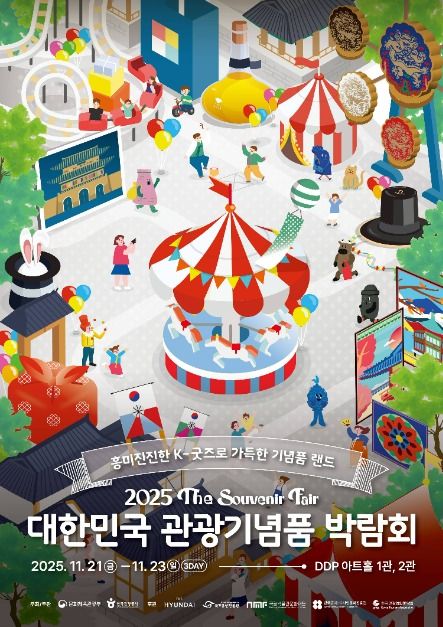
The Souvenir Fair (2025 대한민국 관광기념품 박람회)
6.6Km 2025-10-27
281 Eulji-ro, Jung-gu, Seoul
+82-10-8315-5434
The Souvenir Fair brings together various companies and local governments to showcase a variety of souvenirs, both traditional and trendy. Visitors can freely explore the exhibition space, enjoy souvenir shopping, and take part in various programs. Highlights of the fair include an exhibition of competition-winning works, a zone featuring outstanding local souvenirs, and a special exhibition of overseas souvenirs.
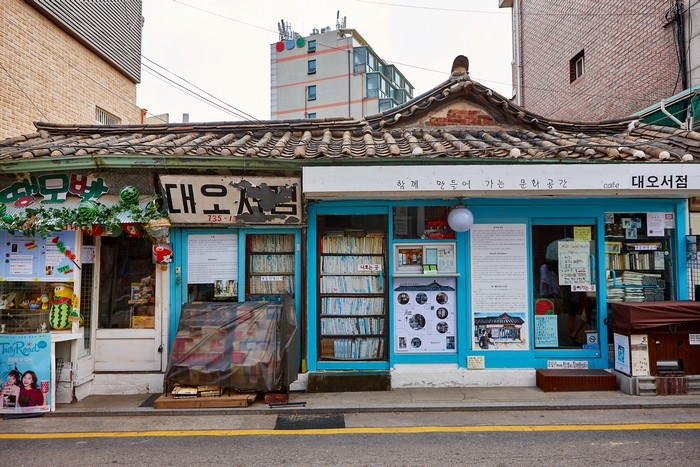
Daeo Bookstore (대오서점)
6.7Km 2025-11-05
55 Jahamun-ro 7-gil, Jongno-gu, Seoul
Daeo Bookstore is the oldest bookstore in Seoul that has been maintained in one place since it opened in 1951. Recently, it has been refurbished as a cultural space with a cafe, where one can enjoy coffee, exhibitions, and performances while looking at the yard. Visitors who just want to browse can purchase a souvenir postcard set for admission. Taking a closer look at books that feel the years and objects that have traces of use, they appear to come rather new.
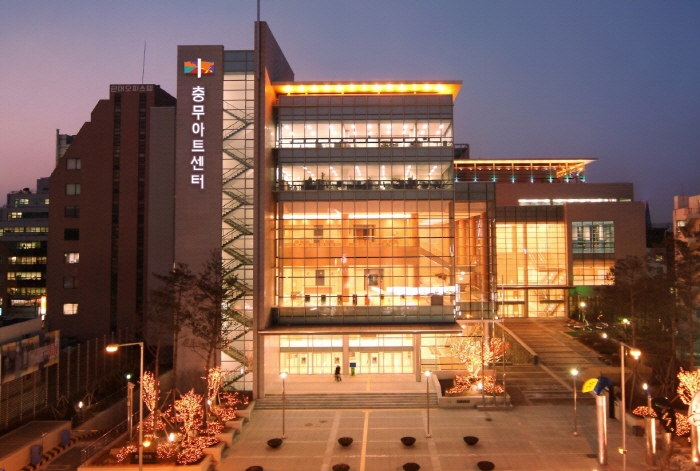
Chungmu Arts Center (충무아트센터)
6.7Km 2024-03-06
387, Toegye-ro, Jung-gu, Seoul
Chungmu Arts Center is a complex cultural facility with an optimal conditions for watching performances. It has a large theater, a medium theater (black), and a small theater (blue). It also boasts great galleries, studios, and a swimming pool, attracting numerous visitors. In addition, one can enjoy performances of various genres, including classical music, plays, musicals, and concerts. Located close to Dongdaemun, it has good accessibility.
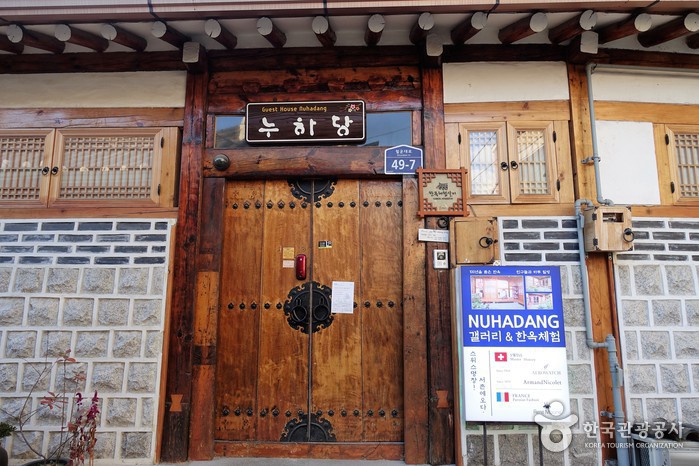
NUHADANG(누하당)
6.7Km 2024-06-20
49-7 , Pirundae-ro, Jongno-gu, Seoul
Nuhadang is a traditional hanok with over 100 years of history. It is located in a quiet spot in Seochon, Jongno-gu, Seoul, where many scholars and artists have lived since Joseon times. Rooms are wallpapered with eco-friendly Korean paper, and thick cotton blankets and cypress pillows will sooth travelers' fatigue. In the yard and small garden you can experience traditional Korean culture: janggu drumming, the game of yunnori, and Hanbok clothing. Walking the streets of Seochon - past Yun Dong-ju's hostel, Park No-su's art museum, and Lee Sang's house - you can still feel the atmosphere of old Seoul.
Hwarangdae Railroad Park (화랑대 철도공원)
6.7Km 2023-08-11
Gongneung-dong, Nowon-gu, Seoul
Hwarangdae Railroad Park is a 400-meter-long light park featuring 10 different themed courses with various lit sculptures. It was renovated from abandoned Hwarangdae Station. Visitors can see ann exhbition of real trains that operated in the past and enjoy a cup of coffee at the train cafe.
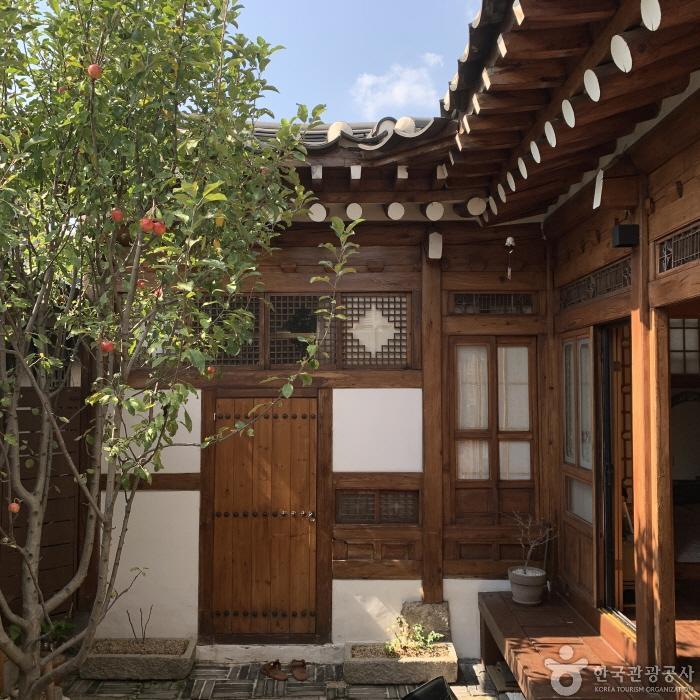
SOSO House (소소하우스)
6.7Km 2024-12-13
16-5 , Pirundae-ro 5ga-gil, Jongno-gu, Seoul
Soso House is a private hanok stay located in Seochon, Jongno-gu, Seoul. Once you enter the gate, you are greeted by a small yard paved with stones and an alpine apple tree. There is a stool on one side of the yard where you can enjoy a cup of tea on a sunny day. In the daecheong maru (wooden-floored hall, there is a master bedroom on one side and a kitchen on the other, and the master bedroom has an attic. Cooking is allowed, and complimentary breakfast includes toast, salad, and coffee, as well as complimentary homemade fruit syrup and tea bags. Gyeongbokgung Palace, Seoul Museum of History, and Park No-Soo Art Museum are all within walking distance.
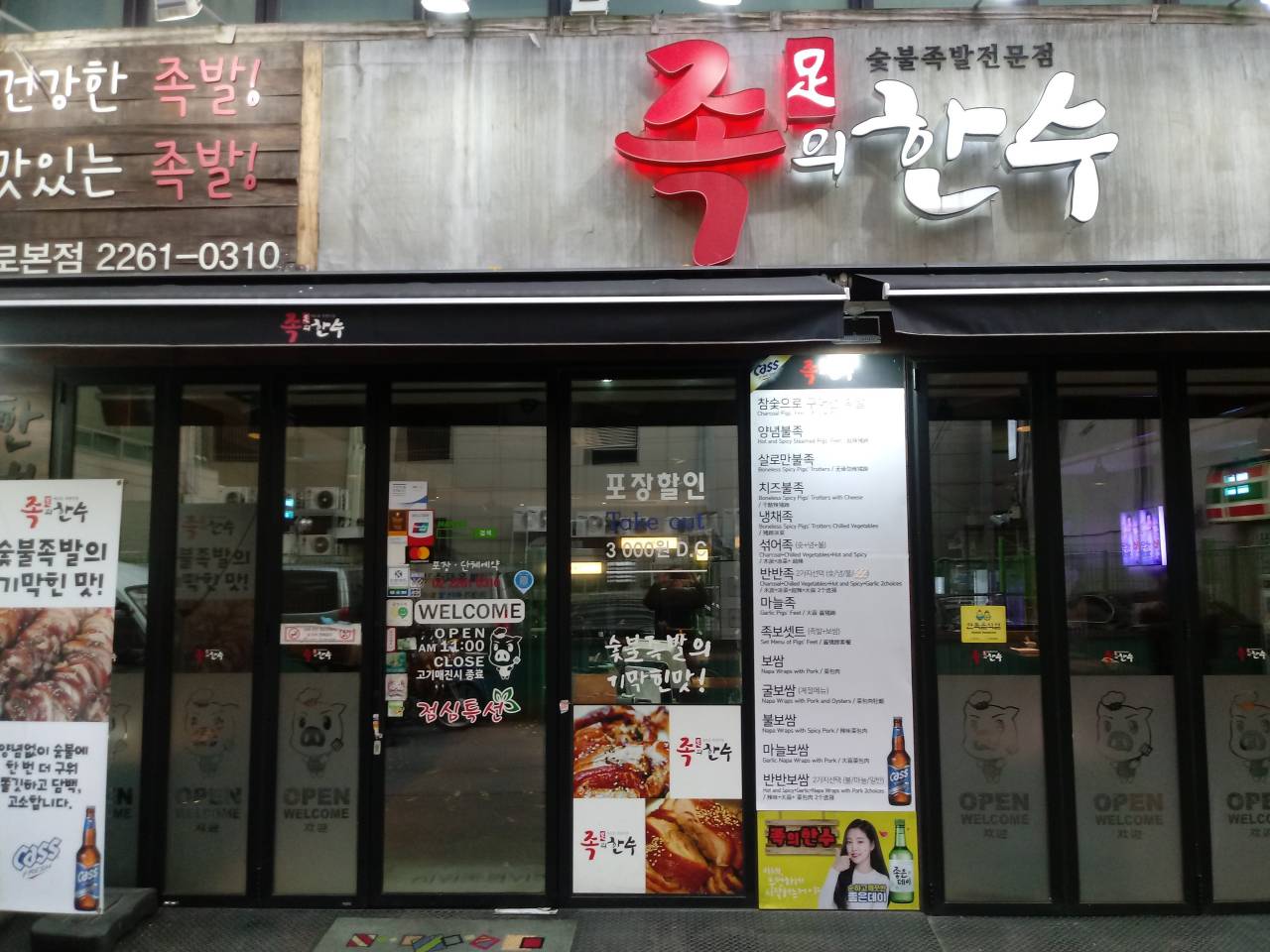
Jogui Hansu (족의한수)
6.7Km 2024-10-15
93-1, Supyo-ro, Jongno-gu, Seoul
A pig's trotter(s) specialty restaurant located in Jongno, Seoul. This restaurant's signature menu is braised pigs' feet. A restaurant serving both charcoal-grilled jokbal (pig's trotter) and spicy jokbal.
 English
 한국어
한국어 日本語
日本語 中文(简体)
 Deutsch
 Français
 Español
 Русский


