Inwangsan Mountain (인왕산)
7.6Km 2024-03-04
San 2-1, Muak-dong, Jongno-gu, Seoul
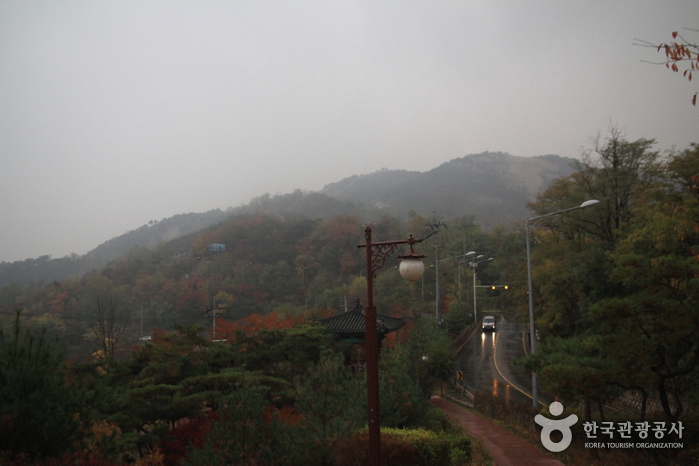
Inwangsan Mountain is a rocky mountain located to the northwestern side of Seoul. It stands 338m tall. The Seoul City Wall is built along its ridge, connecting to the Baegak Mountain Trail. From the summit, one can see the three mountains of Naksan Mountain, Namsan Mountain, and the Bugaksan Mountain surrounding the historical center of Hanyang, the historical name for Seoul in Joseon period, with the Gyeongbokgung Palace at the center. There are five hiking trails, all taking about two hours to complete. It takes about three hours if you want to visit all the peaks of the mountain.

Asan Medical Center (서울아산병원)
7.7Km 2025-10-23
(Pungnap-dong), 88 Olympic-ro 43-gil, Songpa-gu, Seoul
Opened in June 1989, Asan Medical Center is the largest tertiary hospital in Korea with 2,764 beds. In 2023, we treated an average of 13,260 outpatients and 2,539 inpatients per day, and performed 70,892 surgeries throughout the year.
With three specialty hospitals–Cancer Institute, Heart Institute, and Children's Hospital–and more than 50 specialized centers, we lead the world in cancer, organ transplantation, and cardiac care. In recognition of our efforts, we have topped the list of Korea's Most Admired Hospitals for 18 consecutive years and ranked NO. 1 in Korea for six consecutive years in U.S. Newsweek's World's Best Hospitals.
As a "quarternary hospital" serving critically ill patients from Korea and abroad who come to us as their last hope, Asan Medical Center treats more than 20,000 international patients from around 100 countries, including the United States, United Arab Emirates, and Mongolia. Medical professionals from developed countries visit us to learn our advanced medicine. Over the past decade, more than 3,700 professionals from nearly 90 countries have visited us to learn the latest medical techniques.
Daraenamu Tree in Changdeokgung Palace (창덕궁 다래나무)
7.7Km 2025-01-13
99, Yulgok-ro, Jongno-gu, Seoul
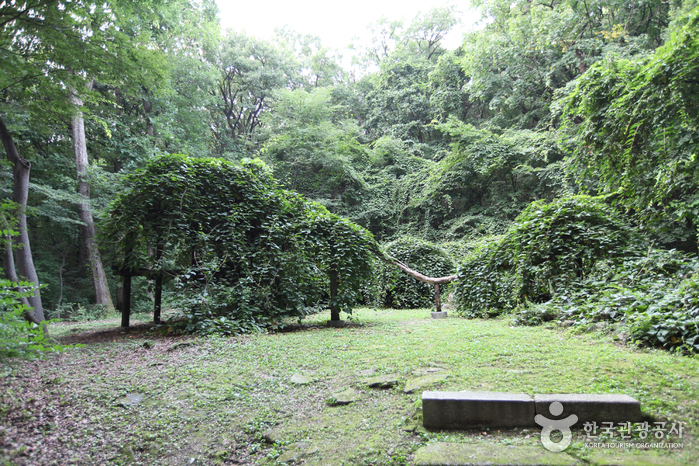
Daraenamu Tree in Changdeokgung Palace is estimated to be 600 years old, meaning it had likely been planted before the palace was built. The tree stands 19m in x_height, and has six separate trunks sprawling in all directions. It is the biggest and the oldest in Korea. It is designated and protected as a National Natural Monument.
Danha(단하)
7.7Km 2025-11-05
39-7 Palpan-gil, Jongno-gu, Seoul
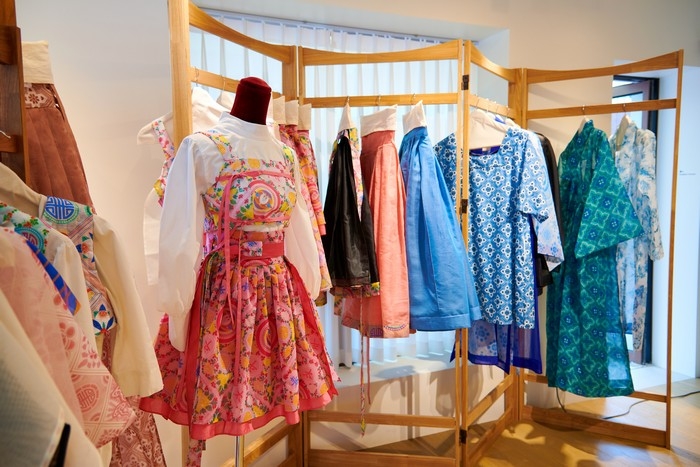
BLACKPINK's “HOW YOU LIKE THAT” music video created a sensation, reaching 100 million views within 32 hours of its release. The most noteworthy part of the music video was the hanbok they wore. Danha, which was in charge of making the costumes, improved the traditional hanbok and completely recreated it as a stage costume, garnering attention from all over the world. Danha is famous for designing hanboks using traditional patterns. The patterns engraved on the clothes in the BLACKPINK music video used the phoenix design pattern of the royal cloth. Danha's hanbok can be purchased through the online shop, and if you want to have it custom-made, you can visit Danha Maison after making a reservation.
Achasan Mountain (아차산)
7.7Km 2024-03-07
Acheon-dong, Guri-si, Gyeonggi-do
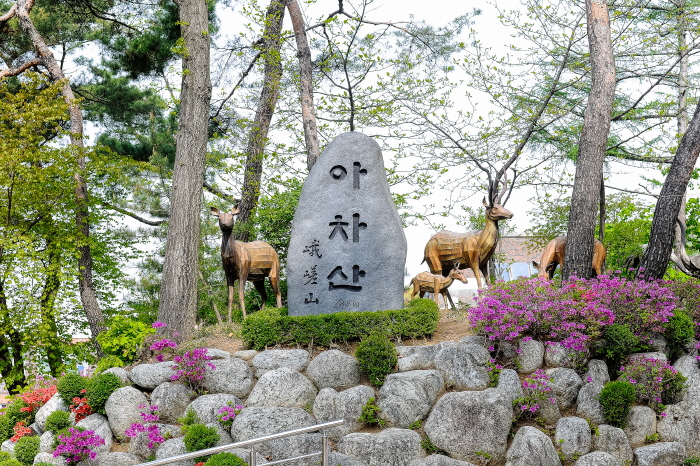
Achasan Mountain is a 295m-high mountain that stretches across Seoul and the city of Guri. Its proximity to the city makes it an accessible destination for hiking in Seoul. The hiking trails are maintained quite well, so even beginners can enjoy hiking in the mountain. From the summit of Achasan Mountain, one can enjoy the beautiful view of Seoul and the Hangang River. In fall, the mountain is famous for its fall colors as well.
K-medi Spring (한강애봄)
7.7Km 2025-12-09
6th Floor, 63 Dongsomun-ro, Seongbuk-gu, Seoul
HanGang AeBom is a certified agency specializing in attracting international patients, offering customized programs that combine Korea’s advanced medical services with tourism. The agency collaborates with medical institutions to arrange consultations, interpretation, accommodation, and travel itineraries.
Gwacheon Chusa Museum (추사박물관(과천))
7.8Km 2023-07-14
78, Chusa-ro, Gwacheon-si, Gyeonggi-do
Gwacheon was where Chusa Gim Jeong-hui immersed himself in studies and arts to ignite his final artistic spirit in the twilight of his life. The city of Gwacheon opened Chusa Museum in order to promulgate the essence of the learning and arts that Chusa flowered. The museum features the life exhibit of Chusa, an art and science exhibit, a planned exhibit hall, an experience room, lounges, a museum shop and an education room for thoroughly researching, exhibiting and experiencing Chusa.
PKM Gallery (PKM갤러리)
7.8Km 2024-03-18
40 Samcheong-ro 7-gil, Jongno-gu, Seoul
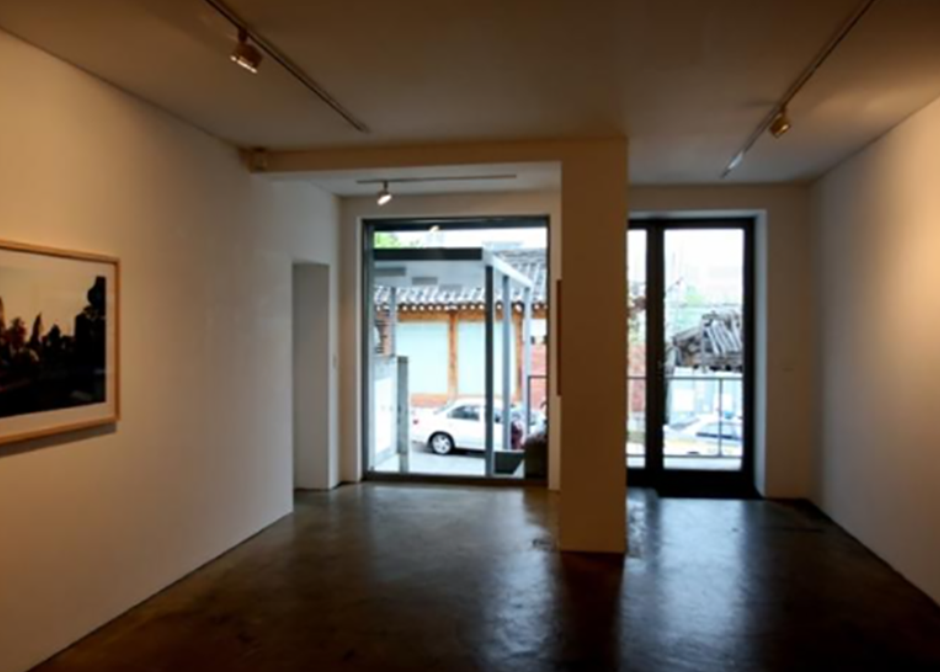
PKM Gallery, now providing 397 square meters of exhibition space, includes a main building with a maximum x_height of 5.5 meters comprising two upper stories and a two-story basement. PKM+, an annex built in 2018, has one upper story and a basement floor and is equipped with a boutique-like gallery space.
The gallery not only exhibits the works of leading figures in Korean contemporary art, but has also succeeded in introducing renowned international artists to the Korean audience. As an incubator for emerging young artists, PKM Gallery has been organizing exhibitions to encourage their growth as leading artists of the next generation. PKM gallery, the first among the Korean galleries invited to participate in the Frieze Art Fair in 2004, played a major role in advancing Korean contemporary art to the global art market.
K.O.N.G Gallery (공근혜갤러리)
7.8Km 2025-10-28
38 Samcheong-ro 7-gil, Jongno-gu, Seoul (Samcheong-dong)
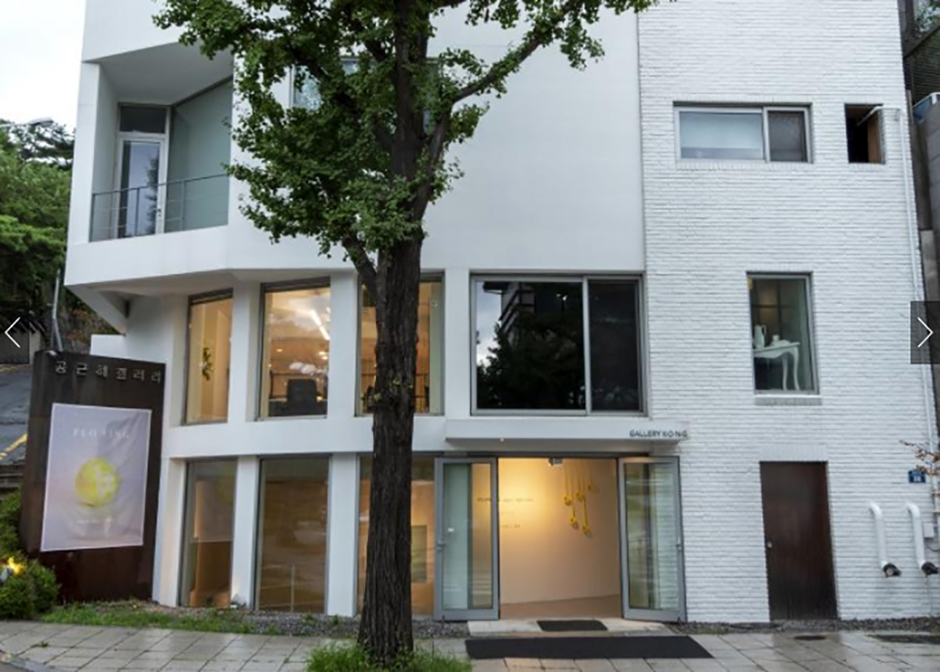
Since its opening in 2005, the gallery has made a significant impact on the Korean photography scene by introducing world-class photographers to Korea. It relocated to its present site next to the Cheongwadae, Samcheong-dong, in 2010, adding spaces for painting, sculpture, video, installation, and other forms of contemporary art. The gallery focuses on artists based in Paris, London, and New York, presenting works that represent the current state of contemporary art in the 21st century. It also plays a vital role as a Korean gallery by discovering young Korean artists and supporting their overseas activities.
Samcheong-dong Street (삼청동길)
7.8Km 2025-01-22
107 Samcheong-ro, Jongno-gu, Seoul
It is said that Samcheong-dong was named from the story about the three "cheong" (Chinese character meaning clean) of the area, namely the mountain, water, and people. Another theory is that the origin of the region's name came from Samcheongjeon Hall where three tablets called "Taecheong," "Sangcheong," and "Okcheong," were set up based on Taoism. Samcheong-dong Street features a mixture of old scenes of hanok buildings with traditional beauty and modern scenes of galleries and cafés, creating a unique atmosphere. Visitors can feel the abundant cultural mood at every corner of the street through the art galleries, museums, antique shops, and quiet pathways.
 English
 한국어
한국어 日本語
日本語 中文(简体)
 Deutsch
 Français
 Español
 Русский


