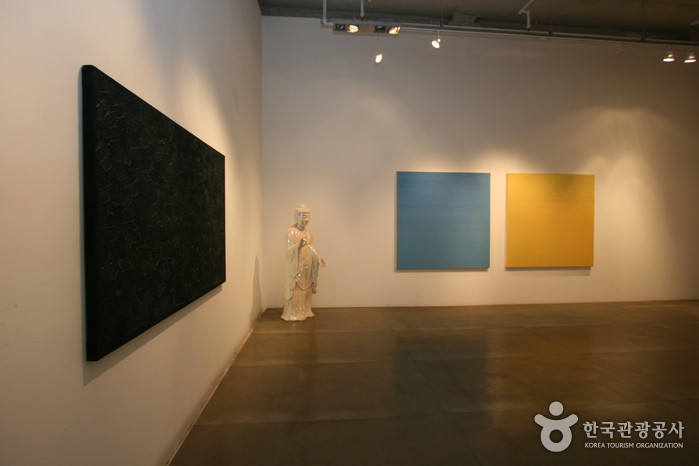
Gallery Simon (갤러리 시몬)
6.0Km 2022-09-15
20, Jahamun-ro 6-gil, Jongno-gu, Seoul
Since its opening in April, 1994, Gallery Simon has continued to focus on promoting the beauty of modern art. Exhibitions include works from experienced artists as well as the works of budding artists, both from Korea and abroad. Select artists, referred to collectively as "Simon's Friends," have exhibitions annually. The changing collections allow the museum and featured artists to constantly strive for improvement and follow the changes in art over time.
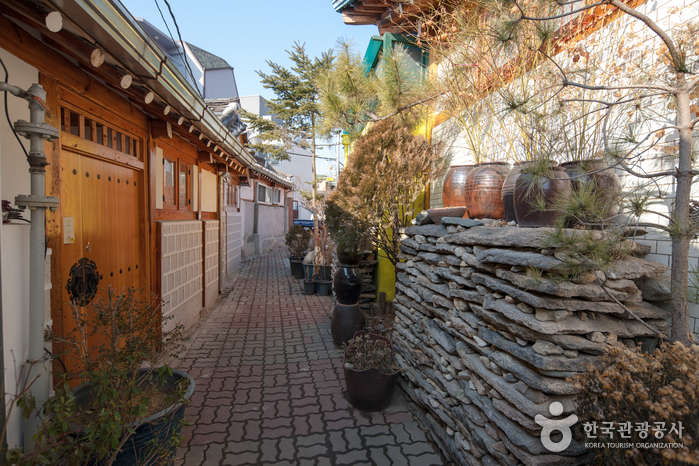
Seochon Village (서촌마을)
6.0Km 2024-12-02
45 Pirundae-ro, Jongno-gu, Seoul (Nuha-dong)
Seochon Village is the name given to the area to the west of Gyeongbokgung Palace. It is a historic village, home to old shops and hanok buildings that have stood the test of time. Korean traditions and contemporary sensibilities coexist within Seochon Village’s maze-like alleyways, creating the unique ambience that makes the district so beloved. One can find shops, guesthouses, cafés, and restaurants in the village.
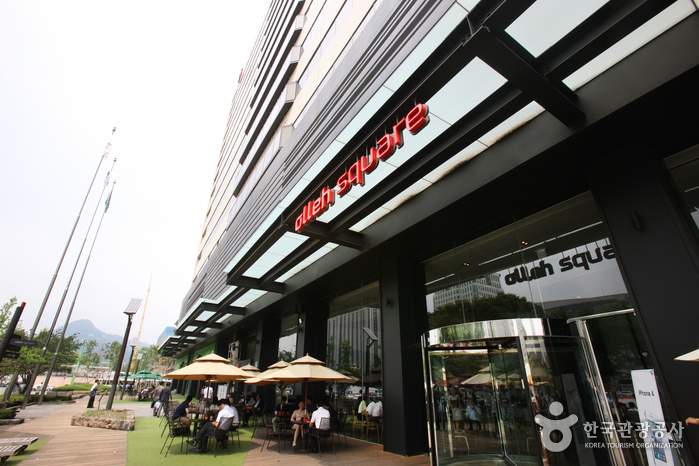
KT Square (KT스퀘어)
6.0Km 2021-07-08
178, Sejong-daero, Jongno-gu, Seoul
KT Square is a multi-complex that offers various cultural performances as well as hands-on experiences of the latest in IT technology. Gallery 130 showcases the history of KT Corp.
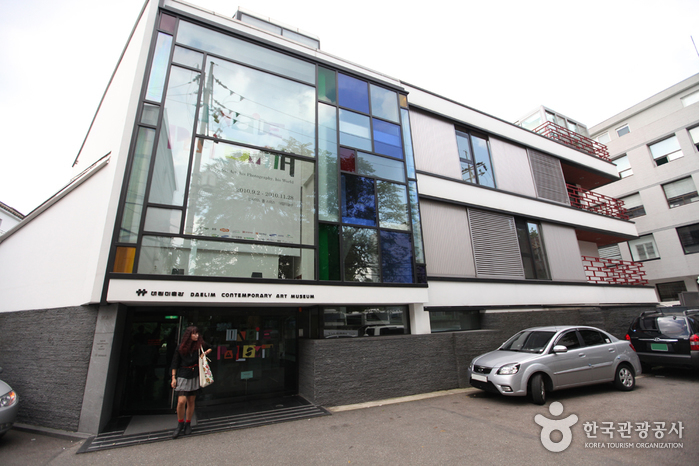
Daelim Museum (대림미술관)
6.0Km 2022-07-29
21, Jahamun-ro 4-gil, Jongno-gu, Seoul
The Daelim Museum, built by the Daelim Group, was first established in Daejeon in 1996 and later moved to Jongno, Seoul in 2002. The art gallery studies, analyzes, and presents modern art through the lens of photography and holds exhibitions centered around photo media.
The museum is located in the residential area of Tongui-dong, near the time-honored Gyeongbokgung Palace. The museum, which was designed by French architect, Vincent Cornu, and built by the Daelim Corporation, opened its door to the public in late May 2002.
On the first floor, there is a garden, parking lot, reception desk, storage area, and conference room. On the second and third floor are offices and exhibition hall approximately 595 m² in size, consisting of small and large rooms, a long gallery, and a special high-ceilinged exhibition space. On the fourth floor, there is a seminar room that can seat up to 120 guests and a balcony with a beautiful view. From the balcony of the seminar room, Visitors can also enjoy a wide open view of Inwangsan Mountain and Bukhansan Mountain. The stained glass panels (designed to reflect the beauty of traditional Korean wrapping cloth) and the scenic lounges on the 2nd and 3rd floors of the building add to the overall charm.
Above all else, the museum was designed with consideration of the photos, which are very sensitive to humidity, light, and temperature.
HiKR Ground (하이커 그라운드)
6.0Km 2025-10-29
40 Cheonggyecheon-ro, Jung-gu, Seoul
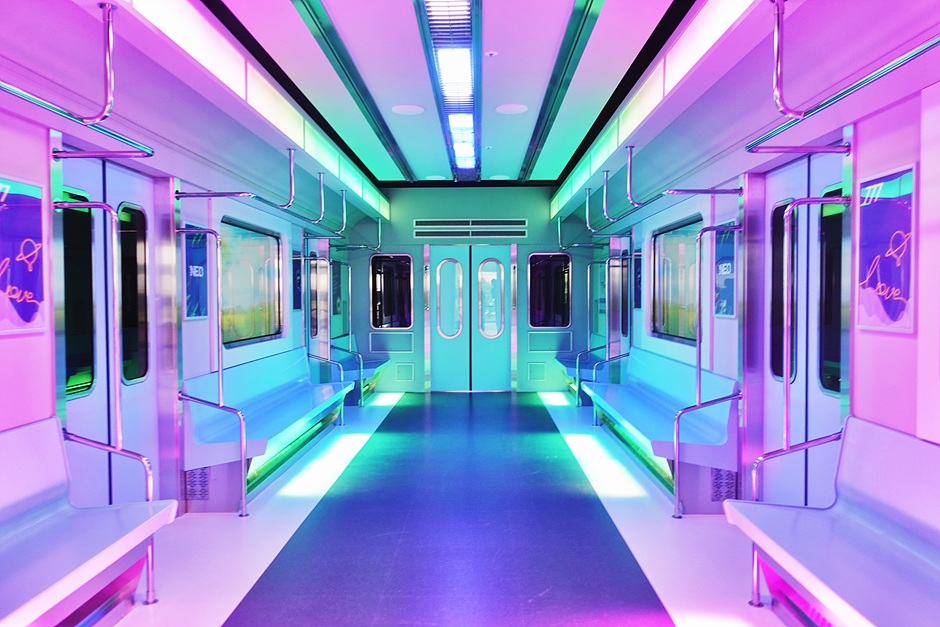
Located inside the Korea Tourism Organization Seoul Center, HiKR Ground is a Korean tourism publicity center where visitors can experience K-pop and view media art at the same time. The name "HiKR Ground" embodies the meaning that Korea (KR) will greet ("Hi") global tourists and become a playground. Notably, it provides Korean tourism content in multiple ways for the younger generation to enjoy. On the first floor, there is a space to enjoy various media arts through the large media screen HiKR Wall, where visitors can see "Landscape of the New City" by media artist Lee Lee-nam, and Korean tourism videos submitted by global hallyu fans. On the second floor, visitors can make their own K-pop music videos using the XR Live Studio. At the window facing the restored Cheonggyecheon Stream, there is a mesmerizing artwork called ''North Wall'' by installation artist Suh Do-ho. On the third and fourth floors, visitors can get immersed in Korean local tourism through various arts, experiences, and exhibitions.

We Ride (위라이드)
6.0Km 2023-07-28
40 , Cheonggyecheon-ro, Jung-gu, Seoul
"The best way to tour Seoul"
With WeRide's certified tour guides, travelers can experience unforgettable memories by riding an electric bicycle to attractions hidden all over Seoul. The tour takes 2 hours and 30 minutes, and participants can safely tour around Seoul with a professional guide. The fun of electric bicycles adds to the joy of the guide's story of Korean culture. If there are guests who cannot ride bicycles, they can use electric rickshaws. There is also a bicycle rental service for bicycle riders traveling in Korea.
Mediround.Corp (주식회사 메디라운드)
6.0Km 2025-10-23
10F, Unit B1031, 8, Gangnam-daero 69-gil, Seocho-gu, Seoul
Mediround is a specialized infrastructure service company providing expert assistance (HELP) for attracting international patients.
- H (Human Resource): Matching medical interpreting and customer service (CS) personnel
- E (Education): Training and development of professionals for international patient attraction
- L (Logic): Registration of international patient attraction institutions and setting up attraction business infrastructure
- P (Promotion): Development of international patient attraction products and global promotion
Mediround operates the international medical coordinator subscription service, Mycoordy. Mycoordy offers information on Korean medical institutions, online consultation, reservation services, interpretating support, and payment services.
MJ FLB ((주)엠제이에프엘비)
6.0Km 2025-10-23
#809, 8F, 40 Cheonggyecheon-ro, Jung-gu, Seoul
MJ FLB attracts foreign patients in eight medical specialties (plastic surgery, dermatology, dentistry, ophthalmology, gynecology, men's urology, orthopedics, and physical checkups), mainly targeting Chinese-speaking clients. It provides dedicated reservation and consultation services to foreign patients. Additionally, it has professional Chinese medical interpreters to ensure smooth communication between the hospital staff and patients, thus ensuring an efficient treatment. MJ FLB attracts foreign patients through customized social media promotions and marketing collaborations with influencers who have experienced its hospital services.
Modern Shabu House Gwanghwamun D Tower Branch (모던샤브하우스 광화문D타워점)
6.0Km 2025-12-02
17 Jong-ro 3-gil, Jongno-gu, Seoul
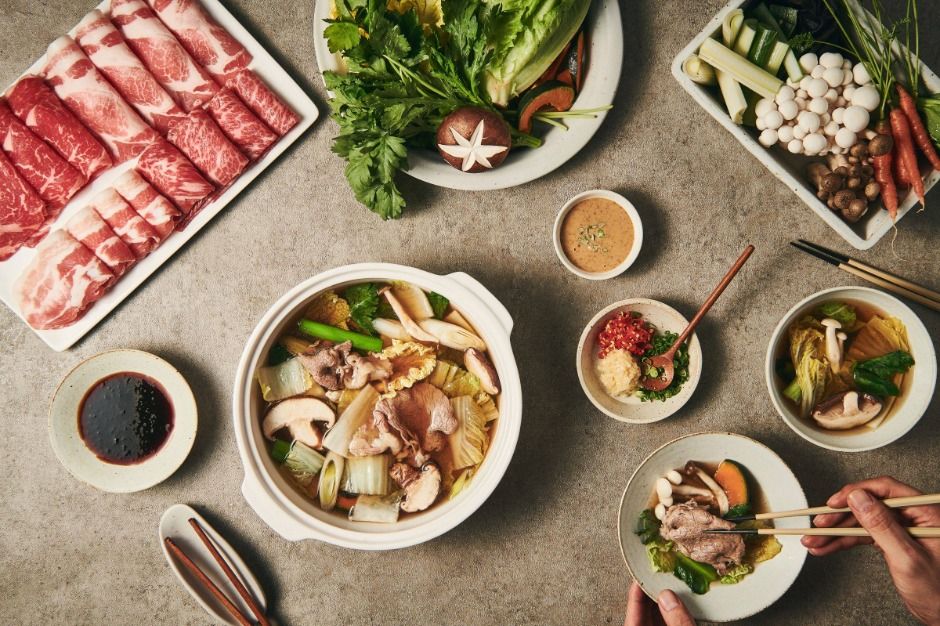
Located in Jongno-gu, Modern Shabu House Gwanghwamun D Tower Branch offers a selection of specialty broths to enjoy unlimited beef, pork, and vegetables. The restaurant serves four cuts of pork and beef in every course. The interior is designed with natural materials like earth, stone, and wood, inspired by the fluid process of cooking ingredients like meat and vegetables in a pot. The design reflects the natural movement and flow of ingredients as they cook together. The restaurant also has a range of private rooms, making it a popular choice for families with children and for gatherings, providing a comfortable dining experience.
Ground Seesaw Seochon (그라운드시소 서촌)
6.0Km 2023-01-17
18-8, Jahamun-ro 6-gil, Jongno-gu, Seoul
Ground Seesaw is a cultural complex located in Seochon, Jongno presented by Media & Art, an exhibition production company, and designed by SoA, an architecture firm, and Loci Studio, a landscaping studio. Visitors are able to check out a variety of exhibits at Ground Seesaw Seochon.
 English
 한국어
한국어 日本語
日本語 中文(简体)
 Deutsch
 Français
 Español
 Русский


