Carols Main Branch (캐롤스 본점)
12.0Km 2025-12-02
서울특별시 송파구 올림픽로 300 (신천동)
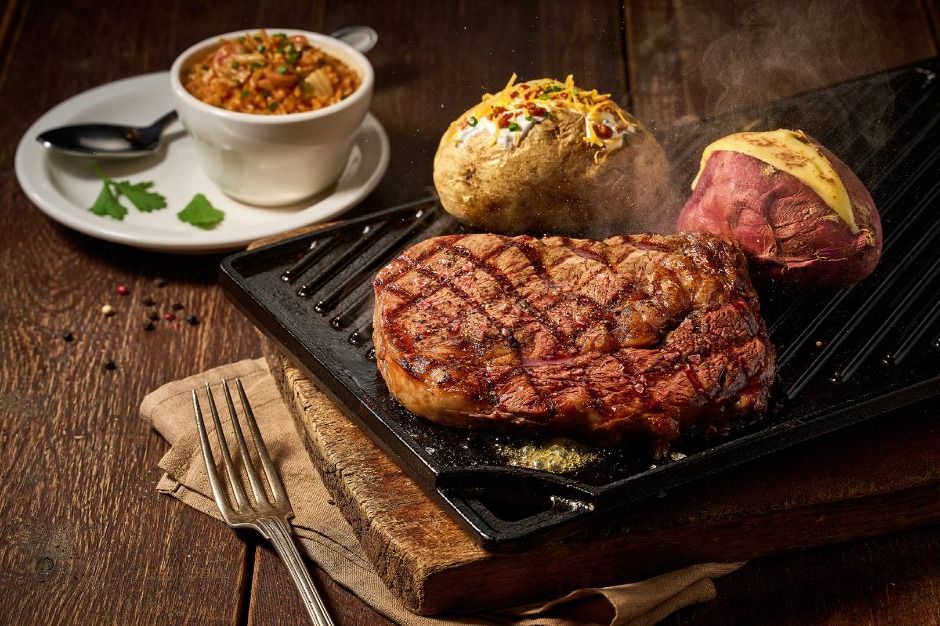
Located in Songpa-gu, Carols is a family restaurant that recreates traditional American meals, complete with a cozy, family-friendly atmosphere. For the older generation, it offers authentic American flavors and the comfort of a family restaurant that they remember visiting with their parents as children. For the younger generation, it offers a retro family restaurant experience that they have never felt before. The menu is full of family favorites like baby back ribs, Monte Cristo, spaghetti, burgers, steaks, and sweet parfaits for dessert, as well as a kids' meal for the little ones, so there's something for everyone.
Charlotte Theater (샤롯데씨어터)
12.0Km 2024-03-20
240 Olympic-ro, Songpa-gu, Seoul
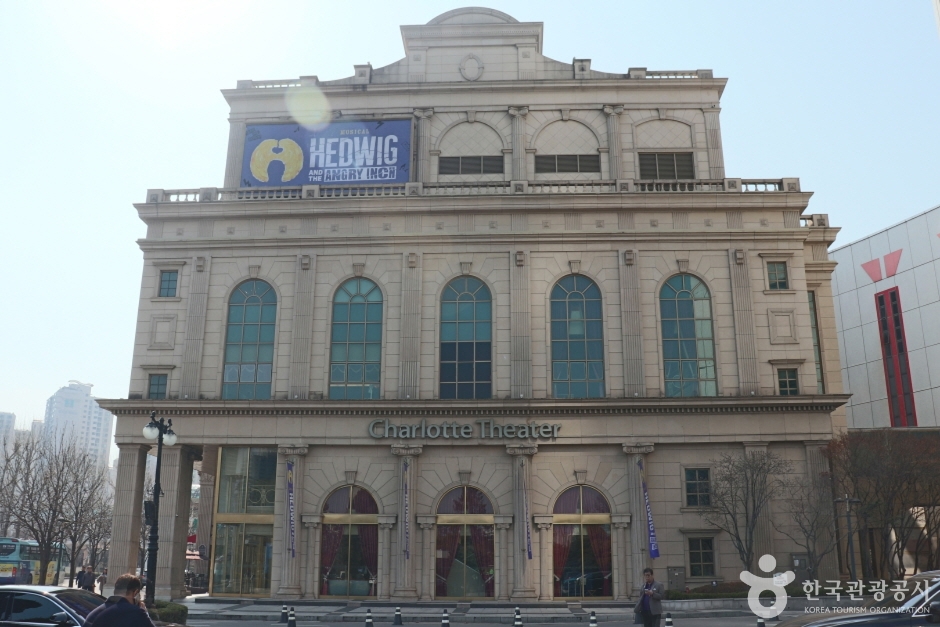
The Charlotte Theater, located near Lotte Tower in Jamsil, features an elegant and luxurious interior and exterior reminiscent of medieval Europe, providing a sophisticated setting for musical performances. With a short distance between the stage and the audience, spectators can vividly experience the actors' performances up close. It hosts productions such as The Phantom of the Opera and Jekyll & Hyde.
KidZania Seoul (키자니아 서울)
12.0Km 2024-03-13
240, Olympic-ro, Songpa-gu, Seoul
+82-1544-5110
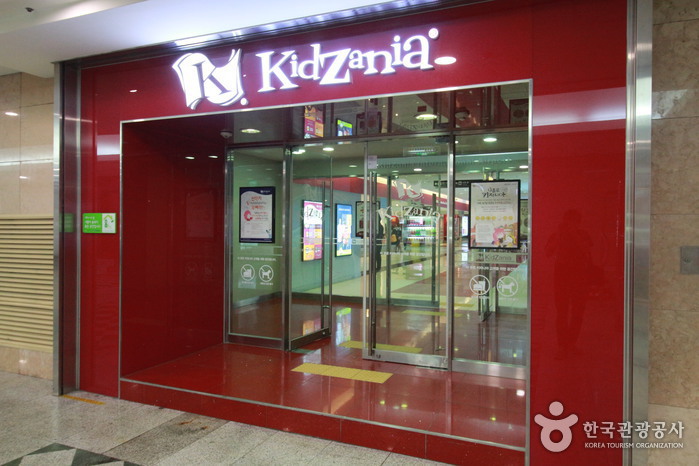
KidZania is a theme park organized around the idea of vocational experience for children. It is home to a variety of facilities where one can experience different career paths, all located on a scale model of a city. Visitors can learn what it is like to work as a firefighter, doctor, cook, member of the police force, reporter, and more.
Seoul Cruise (서울크루즈)
12.0Km 2025-12-04
231 Yeouidohanganggongwon-gil, Yeongdeungpo-gu, Seoul
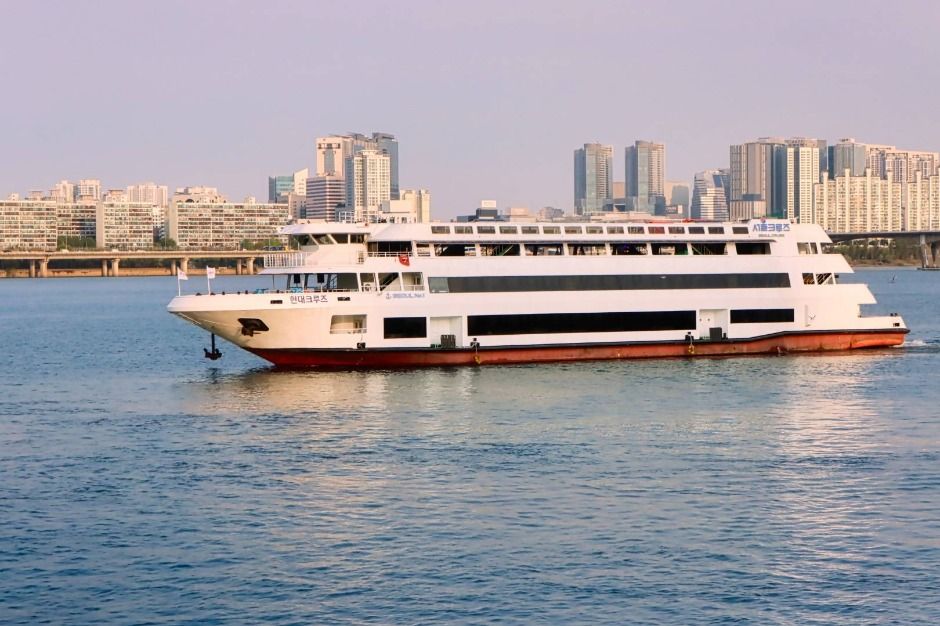
Hyundai Cruise Line, Korea's first marine tourism cruise operator, was founded in 1983 and renamed Seoul Cruise after building a new terminal in Yeouido. With Yeouido Ferry Terminal as its base, Seoul Cruise is the only passenger cruise operator that can travel from the Hangang River to the West Sea, passing through the Ara West Sea Lock. The company currently operates from two terminals: Yeouido Ferry Terminal and Ara Gimpo Terminal. In addition to offering tours that showcase the scenic beauty of the Hangang River, Seoul Cruise also provides other options, such as the Dinner Fireworks Cruise, which lets passengers enjoy a fireworks show along the Ara Waterway in Gimpo.
E-Land Cruise (Hangang River Ferry Cruise) (이랜드크루즈 (한강유람선))
12.1Km 2024-10-31
(Nodeulnaru Park), 290, Yeouidong-ro, Yeongdeungpo-gu, Seoul
+82-2-6291-6900
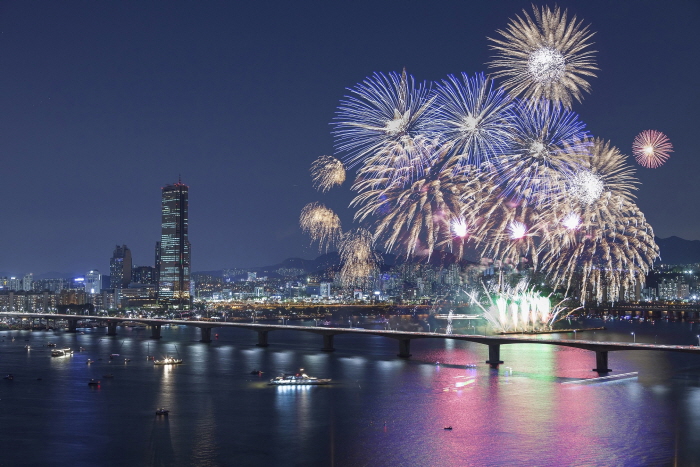
The E-Land Cruise cuts across the Hangang River along the east-west axis. It connects two terminals, one in Yeouido and the other in Jamsil. The company offers a number of different programs, such as the Han River Tour Cruise, a daytime cruise that takes one along the views of Hangang River, and the Moonlight Music Cruise, which offers a beautiful view of Seoul at night with jazz music. One can also enjoy buffet lunch and dinners on the ship.

Daejanggeum (대장금)
12.1Km 2024-11-29
300, Olympic-ro, Songpa-gu, Seoul
+82-2-3213-4534
Daejanggeum serves traditional Korea meals, reinterpreting royal dishes from the Joseon dynasty. Daejanggeum faithfully uses only the best local ingredients to make all their food, from the soybeans used for soy sauce and soybean paste, to kimchi. In addition to the food, guests can enjoy dining with lacquerware from Korea's Holder of Intangible Heritage, Mr. Yi Jin-ho, and forged works by 5th generation blacksmith, Cha Ingyu.

Lotte World Aquarium (롯데월드 아쿠아리움)
12.1Km 2024-03-12
B1, 300 Olympic-ro, Songpa-gu, Seoul
Lotte World Aquarium, located in Lotte World Mall, is an aquarium that replicates the marine ecosystems of the world's five oceans. It exhibits over 55,000 marine animals of 650 species. It features a Marine Eco Hall, an Amazon River Hall, and a Penguin Hall. Visitors can participate in various programs such as feeding sessions for different animals including penguins and jellyfish touch experiences, allowing them to get up close with marine life.
Lotte World Tower SEOUL SKY (롯데월드타워 서울스카이)
12.1Km 2024-11-28
300 Olympic-ro, Songpa-gu, Seoul
+82-1661-2000
SEOUL SKY is located on floors 117-123 of Lotte World Tower, the nation's tallest and the world's fifth tallest building. The observatory offers a panoramic view of the entire capital city, beautiful both day and night. SEOUL SKY is comprised of an exhibition zone, observation deck, sky deck, dessert cafe, sky terrace, lounge, and more.
To get to Seoul Sky, visitors have to take the Sky Shuttle, a double-deck elevator that reaches a speed of 600 meters per minute. The one-minute ride feels quite short while watching the videos playing on the walls and ceiling. While waiting for the elevator up, visitors can enjoy art in the exhibition zone in basement levels 1-2. The exhibition includes artwork displaying the history, culture, and pride of Korea's foundation and success over the centuries. Visitors can also purchase Seoul Sky merchandise from the gift shop to remember their trip or give as a souvenir.
The observation deck has two story-high glass windows for an uninterrupted view. The Sky Deck, located at 478 meters, holds the Guinness World Record as the highest glass-floored observatory in the world. On days when visibility is limited, visitors can still enjoy a clear sky through the Sky Theater. The 120 floor holds the Sky Terrace, open to the elements.
Visitors looking for refreshments can enjoy the one-of-a-kind menu served at the dessert cafe Sky Friends Cafe on level 119, or refreshing wine sold at the premium lounge on floor 123. This cozy space is the highest lounge in Seoul and is perfect for taking in the view in a relaxing ambiance.
WENERD Corp. (주식회사 위너드)
12.1Km 2025-10-23
#201, Saul Building, 21 Seongmisan-ro 1-gil, Mapo-gu, Seoul
Wenerd provides a total care solution through “Wenerd Care”, combining premium wellness tourism with health check-ups to comprehensively manage clients’ health and beauty.
Samsung Gangnam (삼성 강남)
12.1Km 2024-11-26
411 Gangnam-daero, Seocho-gu, Seoul
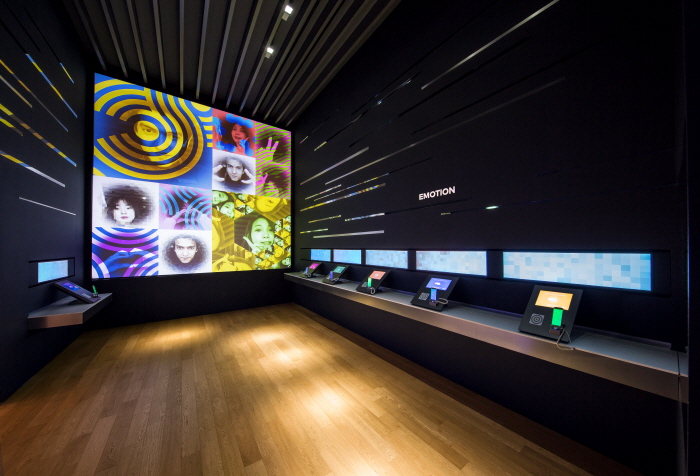
Samsung Gangnam is a flagship store designed as a playground for Samsung Electronics. Within the building are a photo spot, Galaxy flagship, auditorium, bespoke studio, and coffee shop, attracting numerous visitors. They are invited to appreciate media art through art objects and admire stunning views of skyscrapers on Gangnam-daero via a giant display with pleasure.
 English
 한국어
한국어 日本語
日本語 中文(简体)
 Deutsch
 Français
 Español
 Русский


