April 19th National Cemetery (국립4.19민주묘지)
16.1Km 2023-01-02
17, 4.19-ro 8-gil, Gangbuk-gu, Seoul
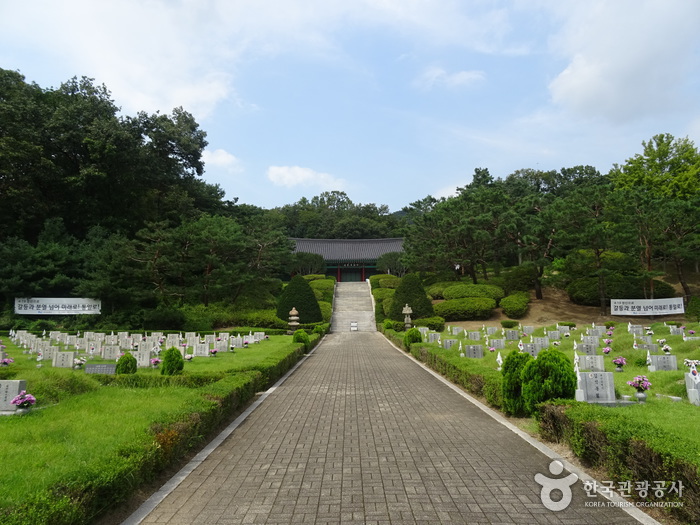
Located at the foot of Bukhansan Mountain, the April 19th National Cemetery was established in memory of the 224 people who lost their lives during the 4.19 Revolution in 1960. The cemetery features a memorial hall and a traditional wooden structure that houses the grave of the historic figure Yu Yeongbong.
At the cemetery is a pond surrounded by sculptures such as "Symbolic Door," "Roots of Democracy," and "Sparks of Justice" and a memorial tower bearing an inscription for the brave patriots who lost their lives during the revolution. Groves of pine, juniper, yew, and maple trees and the well-kept hiking path add a natural charm to the overwhelming ambiance of peace and serenity. Many people visit to see the spring blossoms in May, and throughout the year to take in the glorious scene of the sunset over Bukhansan Mountain.
Dooly Museum (둘리뮤지엄)
16.1Km 2025-03-31
6 Sirubong-ro 1-gil, Dobong-gu, Seoul
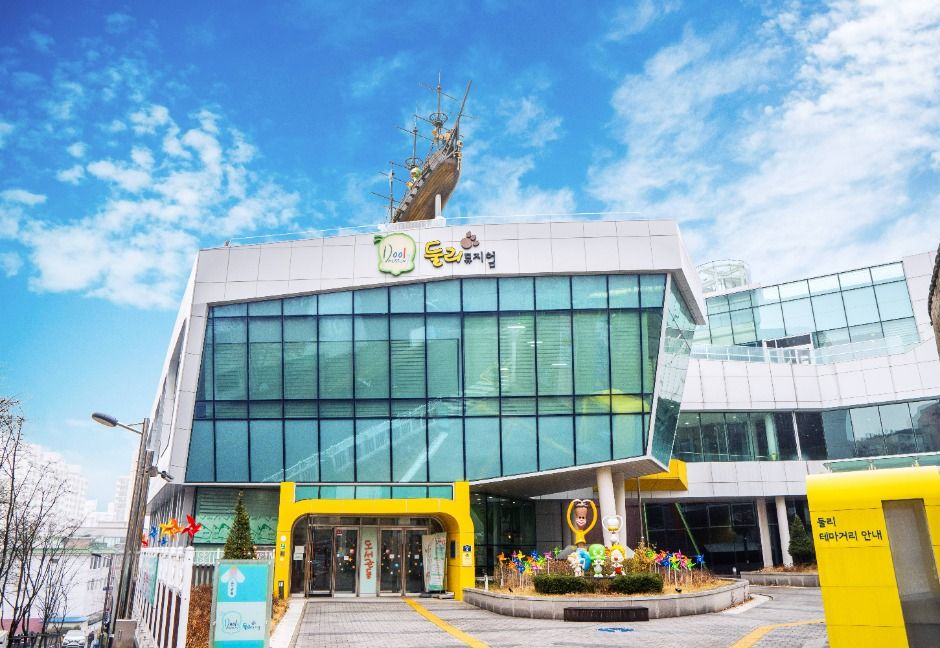
Dooly Museum is Korea's first museum to be dedicated to a single character. The museum is dedicated to Dooly, the main character from the Korean cartoon series "Dooly the Little Dinosaur." The cartoon was published as a series on a comic magazine called "Bomulseom" from 1983 to 1993, following Dooly's adventure that begins from his arrival to Ssangmun-dong inside a glacier from the Ice Age. Inspired by the series, this interactive museum was founded in Ssangmun-dong and explores the value and meaning of the hit series through the expansion of its works such as the animation series, character merch, and other media sources.

PRAUM Musical Instrument Museum (프라움악기박물관)
16.2Km 2024-02-21
756 Gyeonggang-ro, Wabu-eup, Namyangju-si, Gyeonggi-do
PRAUM Musical Instrument Museum is designed in a European style, featuring high arches and balconies. It showcases the history of music and displays various musical instruments from around the world. Visitors have the unique opportunity to play some of these instruments and listen to their sounds. Additionally, the museum hosts regular musical concerts every Wednesday.
Oil Tank Culture Park (문화비축기지)
16.2Km 2024-11-01
87 Jeungsan-ro, Mapo-gu, Seoul
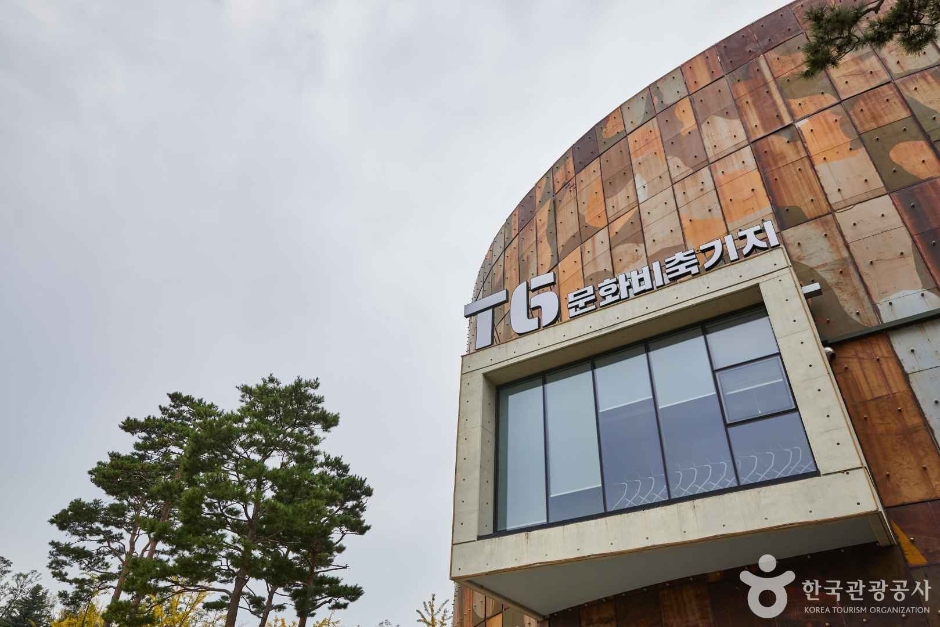
After being used as an oil tank for 41 years, the tanks were reborn into a culture space. The five tanks were transformed into performance halls, exhibition halls, and a multi-purpose pavilion, while one new tank was built to be used as an information center. In addition, the temporary parking lot turned into a culture yard where visitors can relax as well as enjoy activities or performances.
Buramsan Butterfly Garden (불암산나비정원)
16.3Km 2024-07-19
51-27 Hangeulbiseok-ro 12-gil, Nowon-gu, Seoul
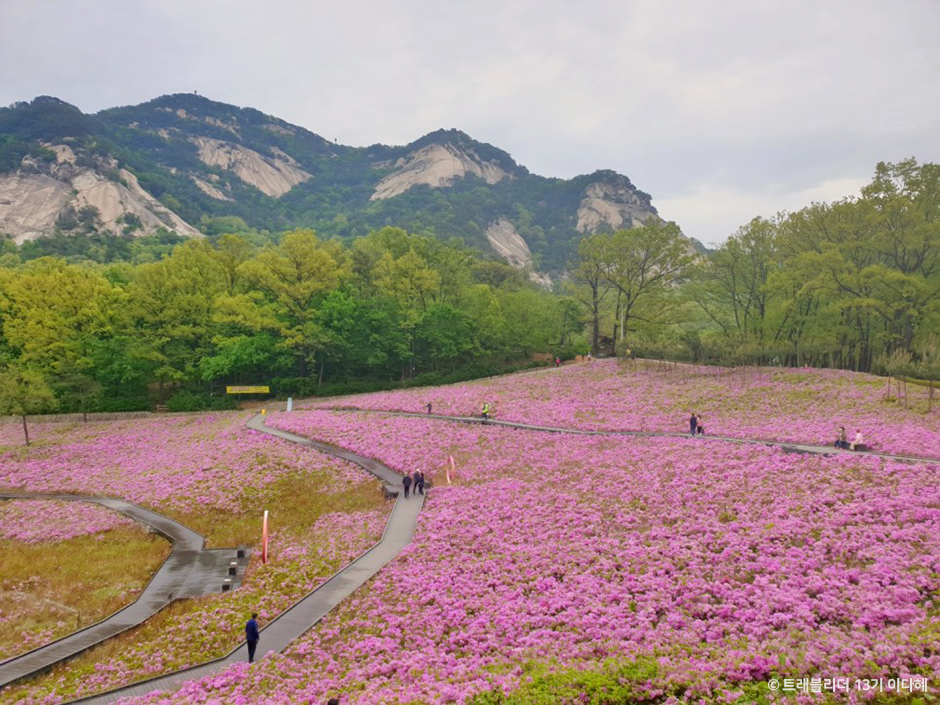
Buramsan Butterfly Garden is located within Buramsan Healing Town in Nowon. It is an exhibition garden where one can observe live butterflies all year round. The main building's first floor comprises an incubation center, a breeding center, and a butterfly greenhouse while the second floor is used as an insect education center. At the insect education center, visiors can observe materials related to and specimens of endangered insect species. Groups require a reservation in advance.
Cheongansa Temple (천간사)
16.5Km 2021-10-12
20-8, Bulgwang-ro 10-gil, Eunpyeong-gu, Seoul
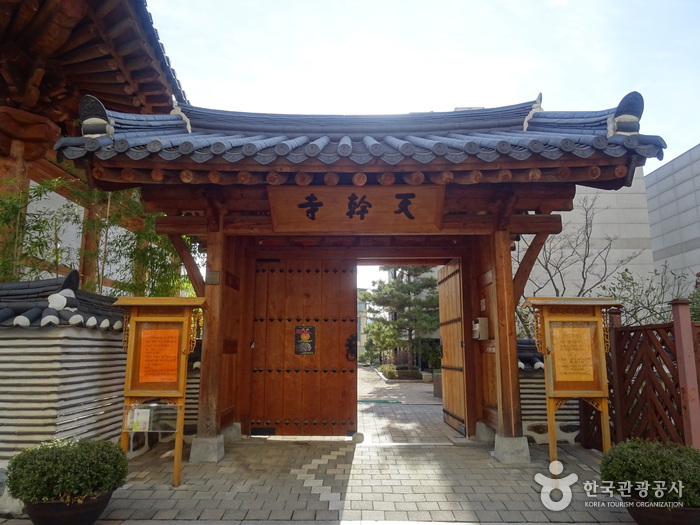
Cheongansa Temple was first built in 1960, and was re-built in 2009. It has many pagodas and monuments: a pagoda filled with sari relics of Buddha; Budotap Pagoda, which is a shrine to the monk who found the temple and his sacred relics; and a monument honoring the late first lady Yuk yeong-su. The re-built temple was awarded the Hanok Prize in the Hanok Competition 2011. Located along the Bukhansan Mt. Dulaegil Trail, the temple provide visitors with the chance to enjoy fresh air and a rest from hiking along the trail.
Style82 Co., Ltd. (㈜스타일82)
16.6Km 2025-10-23
#303, Gasan Urban Work I, 135 Gasan digital 2-ro, Geumcheon-gu, Seoul
Style82, Inc., is a healthcare platform operated by "experts" with over 20 years of experience. They market Korean Wave content and domestic products, including medical tourism, commerce, and distribution, through their international network, and expand their specialized medical services into the global market.
In particular, the medical platform "Medi82", which started in the first half of 2025, provides VIP customer service so that overseas customers can receive the best medical services in Korea through partnerships with over 130 hospitals in Korea. Experienced staff members who can interpret foreign languages communicate directly with customers, minimizing medical accidents or inconveniences that may occur during hospital treatment. Additionally, we have branches in Japan and Vietnam, and partners in the United States, Singapore, Indonesia, and Thailand.
Laejoo Travel ((주)내주여행사)
16.6Km 2025-10-23
(#411), 534 Seobusaet-gil, Geumcheon-gu, Seoul
Laejoo Travel is founded in 2002 We primarily serve foreign tourists for luxury cruise group tours, various business visits, conferences, exhibitions, research exchanges, and foreign patient attraction.
Through years of accumulated expertise, we have gained long-term recognition from prominent travel agencies in China and continue to maintain strong collaborative relationships. As the travel industry restarts post-COVID, Laejoo Travelis more passionate and dedicated than ever before.
Nanji Hangang Park (난지한강공원)
16.7Km 2025-01-07
162 Hangangnanji-ro, Mapo-gu, Seoul
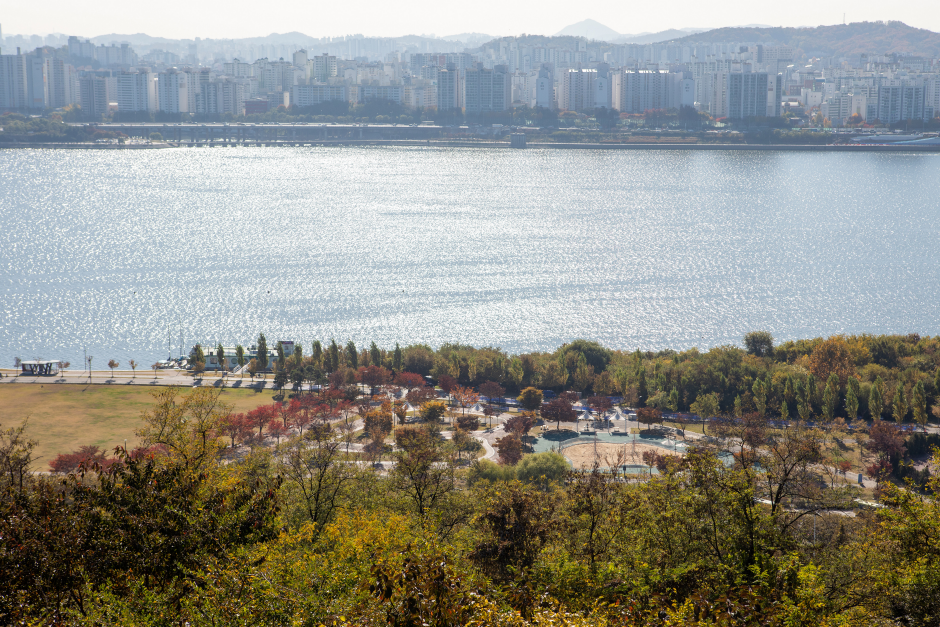
Nanji Hangang Park, situated north of the Hangang River near World Cup Park, provides a riverside space for leisure and recreation. The park offers Campgrounds, Water Leisure Sports Facilities, Bike Lane, Waterside Plaza, Mirror Fountain, Riverside Pool, a convenience store, and an information center. The Mirror Fountain emits a rainbow-like light with each water spray. The campgrounds are popular for their proximity to the city and affordable fees. Visitors can enjoy activities such as motorboating, water skiing, and wakeboarding on the Hangang River.
Nanji Hangang Park MTB Course Site (난지한강공원 MTB코스장)
16.7Km 2022-10-26
162, Hangangnanji-ro, Mapo-gu, Seoul
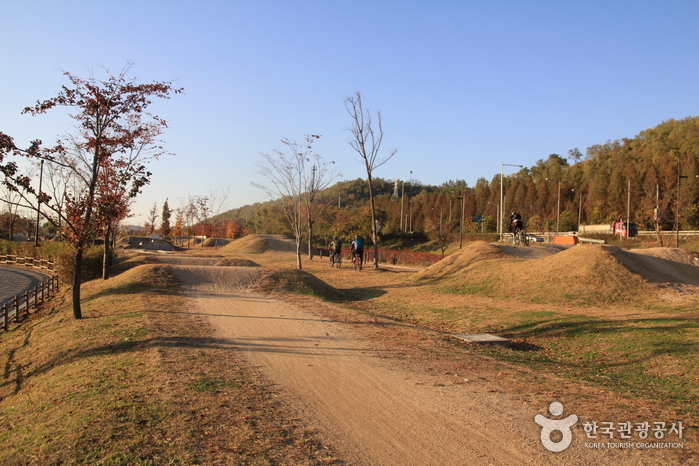
Situated in Nanji Hangang Park, the MTB Course Site is perfect for MTB lovers as well as beginners who wish to enter the world of extreme biking with safety. The MTB Course Site is the nation's first MTB course site, established on a flatland, reproducing perfectly realistic mountain ridges and slopes.
 English
 한국어
한국어 日本語
日本語 中文(简体)
 Deutsch
 Français
 Español
 Русский


