
Chuncheonok (춘천옥)
15.6Km 2024-10-15
19 Digital-ro 12-gil, Geumcheon-gu, Seoul
Chuncheonok is a Korean restaurant located near Gocheok Skydome. The signature menu is memil makguksu (buckwheat noodles). Served with a sweet sauce, the bibim makguksu (spicy buckwheat noodles) features a refreshing broth poured generously over the noodles, preventing them from becoming soggy. With a lower buckwheat content, the noodles have a smooth texture. It pairs well with tender and odorless bossam (napa wraps with pork). Nearby attractions include Gureumsan Forest Park, Boramae Park, and Anyangcheon Stream.
Seoul Geumseonsa Temple (금선사(서울))
15.6Km 2021-08-17
137, Bibong-gil, Jongno-gu, Seoul
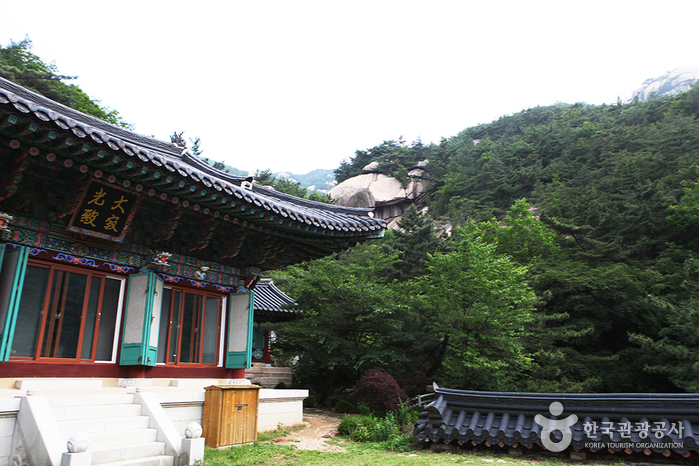
Geumseonsa Temple is located within Bukhansan National Park, just behind Cheong Wa Da (The Blue House) and Gyeongbokgung Palace. The entrance to the temple is just off the hiking path to Bibong Peak.
After passing Banyajeon Hall, where Buddhist services are held, visitors will see a pine tree over 200 years old, and beyond that, a staircase with 108 steps leading up to Daejeokgwangjeon Hall in the temple's main area. To the right is Samseonggak House and Hongyegyo Bridge over the clear waters flowing down from the mountain.
Additional temple buildings include Mitajeon Hall and Yeonhwadang Hall, built in 2004 by Monk Beopan; and Jeokmukdang Hall, built using traditional construction techniques.
World Cup Park (월드컵공원)
15.6Km 2024-10-23
243-60 World Cup-ro, Mapo-gu, Seoul
Opened on May 1st, 2002, the Wolrd Cup Park was once a 15-year-old landfill that held over 92 million tons of garbage. The park is located near Seoul World Cup Stadium, and is made up of five smaller parks - Pyeonghwa (Peace) Park, Haneul (Sky) Park, Noeul (Sunset) Park, Nanjicheon Park, and Nanji Hangang Park.
* Pyeonghwa Park: Closest to Seoul World Cup Stadium, it holds a pond, garden, children’s playground, and forest. As a representative park of World Cup Park, the park was designed in hopes of peace and harmony between mankind and nature. It is often used as a picnic area and place for nature studies.
* Nanji Hangang Park: Nanji Hangang Park was developed on the banks of the Hangang River. In contrast to other Hangang River parks, Nanji Hangang Park is a water-friendly park that has a gradual slope towards the riverbank. The park consists of a camping ground, soccer field, basketball court, grass field, cruise ship port, and an area for nature studies.
* Haneul Park: Haneul Park consists of vast grassland located at the highest elevation of the five parks. The park's pasture is covered with eulalias and wild flowers in their most natural state. In addition, 30,000 butterflies of different species were introduced in 2000 to stabilize the ecosystem. Five wind-powered generators provide power to the park and the park’s maintenance office. Once a mountain of garbage, it is now a green hill with 22 lookout points offering breathtaking views of Seoul, including the N Seoul Tower, Bukhansan Mountain, and Hangang River. Tall trees are line the park to provide shades and serve as resting spots for visitors. As a popular spot to enjoy the sight of eulalias, the park usually remains open until late in the evening during the Eulalia Festival period.
* Noeul Park: In order to prevent the vast area of land of what was once a wasteland from becoming an unnecessary chunk of land, a nine-hole golf course was constructed in what is now known as Noeul Park. The golf course serves as an environment friendly entertainment park to visitors while stabilizing the geographical formation and has an urban park nearby that offers scenic views of the Hangang River and beautiful sunset. Located west of the golf park is Noeul Square, decorated with shrubs and flowers.
* Nanjicheon Park: Nanjicheon Park was developed from the Nanji Stream, which flowed under Haneul Park. It was once overflowing with sewage runoff from a nearby landfill, but it has since been beautifully restored into a park with clear water. The park is built to serve as a recreational spot for those with for youths, elders, and people with disabilities.
Seoul Battleship Park (서울함공원)
15.7Km 2025-07-14
407 Maponaru-gil, Mapo-gu, Seoul
Seoul Battleship Park is the city's first-ever battleship-themed park established through a sisterhood relationship with the city of Seoul and by using three retired vessels - Seoul-ham, Chamsuri, and a submarine - that had retired after serving the mission of protecting Korea's waters for 30 years. The three vessels whose original appearances have been preserved intact offer unique exhibits and entertainment and aim to present a special experience to citizens who visit Seoul Hangang Park through new and exciting things to see and enjoy.
Ewha Womans University Mokdong Hospital (이화의대부속목동병원)
15.8Km 2025-10-23
1071 Anyangcheon-ro, Yangcheon-gu, Seoul
Ewha Womans University Mokdong Hospital, established in 1993, continues the legacy of Pogoonyogoan (1887), Korea’s first women’s hospital. As a 5th-stage tertiary hospital, it delivers advanced care through specialized centers, treating high-complexity diseases such as cancer, cardiovascular and cerebrovascular disorders, and organ transplantation, as well as chronic conditions like hypertension, diabetes, and joint diseases. With the opening of Cancer Center for Women (2009), Urology Institute (2022), and Blood Cancer Hospital (2025), the hospital has expanded its expertise and patient-centered environment, providing trusted, high-quality medical services.
Korea University Guro Hospital (고려대학교의과대학부속 구로병원)
15.8Km 2025-10-23
148 Gurodong-ro, Guro-gu, Seoul
Korea University Guro Hospital is the region's leading medical institution, excelling as a comprehensive general hospital equipped to handle the most critically ill patients.
We have firmly established ourselves as a cornerstone of Korean healthcare by operating a premier cancer hospital, Seoul's top regional emergency medical center, the nation's sole major trauma specialist training center, a Ministry of Health and Welfare-designated high-risk maternal and neonatal care center, and the only regional drug safety center in western Seoul.
Notably, we were the first in Korea to integrate multidisciplinary treatment into cancer care, achieving a remarkable success rate. Our expertise in cancer treatment is unparalleled, with robotic surgeries at the highest standard nationwide. We have established and operated the Robot Epicenter in recognition of our advanced capabilities.
Korea University Guro Hospital remains committed to advancing medical technology and fulfilling its mission as a top-tier general hospital, providing trustworthy and dedicated care with a patient-centered focus.
Seongnam Outdoor Theater (성남시 야외공연장)
15.9Km 2024-02-19
550 Seongnam-daero, Bundang-gu, Seongnam-si, Gyeonggi-do
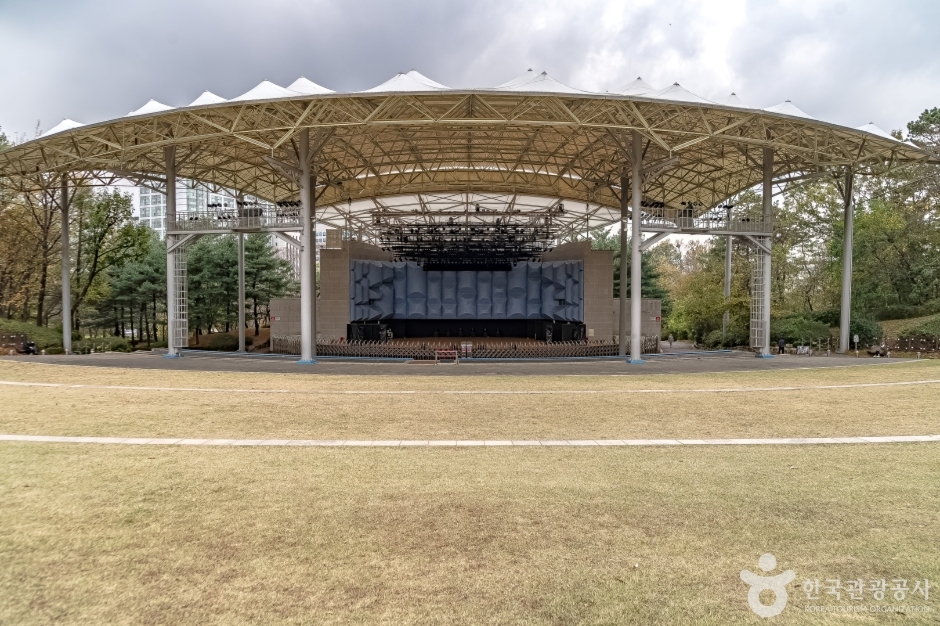
Seongnam Outdoor Theater, situated within the Bundang Jungang Park, offers seating for up to 11,000 visitors, featuring 480 fixed seats and a sprawling 6,600-square-meter grass seating area. Annually hosting concerts, art festivals, exhibitions, and diverse performances, it consistently delights its visitors with high-quality entertainment.
Football Faentasium (풋볼 팬타지움)
15.9Km 2022-09-13
240, World Cup-ro, Mapo-gu, Seoul
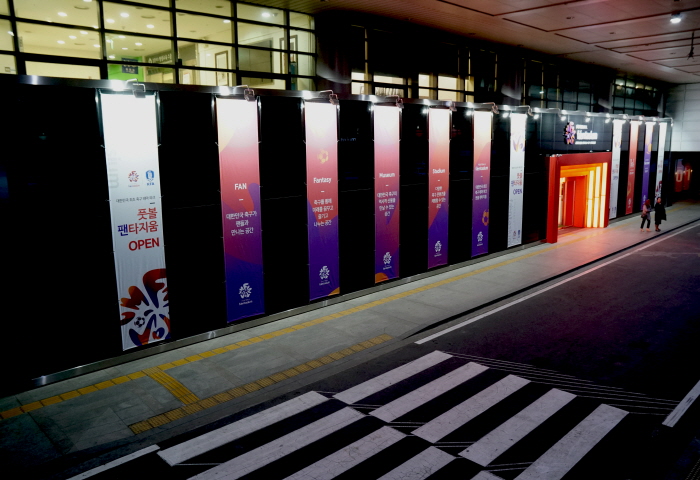
Football Faentasium is the first soccer-themed experience museum in Korea, founded by the Korea Football Association. The museum uses the lastest in IT for exciting displays, experiences, educational lessons, and more for a facility more like a theme park than a museum. The name comes from a mix of the words fan, fantasy, museum, and stadium.
Seoul World Cup Stadium (서울월드컵경기장)
16.0Km 2025-03-15
240 World Cup-ro, Mapo-gu, Seoul
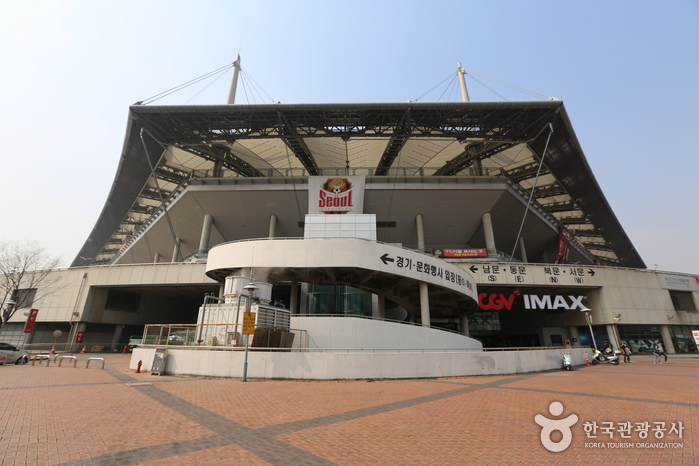
Seoul World Cup Stadium, constructed for the 2002 World Cup co-hosted by South Korea and Japan, stands as the largest soccer-specific stadium in Korea. Currently serving as the home ground for FC Seoul's K-League , it also hosts matches for the South Korean national soccer team. The vicinity boasts large-scale supermarkets, cinemas, sports centers, and saunas. Nearby attractions include Haneul Park and Pyeonghwa Park.
Anyang Art Park (안양예술공원)
16.0Km 2025-10-23
7 Yesulgongwon-ro 131beon-gil, Manan-gu, Anyang-si, Gyeonggi-do
Anyang Art Park, formerly known as Anyang Recreational Park, is an easily accessible, well-maintained cultural space. It has been revitalized with updated features such as artificial waterfalls, an outdoor stage, a plaza, walking paths, and enhanced lighting facilities. The park promotes art projects by displaying 50 artworks from renowned Korean and international artists throughout various locations. Nearby, visitors can explore additional local attractions including hiking trails through dense forests, traditional temples such as Anyangsa Temple and Yeomburam Hermitage, the treasure-designated Flagpole Supports at Jungchosa Temple Site, and the Kimchungup Architecture Museum, all of which contribute to a rich area experience.
 English
 한국어
한국어 日本語
日本語 中文(简体)
 Deutsch
 Français
 Español
 Русский


