
Gyeongnidan Street (경리단길)
8.9Km 2023-01-18
Itaewon-dong, Yongsan-gu, Seoul
Gyeongnidan Street refers to the 937-meter-long road from the main gate of MND Financial Management Corps to Grand Hyatt Seoul as well as all of the nearby streets and alleys. It is called Gyeongnidan Street because the Korean army's central finance corps, or Gyeongnidan in Korean, used to be located here, and has gained fame for presenting a different vibe than that of Itaewon despite being part of Itaewon-dong. Gyeongnidan Street is an area of culture and youth where people are able to enjoy diverse and special cuisine and dishes at unique restaurants and cafes. Although it resembles a typical neighborhood of Seoul, it features foreigners who have come from many different places around the globe living in natural harmony with Korean locals, which exudes a unique, exotic atmosphere. It is fun to walk along the various streets and alleys to discover novel and sophisticated shops.
Archaeological Site in Amsa-dong, Seoul (서울 암사동 유적)
8.9Km 2021-07-27
875, Olympic-ro, Gangdong-gu, Seoul
+82-2-3425-6520
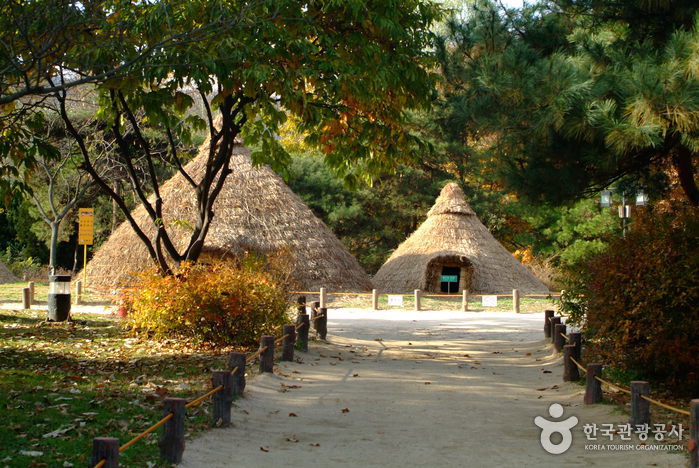
The Archaeological Site in Amsa-dong reproduces the lifestyle of the Neolithic Era. Even the entrance gate is shaped like a huge dolmen and the trash cans are ancient diagonal-line patterned earthenware. Archaeological Site in Amsa-dong was excavated in 1925 when a flood washed away the soil on the banks of the Hangang River and exposed a large number of diagonal-line patterned earthenware. After several excavations, the Archaeological Site in Amsa-dong was established.
The site was a location for a massive colony, thus many ancient buildings, stone axes and stone arrows have been uncovered as well as countless diagonal-line patterned earthenware. The housing site is round with a spot in the center for fire. The site is colossal and possesses nine mud huts, two exhibition halls displaying ancient artifacts and an open mud hut where visitors can experience life in the Neolithic Era. The site offers many attractions such as mud huts and promenades. Archaeological Site in Amsa-dong is also very educational for children and families who want to learn and experience the Neolithic Age.
Seoul Grand Park (서울대공원)
9.0Km 2023-03-17
102, Daegongwongwangjang-ro, Gwacheon-si, Gyeonggi-do
+82-2-500-7335
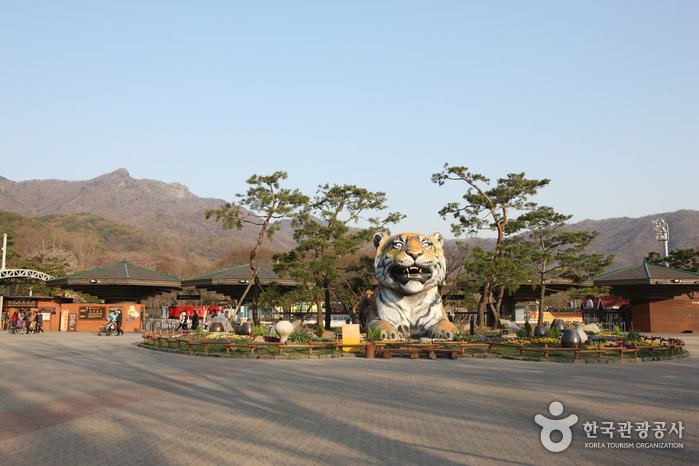
Seoul Grand Park is a family-friendly amusement park consisting of various themed facilities that promote the growth and preservation of diverse animals and plants.
[Seoul Zoo]
Seoul Zoo aims to provide an ideal environment for animals to grow and live as well as exhibit, preserve, and research rare animals and educate the public. As a result of the zoo's hard work and efforts, it is the only zoo in Korea to be certified as a member of both ISIS and IUDZG-WZO.
[Botanical Garden]
Seoul Grand Park's Botanical Garden was opened in 1985 amidst the lush forest situated at the foot of Cheonggyesan Mountain. The garden consists of a greenhouse, exhibition facilities, and themed gardens that boast a collection of over 41,000 plants from 1,262 different species. The greenhouse preserves and exhibits tropical and subtropical plants that are not found in Korea. Moreover, the Botanical Garden offers various activities and experience programs related to plants and forests.
[Theme Garden]
The Theme Garden is one of the most representative facilities of Seoul Grand Park. The Theme Garden consists of a Rose Garden and Children's Zoo. Seasonal plants and flowers as well as diverse themed garden programs are offered.
[Healing Place]
The Healing Place is a forest formed at the foothills of Cheonggyesan Mountain that surrounds the border of Seoul Grand Park. Main facilities consist of Healing Forest Walkway; Water, Wind & Sunshine Healing Zone; Barefoot Road; Aroma Garden; and Forest Plaza.
[Healing Forest Walkway]
Healing Forest Walkway is a walking path lined by diverse trees that form a lush forest serving as a habitat for small animals like squirrels, rabbits, raccoons, and more. The walking path is approximately 8 kilometers long and divided into four sections. The shortest course takes approximately 30 minutes to complete, while the full course requires 3 hours.
[Campsite]
The campsite within the Seoul Grand Park is the perfect place to camp out, hold picnics and enjoy recreational activities with friends and families. The main facilities consist of a campsite, volleyball court, basketball court, snack bar, and shower facilities. The campsite is open from March to November, except in the case of harsh weather conditions.
Cheonggyecheon Museum (청계천박물관)
9.0Km 2021-11-02
530, Cheonggyecheon-ro, Seongdong-gu, Seoul
+82-2-2286-3410
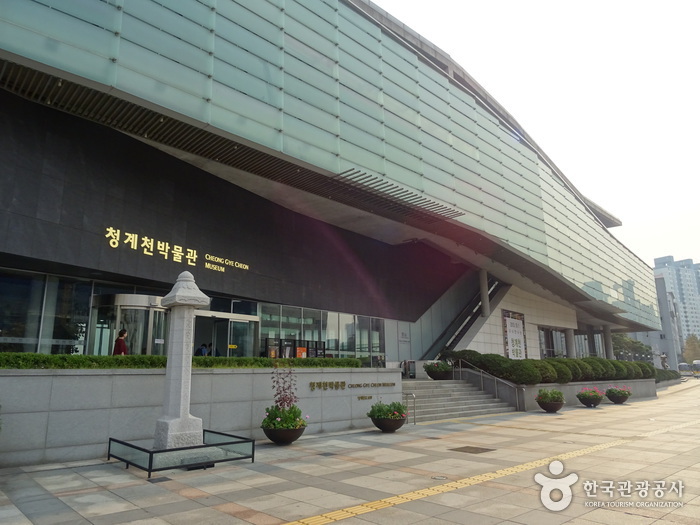
Cheonggyecheon Museum officially opened in October 2005. The museum’s long, glass exterior represents the flowing waters of Cheonggyecheon Stream, which runs through the heart of Seoul. The museum has a permanent exhibition hall, special exhibition hall, educational hall, and an auditorium. The museum contains visual representations of Seoul before and after the transition of Cheonggyecheon Stream. The permanent exhibition hall was remodeled in October 2015, and now offers even more ways to view the history of Seoul as shaped by Cheonggyecheon Stream.
National Theater of Korea (국립극장)
9.0Km 2024-03-06
59, Jangchungdan-ro, Jung-gu, Seoul
+82-2-2280-4114
The National Theater of Korea opened in 1950 as the first national theater in Asia. It is the only production theater that takes traditional arts to recreate them as contemporary art. It offers various types of theaters, such as Haeoreum Grand Theater, Daloreum Theater (middle-size), Immersive Studio ByeolByeol (small-size), and Haneul Round Theater with a circular stage structure. In addition, the Museum of Performing Arts, Cultural Plaza, and other convenience stores and coffe shops offer pleasure and relax to its visitors.
Jangchung Gymnasium (장충체육관)
9.0Km 2024-03-12
241, Dongho-ro, Jung-gu, Seoul
+82-2-2128-2800
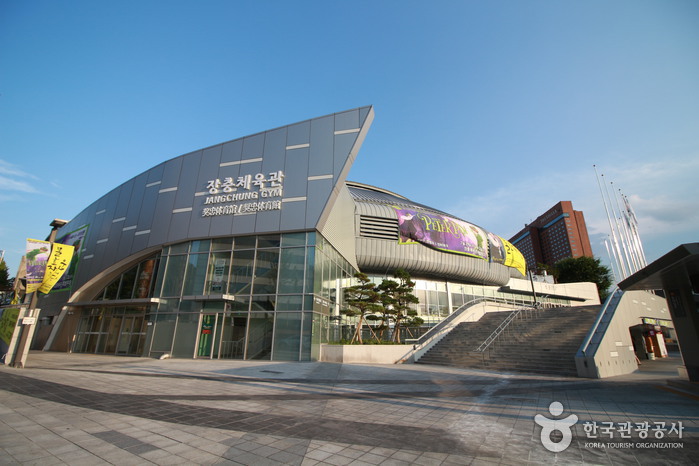
Jangchung Gymnasium is Korea's first domed gymnasium and opened in 1963. It was renovated in 2015 to become what it is today. It is famous for hosting the Korean Professional Volleyball League during the winter months. The gymnasium also boasts a variety of athletic competitions, cultural performances, and events. Nearby are Jangchungdan Park, Jangchung-dong Jokbal Street, and Dongdaemun Historical and Cultural Park, which are all worth exploring.
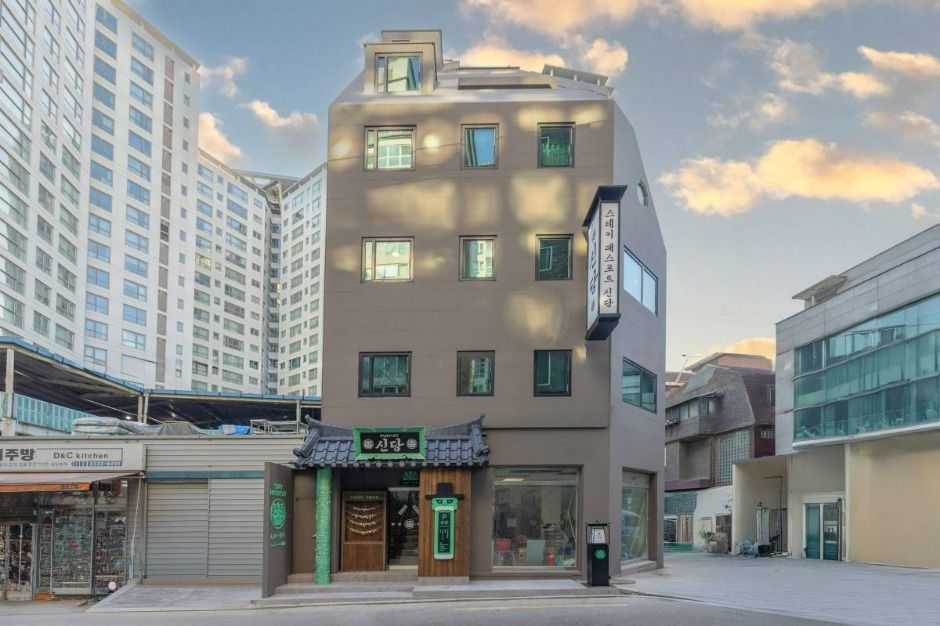
Stay Passport Sindang Ryokan (스테이 패스포트 신당 료칸)
9.0Km 2025-04-24
33 Nangye-ro 11-gil, Jung-gu, Seoul
Stay Passport Sindang Ryokan offers a four major room types: "Goyo" and "Sohyang," designed for two who seek privacy and relaxation away from the busy city life; "Pungryu," accommodating up to four people, perfect for family guests or a group of friends; and "Pungyo," designed to offer utmost relaxation.
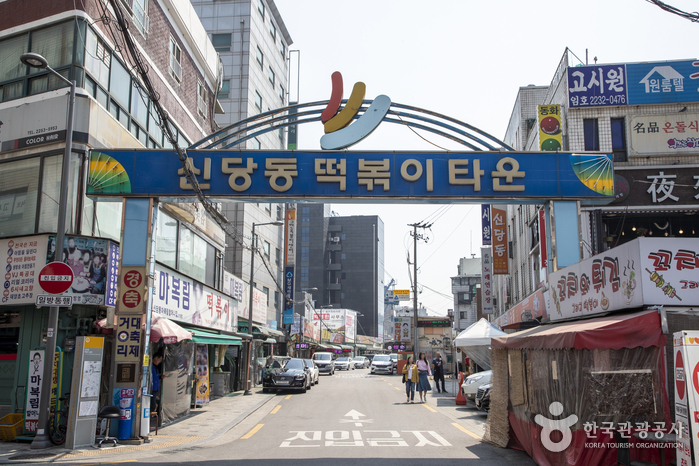
Sindang-dong Tteokbokki Town (신당동떡볶이골목)
9.0Km 2022-10-25
10-18, Dasan-ro 33-gil, Jung-gu, Seoul
+82-2-2236-9135
Sindang-dongTteokbokki Town started in the late '70s, although the alley did not become famous until the '80s. At that time, each restaurant had its own DJ booth, with the image of the "cool DJ" who played the music becoming a symbol of Sindang-dong Tteokbokki Town. In addition, this period also marked the prime time of high school baseball where students would crowd the streets on days when Duksoo Commercial High School and Sunrin Commercial High School (now Sunrin Internet High School) played against one another. Although these high school students have aged, they continue to visit the area, reliving their youth and continuing to indulge in the specialty tteokbokki.
However, some claim the history of this alley began in the 1950s. The owner of Mabongnim Halmeoni Tteokbokki restaurant says tteokbokki was being sold as early as 1953 as the area used to be home to Donga Theater and she sold tteokbokki, corn and potatoes to those visiting the theater. At first, tteokbokki was simply made with gochujang (red chili paste) but as time went by, cooks decided the dish could be more than just a snack. By adding ingredients like eggs, cellophane noodles, fish cakes, instant noodles and more recently squid, prawn and cheese, tteokbokki can be made more delicious and turns this beloved snack into a full meal.
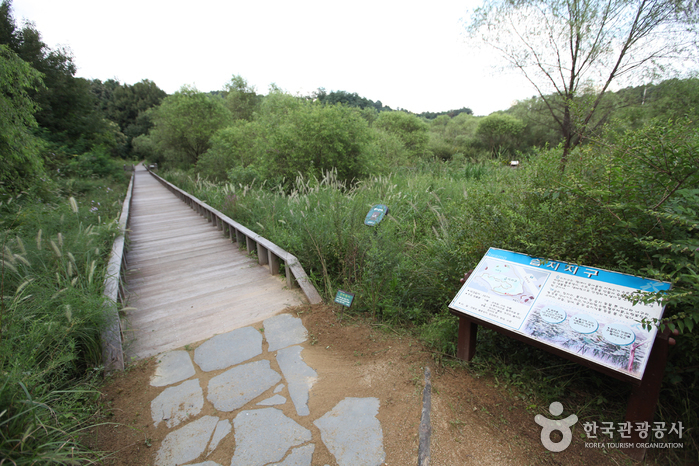
Gildong Ecological Park (길동생태공원)
9.1Km 2021-10-23
1291, Cheonho-daero, Gangdong-gu, Seoul
+82-2-489-2770
Gildong Ecological Park was founded by the Seoul government by restoring the wetland on the side of Cheonho-daero. The park maintains and preserves a wide range of flora and fauna in their natural habitats, allowing park visitors to observe plants, animals and insects in a natural ecosystem, and to learn about the importance of nature conservation.
The 80,683 ㎡ park is divided into a wetland zone, forest zone, and grassland zone. Amenities include an outdoor classroom, outdoor exhibition space, observation deck, pergolas, and more. The bird observation platform in particular is a great way to birdwatch in the urban landscape.
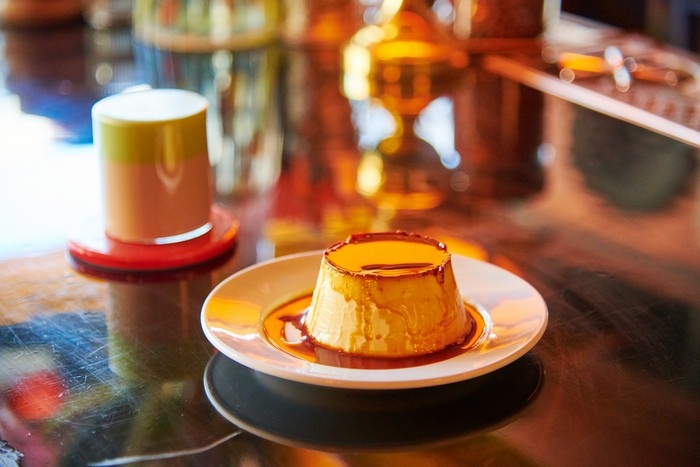
HILLS & EUROPA (힐즈앤유로파)
9.1Km 2025-11-05
35 Sinheung-ro, Yongsan-gu, Seoul
Haebangchon's Hot Place
Singer Lee Hyori's OTT entertainment program 'Seoul Check-in' was filmed, and you can enjoy the atmosphere of Haebangchon properly. The low wooden ceiling and walls filled with unique objects and LPs from all over the world create a unique and cozy atmosphere. It is always full of customers as you can enjoy great visual cocktails and delicious dishes against the backdrop of various genres of music. During the day, it is good to enjoy coffee and dessert like a cafe. It is famous for its delicious cream caramel pudding, along with coffee that makes use of the taste of coffee beans from each region of origin. There are also various types of signature cocktails, but we recommend the unique visual 'Cigar in a Glass' that Lee Hyori and Park Narae drank.
 English
 한국어
한국어 日本語
日本語 中文(简体)
 Deutsch
 Français
 Español
 Русский


