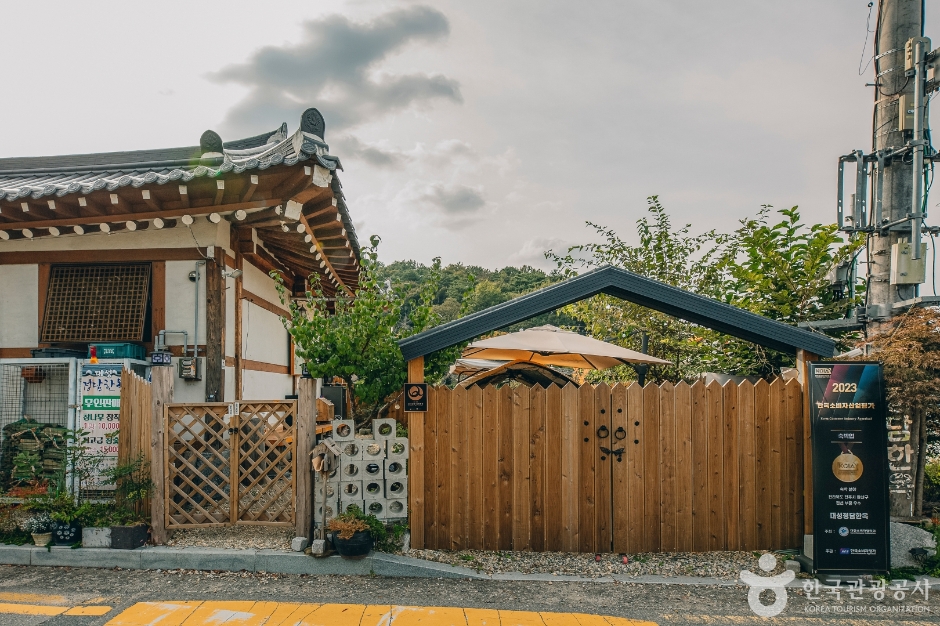
Jungdam Hanok (대성 정담한옥)
6.4Km 2024-12-13
30 , Godeoksan 1-gil, Wansan-gu, Jeonju-si, Jeonbuk-do
Jungdam Hanok is a private family pension located in a small rural village in Daeseong-dong, Jeonju. It has a two-story structure with a room, bathroom, living room, and kitchen on the first floor, and a large room and attic on the second floor. The kitchen is equipped with various kitchen utensils, and there is a separate barbecue area where you can cook barbecue on an iron pot lid. There are also several activities to enjoy such as karaoke machines, yutnori (Korean traditional board game), jegichagi (hacky sack), and badminton. Nearby tourist attractions include Jeonju Hanok Village, Gosan Natural Recreation Forest, and Songgwangsa Temple.
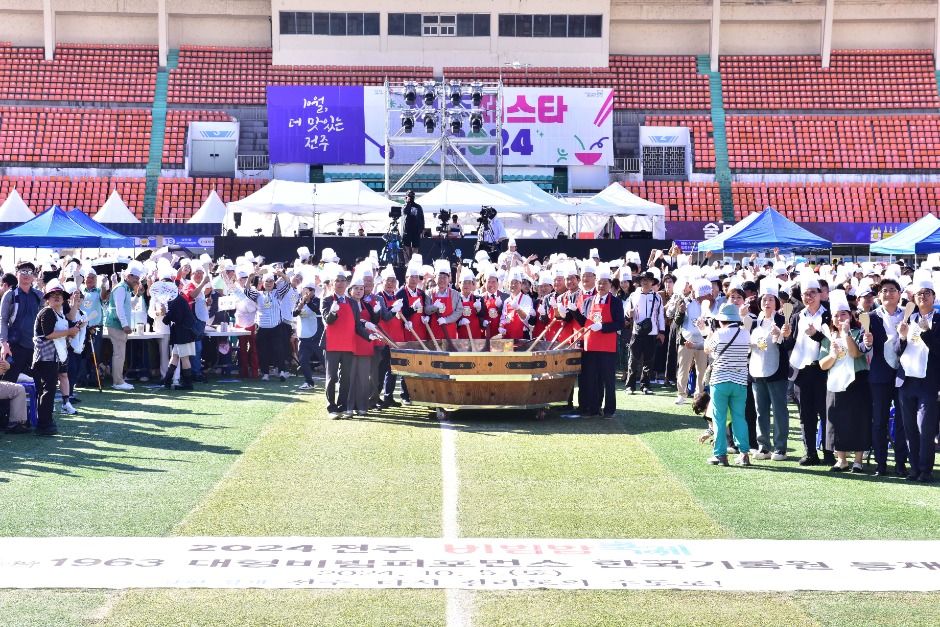
Jeonju Bibimbap Festival (전주비빔밥축제)
7.1Km 2025-10-23
1055 Girin-daero, Deokjin-gu, Jeonju-si, Jeonbuk-do
+82-63-214-1365
The Jeonju Bibimbap Festival celebrates the taste and charm of one of Korea's representative foods in the city of it's origin, Jeonju. The city has been recognized by UNESCO as a City of Gastronomy, and the festival promotes this branding. Visitors to the festival can enjoy a variety of immersive programs, including hadns-on activities and performances centered on Jeonju bibimbap.

Saekjang Rice Mill (색장정미소)
7.1Km 2024-04-07
2-15 , Wonsaekjang-gil, Wansan-gu, Jeonju-si, Jeonbuk-do
Saekjang Rice Mill, located approximately 5 minutes by car from Jeonju Hanok Village, is a unique cafe that transformed an old rice mill from the 50s. The cafe exhibits antique art works perfect as a photo spot, but the best photo zone is on the second floor that will take you back in time.
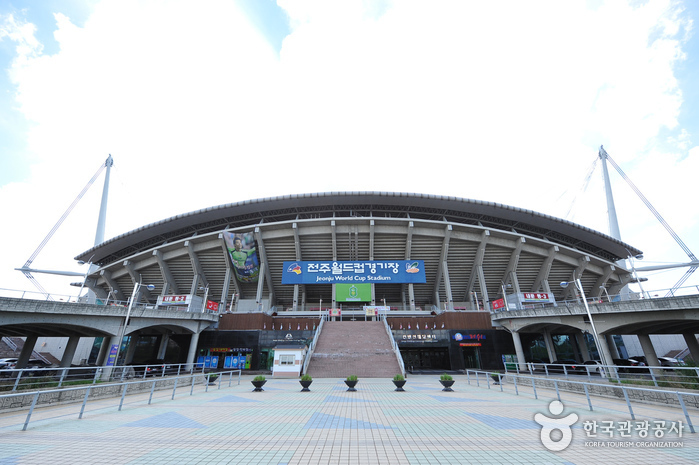
Jeonju World Cup Stadium (전주월드컵경기장)
7.2Km 2024-04-07
1055, Girin-daero, Deokjin-gu, Jeonju-si, Jeonbuk-do
The Jeonju World Cup Stadium was built with tradition in mind as its roof and stands are designed with an image of traditional fan, the pillars in sotdae design and cables in 12 strings of gayageum.
Korea Expressway Corporation Arboretum (한국도로공사 전주수목원)
8.1Km 2025-07-22
462-45 Beonyeong-ro, Deokjin-gu, Jeonju-si, Jeonbuk-do
The Korea Expressway Corporation Arboretum is located in Jeonju and operated by Korea Expressway Corporation. The arboretum was opened to counterbalance the environmental damage caused by the construction of expressways. As such, the arboretum maintains and promotes the conservation of many beautiful flora from across the country.
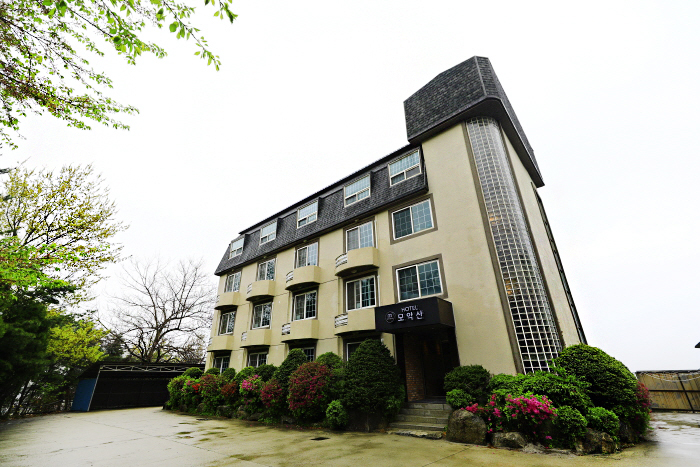
HOTEL MOAKSAN (호텔 모악산)
9.3Km 2024-08-01
104-10, Moaksan-gil, Gui-myeon, Wanju_Gun, Jeonbuk-do, Korea
The Moaksan Motel is located in the tourism complex at Moaksan Mountain. Newly refurbished and re-opened, it is known as a clean, cozy hotel offering a high standard of customer satisfaction. The tourism complex comprises a large public parking lot, local food restaurants, and a football pitch among other facilities. Moaksan Mountain is a popular hiking destination among hikers and the people of Jeonju. In addition, the hotel is just three minutes’ walk from the Jeonbuk Province Art Museum, while Gui Reservoir, where the National Canoe Championships is held by the Korea Canoe Federation, is situated in front of the hotel. The hotel also offers easy access to public transportation as the bus stop (Bus No. 970) is situated in the tourism complex, allowing guests to travel directly to Jeonju Bus Terminal.
Moaksan Mountain (모악산)
9.4Km 2024-04-07
Gui-myeon, Wanju-gun, Jeonbuk-do
Moaksan Mountain is a mountain with an elevation of 793 meters, spanning across Gui-myeon in Wanju-gun, and Geumsan-myeon in Gimje-si, Jeollabuk-do. It overlooks the Honam Plain, a major agricultural region in Korea, and houses the precious Buddhist cultural heritage site, Geumsansa Temple, along with its subsidiary hermitages. To the north of the mountain lies the beautiful Gui Reservoir, and there are walking paths around the reservoir, providing a pleasant walking experience.
Gwisinsa Temple - Gimje (귀신사 - 김제)
9.5Km 2024-04-07
40, Cheongdo 6-gil, Gimje-si, Jeonbuk-do
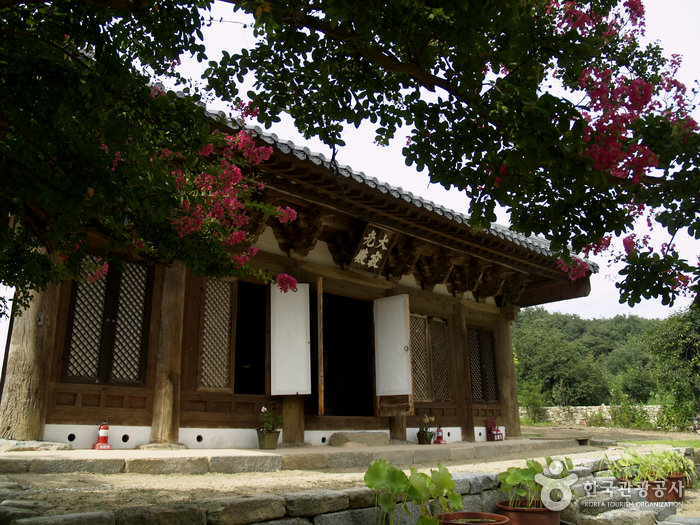
Gwisinsa, located in Cheongdo Village, Geumsan-myeon, Gimje-si, is now a temple of the Jogye Order, but once belonged to the Haweom Order. The temple is widely believed to have been established by the great monk Uisang Daesa during the 16th year of King Munmu (676). However, some experts site the existence of the Namgeunseok stone animal sculpture as proof that the temple was originally the private temple of King Beop of the Baekje Kingdom.
Throughout history, the temple has had many names—Guksinsa, Gwisinsa, Gusunsa, and Gwisinsa (same English spelling, different meaning)—but not much is known about when the temple was called by which name. On the temple grounds are a 3-story stone pagoda and some stone sculptures including seoksu (animal statues) and budo (a stupa in honor of a great master). Inside the temple are Daejeokgwangjeon Hall (Treasure No.826), Myeongbujeon Hall, and Gongyangjib Chamber (a chamber for Buddhist offerings).
Bibinakan (비비낙안)
10.3Km 2025-11-06
26 Bibijeong-gil, Samnye-eup, Wanju-gun, Jeonbuk-do
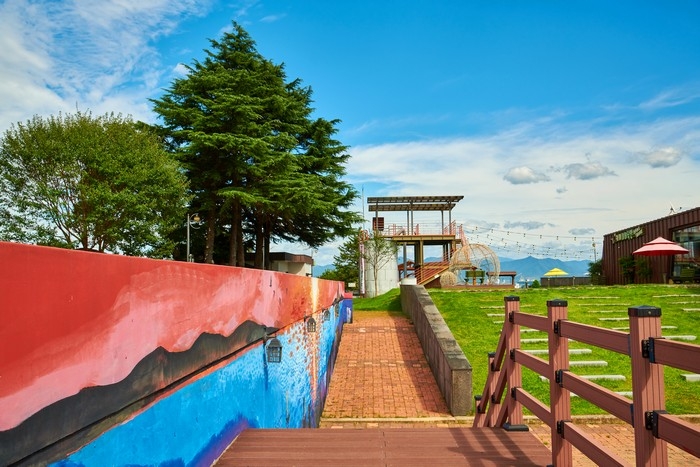
Climbing the steep stairs leading to Bibinakan affords one a view of the open lawn and view of the cafe where BTS members sat comfortably. The scenery of Wanju and the leisurely flow of the Mangyeonggang River as well as downtown Jeonju can be seen in a panoramic view without obstruction. Especially when the sun goes down, the sunset over the river is spectacular scenery.
◎ Travel information to meet Hallyu’s charm
Bibinakan, along with Oseongje Reservoir and Awon Museum and Hotel, is considered one of the refreshing spots in Wanju favored by BTS members. While you enjoy healthy organic drinks and take in the panoramic views, you can understand why BTS chose this location.
Wanju Samrye Culture & Arts Village (완주 삼례문화예술촌)
11.0Km 2024-04-07
81-13, Samnyeyeok-ro, Wanju-gun, Jeonbuk-do
Samrye Culture & Arts Village is an art village also referred to as "Samsamyeyemimi." Once used as a granary and an official residence during the Japanese administration, it has now become a village of art. The village consists of Design Museum, Visual Media Art Gallery, Kim Sang-rym Carpentry Shop (Wood Works), and Book Museum and offers a variety of programs during exhibition events and art festivals.
 English
 한국어
한국어 日本語
日本語 中文(简体)
 Deutsch
 Français
 Español
 Русский


