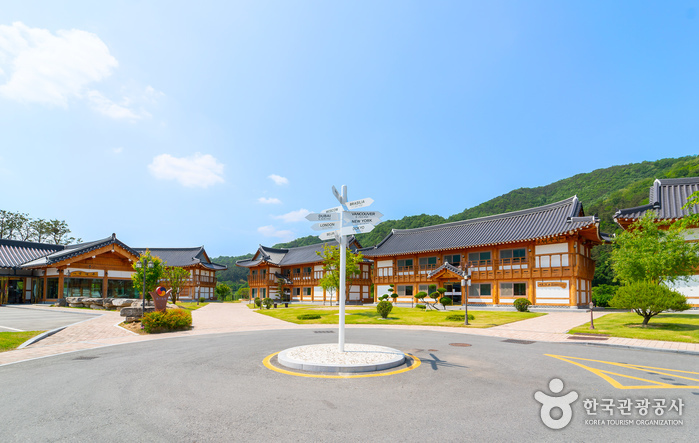
Sejonggwan of the Royal Room (왕의지밀 세종관)
6.1Km 2024-12-23
5218-22 , Chunhyang-ro, Wansan-gu, Jeonju-si, Jeonbuk-do
Wangui Jimil Sejonggwan (Royal Room of King Sejong) in Jeonju, Jeollabuk-do, is a hotel that combines hanok style with modern convenience - one of a group of hotels named after Joseon kings. There are eight guestrooms, divided into Gold and Silver class, and all equipped with bathrooms and toilets. Rooms have exposed beams and traditional furniture, and the scenic views and chirping of insects beyond the large windows add to the charm. Additional facilities include a hanok cafe, a restaurant, and a convention center. Guests can reach anywhere in Jeonju Hanok Village in about 10 minutes by car.

Jeonju Hanok Railbike (전주한옥레일바이크)
6.1Km 2024-05-27
420 Dongbu-daero, Deokjin-gu, Jeonju-si, Jeonbuk-do
Jeonju Hanok Railbike runs along an abandoned section of railroad on the Ajung Line near Jeonju Hanok Village, one of Korea’s largest landmarks. The course runs approximately 3.4 kilometers round-trip from Silli to Waemangsil at a speed of about 15 to 20 kilometers per hour.
Railbikes make for a fun activity for individuals, groups of family or company, field trips, experiential study and other varied events. The railbikes are available to enjoy all year round and the rail park houses varied subsidiary facilities including a photo zone, and Ajung Dabang.
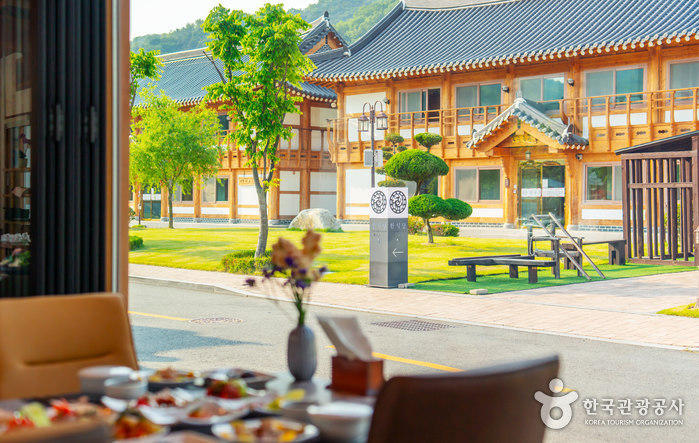
Munjonggwan of the Royal Room (왕의지밀 문종관)
6.1Km 2024-12-23
5218-20 , Chunhyang-ro, Wansan-gu, Jeonju-si, Jeonbuk-do
Wangui Jimil Moonjonggwan (‘Royal Room of King Munjong’) in Jeonju, Jeollabuk-do, is a hotel that combines hanok style with modern convenience - one of a group of hotels named after Joseon kings. There are eight guestrooms, divided into Gold and Silver class, and all equipped with bathrooms and toilets. Rooms have exposed beams and traditional furniture, and the scenic views and chirping of insects beyond the large windows add to the charm. Additional facilities include a hanok cafe, a restaurant, and a convention center. Guests can reach anywhere in Jeonju Hanok Village in about 10 minutes by car.
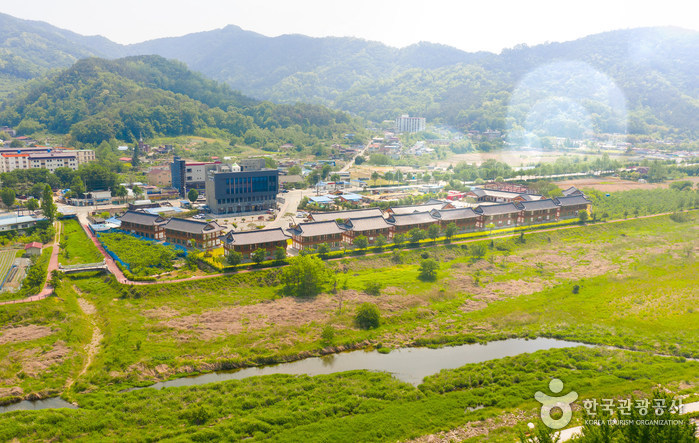
Sejogwan of the Royal Room (왕의지밀 세조관)
6.2Km 2024-12-23
5218-18 , Chunhyang-ro, Wansan-gu, Jeonju-si, Jeonbuk-do
Wangui Jimil Sejogwan (‘Royal Room of King Sejo’) in Jeonju, Jeollabuk-do, is a hotel that combines hanok style with modern facilities - one of a group of hotels named after Joseon kings. There are six rooms, divided into Gold and Silver class, and all equipped with bathrooms and toilets. Rooms have exposed beams and traditional furniture, and the scenic views and chirping of insects beyond the large windows add to the charm. Additional facilities include a hanok cafe, a restaurant, and a convention center. Guests can reach anywhere in Jeonju Hanok Village in about 10 minutes by car.
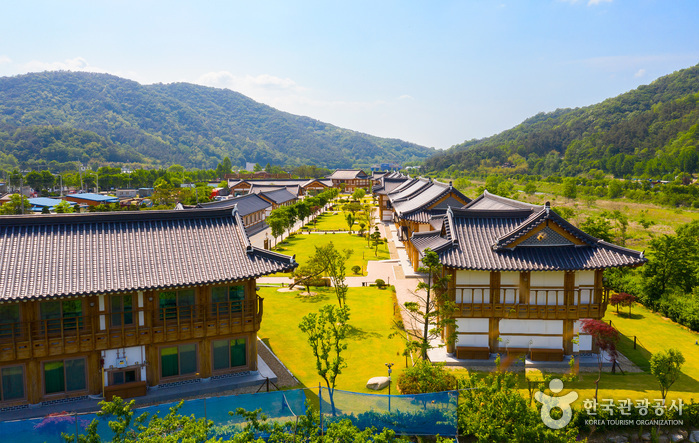
Gojonggwan of the Royal Room (왕의지밀 고종관)
6.2Km 2024-12-23
5218-18 , Chunhyang-ro, Wansan-gu, Jeonju-si, Jeonbuk-do
Wangui Jimil Gojonggwan (‘Royal Room of Emperor Gojong’) in Jeonju, Jeollabuk-do, is a hanok hotel that combines hanok style with modern convenience - one of a group of hotels named after Joseon kings. The hotel has six rooms graded 2, 3 and 5 with Silver rooms and Gold rooms. All rooms have a bathroom and toilet, and the sunlight pouring through the large windows adds coziness to the interior. Additional facilities incude a hanok cafe, a restaurant, and a convention center. Guests can reach anywhere in Jeonju Hanok Village in about 10 minutes by car.
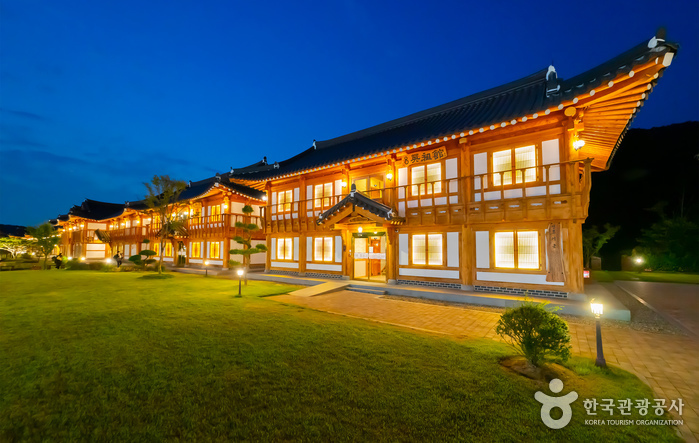
Seonjogwan of the Royal Room (왕의지밀 선조관)
6.2Km 2024-12-23
5218-16 , Chunhyang-ro, Wansan-gu, Jeonju-si, Jeonbuk-do
Wangui Jimil Seonjogwan (‘Royal Room of King Seonjo’) in Jeonju, Jeollabuk-do, is a hotel combining hanok style with modern facilities - one of a group of hotels named after Joseon kings. The hotel has six rooms graded 2, 3 and 5, with Silver rooms on the 1st floor, and Gold rooms on the 2nd floor; as there is no elevator, it’s recommended that elderly guests book into a 1st floor room. Additional facilities include a hanok cafe, a restaurant, and a convention center. Major tourist attractions such as Namgosa Temple and Jeonju Hanok Village are 10 minutes away by car.
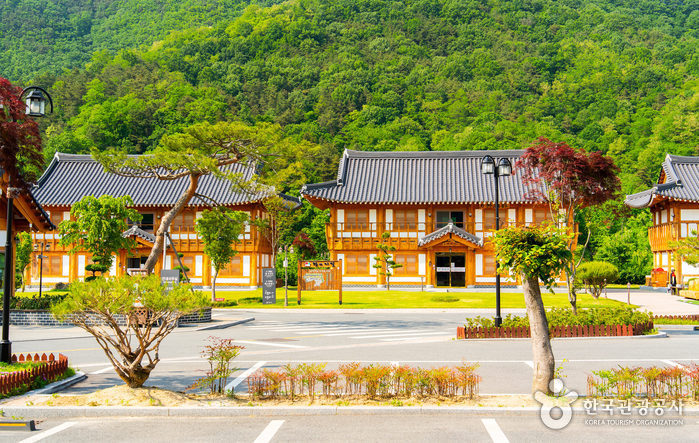
Sukjonggwan of the Royal Room (왕의지밀 숙종관)
6.2Km 2024-12-23
5218-14 , Chunhyang-ro, Wansan-gu, Jeonju-si, Jeonbuk-do
Wangui Jimil Sukjonggwan (‘Royal Room of King Sukjong’) in Jeonju, Jeollabuk-do, is hotel combining hanok style with modern facilities - one of a group of hotels named after Joseon kings, which are popular with family travelers. There are 6 guestrooms, most with exposed beams and traditional furniture; and the Grade 2 Gold and Silver rooms, big enough for six people, are especially popular with family travelers. Some rooms have two beds and a jacuzzi. Additional hotel facilities include a hanok cafe, a restaurant, and a convention center. Major tourist attractions such as Namgosa Temple and Jeonju Hanok Village are 10 minutes away by car.
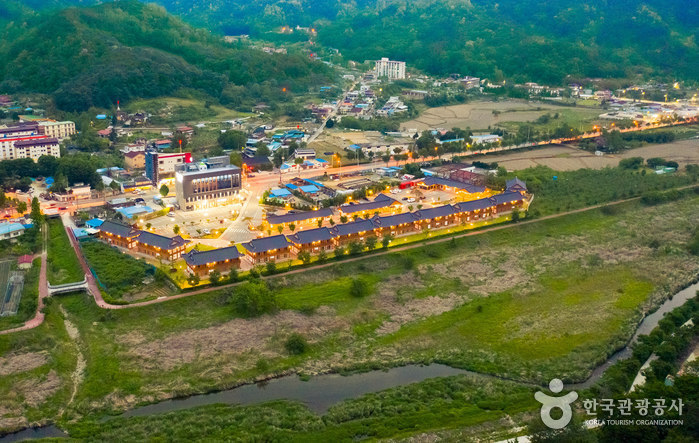
Jeongjogwan of the Royal Room (왕의지밀 정조관)
6.3Km 2024-12-23
5218-10 , Chunhyang-ro, Wansan-gu, Jeonju-si, Jeonbuk-do
Wangui Jimil Jeongjogwan (‘Royal Room of King Jeongjo’) in Jeonju, Jeollabuk-do is a hotel that combines hanok style with modern convenience - one of a group of hotels named after Joseon kings. The hotel has six guest rooms, most with exposed beams and traditonal furniture, and the Grade 2 Gold and Silver rooms, big enough for six people, are especially popular with family travelers. Additional facilities include a hanok cafe, a restaurant, and a convention center. Major tourist attractions such as Namgosa Temple and Jeonju Hanok Village are 10 minutes away by car.
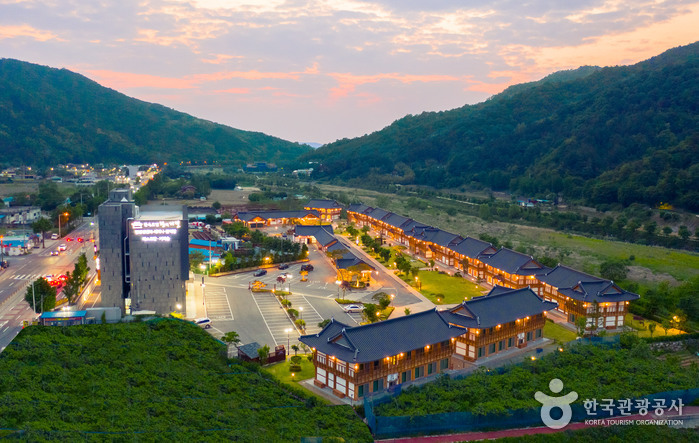
Sunjonggwan of the Royal Room (왕의지밀 순종관)
6.3Km 2024-12-23
5218-6 , Chunhyang-ro, Wansan-gu, Jeonju-si, Jeonbuk-do
Wangui Jimil Sunjonggwan (‘Royal Room of King Sunjong’) in Jeonju, Jeollabuk-do,’ is a hotel that combines traditional hanok style with the convenience of modern facilities - one of a group of hotels named after Joseon kings. The hotel has six rooms graded 2, 3 and 5 with Silver rooms and Gold rooms.; all rooms have fine scenic views. Additional facilities include a hanok cafe, a restaurant, and a convention center. Guests can reach anywhere in Jeonju Hanok Village in about 10 minutes by car.
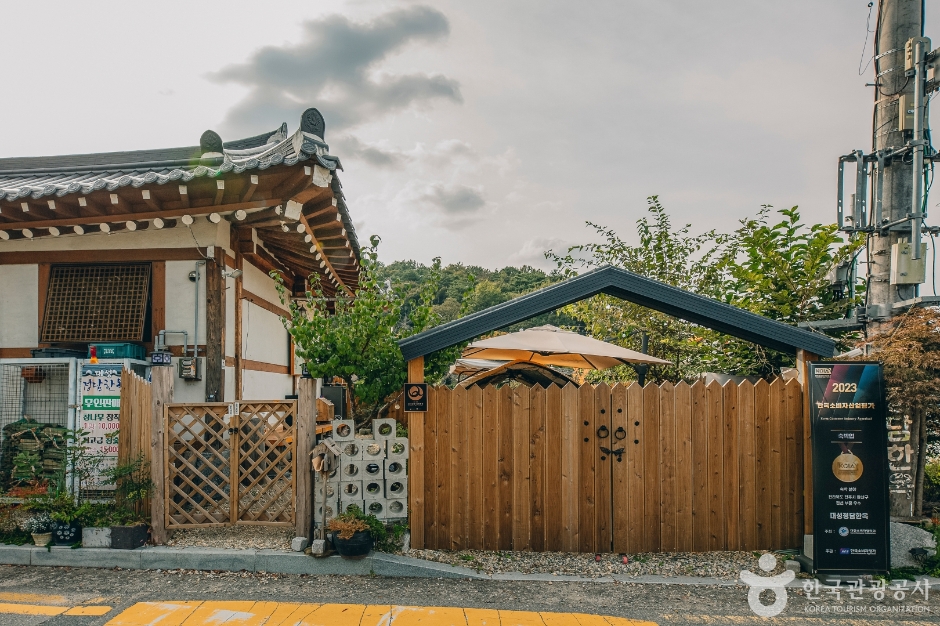
Jungdam Hanok (대성 정담한옥)
6.4Km 2024-12-13
30 , Godeoksan 1-gil, Wansan-gu, Jeonju-si, Jeonbuk-do
Jungdam Hanok is a private family pension located in a small rural village in Daeseong-dong, Jeonju. It has a two-story structure with a room, bathroom, living room, and kitchen on the first floor, and a large room and attic on the second floor. The kitchen is equipped with various kitchen utensils, and there is a separate barbecue area where you can cook barbecue on an iron pot lid. There are also several activities to enjoy such as karaoke machines, yutnori (Korean traditional board game), jegichagi (hacky sack), and badminton. Nearby tourist attractions include Jeonju Hanok Village, Gosan Natural Recreation Forest, and Songgwangsa Temple.
 English
 한국어
한국어 日本語
日本語 中文(简体)
 Deutsch
 Français
 Español
 Русский


