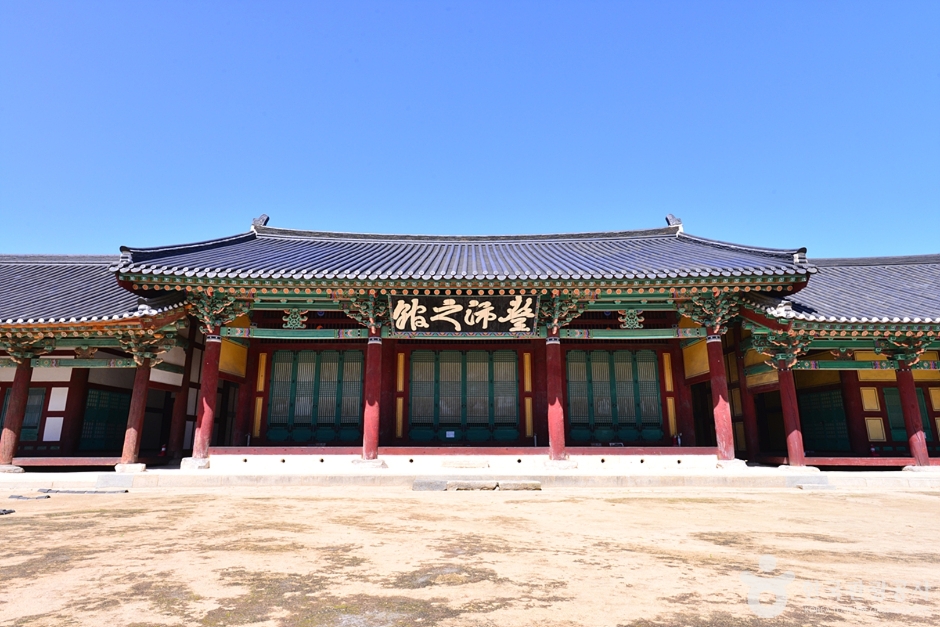
Jeonju Pungpaejigwan Guesthouse (전주 풍패지관 (전주객사))
3.2Km 2024-05-27
59 Chunggyeong-ro, Wansan-gu, Jeonju-si, Jeonbuk-do
During the Joseon dynasty, officials and envoys visiting Jeonju stayed here. Today, it is open for anyone to see. The long and spacious maru (wooden central space) is open to the public, making it a comfortable resting place for citizens and tourists. Located in downtown Jeonju, it is easy to find and close to Jeonju Hanok Village.
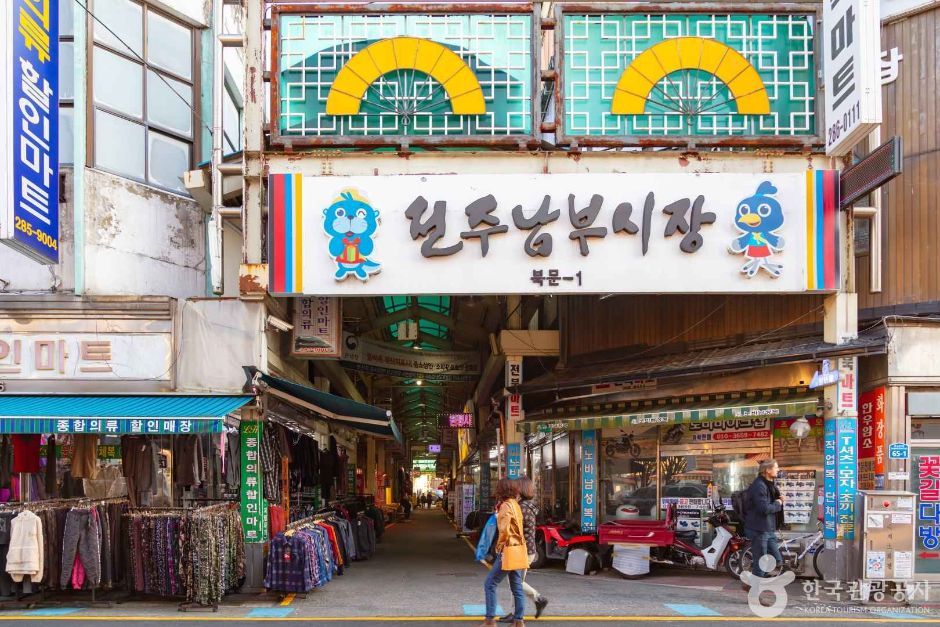
Jeonju Nambu Traditional Market (전주 남부시장)
3.3Km 2025-07-22
19-3 Pungnammun 1-gil, Wansan-gu, Jeonju-si, Jeonbuk-do
Jeonju Nambu Traditional Market opened as a regular public market in 1905 at the site of the Joseon-era Nammunbakk Market, located just outside the Southern gate to the city. Currently the market is comprised of about 800 stores with 1,200 workers selling vegetables, fruits, food, dried fish, furniture, silk goods, and general goods.
The market was revitalized with the creation of the Youth Market, located in the previously empty shops on the second floor of 6-dong. An influx of young shopkeepers and entrepreneurs has given the marketplace an exciting vibe like that found in Hongdae or Samcheong-dong.
The night market held on Fridays and Saturdays also draws in many visitors with a multitude of delicious treats, ranging from traditional dishes such as nokdujeon (mung bean pancake) to fusion treats like bibimbap served in rice paper like a spring roll.
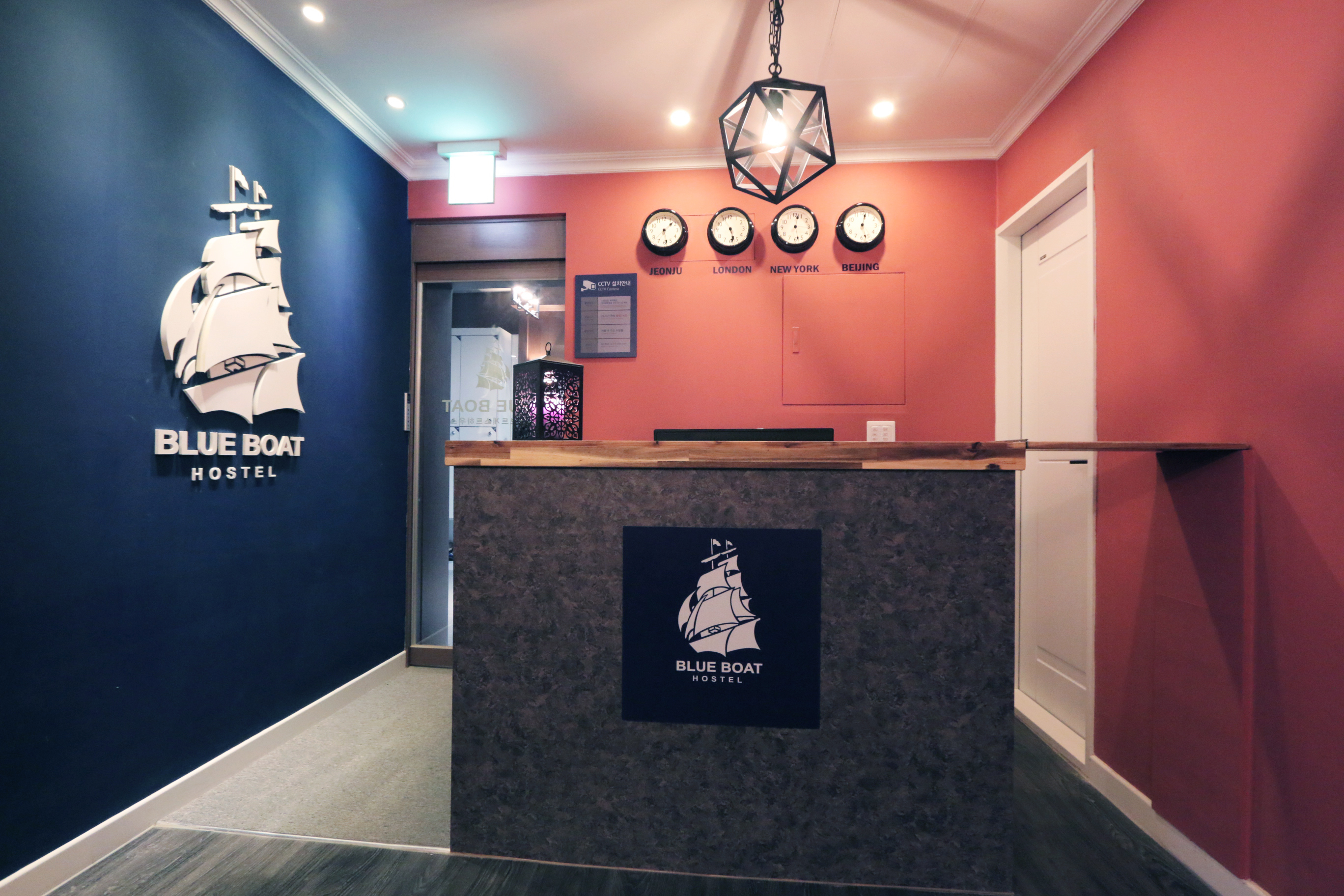
Blueboat guest house Jeonju (블루보트게스트하우스 전주점)
3.4Km 2024-12-23
75 , Chunggyeong-ro, Wansan-gu, Jeonju-si, Jeonbuk-do
The Blue Boat Guesthouse in Gyeongwon-dong, Jeonju, Jeollabuk-do, makes a stylish impression and is visited by many young travelers. Gyeonggijeon shrine, Jeondong Cathedral, Jeonju Hanok Village, and Nammun Market are all around10 minutes’ walk away. All rooms have neat iron beds, with shared bathrooms and kitchens. There is a TV in the kitchen, so residents can gather there to share information and chat.
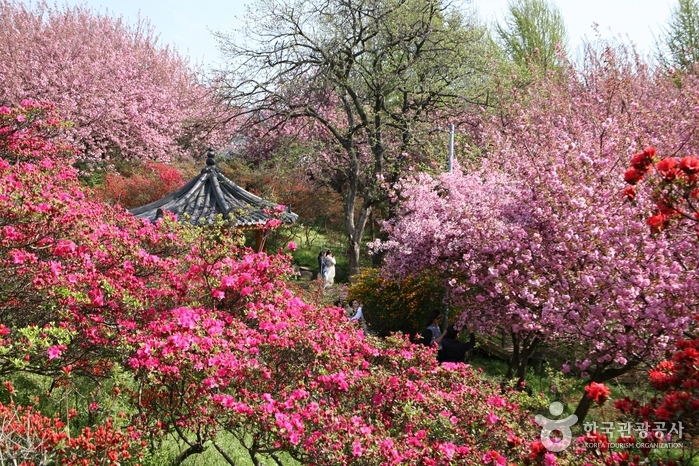
Wansan Park (완산공원)
3.4Km 2025-07-22
19-4 Gongsunae 1-gil, Wansan-gu, Jeonju-si, Jeonbuk-do
Wansan Park, also known as Wansanchilbong Peak, is located on the southern outskirts of downtown Jeonju. The mountain is known to be the origin of Iksan and Gunsan's birthplace and the mountain's fame had spread across the southern region along with Jeonju. In addition to the historically significant Chilseongsa Temple, there is a pavilion located at the top where people can look out over the surrounding area. The mountain is also a place where a fierce battle took place from the Donghak Peasant Revolution. Today, the mountain is made into a park and serves as a popular retreat for locals.
Han Kook Jib (한국집)
3.4Km 2024-12-26
119, Eojin-gil, Wansan-gu, Jeonju-si, Jeonbuk-do
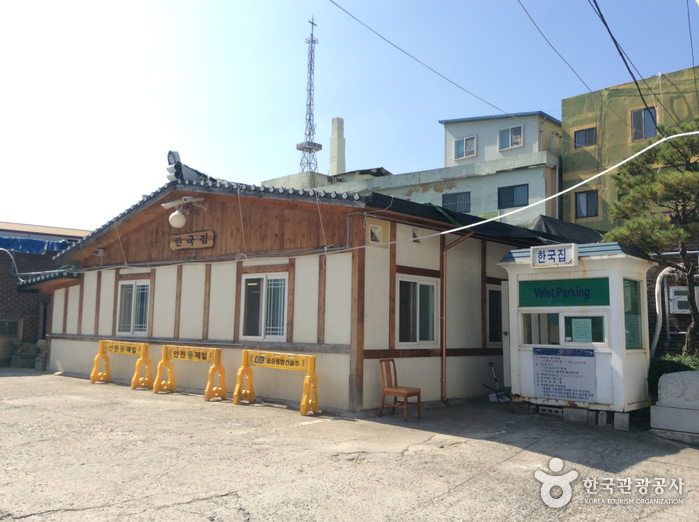
Opened in 1952, Han Kook Jib has upheld its tradition for three generations. It is housed in a renovated hanok with a beautiful courtyard. Han Kook Jib is conveniently located near major tourist sites in Jeonju, such as Jeonju Hanok Village and Gyeonggijeon Shrine.
Jeonju Pungnammun Gate (전주 풍남문)
3.4Km 2024-05-27
1 Pungnammun 3-gil, Wansan-gu, Jeonju-si, Jeonbuk-do
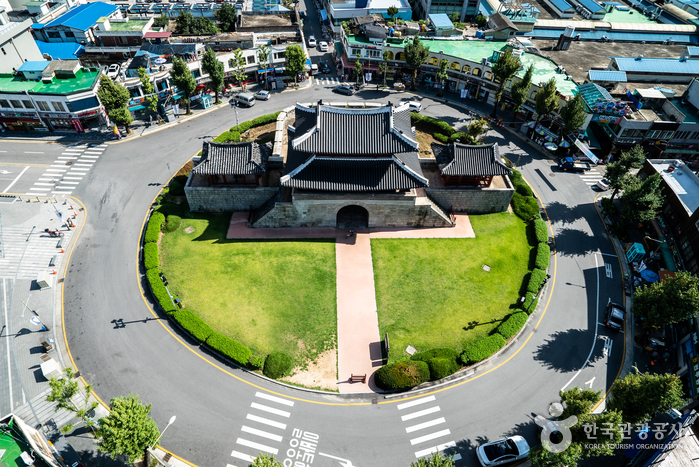
Pungnammun Gate was built during the Joseon dynasty in 1734 and is a designated Treasure. Pungnammun Gate was the southernmost gate among the four city gates of Jeonju. The structure was severely damaged by fire in 1767, followed by the restoration of the gate tower afterward. The gate was burnt down once again during the Imjin War and was restored to the gate that is seen today.
Jeonju Jeondong Catholic Cathedral (전주전동성당)
3.5Km 2024-05-27
51 Taejo-ro, Wansan-gu, Jeonju-si, Jeonbuk-do
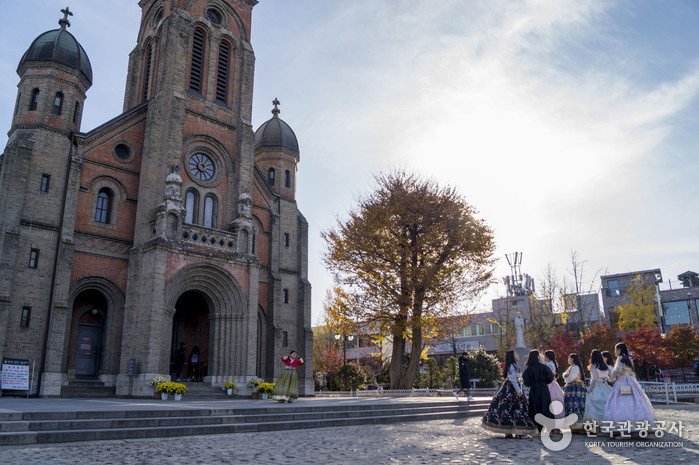
Jeondong Catholic Cathedral in Jeonju was built in honor of Roman Catholic martyrs of the Joseon dynasty on the very same spot the martyrs lost their lives. The land was purchased by French Priest Baudenet in 1891 (28th year of King Gojong), but construction of the church did not begin until 1908. Construction was completed in 1914, a time during which Korea was under Japanese rule. Though originally built just outside of Pungnammun Gate, the site of the martyrs, the church was later moved to its current location for expansion.
The first Romanesque building in the Honam region, Jeondong Catholic Cathedral is made of gray and red bricks and bears a striking resemblance to the Myeongdong Cathedral in Seoul, also designed by Priest Poinel. Not only considered one of the most beautiful Catholic churches in Korea, some even go so far as to say it is one of the most beautiful structures in all of Korea, citing the church’s unique combination of Byzantine and Romanesque architectural styles. The rectangular building is topped with three Byzantine bell towers (to the right, center, and left) and boasts arched ceilings, several of which meet in the form of a cross.
It is interesting to note that some of the bricks used in construction of the church were made using materials from the Jeonjueupseong Walled Town, which was torn down by the Japanese. It is also said that the cornerstone of the church came from a wall of Jeonjueupseong Walled Town near Pungnammun Gate.
Royal Portrait Museum (어진박물관)
3.5Km 2024-04-07
44, Taejo-ro, Wansan-gu, Jeonju-si, Jeonbuk-do
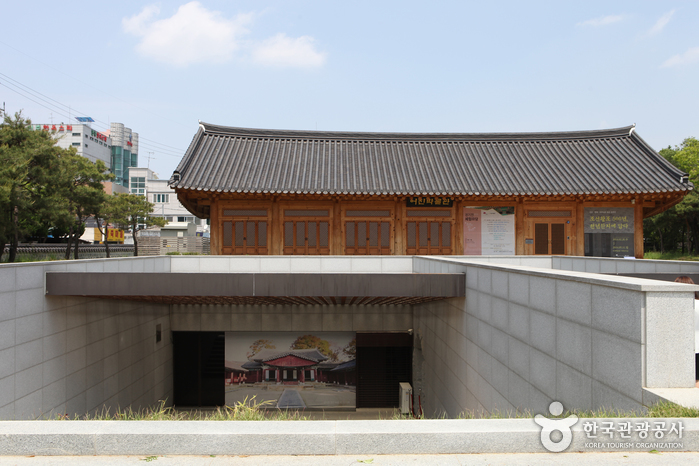
Opened on November 6, 2010, the Royal Portrait Museum is one of the newest attractions of Jeonju, located within the Gyeonggijeon Shrine. Royal Portrait Museum is a valuable museum as a new tourism resource of Jeonju as well as Gyeonggijeon Shrine and the Portrait of King Taejo, as well as other various high-class exhibitions to preserve, manage, and enhance the glorious cultural assets of Joseon royal family. The museum is comprised of one above-ground level and one underground level with an area of 1,193.71 square meters. The Portrait of King Taejo and six other king’s portraits (Portrait of King Sejong, King Yeongjo, King Jeongjo, King Cheoljong, King Gojong, and King Sunjong) are exhibited on the first floor. The portraits are preserved in temperature- and humidity-controlled cases. In addition, the museum houses History Hall, Palanquin Hall, a planned exhibition hall, resting area, management office and storage room for relics. Palanquin Hall exhibits Hyangjeong (Palanquin for Incense Burner and Case), Sinyeon (Palanquin for Royal Portrait and Palanquin for Mortuary Tablet), Chaeyeo (Palanquin for High Officials), Gagyo (Palanquin for Ritual Items) featuring Korea’s sole preserved palanquin. History Hall houses approximately 80 relices related to Gyeonggijeon Shrine and Jogyeong Shrine, ancestral ritual ceremony, building, and others relics. Since the museum's opening, it makes continual efforts to become a central place for Jeonju residents to fulfill their cultural feelings. The museum operates various program like exploring famous historic sites in Gyeonggijeon Shrine, hands-on programs such as a guard experience to protect the shrine, and duplicating Gyeonggijeon Shrine’s relics using traditional portrait-making techniques.
Fine day (좋은날)
3.5Km 2024-12-23
37-7 , Jeondongseongdang-gil, Wansan-gu, Jeonju-si, Jeonbuk-do
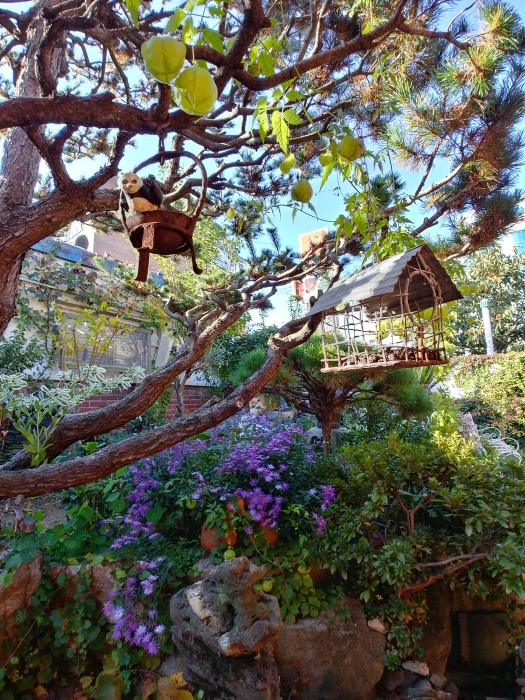
A Fine Day is a hanok stay on Jeondong Cathedral Street, Jeonju, Jeollabuk-do, which combines hanok tradition with modern convenience. The wood floor and red clay-lined walls and ceilings are a pleasure to wake up to. The rooms are well heated and have toilets, shower booths and bidets. From the wooden porch guests can enjoy a beautiful sunny garden planted with wildflowers and trees. Nearby attractions include Gyeonggijeon, Omokdae, Jeondong Cathedral and Nambu Market (great for food!).

Jeonju Waengi Kongmulgukbap Specialty Restaurant (전주 왱이콩나물국밥전문점)
3.5Km 2025-07-14
88 Dongmun-gil, Wansan-gu, Jeonju-si, Jeonbuk-do
Jeonju Waengi Kongmulgukbap Restaurant, located next to Dongmun Art Street in Jeonju, is a local favorite. The restaurant serves only one dish, kongnamul gukbap, rice soup with bean sprouts. With the crunchy texture of bean sprouts and a rich broth made with anchovy and seafood, this hearty meal is perfect to enjoy after exploring nearby tourist attractions.
 English
 한국어
한국어 日本語
日本語 中文(简体)
 Deutsch
 Français
 Español
 Русский


