
Seongsu-dong Cafe Street (성수동 카페거리)
14.0Km 2024-10-28
Seongsu-dong, Seongdong-gu, Seoul
Yeonmujang-gil in Seongsu-dong, known for old factories and a shoe workshop street, has been reborn as a place of trendy cafes and culture. The energy of car repair shops, printing factories, and handmade shoes street still exist today but, as global restaurant brands, select shops, and cafes have set up amidst busily operating factories, an atmosphere unique to Seongsu-dong has been created. "Daerim Warehouse" led to the change in the Seongsu-dong streets and can be said to be the originator of all warehouse-style cafes that are popular throughout Cafe Street today. The red-brick structure, antique signboards, and a vast indoor space of an old warehouse have been maintained and, with the addition of a sensuous interior design, it has become a space suitable for fashion shows and exhibits, thus showing new potential for old Seongsu-dong architecture. Every day, new cafes, bakeries, restaurants, and cultural complexes open their doors and are busy welcoming visitors.
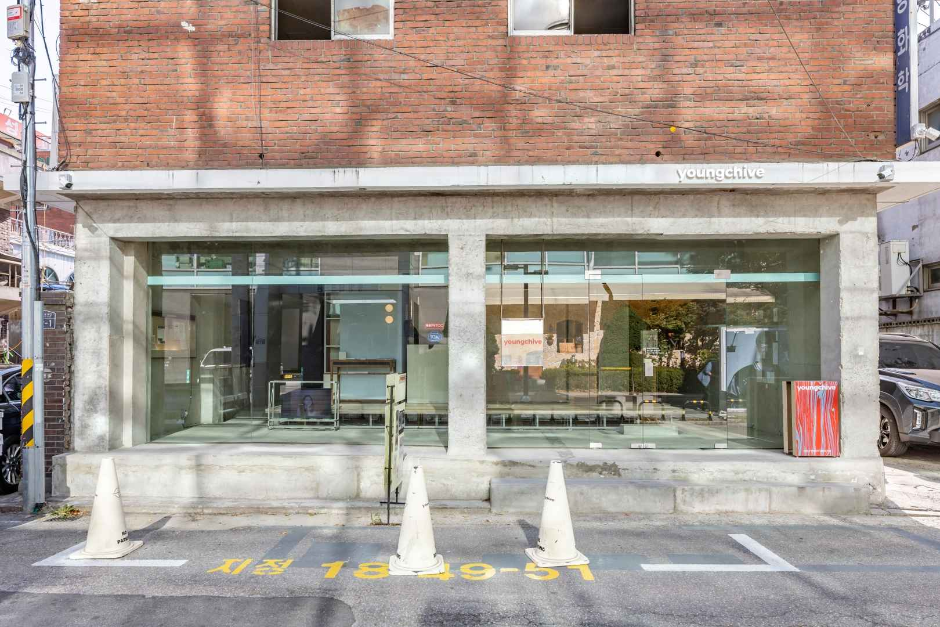
Youngchive Seongsu (영카이브 성수점)
14.1Km 2025-11-06
1F, 32 Seongsui-ro 18-gil, Seongdong-gu, Seoul
◎ Travel information to meet Hallyu’s charm
Youngchive Seongsu is the self-photo studio where Red Velvet’s Seulgi took photos with the staff while filming her vlog. It is known for its warm color tones, which set it apart from other self-photo studios. The Seongsu branch offers unique booths, such as the “still room” and “denim room,” which aren’t available at other locations, making it a must-visit spot.
Heunginjimun Gate - Dongdaemun Gate (흥인지문)
14.1Km 2025-10-23
288, Jong-ro, Jongno-gu, Seoul
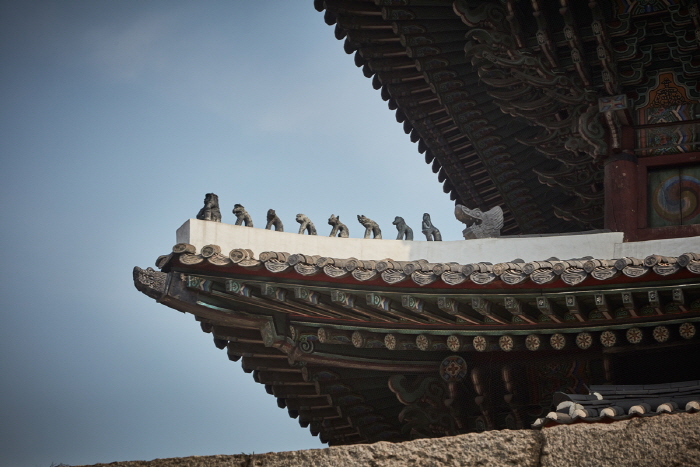
Heunginjimun Gate was built to protect Hanseongbu, which historically housed essential government facilities. Heunginjimun Gate was the gate on the east side of the outer wall of Seoul Fortress among eight gates. It is referred to as Dongdaemun Gate as well. The gate was constructed during King Taejo’s 5th year in 1396, remodeled during the reign of King Danjong in 1453, and was newly built in 1869 during the sixth year of King Gojong’s reign in 1869.
The gate features a hipped roof with five front and two side compartments on a two-storied building. The thin and weak bracket system supports the eaves and is excessively decorated, reflecting the construction features of the late Joseon period. Also, outside of the fortress is the half-circle-shaped Ongseong, a small wall, to protect the gate.
One of the unique factors of Heunginjimun Gate is that it is the only gate among Seoul’s eight to have Ongseong, further exhibiting the style of construction used during the late Joseon period.
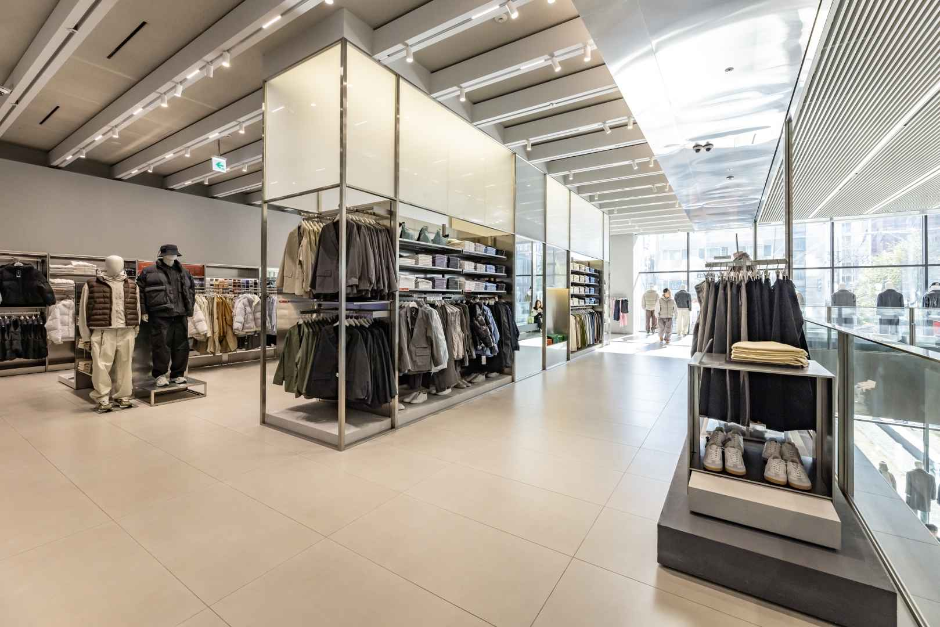
Musinsa Standard Seongsu (무신사 스탠다드 성수)
14.1Km 2025-11-06
83 Yeonmujang-gil, Seongdong-gu, Seoul
Located near Seongsu-dong Café Street, this is the physical store of the online editorial shop MUSINSA. The store offers affordable, high-quality clothing aimed at young adults in their 20s, with neutral colors and minimalist designs popular among Koreans. It’s also a favorite indoor date spot for couples, providing a quick overview of the latest fashion trends.
Frientrip Co., Ltd. (주식회사 프렌트립)
14.1Km 2025-11-28
#G704, HEYGROUND, 115 Wangsimni-ro, Seongdong-gu, Seoul
Frientrip is a wellness-based medical tourism service that integrates travel with personalized health management. It partners with certified medical institutions and trusted wellness providers to offer a seamless journey that combines check-ups, beauty and healthcare programs, and recovery experiences. KareTrip enables customers to conveniently schedule medical services while enjoying travel, providing tailored itineraries and on-site support as a comprehensive end-to-end service.

Waple Wood Artwork Place (와플목공방)
14.1Km 2025-10-30
5-6 Wangsimni-ro 10-gil, Seongdong-gu, Seoul
Interior items made from wood
This workshop is visited by celebrities such as Park Narae of the entertainment program 'I Live Alone' and KAI of EXO. It is also the place where the senior wooden box that appeared in the movie 'PARASITE' was made. You can make your own interior accessories such as chairs and tabletops using hardwood. One-day classes on making ballpoint pens and mechanical pencils are also popular.
Exprive (주식회사 엑스프리베)
14.2Km 2025-10-23
#705, 38 Ttukseom-ro 13-gil (Seongsu-dong 2-ga, Sangsang Planet), Seongdong-gu, Seoul
Exprive Medical is a certified international patient attraction agency that safely connects overseas patients with Korea’s high-quality medical services. Our main services include discovering and consulting with international patients, coordinating customized hospital connections, and providing interpretation and convenience support. Through personalized services tailored to each patient, we contribute to enhancing the value of Korea’s medical tourism.
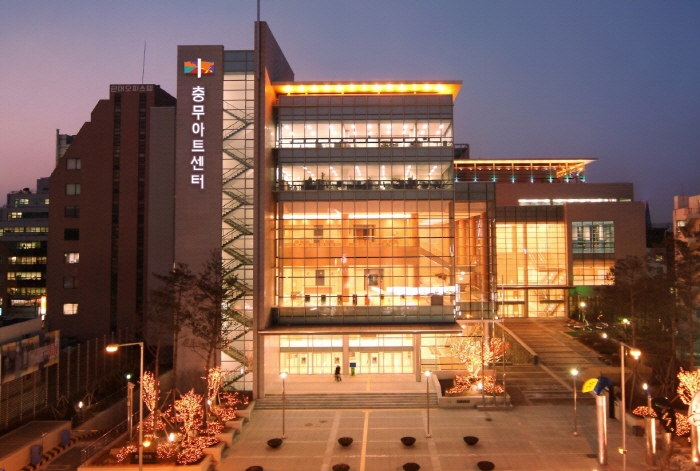
Chungmu Arts Center (충무아트센터)
14.2Km 2024-03-06
387, Toegye-ro, Jung-gu, Seoul
Chungmu Arts Center is a complex cultural facility with an optimal conditions for watching performances. It has a large theater, a medium theater (black), and a small theater (blue). It also boasts great galleries, studios, and a swimming pool, attracting numerous visitors. In addition, one can enjoy performances of various genres, including classical music, plays, musicals, and concerts. Located close to Dongdaemun, it has good accessibility.
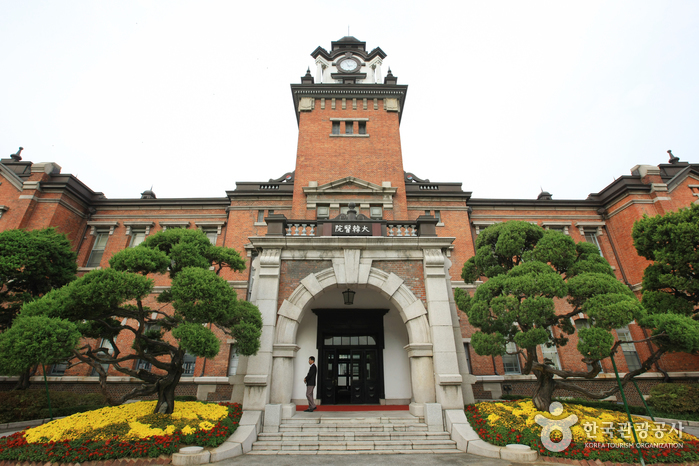
Seoul Daehan Hospital (서울 대한의원)
14.2Km 2021-12-23
101, Daehak-ro, Jongno-gu, Seoul
Daehanuiwon (Daehan Medical Center) is an antique two-story brick building within the grounds of Seoul National University Hospital. It was established under the direct administration of the Uijeongbu (State Council), combining the Gwangjewon (under the Home Ministry), Gyeongseong Medical School and the Korean Red Cross Hospital (under the Royal Household).
Built in the Madubong Hill area, this location where Hamchunwon, the outer garden of Changgyeonggung Palace, once stood in 1484 (15th year of King Seongjong), was also once the site of Gyeongmogung Palace, where King Jeongjo enshrined the mortuary tablet of his birth father Crown Prince Sado Seja in 1776 (the year King Jeongjo ascended to the throne).
These places that held importance for the royal family were destroyed as the Japanese built Gyeongseong Empire University in its place. In 1907, with the announcement of the plan to establish Daehan Medical Center, construction began on the main building, seven wards and affiliated buildings. Construction was completed in November 1908.
The Daehan Medical Center opened in Gwangjewon, but upon Japanese colonization in 1910, its name was changed to the Japanese Viceroyalty Hospital. In 1926, it was included as a part of Gyeongseongjeguk University to become a university hospital. Since the liberation of Korea in 1945, it has been a hospital affiliated with Seoul National University.
 English
 한국어
한국어 日本語
日本語 中文(简体)
 Deutsch
 Français
 Español
 Русский


