
Olive Young - Jeonju Junghwasan Branch [Tax Refund Shop] (올리브영 전주중화산점)
6.2Km 2024-06-26
264, Baekje-daero, Wansan-gu, Jeonju-si, Jeonbuk-do
-
Oseongje Reservoir (오성제 저수지)
6.5Km 2025-10-27
Daeheung-ri, Soyang-myeon, Wanju-gun, Jeollabuk-do
Oseongje Reservoir provides a natural rest area for locals with a waterside path. Located nearby is a gallery and photo spot. The area quickly became a must-visit attraction after featuring in BTS' 2019 Summer Package.
Jeonju Seobu Market (전주 서부시장)
6.7Km 2025-07-18
18 Hyodong 2-gil, Wansan-gu, Jeonju-si, Jeonbuk-do
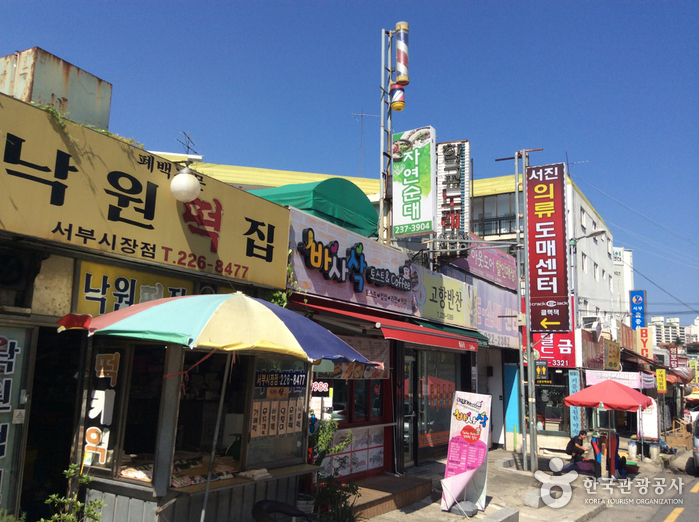
Jeonju Seobu Market is the only market in Jeonju's western area and sells fresh vegetables, fruits and other wholesale products supplied directly from farmlands in Wanju-gun and Gimje. In addition to food products, the market also sells clothing and general supplies. It occasionally holds event, festivals, and singing contests, encouraging the the community to get together.
Wanju Songgwangsa Temple (송광사(완주))
6.8Km 2024-04-07
255-16, Songgwangsuman-ro, Wanju-gun, Jeonbuk-do
+82-63-243-8091
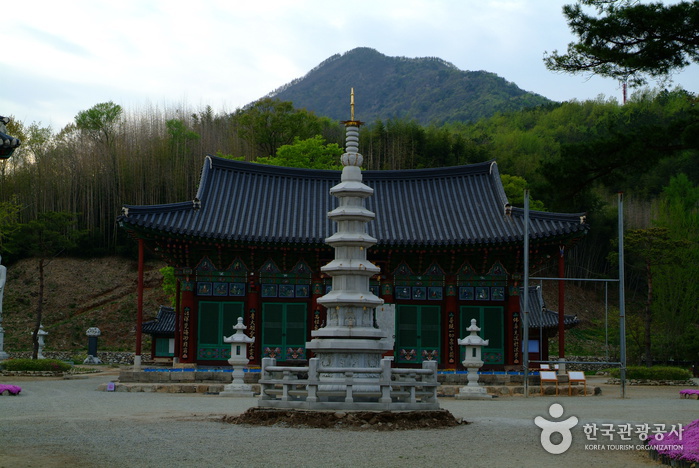
Songgwangsa Temple in Wanju-gun, Jeollabuk-do has a unique history that spans a period of over a thousand years. For many years the temple lay incomplete until Monk Bojo Chejing began reconstruction in the 7th year of King Gyeongmun of Silla (AD 867). The temple was destroyed at one point in time, but Master Monk Jinul prayed that it be rebuilt. In accordance with his fervent hopes, in the 1600s the monk’s followers rebuilt a number of the temple’s halls and buildings, many of which can still be seen today. The temple is also remembered as the temple that King Injo helped rebuild with the hope that his two sons, who had been taken hostage by the Qing dynasty during the Byeongjahoran War (Chinese invasion of Korea in 1636), would be returned safely and that Buddha would heal the nation.
One of the Korea’s four major temples, Songgwangsa is home to Jijangbosal and Siwangsang statues (found in Jijangjeon Hall), a Seokgayeorae statue, and 500 Nahansang statues (found in Nahanjeon Hall). The temple is also home to eight Tangible Cultural Assets and four Treasured Cultural Assets: Daeungjeon Hall, the Samsebulsang statues, the bell-tower, and the Sacheonwangsang statue.
Beloved for its historical significance as well as its beauty, the temple draws throngs of worshipers throughout the year. In spring, many tourists flock to the area to explore the temple and walk through the nearby cherry blossom tunnels. A worthwhile attraction for visitors of all ages, the temple is particularly well-suited for those with mobility problems since it is located on ground level.
Namu Sotbab (나무솥밥)
7.2Km 2024-04-07
13-2, Sinbok 6-gil, Deokjin-gu, Jeonju-si, Jeonbuk-do
+82-507-1408-7832
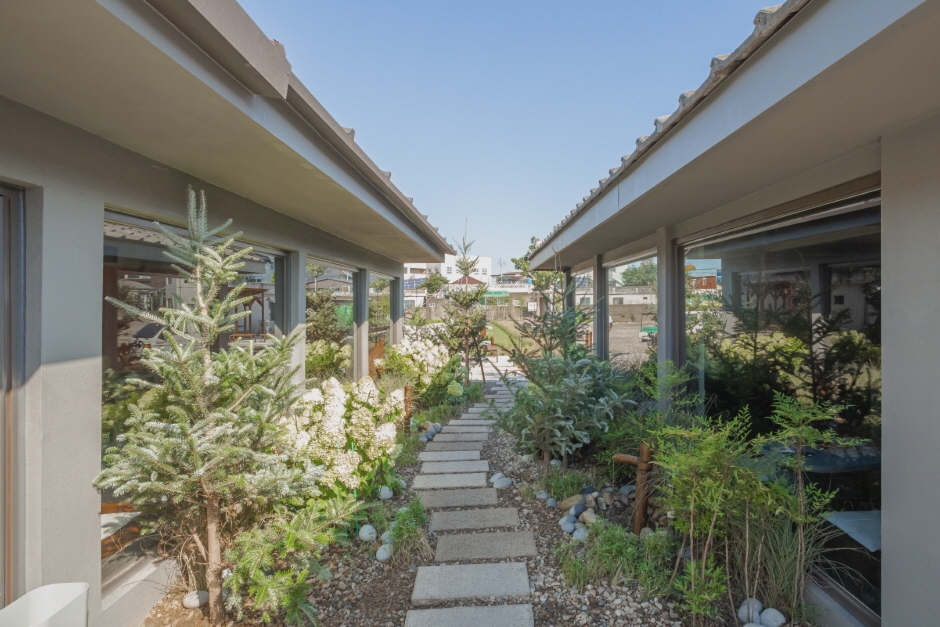
Namu Sotbab featured in TV show MBC's Buy & Live Season 3 offers visitors healthy meals straight from nature. The restaurant specializes in various tofu meals using the chef's special receipe with over 10 years of sotbab cooking.
Baram Yakgwa (바람약과)
7.2Km 2024-04-07
23-1, Sinbok 6-gil, Deokjin-gu, Jeonju-si, Jeonbuk-do
+82-507-1418-9931
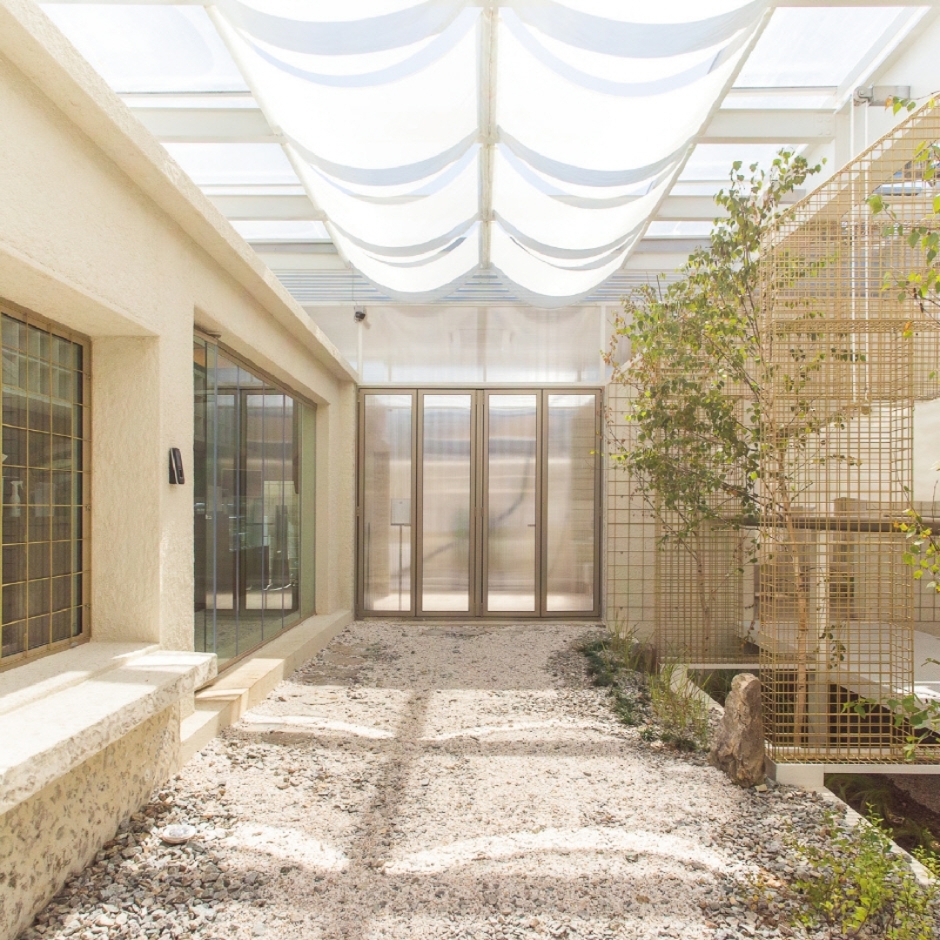
Baram Yakgwa was a collaboration project between Jeonju-si and Glow Seoul in the TV show MBC's Buy & Live Season 3 to form a yakgwa specialty shop featuring 16 different types of yakgwa. From real pumpkin yakgwa to Jeonju Egg Yakgwa to Iksan Purple Sweet Potato Yakgwa, the honey cookie goes perfectly with tea, egg coffee or butter coffee.
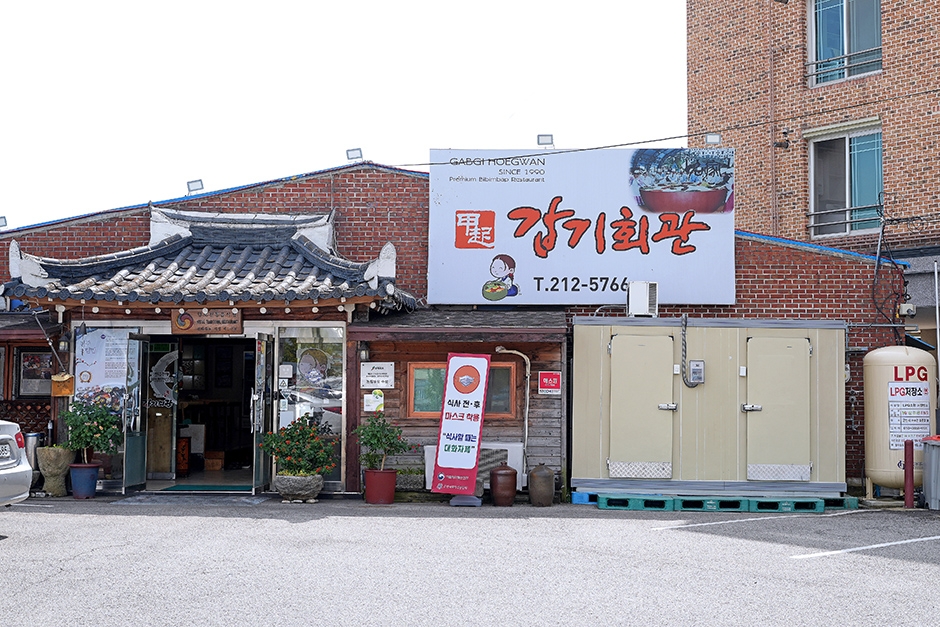
Gapgi Hoegwan Main Branch (갑기회관 본점)
7.2Km 2024-12-03
전북특별자치도 전주시 덕진구 상리로 50
The signature menu of this restaurant is yagyong bibimbap (medicinal bibimbap), which has rice cooked in water boiled with seven to eight medicinal herbs. The yagyong bibimbap features not only traditional bibimbap ingredients but also medicinal ingredients, such as chestnuts and jujube, which add flavor and health benefits. The restaurant also makes its own red chili paste, which gains a mild sweetness from apples, pear, and onions used in fermentation.
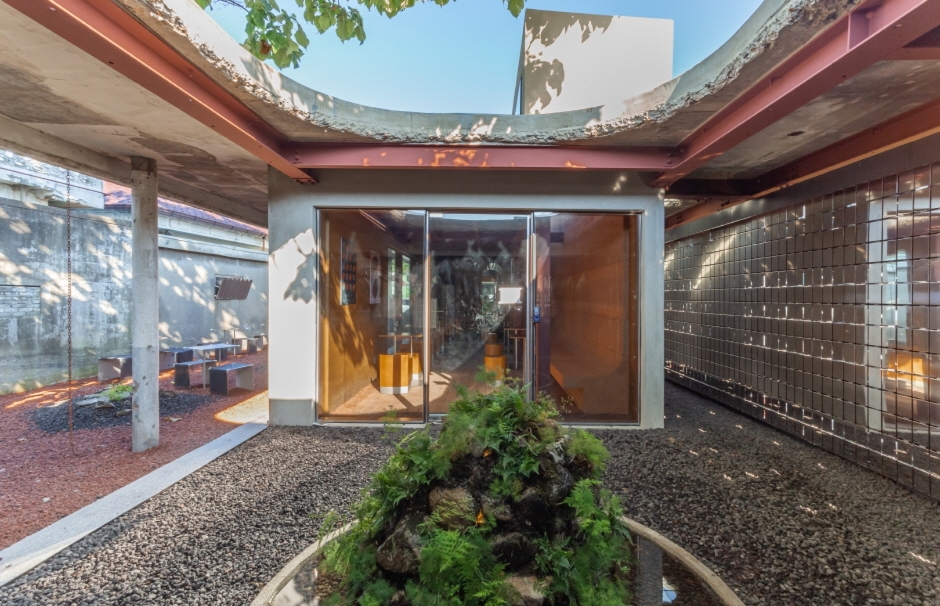
Doldol Pie (돌돌파이)
7.2Km 2024-04-07
27-5 , Sinbok 6-gil, Deokjin-gu, Jeonju-si, Jeonbuk-do
Doldol Pie is a meat pie specialty store selling traditional Australian pies and Korean-style pies. Their signature menu is the royal galbi pie, a combination of the original Australian meat pie and Korean galbi jjim (braised galbi), a dish that inspired the head chef Yoon into making this menu when he was working as the chef in a Korean embassy in Australia. The original meat pie is another recommended menu at this store.
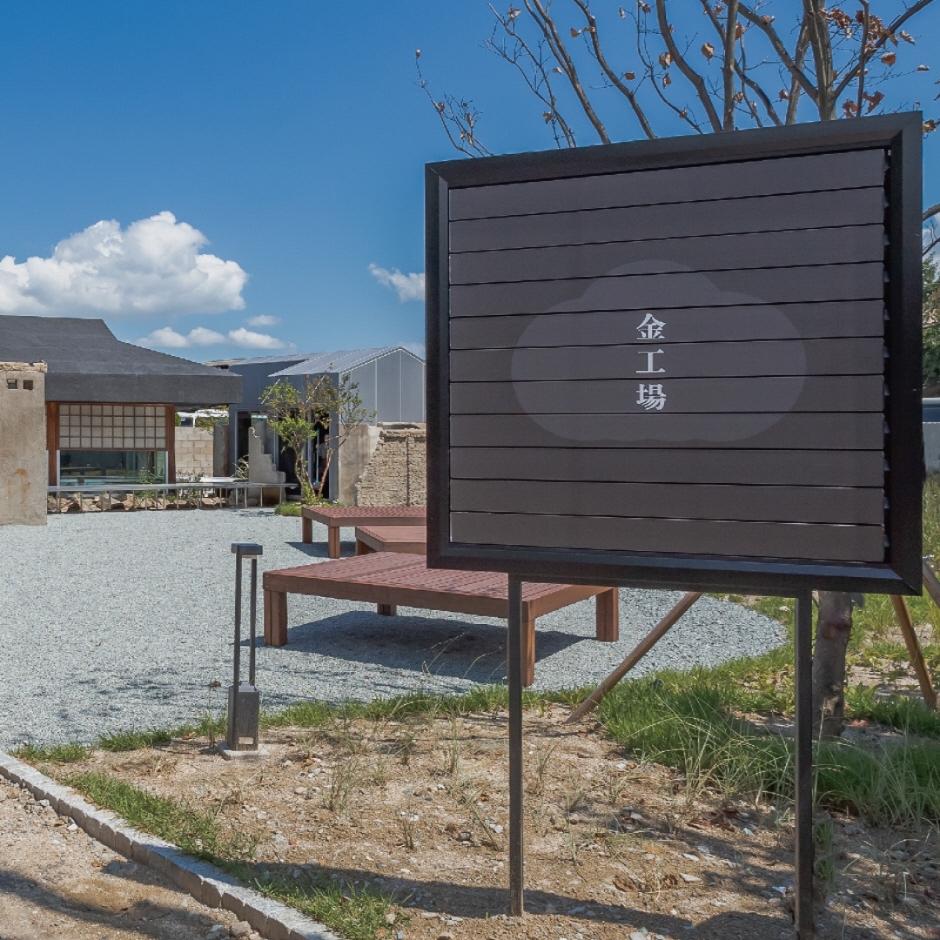
Cheolgiwa Jeon (철기와전)
7.2Km 2024-04-07
8-1 , Sinbok 7-gil, Deokjin-gu, Jeonju-si, Jeonbuk-do
Cheolgiwa Jeon is a jeon (traditional Korean pancake) specialty restaurant where one can taste a variety of jeon prepared by a Korean food expert as a course meal. The restaurant is managed by the chef and serves a delectable collection of jeon under the menu name "Ibaji Set," which is available in a seven-course meal or five-course meal.
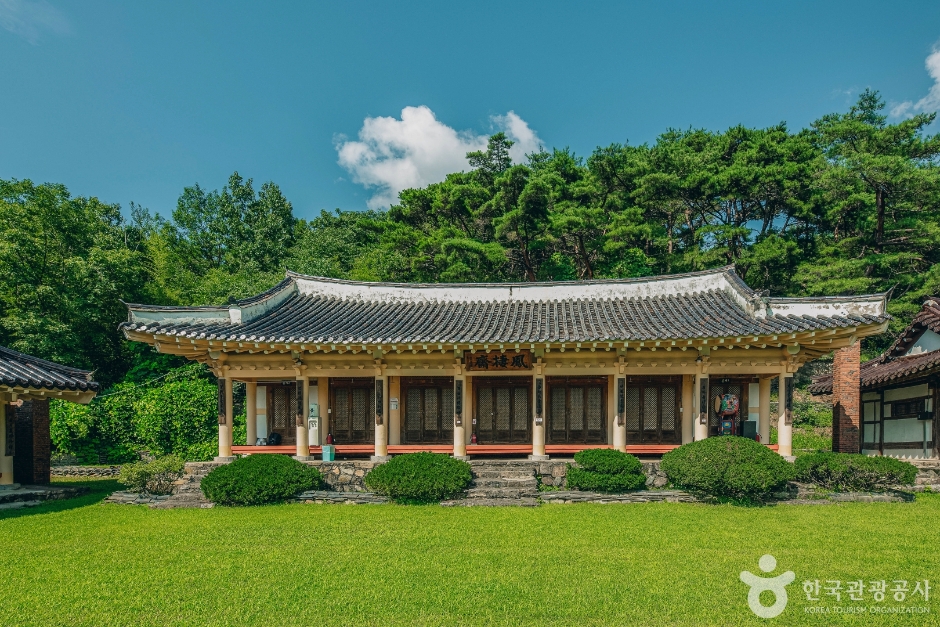
Happydream (행복드림한옥)
7.3Km 2024-08-05
181-21 , Bongseoan-gil, Wanju-gun, Jeonbuk-do
+82-63-247-0050, +82-10-3677-5339
Dueok Happydream Village is located in Bongseo-gol, Wanju-gun, Jeollabuk-do - a location said to be one of the most propitious in Korea, owing to the surrounding mountains’ resemblance to the Bonghwang mythical bird. The guesthouse’s tile-roofed buildings are set in a wide grassy yard against a background of green mountains. As well as accomodation the village operates various nature and traditional culture experience programs, some of which take place at the guesthouse. The rooms are small but clean and comfy, and with the doors open offer scenic views.
 English
 한국어
한국어 日本語
日本語 中文(简体)
 Deutsch
 Français
 Español
 Русский


