
Ppuri Park (뿌리공원)
9.2Km 2021-08-18
79, Ppurigongwon-ro, Jung-gu, Daejeon
Ppuri Park was created under the theme of filial piety, one of the overriding values of Korean society. Opened on November 1, 1997, the park occupies a plot of land measuring 109,091 m² and is filled with unique sculptures and art pieces that remind visitors of their family ties. Other main points of interest at Ppuri Park include the Deep-rooted Spring (symbolizing the 12 jisin/gods of the earth), a waterfront stage, grass square, observation deck, and recreational forest. Another must-visit attraction is the Samnam Memorial Tower, which represents the harmony and cooperation between the Honam and Yeongnam regions of Korea.
Gyejoksan Red Clay Trail (계족산 황톳길)
9.3Km 2022-12-26
San 85, Jang-dong, Daedeok-gu, Daejeon
Gyejoksan Red Clay Trail opened in 2006 as the nation's first eco-healing barefoot walking trail. Walking along this 14.5-kilometer-long trail filled with the fresh aroma of pine needles is a great way to get healthy. The Gyejoksan Mountain Barefoot Festa takes place every year in May and additional weekend programs are available from April to October. Visitors can also enjoy a view of downtown Daejeon from Gyejoksanseong Fortress, which was built during the time of the Three Kingdoms.
Daejeon O-World (대전오월드)
9.3Km 2022-12-27
70, Sajeonggongwon-ro, Jung-gu, Daejeon
Daejeon O-World was established when the Daejeon Zoo and Joy Land, an amusement park, were integrated under the supervision of the Daejeon City Corporation. The project cost a whopping 40 billion won and resulted in the construction of Flower Land (100,000㎡) in addition to the renamed Zoo Land and the preexisting Joy Land. It opened on May 1, 2009 to the public.
The three main sections of Daejeon O-World are Zoo Land, Joy Land, and Flower Land. Zoo Land is currently home to a total of 600 animals of 130 different species including American black bears, Bengal tigers, lions, elephants, giraffes, zebras, and ostriches. Amusement rides, waterslides, and four-season sledding are housed at Joy Land. Flower Land boasts a number of smaller sections such as Rose Garden, Four Season Garden, Herb Garden, and Maze Garden and is home to a total of 150,000 tress of 100 different species and 200,000 flowers of 85 different species. An outdoor stage and concert hall are also located in the area.
There are plenty of things to see and enjoy in every corner of Daejeon O-World. Just beyond Festival Street, visitors will find a large (3,000㎡) pond with a fountain.

Korean Natural History Museum (한국자연사박물관)
10.0Km 2025-02-04
49-25 Imgeumbong-gil, Banpo-myeon, Gongju-si, Chungcheongnam-do
The Korean Natural History Museum showcases Korea's plants, animals, insects, and rocks. It includes exhibition halls, a café, and a theater. The main attractions are the massive dinosaur fossils and replicas. Visitors can also explore natural rocks, minerals, and gemstones from the Korean Peninsula, as well as various fossils and mummies from different eras. Hands-on activities include creating imaginary dinosaurs and making bracelets with gemstones.
Daecheongho Obaengni (500-ri) Road (대청호오백리길)
10.2Km 2021-06-04
34, Cheongaedong-ro, Dong-gu, Daejeon
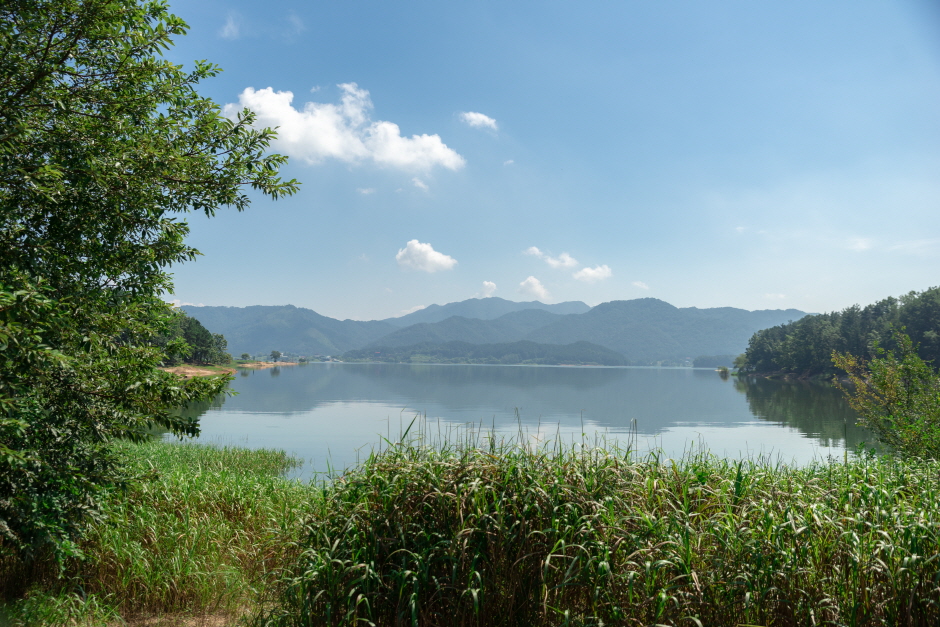
Daecheongho Obaengni (500-ri) Road is a 220 kilometer walking path passing through the Daejeon (Dong-gu, Daedeok-gu) and Chungcheongbuk-do (Cheongwon, Okcheon, Boeun) areas. The road passes Daecheongho Lake, small streams, trekking roads, a forest trail, an old path, and much more. The "obaengni" (500-ri) from the name of the road comes from the distance from Seoul or Busan to Daecheongho Lake, which is 500-ri.
Several mountains at an altitude of 200-300 meters and lots of greenery surround Daecheongho Lake. The area also has a date course, a meditation course, a trekking course, a family trip course to experience rural culture and cultural exploration, a bike course and other themed courses. The road was awarded an Asian Townscape Award by the UN-Habitat Program.
Near the road are tourism attractions like the Daecheong Dam Water Culture Center, Daecheongho Sculpture Park, Daecheongho Art Museum, Daecheongho Natural Ecology Center and others. In addition, there are historic cultural tourism spots like Cheongwon Cheongnamdae, Munui Cultural Properities Site, Boeun Songnisan Mountain, Okcheon Dujunbong Peak, and the birthplace of Jeong Jiyong and Yuk Yeongsu.
Geumnam Egret Habitat (금남 백로 서식지)
10.6Km 2025-05-20
45-13, Gamseong-gil, Geumnam-myeon, Sejong-si
The Egret Habitat in Gamgseong-ri covers a small mountain located in Yuseong-gu District. Existing since the Joseon dynasty era, the habitat is home to common herons and cattle egrets. Up to 5,000 birds have been observed at one time. The best time to visit the habitat and see the egrets is between April and May.
Hotel The H (호텔 더 에이치(Hotel The H))
11.7Km 2024-12-22
58 , Sintanjindong-ro 23beon-gil, Daedeok-gu, Daejeon
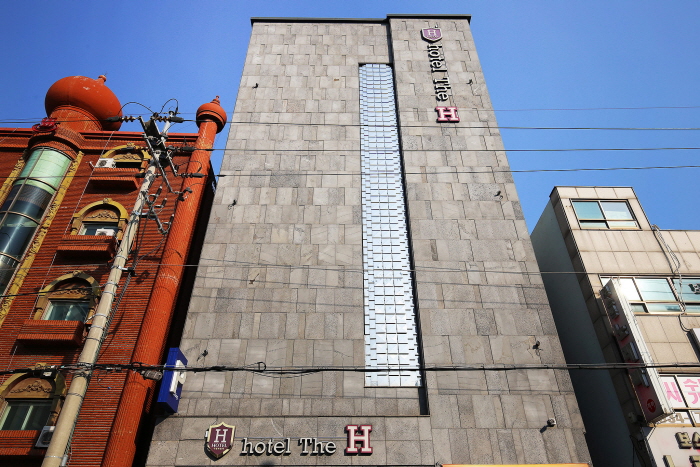
Hotel The H is a business hotel close to Sintanjin station in Daejeon, Chungcheongnam-do, offering quality services and reasonable prices. The pent rooms are equipped with barbecue, campfire, and cooking facilities, as well as a private terrace and swimming pool - making them ideal for parties and family gatherings. Some rooms are equipped with disabled toilets. Free breakfast is served at the 1st floor cafe, and there is a business center with shared PCs and printers. Geumgang Lohas Eco Park is a pleasant 20-minute walk away.
Sikjangsan Cultural Park (Sunrise Observatory) (식장산 문화공원(해돋이전망대))
12.9Km 2023-02-09
32-834, Secheongongwon-ro, Dong-gu, Daejeon
Sikjangsan (623.6 meters) is a mountain spanning three regions - Dong-gu of Daejeon, Gunbuk-myeon and Gunseo-myeon of Okcheon-gun. As the tallest peak in the city located in the southeastern part of Dong-gu, Daejeon, it stands proudly next to great mountains in neighboring regions such as Seodaesan, the tallest peak in Chungcheongnam-do (904 meters), and Daeseongsan, the tallest in Okcheon (705 meters). Home of a 4.82 million-square-meter large, natural ecosystem preservation forest designated by the city, Sikjangsan is an ecological repository featuring plants of 224 species, 45 varieties, 187 genera, and 78 families; 45 kinds of mammals such as roe deer, squirrels, wildcats, raccoons and bats; over 100 types of birds; reptiles; and amphibians.
Sikjangsan Cultural Park is an ecological park that continues from Secheon Park to Sikjangsan Sunrise Observatory. The cultural park was established at the peak of the mountain, which had been regarded as one of the best nightscape viewpoints in Daejeon. A traditional tower built inside the cultural park adds a sense of classical dignity. An observatory from which the entire city can be seen in a single view is also located here. People of all ages and genders visit the tower and observatory to enjoy the expansive view of Daejeon.
Kong Daebak (콩대박)
12.9Km 2025-05-20
9 Daebak-gil, Geumnam-myeon, Sejong-si
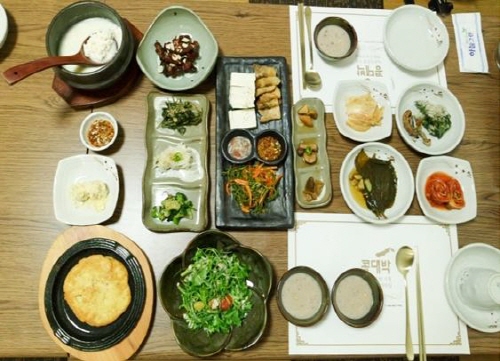
Kong Daebak is a restaurant specializing in soybean-based dishes. There are two menu options: kongseobang bapsang and konggaksi bapsang. Kongseobang bapsang includes dishes like doenjang jjigae (soybean paste jjigae), salad, kong jeon (soybean pancake), suyuk (boiled pork slices), mushroom dishes, jangajji (pickled vegetable), and dessert. Adding dishes like kkaennip jeon (pan-fried battered perilla leaves) and dubu jeongol (bean curd hot pot) turns it into konggaksi bapsang. Since the food is prepared on the same day, advance reservations are essential.
 English
 한국어
한국어 日本語
日本語 中文(简体)
 Deutsch
 Français
 Español
 Русский


