BOK Art Center (비오케이아트센터)
15.1Km 2025-05-20
12, Gukchaegyeonguwon 3-ro, Sejong-si
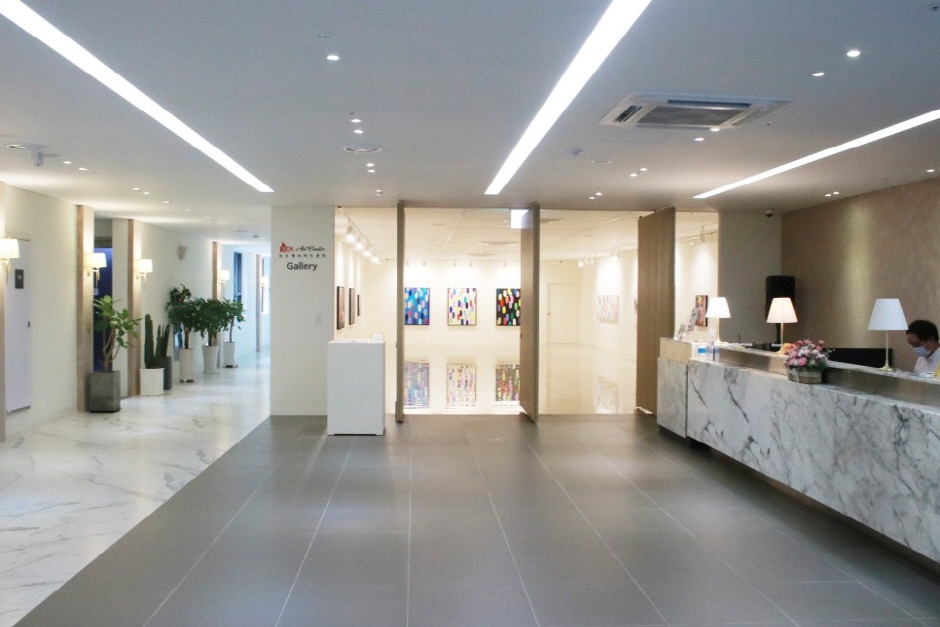
BOK Art Center is located in Bangok-dong, Sejong-si. It was opened in 2019 with the management philosophy of CEO I Gyu-sun, 'Let's create a happier living space.' The center is equipped with a performance hall where various performances are held, a gallery where various exhibitions are held, a hobby factory specialized for kidults, a Ccume Baking Class where you can enjoy baking, a bookstore, and a cafe.
Gapsa Temple (갑사)
15.1Km 2021-12-17
567-3, Gapsa-ro, Gongju-si, Chungcheongnam-do
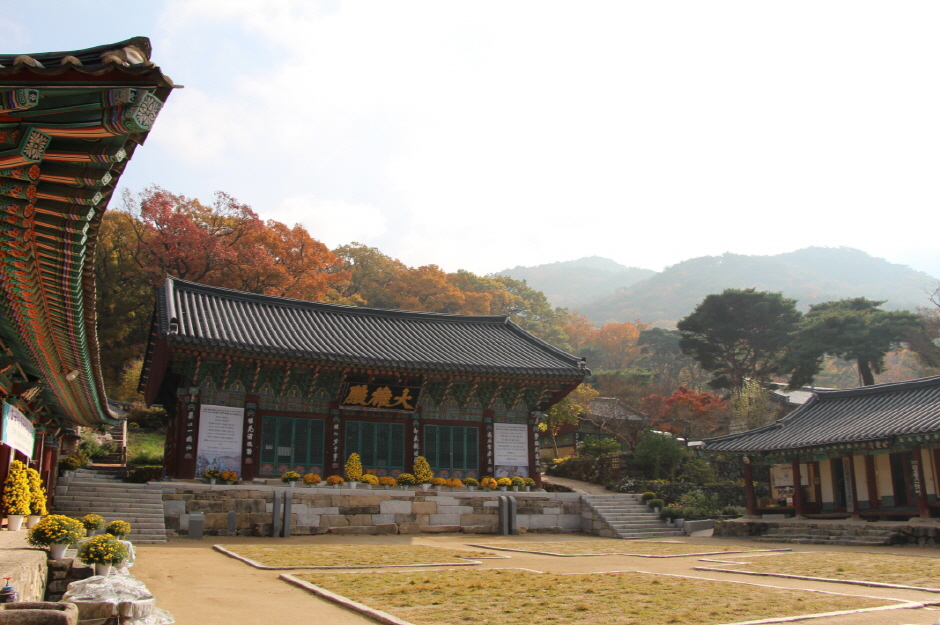
Gapsa Temple is located in the forested foothills of Gyeryongsan Mountain, 19 kilometers from Gongju and a three-hour walk from Donghaksa Temple. The temple is most beautiful during fall when surrounded by crimson foliage. Gapsa Temple was established by monk Adohwasang in 420, during the early Baekje Period. The temple's beauty allowed it to escape destruction many times, but it was ultimately burned down during the Imjin War (1592-1598). The current structures were built in 1604. Nearby attractions include Yongmunpokpo Falls, Sujeongbong Peak, and Cheonjinbotab Pagoda.
Gyeryong Musangsa Temple (무상사(계룡))
15.2Km 2023-04-13
129, Hyangjeoksan-gil, Gyeryong-si, Chungcheongnam-do
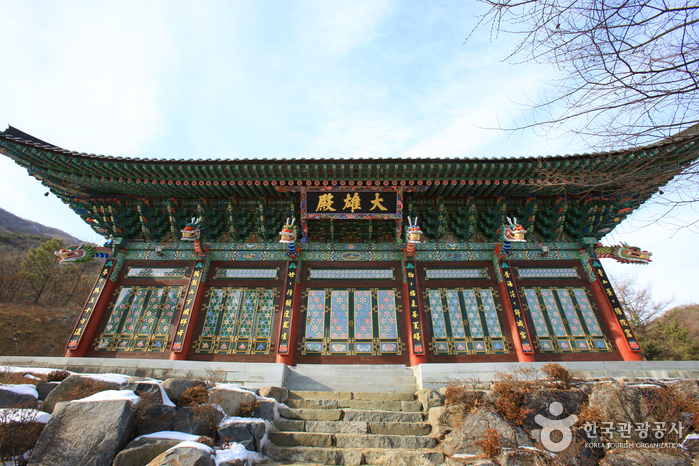
Musangsa Temple is an international Zen Temple exclusively for foreigners. The temple aims at promoting Korean Zen Buddhism among foreign monks and nuns while encouraging non-Buddhist priests and religious leaders to experience Zen. Twice a year (once in the summer and once in the winter) a 3-month program is held for foreign monks and nuns to come and practice Ganhwaseon, a type of Zen Buddhism. Travelers and other foreigners are also welcome to participate in shortened versions of the program, which are typically one week in length. During meditation/program periods, public visits are limited. The temple’s yearly schedule is divided into three sections with the last section providing various events and programs including weekend events and workshops. The temple also offers temple stay and other programs run in both Korean and English.
Red Leaf Willow Habitat (왕버드나무군락지)
15.2Km 2024-02-15
Miho-dong, Daedeok-gu, Daejeon
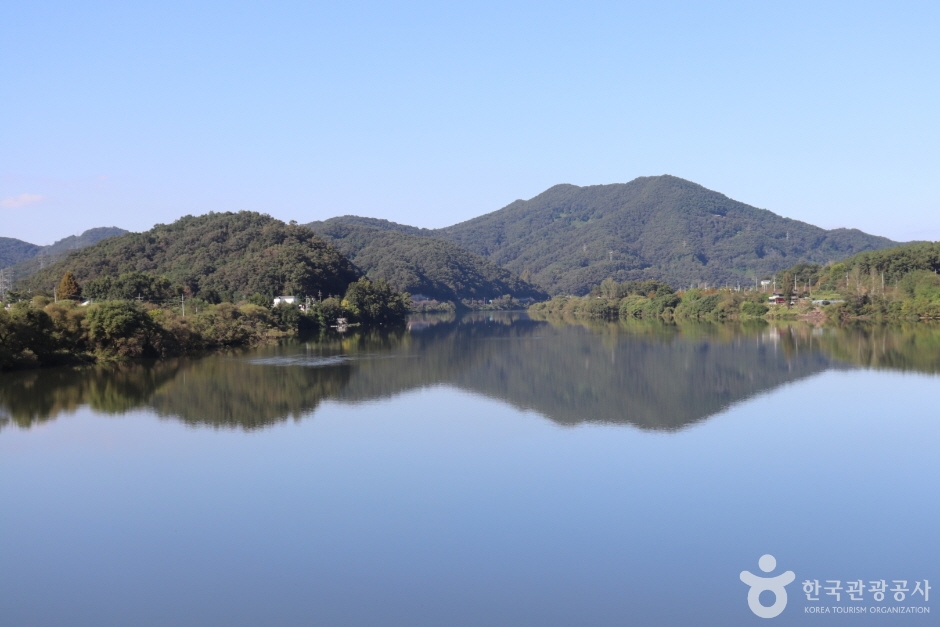
Red Leaf Willow Habitat is located near Daechung Dam and Geumgang Lohas Daecheong Park, along the Geumgang River. This area is ideal for photography, offering stunning views during sunrise and sunset, with sunlight and mist creating a picturesque scene. The decaying wood of the trees in the wetland area can even emit light on its own during the nighttime.
Gapsagyegok Valley (갑사계곡)
15.6Km 2024-02-21
519 Gapsa-ro, Gyeryong-myeon, Gongju-si, Chungcheongnam-do
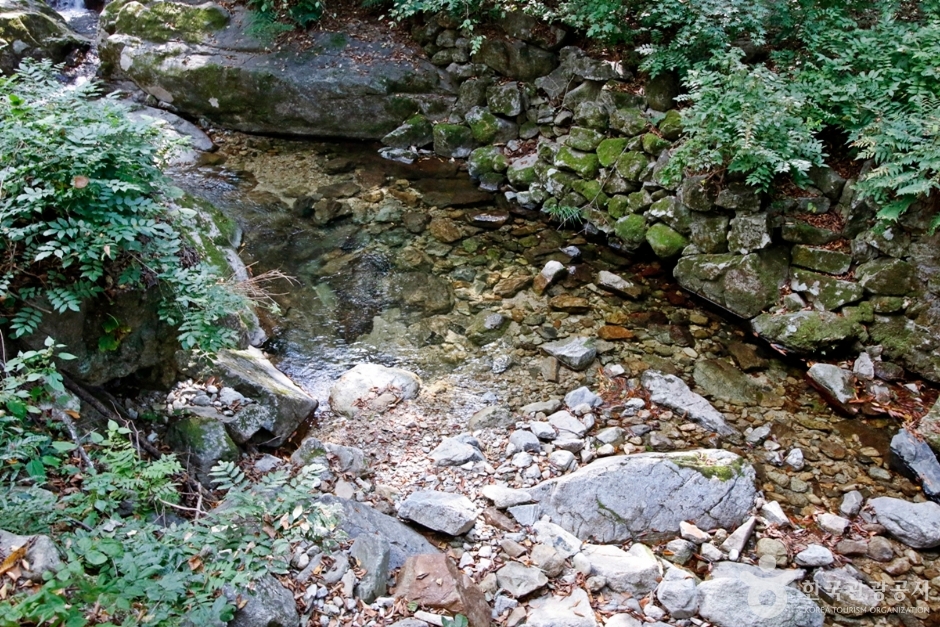
Gapsagyegok Valley is a valley located on the northwest slope of Gyeryongsan Mountain in Gongju-si. With moderate temperatures even in summer, it is suitable as a recreational area, while the autumn foliage adds to its beauty. At the entrance lies Gapsa Temple, a Buddhist temple with various cultural assets, offering insights into Korean Buddhist culture. Within the valley, visitors can enjoy forest walks and view attractions such as the Yongmunpokpo Falls.

Geumgang Lohas Daecheong Park (금강로하스대청공원)
16.0Km 2024-02-15
607 Daecheong-ro, Daedeok-gu, Daejeon
Geumgang Lohas Daecheong Park is situated near the Geumgang River and Daechung Dam. It borders Daecheongho Lake and the Geumgang River, featuring a waterfront deck where visitors can observe various bird species such as herons and the Red Leaf Willow habitat. The park also includes the Daecheong Culture Exhibition Hall, a lawn area, a Rock Garden, a Metasequoia Forest Park, and a children's forest playground.
Cheongnamdae Presidential Villa (청남대)
16.1Km 2023-04-13
646, Cheongnamdae-gil, Sangdang-gu, Cheongju-si, Chungcheongbuk-do
Cheongnamdae, which means "Cheong Wa Dae in a warm southern land," was once a private villa used by former presidents of Korea. Cheongnamdae became open to the public on April 18, 2003. It is located near Daecheong Dam in Cheongwon-gu, Chungcheongbuk-do and was built in 1983. The total area spans 1,825,000m² and consists of a main building, golf range, heliport, and fishing area. The natural environment surrounding the area has been well preserved, serving as a home to wildlife, including over 143 species of wild flowers and 124 species of trees as well as several endangered species.
Jangtaesan Recreational Forest (장태산자연휴양림)
16.4Km 2024-12-02
461 Jangan-ro, Seo-gu, Daejeon
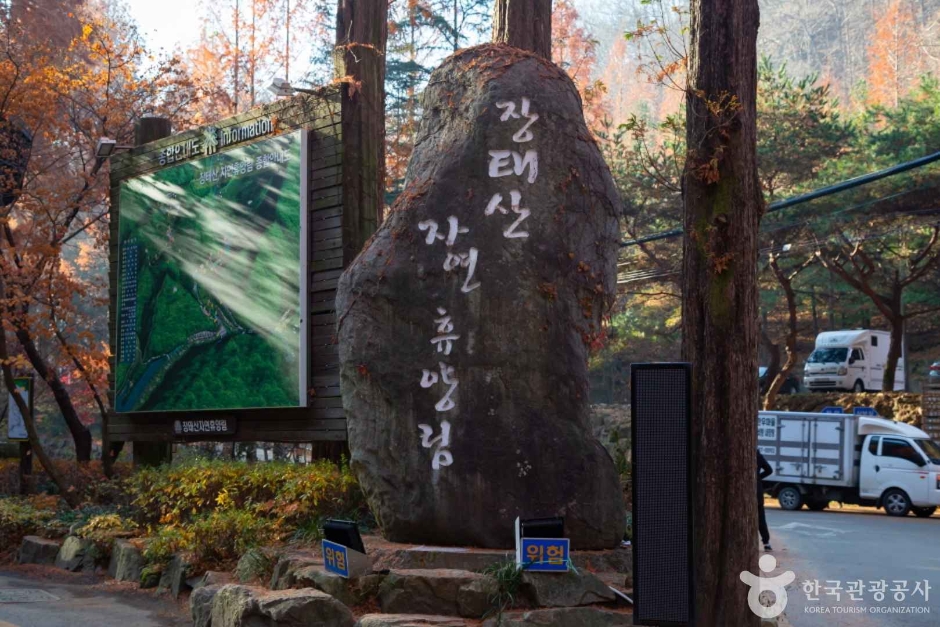
Jangtaesan Recreational Forest consists of a dense forest of ginkgo trees and bald cypress. Lush valleys nearby make for a great getaway during summer vacation. Yongtaeul Reservoir, located at the entrance, gives beautiful views as well. Inside the natural recreation forest, various facilities including walking paths, physical activity facilities, a botanical garden and bare-foot walking paths are available for visitors.
Yeongpyeongsa Temple (영평사)
16.8Km 2021-11-01
124, Yeongpyeongsa-gil, Sejong-si
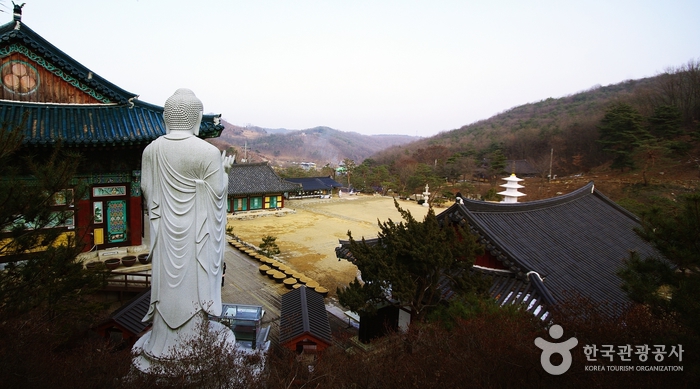
A branch of Magoksa Temple, which is the 6th local temple of the Jogyejong Order, Yeongpyeongsa Temple has six traditional buildings and three small hermitages. Janggunsan Mountain, where the temple is located, is small but full of energy. According to Feng Shui, the mountain is a perfect location for a temple because it is shaped like a dragon curled along the Geumgang River. Yeongpyeongsa is a tranquil place that captures the purity of the temple’s Buddhist practice, with fresh air and clean water that offer a habitat for fireflies, crawfish, and black snails. On the way in, visitors are greeted by a multitude of wildflowers vying for their attention: the columbines and the prairie crocuses in spring, the white lotuses in summer, and the Siberian chrysanthemums in autumn.
Sejong Cultrual Center of Korean Tradition (세종전통문화체험관)
17.0Km 2025-05-20
94 Morongji-ro, Sejong-si
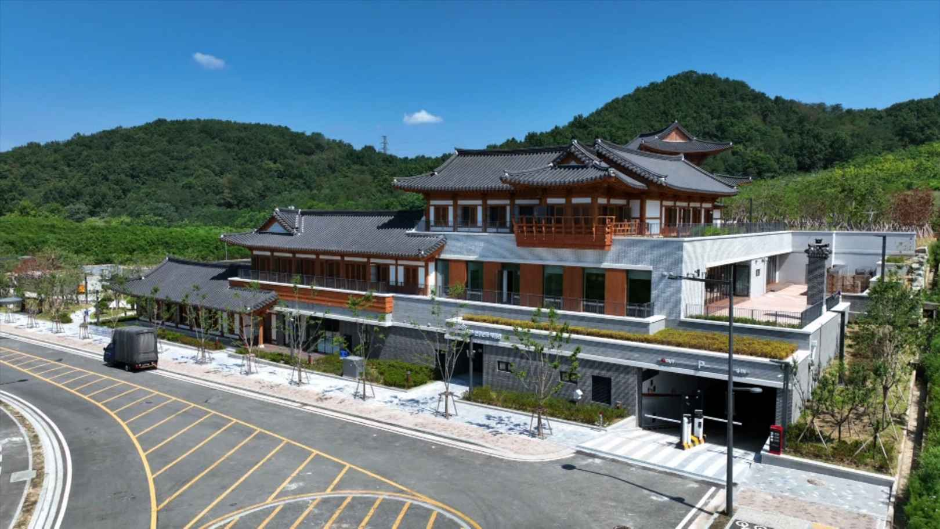
The Sejong Cultrual Center of Korean Tradition provides visitors with an immersive experience of traditional Korean crafts and culture, capturing the essence of Korea. The exhibition and promotional halls showcase crafts and traditional paintings depicting the daily life and rituals of Buddhist temples, along with an interactive experience room. Visitors can participate in traditional arts activities such as samulnori (percussion performance), mask dancing, decorative painting, folk painting, and calligraphy. Cultural experiences include temple food workshops focusing on vegan and fermented dishes, as well as meditation, yoga, and tea ceremonies.
 English
 한국어
한국어 日本語
日本語 中文(简体)
 Deutsch
 Français
 Español
 Русский


