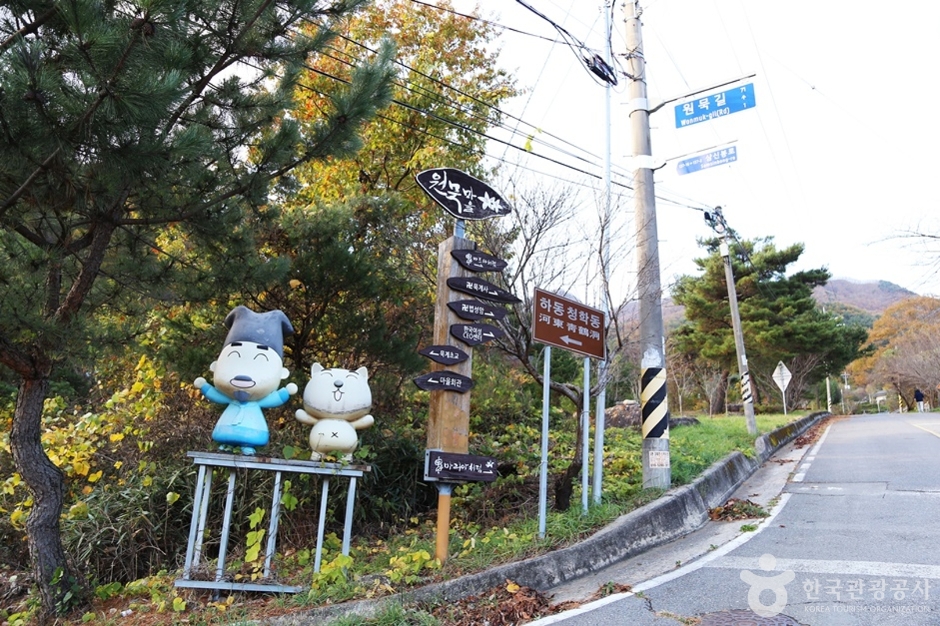
Cheonghak-dong Etiquette School Seonbi Seodang (청학동예절학교 선비서당)
7.5Km 2024-03-04
60-10 Wonmuk-gil, Cheongam-myeon, Hadong-gun, Gyeongsangnam-do
Cheonghak-dong, located at the foot of the ridge facing Hadong on Jirisan Mountain, is a village inhabited by 200 residents from thirty families. It hosts several seodangs (village schools), among which Seonbi Seodang stands out for its educational programs focusing on etiquette, character development, and Chinese characters. Additionally, the village offers a variety of experience programs, including traditional culture, farming activities, and perseverance training.
Choi Champandaek (House of Choi Champan) (최참판댁)
9.7Km 2021-12-16
66-7, Pyeongsari-gil, Hadong-gun, Gyeongsangnam-do
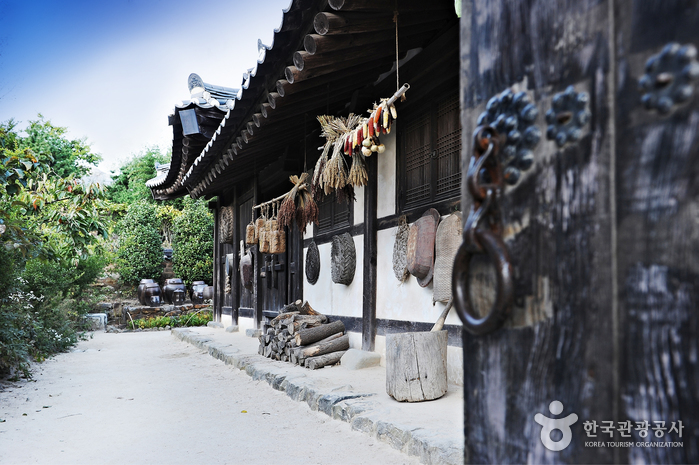
The House of Choi Champan is known as the setting of the famous novel "Toji" ("The Land") by noted novelist Park Kyongni. Located in a small folk literature village in Agyang-myeon, Pyeongsa-ri along the Seomjingang River at the foot of Jirisan Mountain, Choi Champandaek consists of fourteen hanok (traditional Korean house) buildings.
Also used as the main set of the drama version of "Toji" (2004), Choi Champandaek gives visitors a look at the life of Korean people in the late Joseon era. The house has not only made its appearance in many films, but is also a valuable cultural asset of Hadong-gun.
The Daecheong Maru (wooden-floored hall) connected to the Sarangchae (men’s quarters in a hanok) offers a wide view of the vast field of Pyeongsa-ri and gives an opportunity to meditate and reflect while appreciating the beautiful surroundings. Located in the vicinity are numerous tourist attractions including the Pyeongsari Literature Center, Hwagae Market, and Ssanggyesa Temple. During fall season every year, Choi Champandaek hosts the Toji Literature Festival.
House of Choi Champan (최참판댁 한옥숙박시설)
9.7Km 2024-12-19
75 , Pyeongsari-gil, Hadong-gun, Gyeongsangnam-do
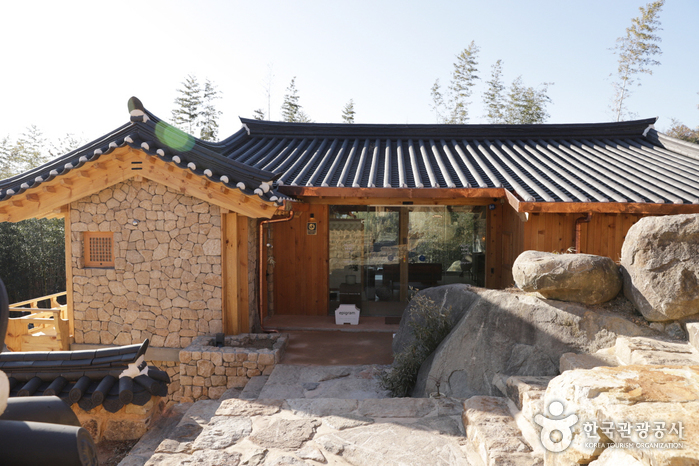
House of Choi Champan is a hanok stay in Pyeongsa-ri, Akyang-myeon, where the Seomjin River flows down from Jirisan Mountain, Jeollanam-do. The accomodation is in several different configurations: the two-storey Ilyeongjae and Wolyeongjae are both rented out as houses; Yeonhajae and Hoeramjae, which are single-storey with numaru(a raised open floor); while Unrakjae and Hoegyeongjae have several rooms with bathrooms, each rented out. Only the "Hoegyeongjae-1" room is equipped with Numaru. Cooking strong-smelling food in guestrooms is not allowed.
Starway Hadong Healfort (힐포트하동)
10.0Km 2024-12-13
3352-1 , Seomjingang-daero, Hadong-gun, Gyeongsangnam-do
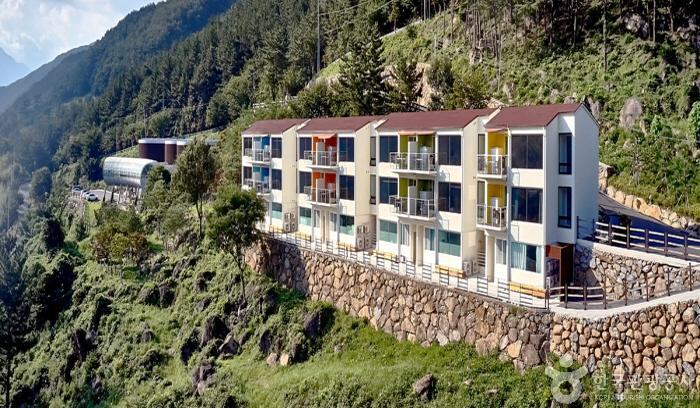
Hadong Healfort, situated halfway up the mountain in Akyang-myeon, Hadong, Gyeongsangnam-do, is located near Pyeongsa-ri, which is the setting of the novel Toji, and offers a panoramic view of the Seomjingang River. In the living room, the view from the window is as lovely as a framed picture. There are 13 guestrooms, divided into three types: double, twin, and ondol (underfloor heated), each with a living room, bedroom, bathroom, and private terrace. This is an ideal location for couples to relax and enjoy the view.
Pyeongsari Field (평사리들판)
10.4Km 2022-08-26
Pyeongsari-gil, Hadong-gun, Gyeongsangnam-do
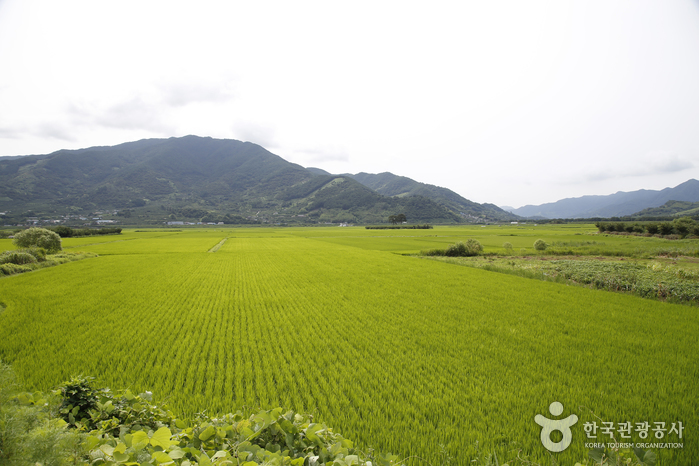
Pyeongsari Field was created by Seomjingang River flowing through the canyon which attracted people to form a village. The field served as the central farming field and fed the villagers for many years and appeared as a setting in Park Kyongni's novel "Land." Pyeongsari field is one of the largest fields found along Seomjingang River, boasting a size of 2,743,801 ㎡.
![[Hadong Pak Kyongni Toji-gil Trail 1] Seomjingang Pyeongsa-ri Park to Hwagae Market ([하동 박경리 토지길 1코스] 섬진강 평사리공원~화개장터)](http://tong.visitkorea.or.kr/cms/resource/89/3070389_image2_1.JPG)
[Hadong Pak Kyongni Toji-gil Trail 1] Seomjingang Pyeongsa-ri Park to Hwagae Market ([하동 박경리 토지길 1코스] 섬진강 평사리공원~화개장터)
11.6Km 2024-02-08
Agyang-myeon, Hadong-gun, Gyeongsangnam-do
Hadong Pak Kyongni Toji-gil Trail 1 offers a scenic route around the Pyeongsa-ri fields, famously depicted in the novel Toji (The Land) by prominent Korean novelist Pak Kyongni. Spanning 18 kilometers from Pyeongsa-ri to Hwagae Market, this trail allows visitors to stroll alongside the Seomjingang River, immersing themselves in the world of the novel. Additionally, it is celebrated as a magnificent spot for cherry blossom viewing in spring.
Pyeongsari Park (평사리공원)
11.9Km 2022-08-22
3145-1, Seomjingang-daero, Hadong-gun, Gyeongsangnam-do
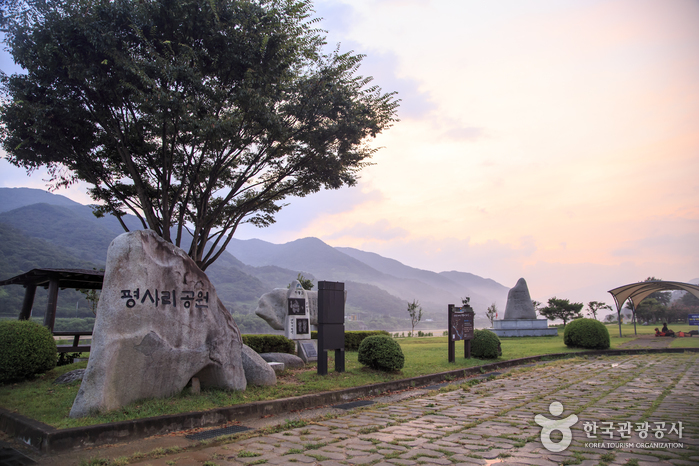
Situated along Seomjingang River between Gurye and Hadong, Pyeongsari Park was built for the enjoyment of summer tourists to the area. In addition to the beautiful river, the park is home to campgrounds, numerous shaded rest spots, basketball courts, soccer fields, and an abundance of parking space. Decorated with Jangseung (totem poles, which used to be set at the entrance of villages), the spacious park is full of excellent amenities: barbecue grills, benches, drinking fountains, and clean bathrooms. The sandy banks of the river offer a unique opportunity to catch marsh clams.
Pyeongsari Park and its nearby attractions appeared in Toji (The Land), the epic historical novel by Park Kyung-ni. Visitors may want to tour the group of houses that have been reproduced to commemorate the novel, including the famous Choi Champan House.
Nearby attractions include Hwagae Market, Ssanggyesa Temple, and Seomjingang Maehwa Village, host of the Gwangyang Maehwa Festival.
Baemsagolgyegok Valley (뱀사골 계곡)
11.9Km 2024-04-07
Buun-gil, Namwon-si, Jeonbuk-do
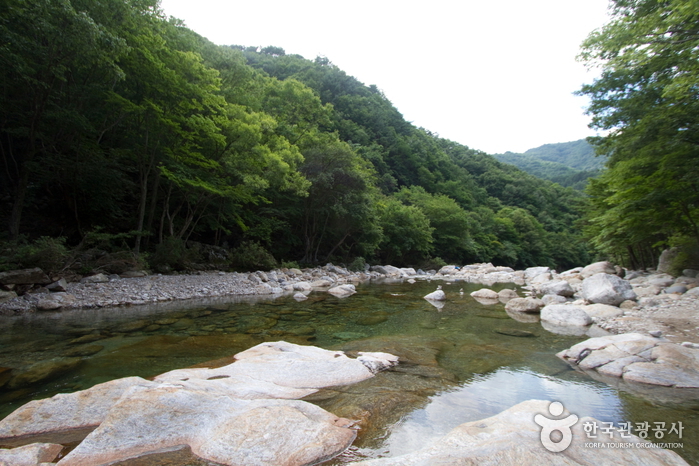
Located in Namwon, Jeollabuk-do, Baemsagolgyegok is a 9-km grand valley, situated at the northern foot of Jirisan Mountain. Stretching from Banyabong Peak and Tokkibong Peak toward Sannae-myeon of Namwon-si, the valley is renowned for its beautiful autumn foliage.
Baemsagolgyegok Valley is popular as a summer vacation destination because there’s always an abundance of water and trees. In the fall, the hills become ablaze with autumn tints, small streams flow over rock beds, and small pools of clear water from under the rocks create a beautiful sight. Other notable places nearby include Seonindae, Seoksil, Yoryongdae, Tagyongso, Byeongso, Byeongpungso, Jeseungdae and Ganjangso.
Jirisan Recreational Forest (국립 지리산자연휴양림)
12.0Km 2024-02-23
152 Eumjeong-gil, Macheon-myeon, Hamyang-gun, Gyeongsangnam-do
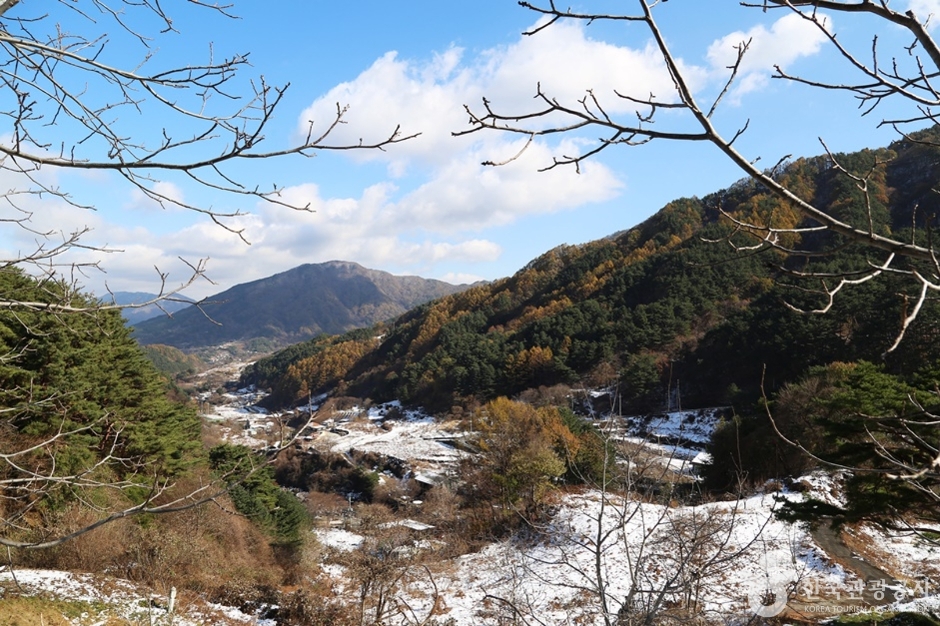
Jirisan Recreational Forest safeguards the splendid natural beauty of Jirisan Mountain. Positioned 600 to 700 meters above sea level, the region surpassing 700 meters is designated as a national park. The forest features a range of amenities including accommodations, a forest student camp, various trails, a forest park, and a suspension bridge. The significant temperature variation in the area contributes to the breathtaking display of autumn foliage.

Ssangsanjae (쌍산재)
13.7Km 2025-10-23
3-2 Jangsu-gil Masan-myeon, Gurye-gun, Jeollanam-do
It is a 300-year-old old house where you can feel the traditional beauty and atmosphere of a Hanok, and 15 large and small Hanoks are scattered on a site of 16,500㎡. The top and bottom are divided around a bamboo forest stretching toward the sky, and over 100 types of trees and plants are harmonized with the building like a picture. For an entrance fee, coffee or tea is provided, so you can take a seat wherever you like and have a cup of tea while looking around the inside. While enjoying the quiet atmosphere, let's fully look around various points such as the detached house, bamboo forest, Hoseojeong, and Gyeongamdang.
 English
 한국어
한국어 日本語
日本語 中文(简体)
 Deutsch
 Français
 Español
 Русский


