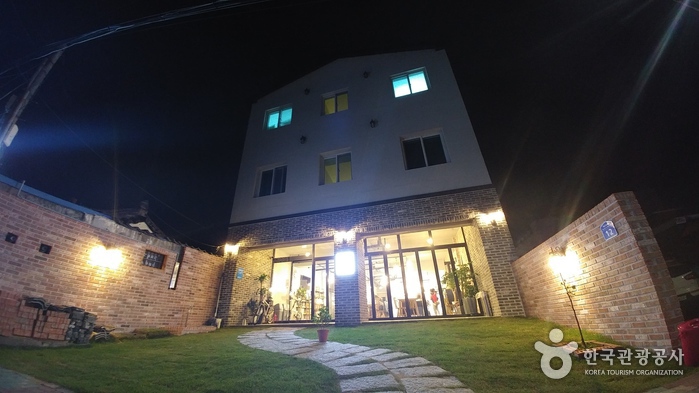
ALLEY HOSTEL & GUESTHOUSE (앨리게스트하우스)
13.2Km 2024-12-19
12 , Gyerim-ro 106beon-gil, Gyeongju-si, Gyeongsangbuk-do
The Alley Guest House in central Gyeongju, Gyeongsangbuk-do, is a 3-minute walk from Gyeongju Station, and is popular with hikers. Guestrooms range from single and twin rooms to family rooms and dormitories with bunk beds. There’s no parking lot, but parking can be arranged for family room customers. All rooms have AC, a bathroom and shower, and lockable doors. A simple free breakfast and a luggage storage service are provided. Nearby must-see places include Daereungwon, Cheomseongdae, Donggung Palace and Wolji Pond.
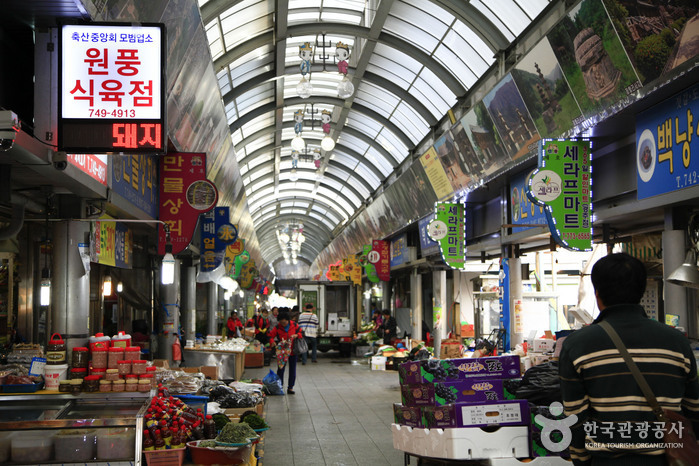
Gyeongju Seongdong Market (경주 성동시장)
13.3Km 2025-03-25
11 Wonhwa-ro 281beon-gil, Gyeongju-si, Gyeongsangbuk-do
Gyeongju Seongdong Market has approximately 300 stores and 30 vendors. The market as found its place as the city’s representative local marketplace since its opening in 1971. Following a decline of customers due to the public's steadily increasing preference of supermarkets, Gyeongju Seongdong Market underwent a huge renovation in the recent past. From floorings to ceilings, and alleyways and walls, the market received a new look that emphasizes Gyeongju's historical significance to attract travelers and the local community alike.
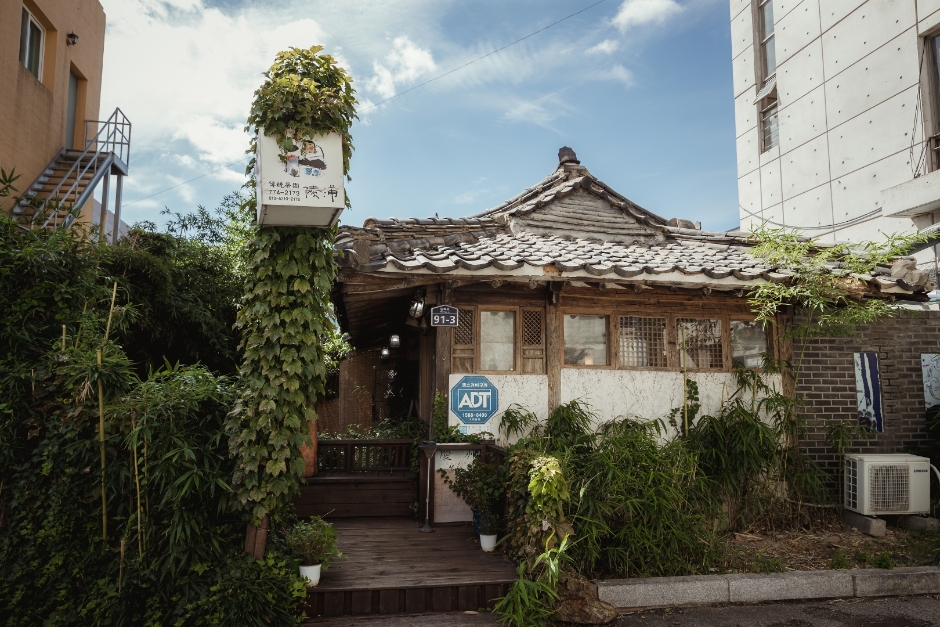
Neungpo Dawon (능포다원)
13.4Km 2025-10-29
91-3 Wonhyo-ro, Gyeongju-si, Gyeongsangbuk-do
A traditional Hanok tea house subtly nestled among buildings. It served as the filming location for the traditional tea house “Arisol” managed by Gong Yoon-hee in the movie “Gyeongju.” The tea, brewed by the owner, boasts a rich flavor. The painting “Chunhwa” that served as the movie's motif is a work by the husband of the tea house owner. Various artworks, starting with “Chunhwa,” are displayed throughout the tea house.
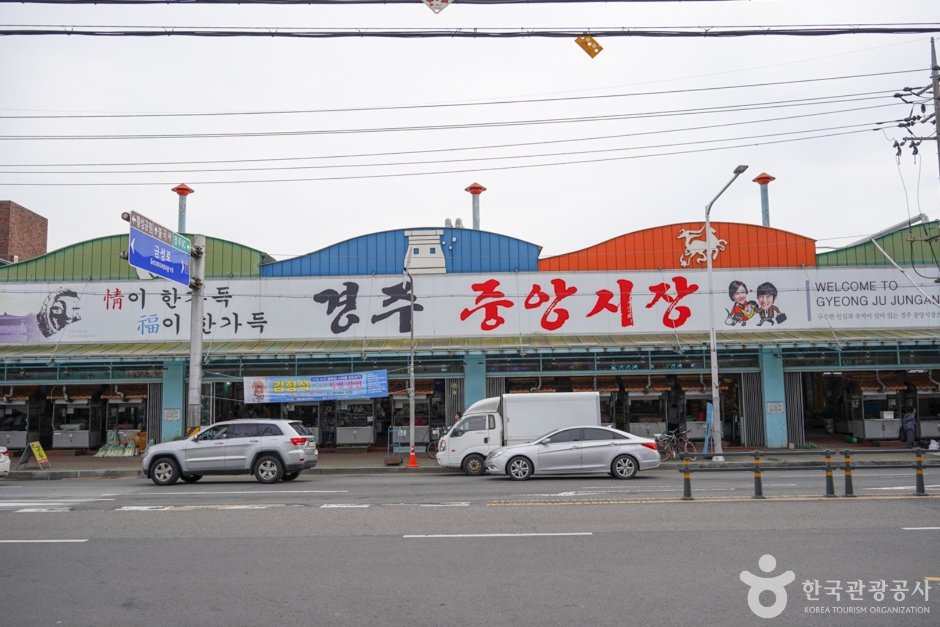
Gyeongju Jungang Market (경주 중앙시장)
13.7Km 2025-05-21
295 Geumseong-ro, Gyeongju-si, Gyeongsangbuk-do
Opened in 1983, Gyeongju Jungang Market is the main marketplace for Gyeongju locals. Nearly 700 stores selling clothing, oils, rice cakes, vegetables, general goods, and meat operate with some 2,000 vendors. The market is open nearly every day, with the busiest days being those ending in a 2 or 7. The night market, open from Thursday to Sunday, is especially popular among both tourists and locals.
Huewon (경주휴원)
13.7Km 2024-12-19
154 , Chunghyoseoak-gil, Gyeongju-si, Gyeongsangbuk-do
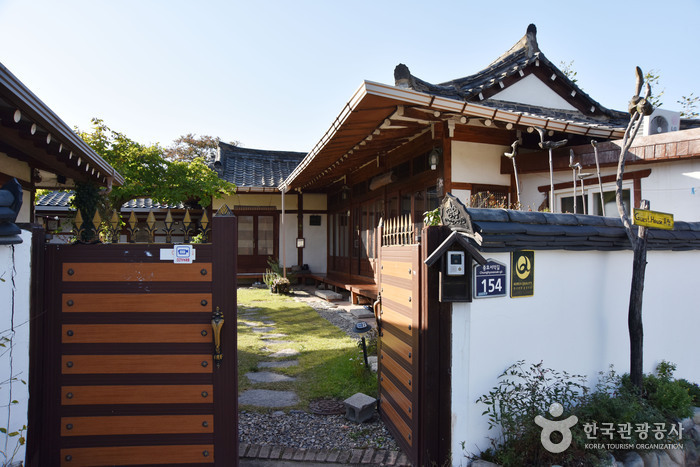
Hyuwon is a hanok guesthouse in Seoak-dong, Gyeongju, Gyeongsangbuk-do, that offers guests a healthy and peaceful sojourn in a traditional red clay hanok. Rooms are bright, with clean and comfortable bedding. In the yard visitors will find a garden, an old well and water pump, and magnolia trees standing out against the low mountains. An early morning walk through the mist to the nearby Dobong Seodang village school is highly recommended.
Gyeongju Tomb of King Muyeol, Stele of King Taejong Muyeol (경주 무열왕릉, 태종무열왕릉비)
13.8Km 2025-06-13
10-4 Neungnam-gil, Gyeongju-si, Gyeongsangbuk-do
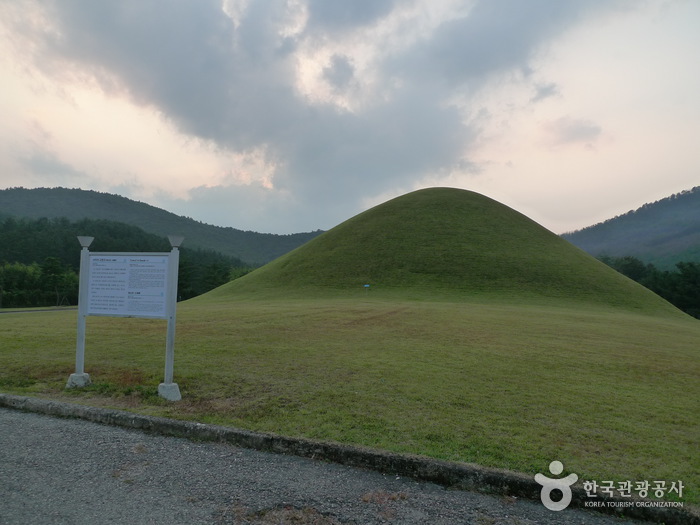
The Tomb of King Muyeol is the tomb of Kim Chun-chu, who acsended to the throne as King Muyeol (r. 654-661), the 29th ruler of the Silla Kingdom. The tomb is located at the southwestern foot of Seondosan Mountain in Gyeongju. As king, he sought to unify the three kingdoms by allying forces with China's Tang dynasty, but passed away before he could successfully accomplish his goal. His tomb is relatively large, reaching a x_height of 8.7 meters, and having a circumference of 114 meters. Originally made with large stones, the tomb has been covered in dirt and grass with the passing of time. To the east of the grave are the remains of his stele with an inscription that reads “Taejong Muyeol Daewangjibi (Tombstone of the Great King Muyeol)," indicating the owner of this grave.

Sosomilmil Seoak Branch (소소밀밀 서악점)
13.9Km 2025-11-06
15 Neungnam-gil, Gyeongju-si, Gyeongsangbuk-do
◎ Travel information to meet Hallyu’s charm - "The Good Bad Mother"
The neighborhood gathering spot in the drama where Jo-woori Village residents frequently met to share big and small news, enjoy meals together, and partake in hobbies. In reality, Sosomilmil is a warm-atmosphere cafe and bookstore located within a rural village. Housed in a wooden building with a high ceiling, it's an ideal place for peaceful reading.
SILLA BOUTIQUE HOTEL PREMIUM (신라부티크호텔 프리미엄)
13.9Km 2024-08-22
200 , Gangbyeon-ro, Gyeongju-si, Gyeongsangbuk-do
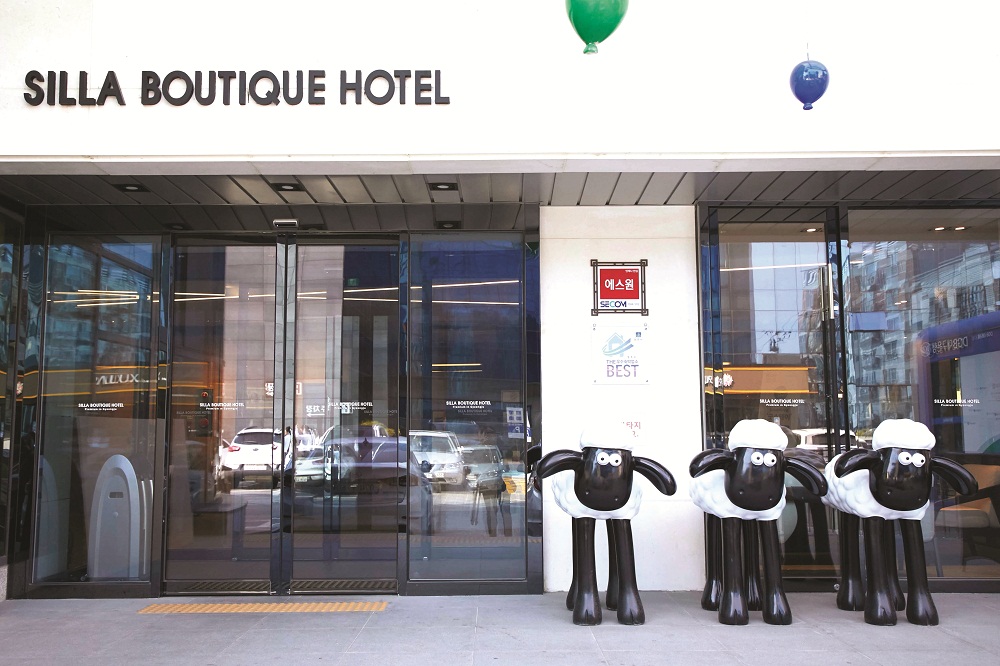
Shilla Boutique Hotel Premium is a family-oriented hotel in Gyeongju, Gyeongsangbuk-do. Dedicated rooms for travellers with young children have low beds to prevent falls, and family customers are provided with free tickets to local playparks. For older guests, screen-golf discount coupons are provided. The hotel is a 5-minute walk from the Gyeongju bus terminal, a 20-minute bus ride from Singyeongju station, and an easy drive to most of the city’s tourist attractions.

Hanok Pension The-Nine (한옥펜션 더나인)
14.0Km 2025-11-05
87 Chunghyoseoak-gil, Gyeongju-si, Gyeongsangbuk-do
This is a Hanok pension where all the members of 'I Live Alone' went on a trip together and stayed. The most special thing about this place is that it has a swimming pool inside. There is a shallow pool for children and two pools for adults, which can be used freely. Towels are provided and you can rent a tube to enjoy a comfortable swim. The interior is also conveniently decorated while preserving the beauty of a Hanok, and all facilities are tidy. There is also a separate barbecue area.

Gameunsaji Temple Site (경주 감은사지)
14.0Km 2025-06-12
Yongdang-ri, Gyeonju-si, Gyeongsangbuk-do
Gameunsaji Temple Site was built by King Munmu (AD 661-681), the king of Silla who unified Baekje and Goguryeo in the late 7th century. The purpose of the temple site was to pray for help and guidance from Buddha against Japanese invasion. Unfortunately, King Munmu passed away before the completion of the temple, and left a will to be cremated and buried in the East Sea so that he may reincarnate as a sea dragon in order to protect the country. As he wished, King Munmu's ashes were scattered at Daewangam of the East Sea. The temple was completed and was named by his son, King Sinmun (AD 681-692) in respect and appreciation for his father.
Gameunsaji Temple Site was rebuilt in 1979 based on the discovery of the site's foundation after two years of archeological research. The three-story stone pagoda at the temple site is a reminent of the early period of unified Silla, assembled with several parts which rise up to 13.4m high, known to be Silla's highest three-story pagoda.
 English
 한국어
한국어 日本語
日本語 中文(简体)
 Deutsch
 Français
 Español
 Русский


