
Insadong Chatjip (인사동찻집)
321.3M 2025-06-24
33-1, Insadong-gil, Jongno-gu, Seoul
Insadong Chatjip is a hanok teahouse that serves home-made traditional tea. Even the red beans used in the summer delicacy patbingsu
Nwijo (뉘조)
330.6M 2024-11-28
27, Insadong 14-gil, Jongno-gu, Seoul
+82-2-730-9311
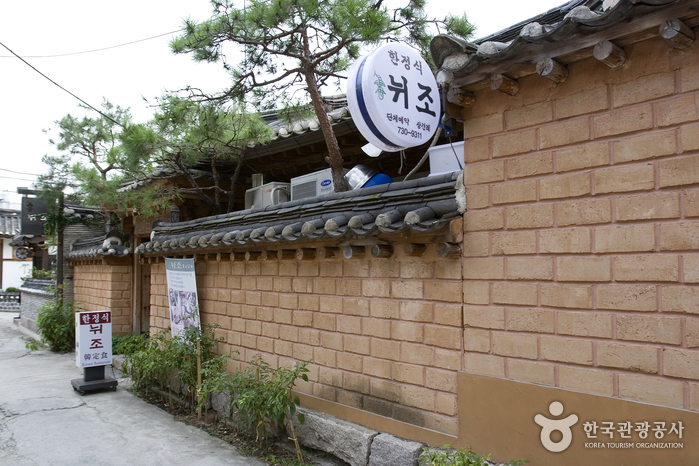
Nwijo (뉘조) is a Korean restaurant specializing in wild vegetable cuisine. The name ‘Nwijo’ means ‘the god of the silkworm,’ and likens wild vegetables to silkworms in that both can be eaten in their entirety. The restaurant serves original full-course Korean meals that are prepared using hundreds of kinds of wild vegetables, including special seasonal vegetables.
A typical full-course meal starts with delicious pumpkin porridge, followed by seasoned wild vegetables, root vegetable ssam (condiments wrapped in vegetable leaves), slices of boiled meat, and steamed lotus leaf-wrapped rice served with jjigae (Korean stew) and various side dishes. This kind of traditional feast is pleasing to both the eye and the palate and is topped off with sikhye (traditional sweet rice drink). Lunch specials are also available.
Museo de Artesanía de Seúl (SeMoCA) (서울공예박물관)
349.0M 2025-05-28
Yulgok-ro 3-gil 4, Jongno-gu, Seúl
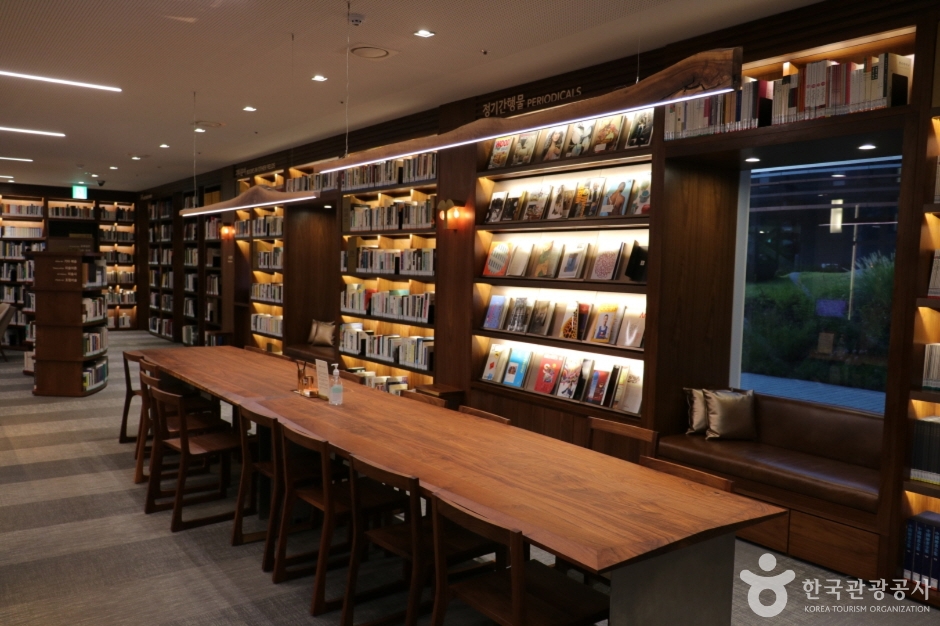
El Museo de Artesanía de Seúl (SeMoCA, por sus siglas en inglés) es el primer museo público de artesanía en Corea y abrió sus puertas en el barrio de Anguk-dong, Seúl, en julio de 2021. La inauguración se produjo tras la renovación de cinco edificios de la antigua escuela secundaria femenina Pungmoon. El SeMoCA estudia y comparte no solo obras, sino también información, registros y entornos relacionados con la artesanía, con el objetivo de convertirse en una plataforma dinámica para experimentar los valores técnicos, prácticos, artísticos y culturales de la artesanía.
El SeMoCA alberga una colección que abarca diversas artesanías y materiales artesanales que abarcan múltiples campos y épocas, desde lo tradicional hasta lo actual. También organiza exposiciones que presentan la historia de la artesanía, desde el arte tradicional hasta el contemporáneo, así como artesanías locales e infantiles, junto con programas que utilizan las instalaciones, los archivos, la biblioteca y el sistema de gestión de recursos del museo.
El sitio donde se encuentra el museo tiene profundas raíces históricas, ya que también es el solar del Palacio Secundario de Anguk, donde se construyó un palacio independiente como residencia real para el hijo del rey Sejong, el príncipe Yeongeung, y sirvió como sede de celebraciones reales, como la boda del rey Sunjong. Su ubicación, en el centro del distrito de Jongno-gu, es donde los maestros artesanos de la era Joseon producían y entregaban sus obras.
Insa-dong Antique Art Street (인사동 고미술거리)
353.7M 2025-08-04
29, Insadong-gil, Jongno-gu, Seoul
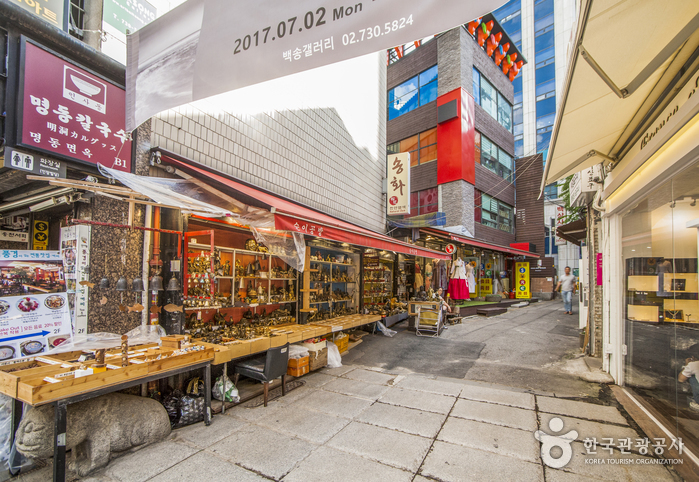
As of today, there are approximately 70 shops in the Insa-dong area that sell antique arts. Some of the products they sell include antique artworks, porcelains, woodcrafts, and metalwork. Visitors may even find rare and valuable products such as earthenware from the Silla period or white porcelain used in the Joseon dynasty. Each shop is a specialty store, authorized to sell product types that are of their expertise, ranging from antique furniture and traditional artworks to handcrafted items.
Museo del Té Areumdaun (Beautiful Tea Museum) (아름다운 차박물관)
394.7M 2025-12-17
Insadong-gil 19-11, Jongno-gu, Seúl.
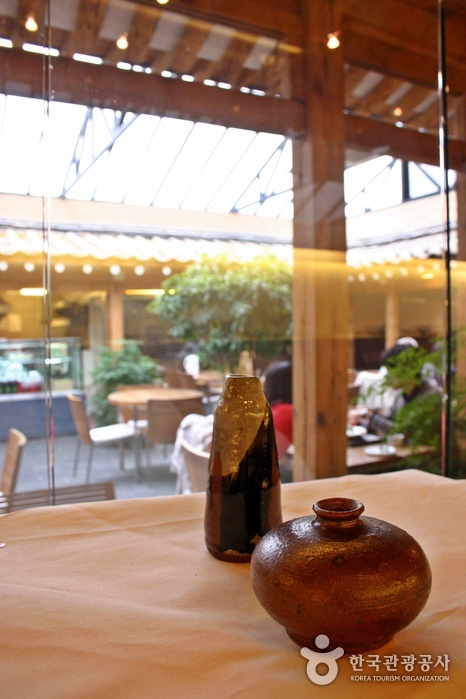
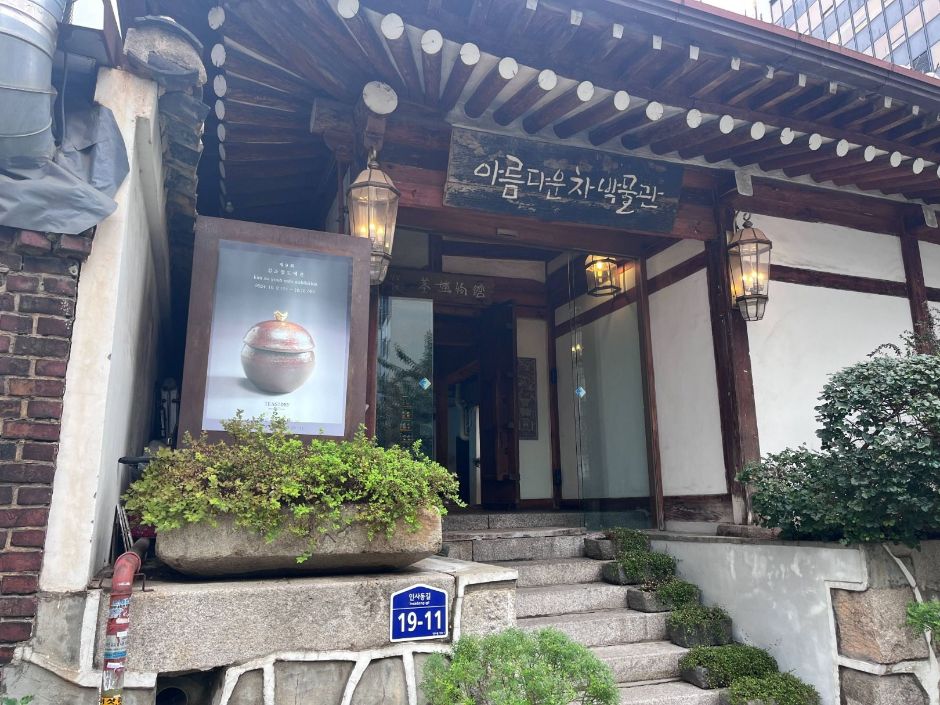
El Museo del Té Areumdaun es un espacio multicultural y comprende una galería que invita a descubrir obras de porcelana realizadas por jóvenes artistas, una tienda que propone alrededor de 110 tipos de té de Corea, China, Japón, Taiwán, Sri Lanka, India y países de Europa, y un salón para degustar un buen té. La sala de exposiciones se divide en tres secciones destinadas respectivamente a Corea, China y el Tíbet. Allí se exponen diversos estilos de servicios de té para tener una impresión de las características del arte del té de cada país. Asimismo, jóvenes artistas organizan exposiciones y ventas. El museo expone cerca de 130 tipos de té, podrá comprar o degustar diferentes variedades como té clásico, té verde, té azul, té negro, té a las hierbas, té a las flores, etc.
Areumdaun Cha Bangmulgwan (Beautiful Tea Museum) (아름다운차박물관)
394.7M 2025-05-27
19-11, Insadong-gil, Jongno-gu, Seoul
In addition to gourmet restaurants, traditional tea houses are a popular destination in Insa-dong. Among them, we recommend Areumdaun Cha Bangmulgwan, where you can taste more than 100 types of tea, including Korean, Chinese, Japanese, and Taiwanese. The shop also serves as a museum and gallery. Enjoy a leisurely cup of tea as you appreciate the art that is on display.
Yangbandaek (양반댁)
400.3M 2025-05-14
19-18, Insadong-gil, Jongno-gu, Seoul
Yangbandeck is a traditional Korean house in Insa-dong, serving ganjang gejang (soy sauce marinated crab) and bori gulbi (barley-aged dried yellow croaker). Theganjang gejang is made from crabs filled with roe, matured in soy sauce. The taste of barley-aged dried yellow croaker, made from dried yellow croaker matured in sea breeze and served on top of rice, is exceptional. Each meal comes with a hot pot rice, and side dishes such as soybean paste jjigae, pancakes, kimchi, and japchae are served as standard.
Mallijihwa Main Branch (만리지화 본점)
406.1M 2025-11-27
17, Jong-ro 3-gil, Jongno-gu, Seoul
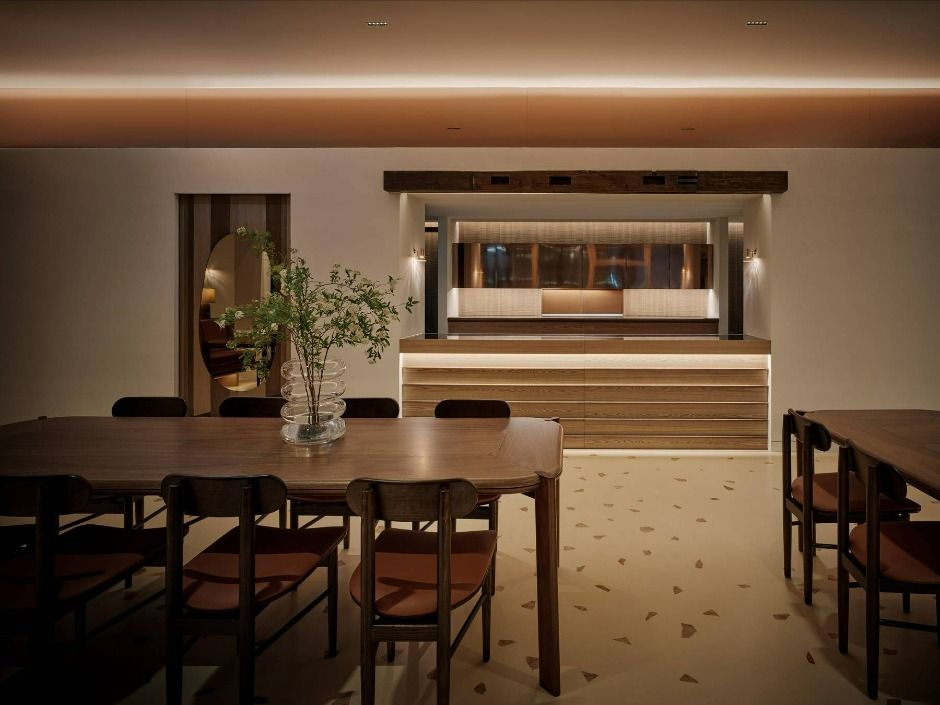
Mallijihwa, which embodies the meaning "eel that travels 10,000 ri and met fire," is an eel dining brand that modernizes the depth of Korean gastronomy. The restaurant's name was inspired by the eel's remarkable strength to swim across vast oceans to its spawning grounds—so significant that it is referred to as "malli fish" in the "Donguibogam" ("A Precious Mirror of Eastern Medicine"). Hence the name, Mallijihwa specializes in serving grilled eel, which is carefully grill with briquettes. The restaurant reinterprets eel with Korean aesthetics, offering a comfortable and elegant dining experience in a space that blends traditional architectural elements with a modern twist. The dishes served here offers an outstanding dining experience where the texture of the eel melts in one's mouth, and its flavor lingers long after. Signature dishes include grilled eel rice bowls, grilled eel, eel gujeolpan (platter of nine delicacies), and eel meal courses. The restaurant also offers seasonal lunch box made with fresh, seasonal ingredients.
Modern Shabu House Gwanghwamun D Tower Branch (모던샤브하우스 광화문D타워점)
406.1M 2025-12-03
17, Jong-ro 3-gil, Jongno-gu, Seoul
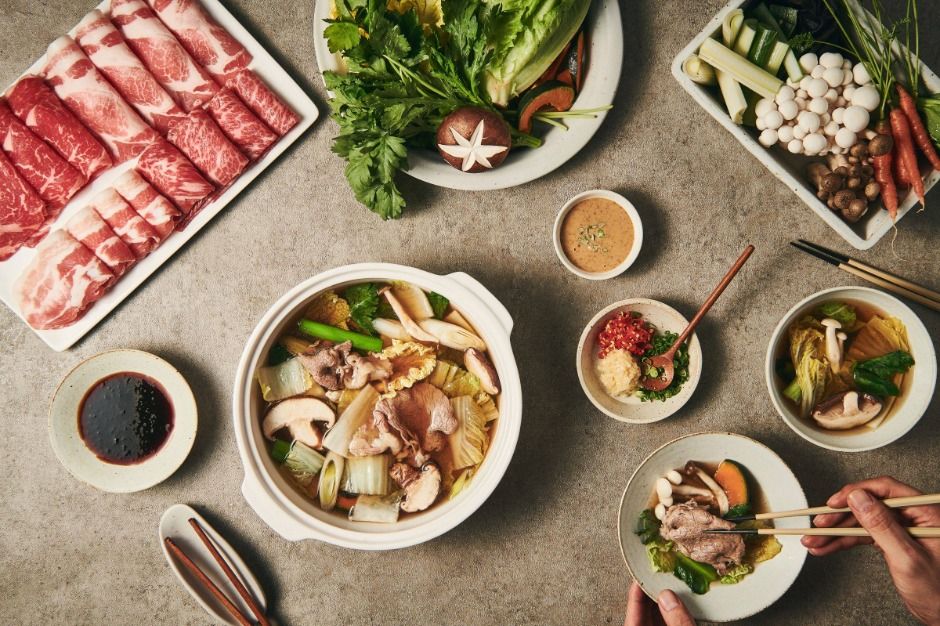
Located in Jongno-gu, Modern Shabu House Gwanghwamun D Tower Branch offers a selection of specialty broths to enjoy unlimited beef, pork, and vegetables. The restaurant serves four cuts of pork and beef in every course. The interior is designed with natural materials like earth, stone, and wood, inspired by the fluid process of cooking ingredients like meat and vegetables in a pot. The design reflects the natural movement and flow of ingredients as they cook together. The restaurant also has a range of private rooms, making it a popular choice for families with children and for gatherings, providing a comfortable dining experience.
Centro de Arte de Seúl Galería Gongpyeong (서울아트센터 공평갤러리)
424.6M 2023-01-03
Samil-daero 30-gil 10-3, Jongno-gu, Seúl.
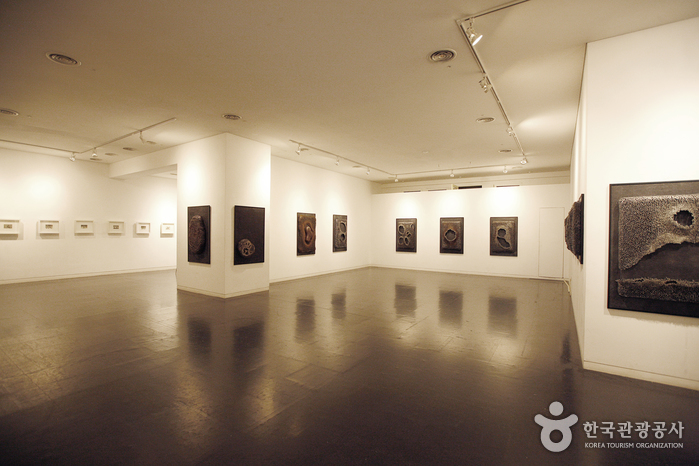
Esta galería, inaugurada en 1992, tiene grandes dimensiones: posee 2 pisos, con 4 salas de exposición. La institución organiza exposiciones de todo tipo: arte oriental, occidental, coreano, de escultura, etc., por lo que es un destino imperdible durante una visita a Insa-dong. Más que ser un espacio destinado únicamente a las exposiciones, trata de desarrollarse como un complejo cultural artístico.
 Español
 한국어
한국어 English
 日本語
日本語 中文(简体)
 Deutsch
 Français
 Русский


