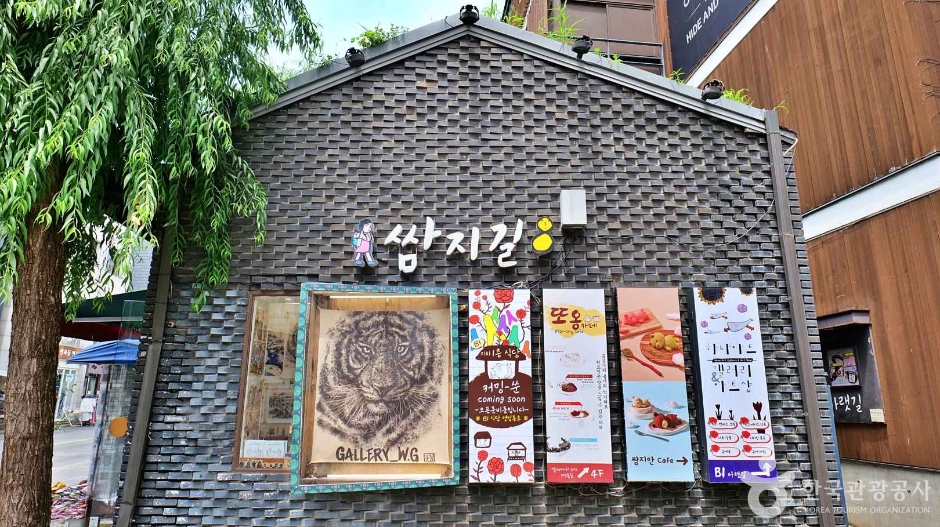
Ssamzigil (쌈지길)
7.5Km 2025-05-26
Insadong-gil 44, Jongno-gu, Seúl
En las animadas calles de Insa-dong se fundó un área de 500 m de largo el 18 de diciembre de 2004. Este edificio tan particular fue construido conectando las encantadoras calles con escaleras en forma de espiral. Al ir haciendo compras por las divertidas y encantadoras tiendas hasta el último piso, llegará a Haneulmadang, donde podrá tener una buena vista del cielo. Ssamzigil cubre una superficie de aproximdamente 4.000 m² con más de 70 tiendas de artesanías, galerías de arte, restaurantes y tiendas de recuerdos.
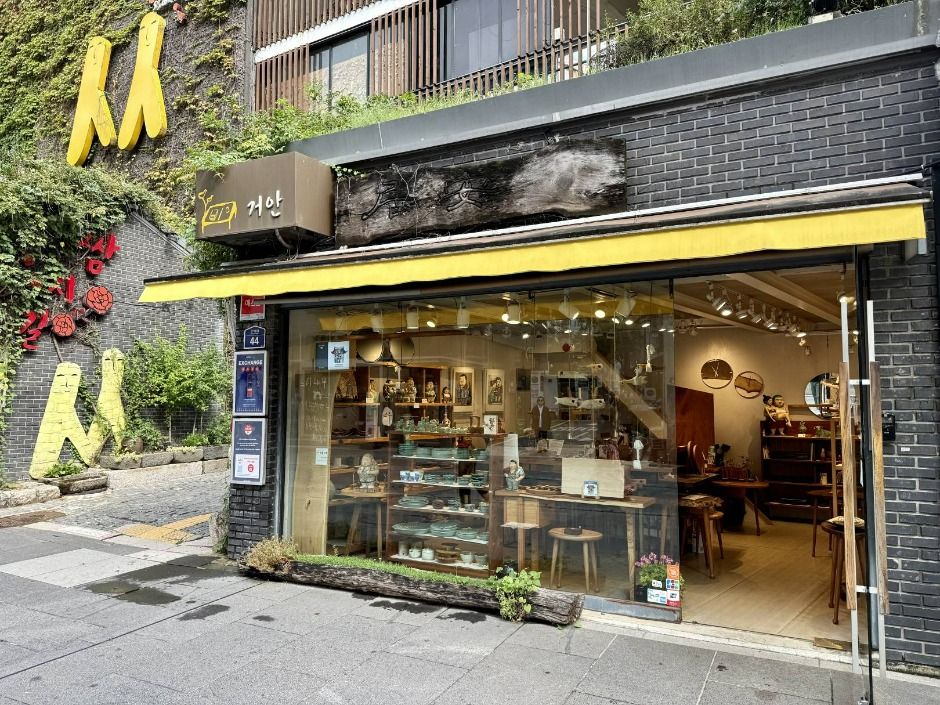
Geoan (거안)
7.5Km 2025-10-23
Insadong-gil 44, Jongno-gu, Seúl
Inaugurado en el barrio de Insa-dong, Seúl, en 1981, Geoan es un taller que crea muebles y accesorios de madera utilizando la mejor madera maciza y técnicas exquisitas. Los productos expuestos se pueden comprar en el momento, y es posible personalizarlos especificando el material y el tamaño. Además de la producción de muebles, la tienda también expone y vende una variedad de obras de arte, como porcelana celadón, laca de nácar y esculturas. Es conocido como un elegante espacio artístico donde se fusionan la tradición y la modernidad. Geoan continúa transmitiendo el valor de la ebanistería coreana y los visitantes pueden experimentar la belleza atemporal de la madera y la cálida sensibilidad que nace del trabajo artesanal.

Museo Nacional de Arte Moderno y Contemporáneo en Deoksugung [MMCA] (국립현대미술관 덕수궁관)
7.5Km 2024-07-29
Sejong-daero 99, Jung-gu, Seúl.
Este museo se dedica a la investigación y el estudio del arte moderno, y también en su exposición y conservación. Aquí podrá ver obras clásicas del arte moderno. Debido a que utiliza el anexo Seokjojeon, dentro del palacio Deoksugung, como su lugar de exposición, el centro mantiene por ello un ambiente tradicional único. En el primer piso están la oficina de administración y la sala audiovisual, y el segundo piso tiene exposiciones de arte moderno en las salas 1 y 2. El tercer piso tiene las salas 3 y 4, en donde las obras seleccionadas como el mejor arte moderno están expuestas durante todo el año. Puede ver obras modernas, tales como pinturas con tinta china, a color, óleos y esculturas. Además de las exposiciones, el centro tiene varias actuaciones, tales como música y mímica. También las conferencias o seminarios, sobre las obras de los artistas, se celebran a menudo y son populares entre los turistas. El Parque de los Ciudadanos del exterior del museo es frecuentado por mucha gente que va allí a relajarse.
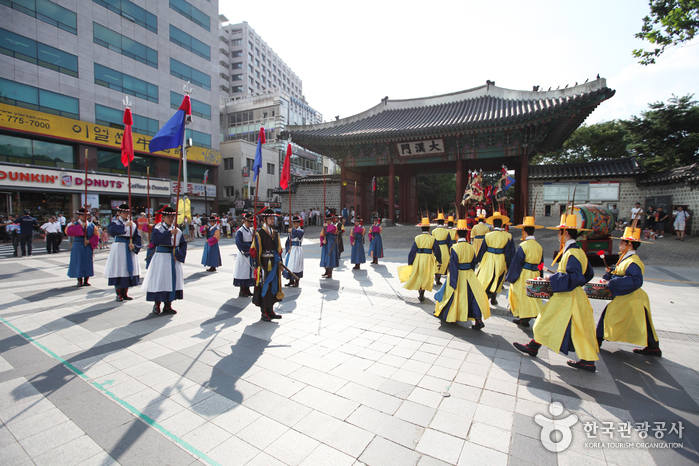
Puerta Daehanmun del Palacio Deoksugung (덕수궁 대한문)
7.5Km 2024-12-04
Sejong-daero 99, Jung-gu, Seúl
Tradicionalmente, la entrada principal al palacio Deoksugung, en Seúl, era la puerta Inhwamun. Con la construcción del pabellón más importante del palacio, llamado Junghwajeon, en 1902, también se levantaron dos puertas nuevas: Junghwamun y Jowonmun. Luego se levantó la puerta Daehanmun, al este de Jowonmun, para que funcionara como entrada principal, pero se la movió de sitio en 1904 para permitir la expansión de la avenida.
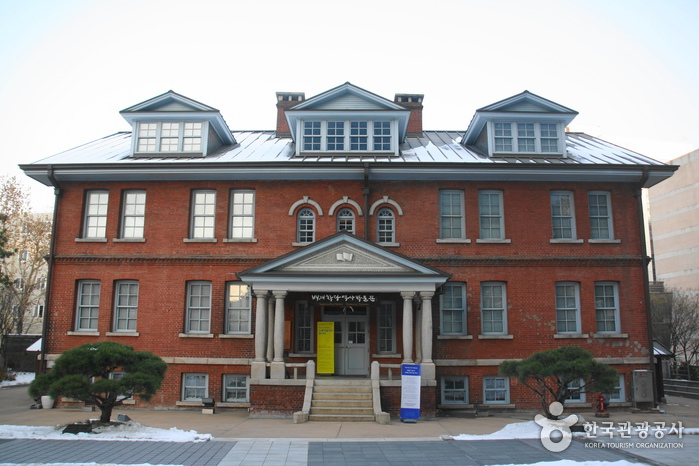
Museo Conmemorativo Appenzeller Noble (배재학당역사박물관)
7.5Km 2022-09-27
Seosomun-ro 11-gil 19, Jung-gu, Seúl
El Museo Conmemorativo Appenzeller Noble abrió en 2008 en el Instituto Pai Chai, una institución educacional de estilo occidental construida en 1916. El edificio del museo está designado como como Monumento de Seúl. Con exposiciones permanentes dispuestas dinámicamente, exposiciones especiales anuales y conferencias especiales, el museo ofrece una experiencia de aprendizaje única para los visitantes y personas que tengan interés en la historia de la educación en Corea.

Residencia Real Unhyeongung en Seúl (서울 운현궁)
7.5Km 2021-11-29
Samil-daero 464, Jongno-gu, Seúl
Es un patrimonio cultural, designado Sitio Histórico, ubicado en Unni-dong, Jongno-gu. Antigüamente no era un palacio como lo es el de Gyeongbokgung, sino que se trataba de la residencia de los miembros de la Familia Real, pero con el paso del tiempo se lo ha considerado como un palacio. La denominación en coreano del palacio Gyeongbokgung sería “Gunggwol”. El término “Gung” hace referencia al espacio de residencia, mientras que la palabra “Gwol” se refiere al espacio político. Esto significa que en Gyeongbokgung se llevaba a cabo la vida cotidiana y política de la Corte Real; pero en Unhyeongung residía la Familia Real de Heungseon Daewongun, regente y padre del rey Gojong. Cabe señalar que hacia finales de la época Joseon, en esta residencia real se han originado la mayoría de los sucesos históricos, políticas revolucionarias, política de aislamiento, etc., todo lo cual resalta su simbolismo histórico.
La construcción para ampliar el palacio Unhyeongung comenzó a un mes de que Gojong asumiera el trono, a petición de la madre del Rey. En un principio, se encontraba localizado en el área intermedia entre los palacios Changdeokgung y Gyeongbokgung, pero a medida que se fue extendiendo, con una cantidad de edificaciones anexas, ha abarcado la zona actual que corresponde a la Universidad femenina de Duksung, el antiguo edificio de la emisora TBC, el Centro Cultural Japonés, la Escuela primaria Gyodong y el edificio de la compañía Samwhan.
El edificio principal de Unhyeongung es la sala Noandang, construida en septiembre de 1864. Entre otras construcciones famosas se destacan Norakdang, Irodang, y las cuatro puertas de acceso al palacio, aunque en la actualidad ha quedado una sola puerta. Norakdang, siendo la edificación central del palacio, fue el escenario de los grandes festivos familiares, y Noandang fue el despacho de Daewongun, la construcción más significativa en la vida de este hombre, ya que fue el lugar en donde pasó los momentos más importantes de su vida y donde falleció. Presenta un estilo arquitectónico tradicional coreano, con tejado, cuyos extremos estaban decorados elegantemente. Irodang, situado al lado Norakdang, tiene la forma de un cuadrado, y en su interior se encuentra un hermoso jardín. Este lugar ha recibido la atención y el cuidado solo durante el período de regencia de Heungseon Daewongun, ya que luego de su muerte, fue difícil el mantenimiento. La residencia ha tomado la apariencia actual a partir de noviembre de 1993, que es cuando el gobierno de Seúl tomó posesión del establecimiento, y por lo cual, ejecutó las obras de remodelación y restauración.
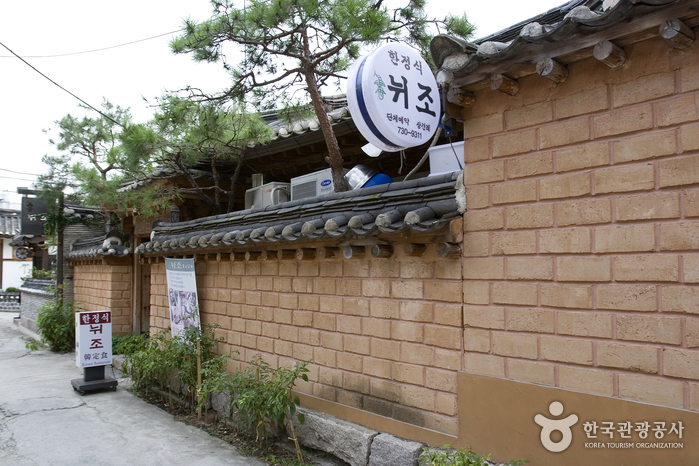
Nwijo (뉘조)
7.5Km 2024-11-28
27, Insadong 14-gil, Jongno-gu, Seoul
+82-2-730-9311
Nwijo (뉘조) is a Korean restaurant specializing in wild vegetable cuisine. The name ‘Nwijo’ means ‘the god of the silkworm,’ and likens wild vegetables to silkworms in that both can be eaten in their entirety. The restaurant serves original full-course Korean meals that are prepared using hundreds of kinds of wild vegetables, including special seasonal vegetables.
A typical full-course meal starts with delicious pumpkin porridge, followed by seasoned wild vegetables, root vegetable ssam (condiments wrapped in vegetable leaves), slices of boiled meat, and steamed lotus leaf-wrapped rice served with jjigae (Korean stew) and various side dishes. This kind of traditional feast is pleasing to both the eye and the palate and is topped off with sikhye (traditional sweet rice drink). Lunch specials are also available.
Centro de Información de Estancias en Templos (템플스테이 홍보관)
7.5Km 2022-09-28
Ujeongguk-ro 56, Jongno-gu, Seúl
El centro es un complejo cultural de cinco plantas donde se encuentran la mayoría de oficinas responsables de las estancias en templos, centros de información, centros educativos, un restaurante de comida budista tradicional llamado Balwoo Gongyang, entre otros.
![Tumbas Reales Heolleung e Illeung en Seúl (서울 헌릉과 인릉) [Patrimonio Cultural de la Humanidad de la Unesco]](http://tong.visitkorea.or.kr/cms/resource/46/1985246_image2_1.jpg)
Tumbas Reales Heolleung e Illeung en Seúl (서울 헌릉과 인릉) [Patrimonio Cultural de la Humanidad de la Unesco]
7.6Km 2025-05-21
Heonilleung-gil 34, Seocho-gu, Seúl.
El monte Daemosan detrás de la Tumba Real Heonilleung era llamado originalmente Halmisan (que significa "abuela" en coreano), porque su forma recuerda a una mujer anciana. La Tumba Real Heonilleung alberga los túmulos de dos reyes de la dinastía Joseon (1392-1910): Taejong (1401-1418) y Sunjo (1800-1834). Heonilleung cuenta con numerosas estatuas de piedra y restos arqueológicos, siendo un buen lugar para experimentar la cultura de la dinastía Joseon. Al acercarse a los túmulos, aparece una puerta con el símbolo del taegeuk (yin-yang), marcando el límite entre este mundo y el más allá. Al atravesar la puerta roja, se llega a una construcción en la que se oficiaban antiguos rituales funerarios. Tras esta construcción, se encuentra la tumba real. Alrededor de este lugar se encuentran esculturas de animales llamadas japsang, usadas para alejar los malos espíritus. También hay una estatua de un militar ofreciendo su espada, con su caballo tras él.
Sarangchae (사랑채)
7.6Km 2025-05-14
6, Insadong 16-gil, Jongno-gu, Seoul
Sarangchae is located in Insa-dong, one of the most famous neighborhoods visited by tourists. Majority of the restaurant's customers are foreigners, and they offer reasonably priced Korean dishes that are highly popular among foreign visitors.
 Español
 한국어
한국어 English
 日本語
日本語 中文(简体)
 Deutsch
 Français
 Русский


