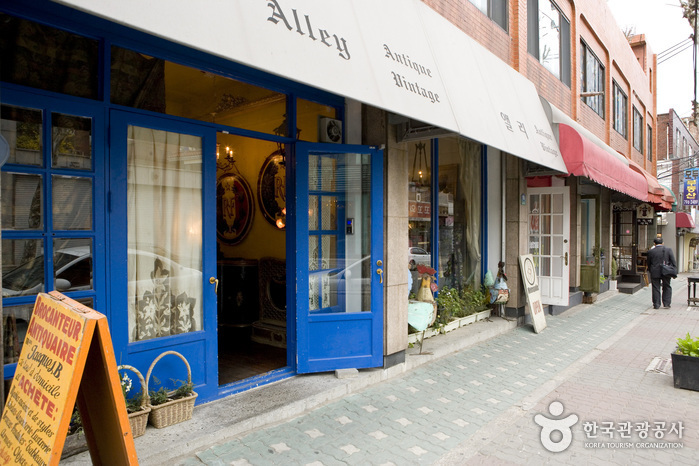
Calle de los Anticuarios de Itaewon (이태원 앤틱 가구 거리)
11.4Km 2022-03-04
Bogwang-ro 109-1, Yongsan-gu, Seúl.
La Calle de los Anticuarios se creó en 1960 cuando los soldados norteamericanos se ubicaron en Yongsan y vendían sus muebles antes de regresar a su país. Con el paso de los años, el área ha crecido y los compradores pueden encontrar piezas de cualquier parte del mundo. Junto con los muebles, hay una gran selección de relojes de pared, objetos de diseño interior, entre otros que no están disponibles en otros lugares.

Taj Palace (타지펠리스)
11.5Km 2025-05-19
39, Usadan-ro, Yongsan-gu, Seoul
Named after the Taj Mahal, Taj Palace serves authentic Indian dishes prepared by an Indian chef. The restaurant owner hired the Indian chef in hopes of introducing real Indian food to Korean people. Some of the most popular dishes in the restaurant include tandoori (barbecue) dishes, Indian fried rice called "briyani," toasted bread, Indian beverages, and the “set meal."
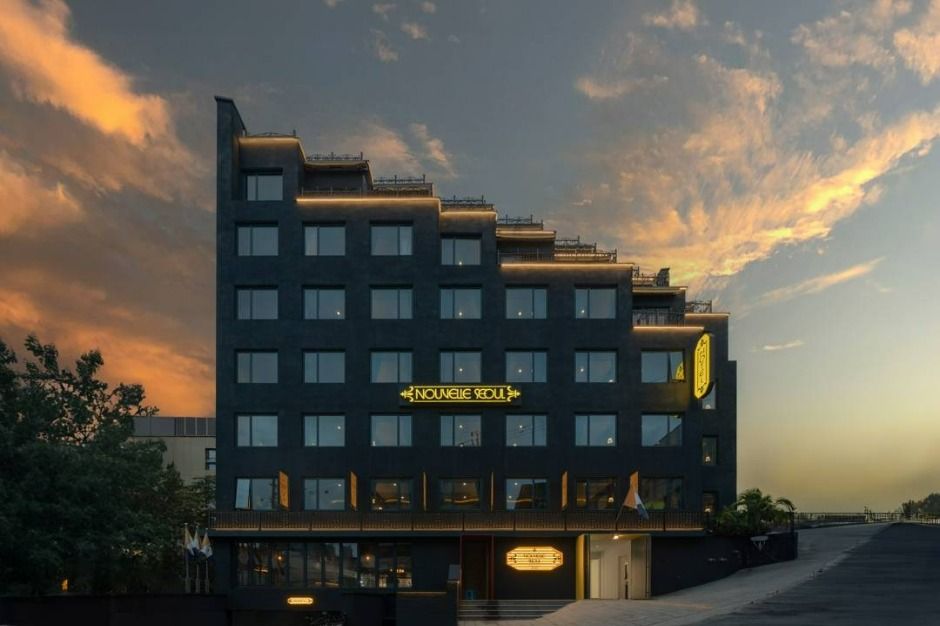
The Hyoosik Nouvelle Seoul Itaewon (더휴식 누베르 서울 이태원점)
11.5Km 2025-04-11
11, Usadan-ro 14-gil, Yongsan-gu, Seoul
The Hyoosik Nouvelle Seoul Itaewon aims to rediscover Seoul through creativity and inspiration. The overall design of the hotel is inspired by French avant-garde, using a variety of objects and props to create an artistic and stylish atmosphere. The hotel has Collection T room type, a twin bedroom; Collection D room type, a double bedroom; and Collection S room type, a single bedroom. On the first floor of the hotel is a guest lobby and a pasta restaurant. The hotel's parking lot is limited in space, and therefore guests are advised to use a nearby public parking lot.
Dubai Restaurant (두바이레스토랑)
11.5Km 2025-05-19
192, Itaewon-ro, Yongsan-gu, Seoul
Dubai Restaurant in Itaewon offers authentic Arabian cuisine as well as shisha (water pipe smoking). Located in the middle of Itaewon, it’s popular among both Koreans and foreigners.
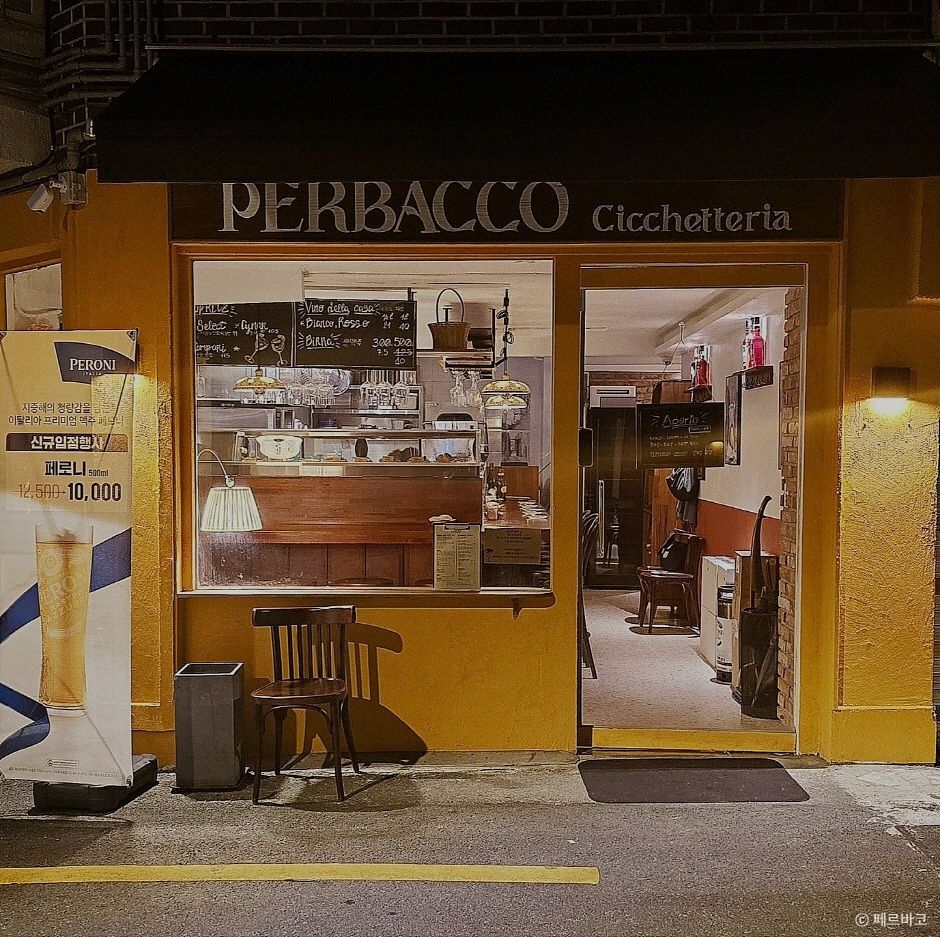
Perbacco (페르바코)
11.6Km 2024-09-11
30 Neungdong-ro 16-gil, Gwangjin-gu, Seoul
Perbacco is a Venetian style pub, better known as a chicchetteria. The pub offers lesser-known Italian snack fare from Venice, with their main dish being cicchetti, flat slices of bread piled with various ingredients, usually focusing on seafood.
Gaetmaeul (갯마을)
11.7Km 2025-05-15
56, Seobinggo-ro, Yongsan-gu, Seoul
Gaetmaeul restaurant, located in Ichon-dong in the Yongsan area of Seoul, is widely known for its specialty dish, Son-manduguk (handmade dumpling soup). Not only does it serve exceptionally delicious food, but the service is friendly, and the facilities are clean. As well as the excellent mandu dishes, such as manduguk (dumpling soup) and tteok-manduguk (dumpling soup with rice cake slices), the menu also includes bindatteok (Korean mung-bean pancake) and suyuk (boiled slices of beaf). The kimchi used to fill the dumplings and offered as a side dish is also particularly good.
Bicena (비채나)
11.7Km 2025-05-16
81F, 300 , Olympic-ro, Songpa-gu, Seoul
Bicena provides tasty Korean cuisine available only in Korea in a refined interior.
Museo de Arte Leeum (리움 미술관)
11.8Km 2024-08-05
Itaewon-ro 55-gil 60-16, Yongsan-gu, Seúl.
Situado sobre el monte Namsan, con vistas al río Hangang, el Museo de Arte Leeum se compone de tres espacios que representan el arte y la cultura del pasado, presente y futuro. También se encuentran el Centro de Educación y Cultura de los Niños de Samsung.
El museo también tres edificios: Museo 1, concebido por el arquitecto suizo Mario Botta según los motivos de la porcelana tradicional y dedicado al arte tradicional coreano; Museo 2, realizado por el arquitecto francés Jean Nouvel con diseños y materiales innovadores y consagrado al arte contemporáneo; y el Centro de Educación y Cultura de los Niños, concebido por el arquitecto holandés Rem Koolhaas. Así, estos tres edificios, construidos con diversos materiales y técnicas innovadoras representan los diferentes estilos de cada arquitecto, están dotados en sí mismos de valores artísticos.
Si el Museo 1 muestra la belleza de la porcelana coreana con telas que simbolizan la tierra y el fuego, el Museo 2 utiliza aceros oxidados y cristales por primera vez en el mundo. El Centro de Educación y Cultura de los Niños, que parece flotar en el aire al utilizar hormigón negro, representa un espacio futurista. En el Museo 1 se exponen obras representantes del arte tradicional coreano. La sala de exposiciones permanente presenta cerca de 120 piezas representativas de la colección del museo sobre cuatro pisos, y se compone de diferentes secciones: Goryeo Cheongja (celadón azul de la dinastía Goryeo), Buncheongsagi y Baekja (porcelana blanca) de la dinastía Joseon, pinturas, caligrafías, arte budista y artesanía del metal. La colección del museo está considerada como la mejor de Corea tanto por su calidad como por su cantidad.
El Museo 2 alberga alrededor de 70 obras, que recogen obras representantes del arte del país desde 1910 y las del arte contemporáneo de otros países desde 1945. Entre estas obras se encuentran las de artistas que abrieron nuevos horizontes al arte moderno: Alberto Giacometti, Francis Bacon, Mark Rothko, Joseph Beuys y Andy Warhol. Usted podrá encontrar también obras de artistas que forman parte de las corrientes principales del arte contemporáneo como Damien Hirst o Mattew Barney. El museo gestiona también un instituto de conservación y de archivos de arte coreano con el fin de restaurar el patrimonio del país.
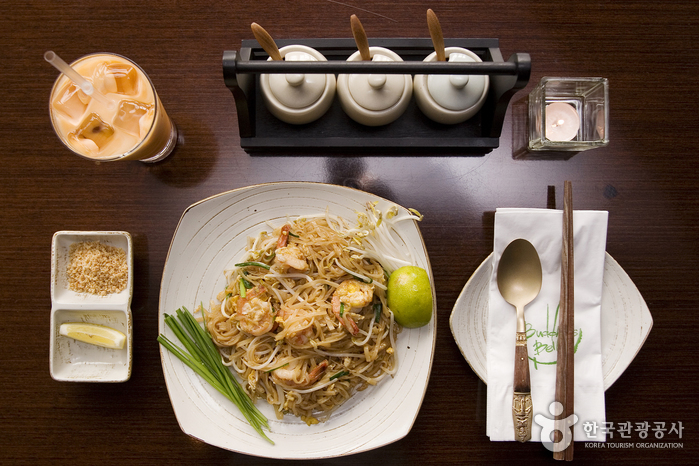
Buddha's Belly - Itaewon Branch (부다스벨리 이태원)
11.8Km 2025-05-14
48, Noksapyeong-daero 40-gil, Yongsan-gu, Seoul
It is a Thai food specialty store located in Itaewon. This restaurant's signature menu is som tam. This Western dishes restaurant is located in Yongsan-gu, Seoul.
Monte Eungbongsan en Seúl (응봉산(서울))
11.9Km 2024-02-22
Geumhodong 4-ga 1540, Seongdong-gu, Seúl
El monte Eungbongsan, de 94 metros de altitud, está situado en la ribera del río Hangang. En la cima de la montaña se encuentra el pabellón Palgakjeong (pabellón con techo octogonal). De ahí, se puede mirar el paisaje del río.
 Español
 한국어
한국어 English
 日本語
日本語 中文(简体)
 Deutsch
 Français
 Русский


