
Isla Nodeulseom (노들섬)
12.0Km 2024-11-15
Yangnyeong-ro 445, Yongsan-gu, Seúl
Conocida como isla Jungjido hasta la década de 1950, la isla Nodeulseom era un banco de arena utilizado para propósitos recreativos hasta que el río Hangang atravesó un proceso de desarrollo en las décadas de los 60 y los 70. La arena fue utilizada para crear lo que parece una isla flotante en medio del río Hangang. Nodeulseom fue prácticamente abandonada durante 50 años, hasta 2005, cuando el Gobierno Metropolitano de Seúl adquirió el terreno. Tras una serie de procesos de planificación y tras varios cambios, la isla fue abierta al público en 2019 con un área recreacional que preserva su aspecto original. Algunas de las principales atracciones de la isla incluyen una tienda de libros, una tienda de música, un jardín y otras instalaciones que sirven para el entretenimiento público.
Paseo de las Estrellas de Gwanak (관악별빛산책)
12.2Km 2025-12-11
Sillim-dong 1642-7, Gwanak-gu, Seúl
02-828-5743
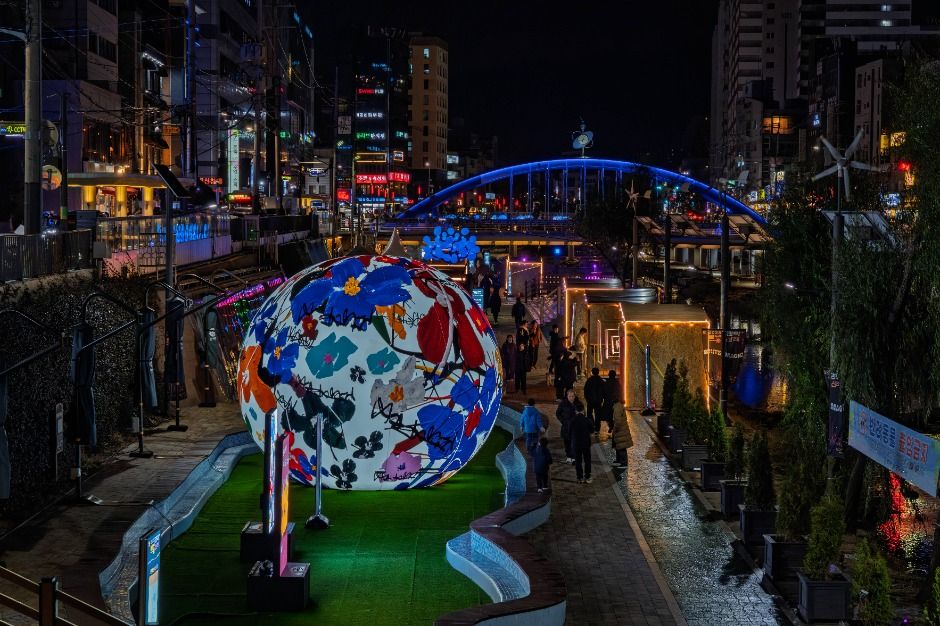
El Paseo de las Estrellas de Gwanak es el festival invernal emblemático del distrito de Gwanak-gu, en Seúl. Ofrece a los visitantes la oportunidad de experimentar el arte de la luz a lo largo del arroyo Dorimcheon. El tramo de 300 m, desde el Puente Sillimgyo hasta el Puente Bongnimgyo, está inspirado en el concepto de "White Magic" y presenta un espacio armonioso con diversas obras de arte de luz de 10 grupos de artistas coreanos. Los visitantes pueden tener una experiencia artística donde las historias de las personas se convierten en una comunidad. El festival comienza con una ceremonia de iluminación el 1 de diciembre, ofreciendo una variedad de experiencias agradables.
Fortaleza de Barro de Pungnap-dong (서울 풍납동 토성)
12.2Km 2023-04-13
Pungnap-dong, Songpa-gu, Seúl
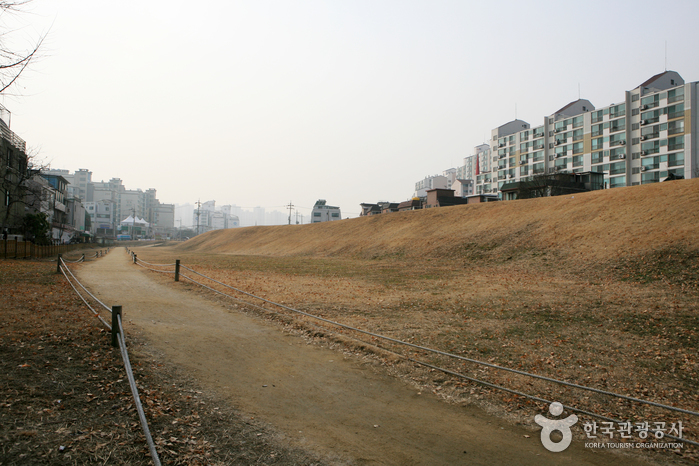
La Fortaleza de Barro de Pungnap-dong es una reliquia del reino Baekje en sus principios. Por diversos restos históricos que fueron encontrados en sus alrededores, se especula también que el lugar fue la fortaleza protectora del palacio real de Baekje.
Gran Parque Infantil (서울어린이대공원)
12.2Km 2024-02-22
Neungdong-ro 216, Gwangjin-gu, Seúl.
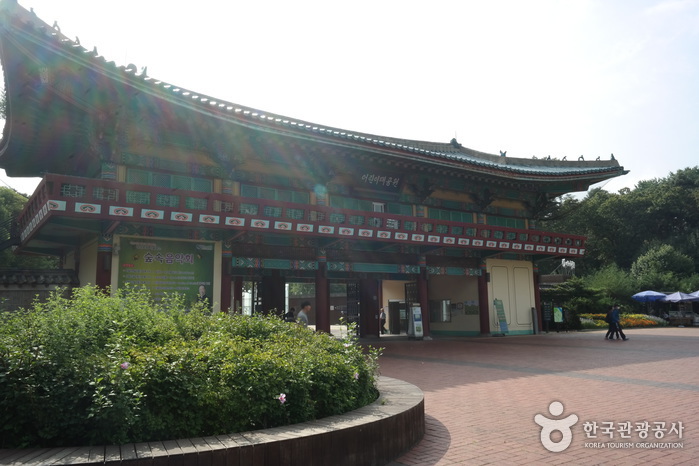
Situado en el distrito Gwangjin-gu de la ciudad de Seúl, el Gran Parque Infantil abarca 530.000 metros cuadrados y es un centro de ocio y entretenimiento preferido por las familias. Cuenta con un parque zoológico, jardín botánico, juegos mecánicos y diversas instalaciones de entretenimiento. Abierto en el Día de los Niños de 1973, el parque está lleno de elementos encantadores capaces de atraer a niños y a jóvenes. Hay un área de animales marinos, donde se exhiben focas y osos polares; una aldea de animales pequeños; y una villa de guacamayos.
La Fontana de la Música presenta espectáculos que toman como el tema principal el agua, mientras que la Sala de Conciertos al aire libre ofrece una amplia variedad de espectáculos durante todo el año. El parque acuático es un lugar ideal para refrescarse en el verano. El parque de diversiones es muy popular, y el I-Land ofrece una variedad de juegos: trencitos de paseo, puente de barcos, coches de choque, el Castillo Fantasmal y mucho más. A todo esto se suman los campos de fútbol, pistas de tenis, Cúpula de la Sala de Arte y el Parque de los Coches, entre otros.
Jardín Botánico de Namsan (남산 야외식물원)
12.2Km 2022-12-16
Sowol-ro 323, Yongsan-gu, Seúl.
El Jardín Botánico de Namsan abrió sus puertas el 18 de febrero de 1997 en Hannam-dong, donde se encontraba la zona residencial para extranjeros demolida en 1994. Cubriendo un área de 59 m2, se divide en 13 jardines temáticos con un total de 117.132 plantas de 269 especies. Entre la diversidad, 60.912 plantas de 129 especies son árboles y 56.220 plantas de 140 especies son tipos de hierba. Los 13 jardines temáticos incluyen un jardín de hierba medicinal, albaricoques, flores silvestres, azaleas reales, arbustos, plantas comerciales y un jardín para ciegos.
Parque Artístico de Anyang (안양예술공원)
12.2Km 2023-05-22
Yesulgongwon-ro 131, Manan-gu, Anyang-si, Gyeonggi-do
El Parque Artístico de Anyang fue anteriormente el Parque de Atracciones Anyang. El parque está construido alrededor de una piscina que usa agua procedente de los valles de los montes Gwanaksan y Samseongsan. El parque está completamente equipado con una gran variedad de instalaciones recreativas como una cascada artificial, un escenario al aire libre, salas de exposiciones, una plaza, caminos para pasear y una buena instalación de iluminación. Con aguas cristalinas que fluyen a través del cercano valle y un bosque frondoso rodeándolo, el parque es un lugar de descanso de fácil acceso, cerca de la zona metropolitana de Seúl.
Museo de los Niños de Seúl (서울상상나라)
12.2Km 2023-02-22
Neungdong-ro 216, Gwangjin-gu, Seúl.
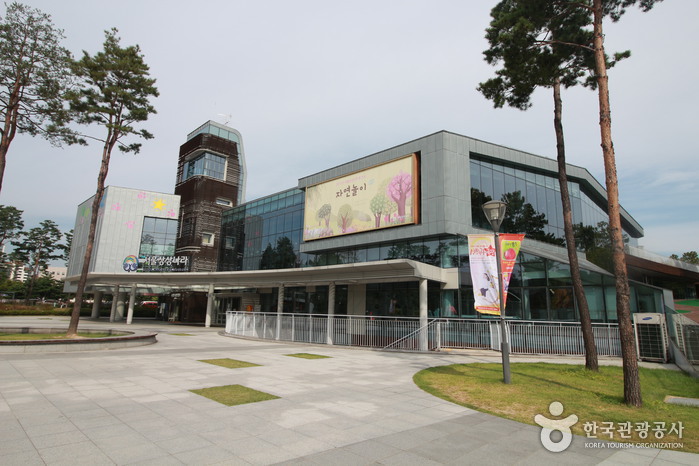
El Museo de los Niños de Seúl fue creado por el Ayuntamiento de Seúl para ayudar a fomentar la creatividad y la imaginación de los niños. El museo ofrece varias actividades culturales, así como programas de arte y ciencia que resultan divertidos tanto para los niños como para los padres y maestros. Hay unos 100 artefactos interactivos en exhibición, desde el nivel de subsuelo hasta el tercer piso.
Calle Gyeongnidan-gil (경리단길)
12.3Km 2025-07-30
Itaewon-dong 210-65, Yongsan-gu, Seúl
Se denomina Gyeongnidan-gil a la calle y sus callejones anexos de 937 m que llega desde la puerta principal de la Administración Económica de la Unidad Militar hasta el hotel Grand Hyatt. Fue llamada así en un principio porque allí se encontraba el Gyeongnidan Central de las Fuerzas Armadas, y aunque pertenece al barrio de Itaewon-dong, cuenta con un aire muy diferente, por lo que se hizo muy popular. Gyeongnidan-gil es un espacio de cultura y juventud donde se puede disfrutar de diversos y peculiares platos en restaurantes y cafeterías originales. A simple vista parece un barrio común de Seúl, pero allí se mezclan con naturalidad los extranjeros que llegan de diferentes países y los vecinos del barrio. Es un placer encontrar tiendas originales y modernas al caminar por sus rincones.
Museo de Arte de Amore Pacific (아모레퍼시픽미술관)
12.3Km 2025-07-17
Hangang-daero 100, Yongsan-gu, Seúl
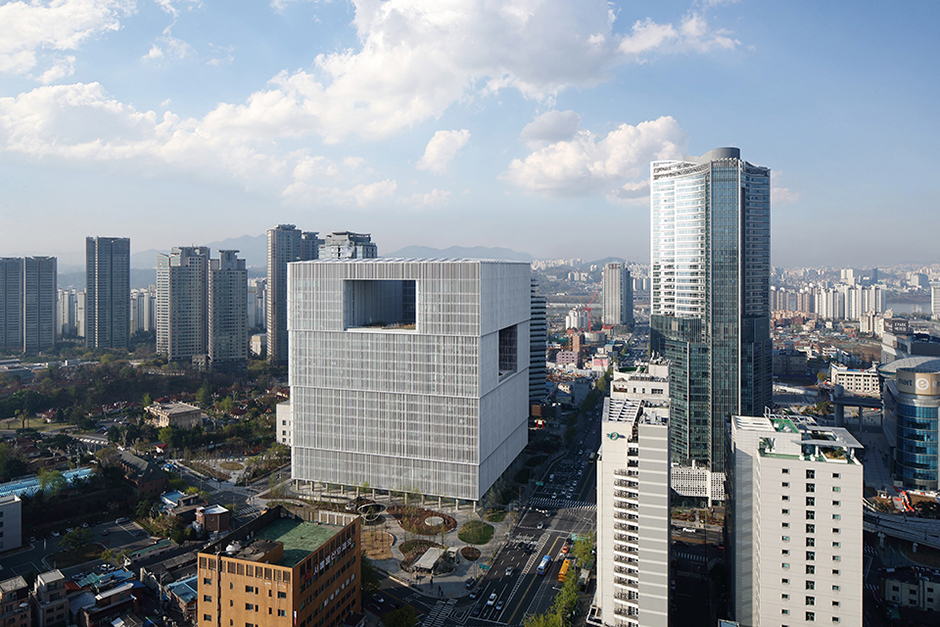
El Museo de Arte de Amore Pacific que se encuentra en Yongsan-gu, Seúl, es un museo donde se exponen las piezas recolectadas por el difunto expresidente fundador de Amore Pacific, Seo Seong Hwan, que cambió su nombre a Museo de Arte de Amore Pacific (APMA, Amore Pacific Museum of Art) en el año 2009. Está orientado a ser un "espacio abierto para encontrar la belleza cotidiana" y fue fundado para comunicarse con el público. Por ello, recolecta, investiga y expone obras antiguas coreanas y obras modernas de dentro y fuera del país, además de apoyar a investigadores, sociedades académicas y artistas jóvenes. En la sala de exposición del subsuelo B1 se realizan diversas exposiciones especiales que incluyen obras antiguas, obras modernas y obras coreanas. En el primer piso del gran espacio Atrium, que incluye del primer hasta el tercer piso, se encuentra el lobby del museo, la tienda, el APMA Cabinet, que es un espacio de exposición y la biblioteca de libros ilustrados del mundo. El Museo de Arte se encuentra en el primer piso del edificio de la sede central de Amore Pacific construido con el tema de porcelana blanca y que se ha convertido en la construcción representativa del distrito de Yongsan-gu.
Centro de Defensa Civil de Gwangnaru (광나루안전체험관)
12.3Km 2025-03-29
Neungdong-ro 238, Gwangjin-gu, Seúl
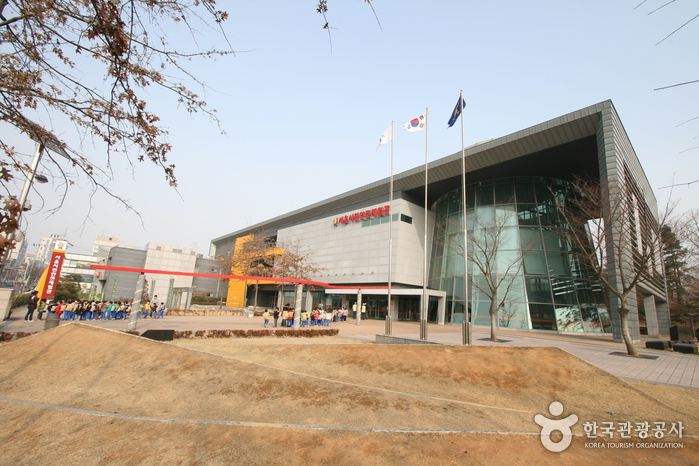
El Centro de Defensa Civil tiene como objetivo instruir y educar a los ciudadanos para la protección civil ante los desastres naturales o provocados por seres humanos, orientado mayoritariamente a los niños y adolescentes. Mediante varias actividades completas, los participantes pueden vivir una experiencia muy realista con la ayuda de bomberos y otro personal de seguridad ciudadana, para aplicarla en su vida diaria.
* Todos los visitantes reciben una lección obligatoria sobre las normas de seguridad y advertencias antes de iniciar la visita.
 Español
 한국어
한국어 English
 日本語
日本語 中文(简体)
 Deutsch
 Français
 Русский


