
Gwacheon Chusa Museum (추사박물관(과천))
10.3Km 2023-07-14
78, Chusa-ro, Gwacheon-si, Gyeonggi-do
+82-2-2150-3650
Gwacheon was where Chusa Gim Jeong-hui immersed himself in studies and arts to ignite his final artistic spirit in the twilight of his life. The city of Gwacheon opened Chusa Museum in order to promulgate the essence of the learning and arts that Chusa flowered. The museum features the life exhibit of Chusa, an art and science exhibit, a planned exhibit hall, an experience room, lounges, a museum shop and an education room for thoroughly researching, exhibiting and experiencing Chusa.
Seochon Village (서촌마을)
10.3Km 2024-12-02
45 Pirundae-ro, Jongno-gu, Seoul (Nuha-dong)
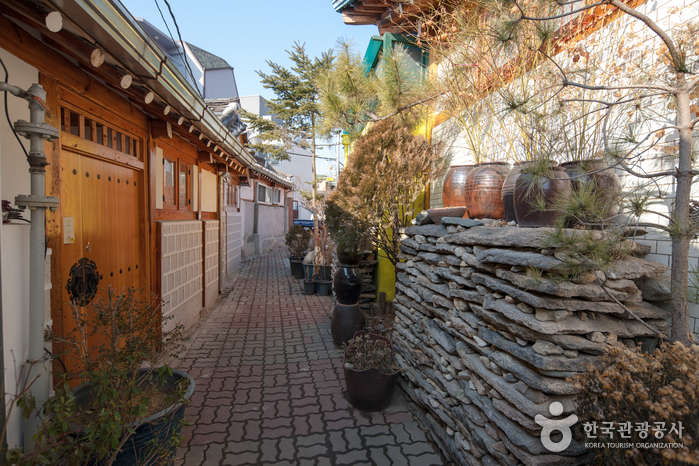
Seochon Village is the name given to the area to the west of Gyeongbokgung Palace. It is a historic village, home to old shops and hanok buildings that have stood the test of time. Korean traditions and contemporary sensibilities coexist within Seochon Village’s maze-like alleyways, creating the unique ambience that makes the district so beloved. One can find shops, guesthouses, cafés, and restaurants in the village.
Seoul Gyeonggyojang House (서울 경교장)
10.3Km 2021-09-15
29, Saemunan-ro, Jongno-gu, Seoul
+82-2-735-2038
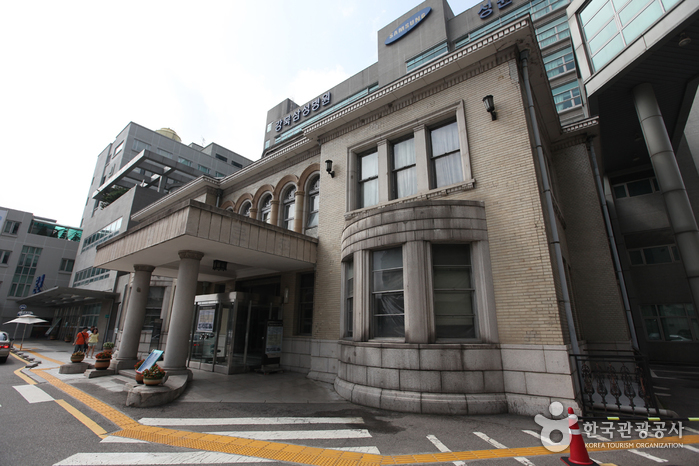
Gyeonggyojang House, a designated Historic Site, was the location of the provisional government and the place where Baekbeom Kim Koo passed away. Seoul reproduced the historical site, Gyeonggyojang House, to use the area as an educational site. Also, the house exhibits the history of the provisional government in order to see the history more clearly.
Restoration work included the demolition of the interior that was changed when the building was turned into a hospital facility and embassy after Kim Koo passed away in 1949. During the work, the remaining parts were maintained with the utmost care. Reconstructed parts were based on the building's floor plan written in Chosun and Architecture (8th edition in 1938). Visitors can see various contents related to the Korean Provisional Government history through relics, video, and information searching corners.
![CheongKwanJang - Gwanghwamun Branch [Tax Refund Shop] (정관장 광화문)](http://tong.visitkorea.or.kr/cms/resource/93/2889693_image2_1.jpg)
CheongKwanJang - Gwanghwamun Branch [Tax Refund Shop] (정관장 광화문)
10.3Km 2024-04-22
20, Sajik-ro 8-gil, Jongno-gu, Seoul
-
Gyeonghuigung Palace (경희궁)
10.3Km 2024-07-09
45 Saemunan-ro, Jongno-gu, Seoul
+82-2-724-0274
Gyeonghuigung Palace, a designated Historic Site, was originally called the large palace by Saemun Gate, or the Western Palace, for its location within the city. It was not until the eighth year of Gwanghaegun (1616) that the palace was used as a royal residence for the king, changing the name to Gyeongdeokgung Palace. The name later changed again to the current Gyeonghuigung Palace in 1760. The palace grounds included many halls but they were mostly all burned down in a fire in 1829. After the Japanese occupation began, all remaining buildings on the site were torn down and the palace grounds were turned into Gyeongseong Middle School (now Seoul High School). The school moved to Gangnam area in 1987, afterwhich the previous location was turned into a park. The palace grounds currently hold Seoul Museum of Art and walking paths, as well as a restoration of Heunghwamun Gate, the main gate of the palace, and Sungjeongjeon Hall, the main hall, completed in November 1994.
![Himart - Sadang Branch [Tax Refund Shop] (하이마트 사당점)](http://tong.visitkorea.or.kr/cms/resource/28/2880028_image2_1.jpg)
Himart - Sadang Branch [Tax Refund Shop] (하이마트 사당점)
10.3Km 2024-04-18
77, Dongjak-daero, Dongjak-gu, Seoul
-
East Nine Royal Tombs [UNESCO World Heritage] (구리 동구릉 [유네스코 세계문화유산])
10.4Km 2024-03-20
197 Donggureung-ro, Guri-si, Gyeonggi-do
+82-31-563-2909
The East Nine Royal Tombs, situated on the eastern outskirts of Hanyang (the Joseon dynasty capital), represent a significant collection of nine royal burial sites. This area serves as the final resting place for seven kings and ten queens from the Joseon era. The surrounding forest paths are accessible to the public during the spring and fall seasons. Additionally, the East Nine Royal Tombs Healing Culture and Arts Festival takes place here every autumn, offering a blend of cultural and artistic experiences.
Chebudong Janchijip Dwaejigalbi (체부동잔치집돼지갈비)
10.4Km 2024-03-18
24 Jahamun-ro 1-gil, Jongno-gu, Seoul
+82-2-722-3555
Chebudong Janchijip Dwaejigalbi is a restaurant where marinated pork galbi are grilled over charcoal fire. It offers various side dishes along with rich soybean paste jjigae. Enjoying cold buckwheat noodles with the tender marinated pork galbi, which are well-aged, is also recommended. Additionally, there are individual menu items such as dubu jeongol (bean curd hot pot), hoe naengmyeon (cold buckwheat noodles with raw fish), bibimbap, and gamjajeon (potato pancake).
Tosokchon Samgyetang (토속촌삼계탕)
10.4Km 2024-03-12
5 Jahamun-ro 5-gil, Jongno-gu, Seoul
+82-2-737-7444
Tosokchon Samgyetang is a restaurant specializing in samgyetang (ginseng chicken soup) near Gyeongbokgung Palace. It is housed in several renovated traditional hanok buildings, exuding a nostalgic atmosphere. Samgyetang is a traditional Korean nutritious food made by simmering cleaned young chicken with ginseng, jujube, sweet rice batter, and various nuts. The thick broth of samgyetang, served alongside ginseng liquor, stimulates the appetite. Diced radish kimchi and cabbage kimchi are served as basic side dishes.
STAY dayoff (스테이 데이 오프)
10.4Km 2024-12-23
6 , Jahamun-ro 1da-gil, Jongno-gu, Seoul
+82-504-0904-2406
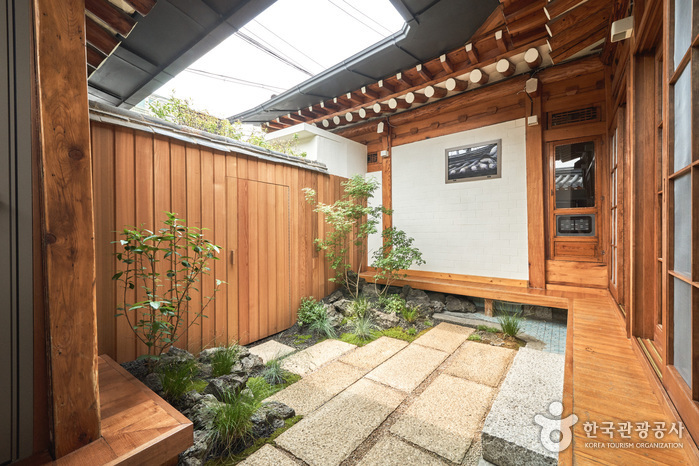
Stay Day Off is a hanok stay just off Jahamun-no - known locally as ‘Food Street’ - in Seochon Village to the west of Gyeongbokgung Palace in Seoul. It’s a 5-minute walk from Gyeongbokgung Station on Subway Line 3, so transport access is good. The main building comprises two bedrooms with queen-size bed, a living room and kitchen, and two bathrooms. The annex building is rather special: it has a bath and sauna behind a window wall with a fine view of the hanok garden. There’s a 10% discount for guests staying more than two nights during the week.
 English
 한국어
한국어 日本語
日本語 中文(简体)
 Deutsch
 Français
 Español
 Русский


