
Olive Young - Dongnimmun Branch [Tax Refund Shop] (올리브영 독립문)
10.6Km 2024-04-18
99, Songwol-gil, Jongno-gu, Seoul
-
![Uniqlo - Sadang Branch [Tax Refund Shop] (유니클로 사당)](http://tong.visitkorea.or.kr/cms/resource/08/2889108_image2_1.jpg)
Uniqlo - Sadang Branch [Tax Refund Shop] (유니클로 사당)
10.6Km 2024-04-18
B1 of Pastel City Sadang, 11, Bangbaecheon-ro, Seocho-gu, Seoul
-
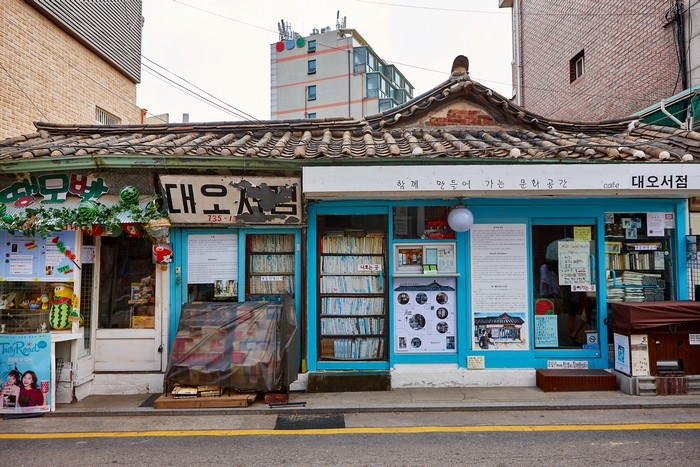
Daeo Bookstore (대오서점)
10.7Km 2025-11-05
55 Jahamun-ro 7-gil, Jongno-gu, Seoul
Daeo Bookstore is the oldest bookstore in Seoul that has been maintained in one place since it opened in 1951. Recently, it has been refurbished as a cultural space with a cafe, where one can enjoy coffee, exhibitions, and performances while looking at the yard. Visitors who just want to browse can purchase a souvenir postcard set for admission. Taking a closer look at books that feel the years and objects that have traces of use, they appear to come rather new.
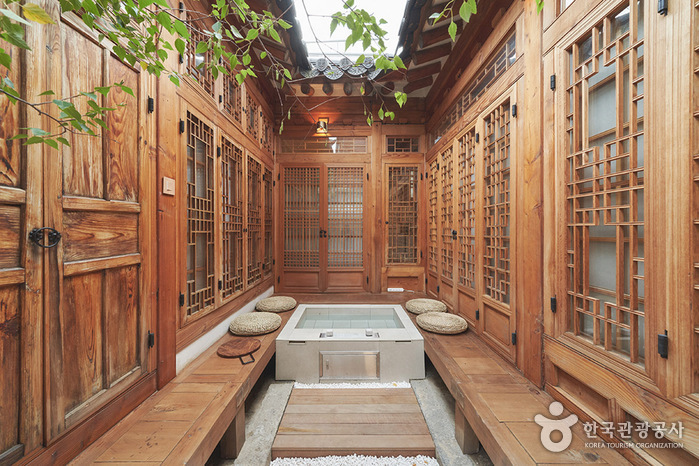
Of one book and stay (일독일박)
10.7Km 2024-12-23
11-1 , Pirundae-ro 3-gil, Jongno-gu, Seoul
+82-504-0904-2340
Ildogilbak in Seochon Village, Seoul, is a private hanok stay that has been stylishly renovated with modern facilities. The bedroom, kitchen and dining room are located around the courtyard. Tired travellers can soak their feet in the small courtyard footbath while sitting on the veranda. There’s a queen size bed in the bedroom, and a large table in the dining room where you can read a book and chat. There is also an attic space where you can fall asleep looking at the stars through a small skylight. The kitchen is well equipped, and there’s a tub in the bathroom.
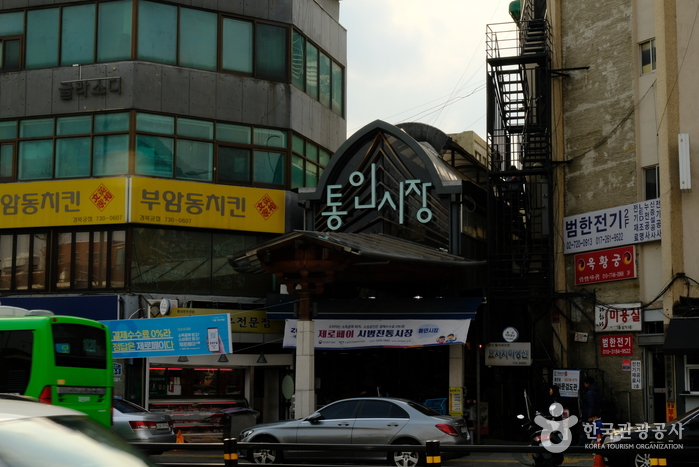
Tongin Market (통인시장)
10.7Km 2025-06-19
18 Jahamun-ro 15-gil, Jongno-gu, Seoul
Tongin Market dates back to June 1941, as a public market set up for Japanese residents near the Hyoja-dong neighborhood when Korea was still under Japanese rule. After the Korean War, the nation experienced a swift rise in population, which led to a natural increase in consumption and demand. As a result the area’s street vendors and stores used the former Tongin Market area as their marketplace. Now, Tongin Market consists of 75 stores, most of which are restaurants and grocery stores. There are also some shops selling manufactured goods like underwear and shoes.
Olive Young - Hanam Misa Station Branch [Tax Refund Shop] (올리브영 하남미사역점)
10.7Km 2024-06-27
#1081 and #1086, 95, Misagangbyeondong-ro, Hanam-si, Gyeonggi-do
-
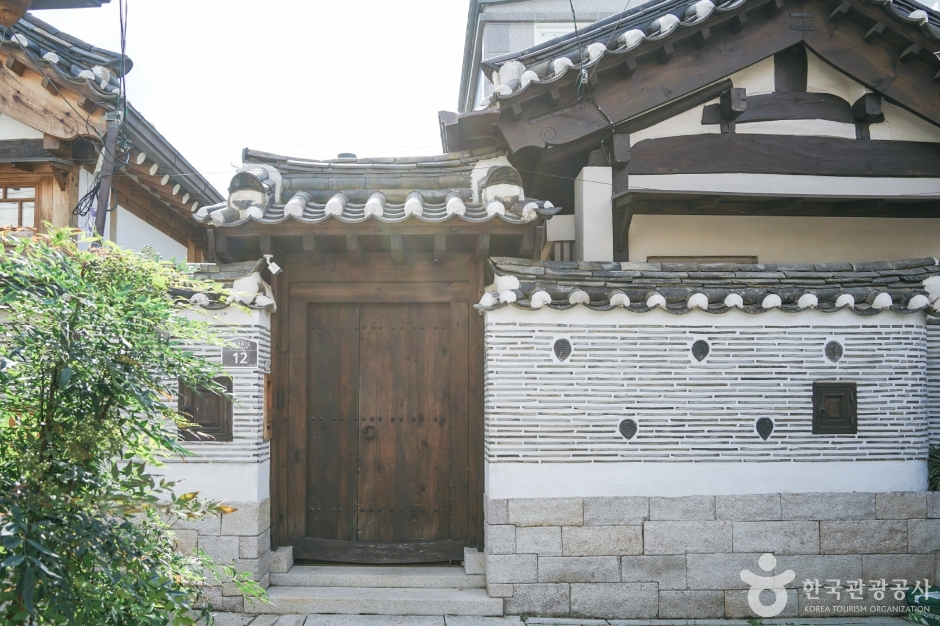
Hanok Essay Seochon (한옥에세이 서촌)
10.7Km 2024-06-04
12 Pirundae-ro 3-gil, Jongno-gu, Seoul
The area of Seochon features both traditional elements as well modern, showing the changes over time. A stay in one of the hanok houses here is the perfect way to feel this unique ambiance. Hanok Essay Seochon provides this experience, open to visitors of all ages.
Olive Young - Namyangju Donong Branch [Tax Refund Shop] (올리브영 남양주도농점)
10.7Km 2024-06-27
#109, and #110, 29, Donong-ro, Namyangju-si, Gyeonggi-do
-
![E-Mart - Dasan Branch [Tax Refund Shop] (이마트 다산)](http://tong.visitkorea.or.kr/cms/resource/55/2888255_image2_1.jpg)
E-Mart - Dasan Branch [Tax Refund Shop] (이마트 다산)
10.7Km 2024-04-17
24, Donong-ro, Namyangju-si, Gyeonggi-do
-
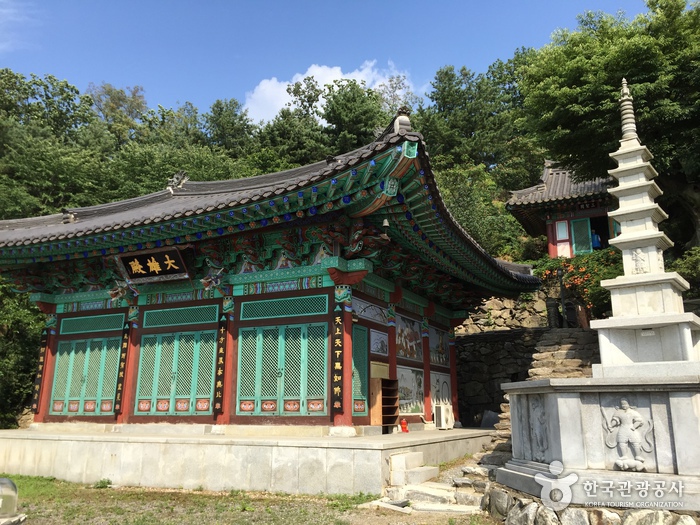
Manggyeongam Hermitage (망경암)
10.7Km 2021-04-24
72, Taepyeong-ro 55beon-gil, Sujeong-gu, Seongnam-si, Gyeonggi-do
+82-31-753-3090
Manggyeongam’s name derives from the hermitage's view of Seoul, and is located in Bokjeong-dong of Seongnam, Gyeonggi-do. Manggyeongam
Hermitage is said to be the place where kings of the late Goryeo and early Joseon periods prayed for peace for their subjects. In addition, Prince Pyeongwon, the 7th son of King Sejong, and Grand Prince Jean built an altar at Mangyeongam Hermitage and Chilseongdae Peak and pledged filial piety.
The hermitage is more widely known for its connection to the Chilseong faith, in which believers worship
Chilseong (the Seven Stars). It is easily recognized by the written records inscribed into the rock wall. Located at the hermitage is the Rock-carved Seated Buddha, an original work of the hermitage that is also designated Gyeonggi-do’s Tangible Cultural Asset No. 102. The Buddha is embossed inside a deep hole in the rock. In the words inscribed near the statue, there is also a legend that says Lee Gu-seung carved Gwaneum Statue near Rock-carved Seated Buddha and built the hermitage in 1897.
Next to the hermitage is a pond called “Bokumul,”
which means “blessed sugared water.” The neighborhood of Bojeong-dong takes its name from this pond. At the hermitage, Daeungjeon Hall (the main hall), Samseonggak Shrine (shrine for three spirits), and Mireukjeon Hall were all established fairly recently. The hermitage site also includes a huge Mireuk Daebul statue (Great State of Maitreya Buddha) and a five-story stone pagoda.
 English
 한국어
한국어 日本語
日本語 中文(简体)
 Deutsch
 Français
 Español
 Русский


