![Soda - Lotte Factory Gasan Branch [Tax Refund Shop] (소다 롯데팩토리 가산)](http://tong.visitkorea.or.kr/cms/resource/69/2880269_image2_1.jpg)
Soda - Lotte Factory Gasan Branch [Tax Refund Shop] (소다 롯데팩토리 가산)
17.7Km 2024-06-27
278, Beotkkot-ro, Geumcheon-gu, Seoul
-
![Mook - Lotte Factory Gasan Branch [Tax Refund Shop] (무크 롯데팩토리 가산)](http://tong.visitkorea.or.kr/cms/resource/87/3314387_image2_1.jpg)
Mook - Lotte Factory Gasan Branch [Tax Refund Shop] (무크 롯데팩토리 가산)
17.7Km 2024-06-27
278, Beotkkot-ro, Geumcheon-gu, Seoul
-
![Olive Young - Gasan Digital Complex Station Branch [Tax Refund Shop] (올리브영 가산디지털단지역)](http://tong.visitkorea.or.kr/cms/resource/61/2888861_image2_1.jpg)
Olive Young - Gasan Digital Complex Station Branch [Tax Refund Shop] (올리브영 가산디지털단지역)
17.7Km 2024-04-18
286, Beotkkot-ro, Geumcheon-gu, Seoul
-
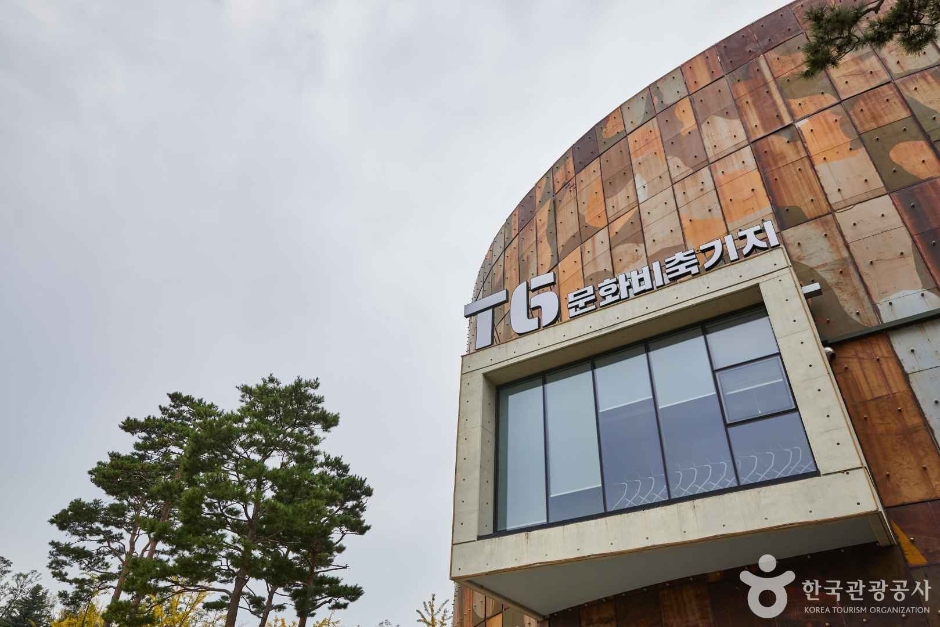
Oil Tank Culture Park (문화비축기지)
17.7Km 2024-11-01
87 Jeungsan-ro, Mapo-gu, Seoul
+82-2-376-8410
After being used as an oil tank for 41 years, the tanks were reborn into a culture space. The five tanks were transformed into performance halls, exhibition halls, and a multi-purpose pavilion, while one new tank was built to be used as an information center. In addition, the temporary parking lot turned into a culture yard where visitors can relax as well as enjoy activities or performances.
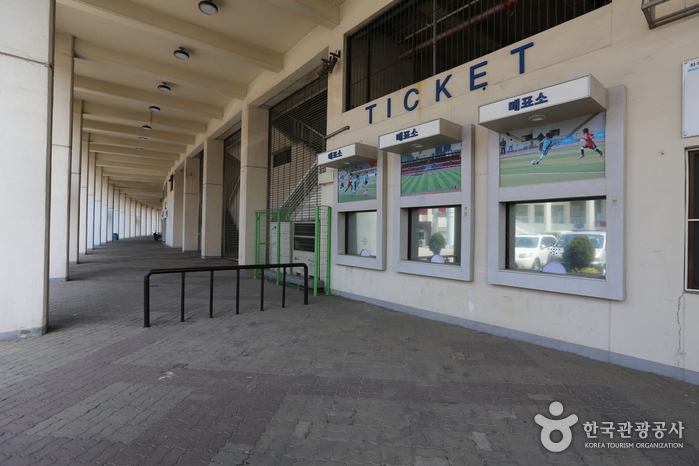
Mokdong Stadium (목동운동장(목동아이스링크,사격장)
17.7Km 2022-09-14
939, Anyangcheon-ro, Yangcheon-gu, Seoul
+82-2-2240-8800
Mokdong Stadium was opened in 1989 with a stadium, a baseball field and an indoor ice rink and added footsal field in 2008 to improve Korea’s sports culture. The soccer field was used as the home field for K-league teams in the past. The ice rink hosts hockey matches and figure skating competitions as well as ice ballet performances. Other facilities include a main square, an indoor shooting range and a gym for residents to enjoy.
![Himart - Bulgwang Branch [Tax Refund Shop] (하이마트 불광점)](http://tong.visitkorea.or.kr/cms/resource/66/2889966_image2_1.jpg)
Himart - Bulgwang Branch [Tax Refund Shop] (하이마트 불광점)
17.8Km 2024-04-22
766, Tongil-ro, Eunpyeong-gu, Seoul
-
![Hongneung and Yureung Royal Tombs [UNESCO World Heritage] (남양주 홍릉(고종과 명성황후)과 유릉(순종과 순명,순정 황후) [유네스코 세계문화유산])](http://tong.visitkorea.or.kr/cms/resource/20/2005620_image2_1.jpg)
Hongneung and Yureung Royal Tombs [UNESCO World Heritage] (남양주 홍릉(고종과 명성황후)과 유릉(순종과 순명,순정 황후) [유네스코 세계문화유산])
17.8Km 2021-07-19
352-1, Hongyureung-ro, Namyangju-si, Gyeonggi-do
+82-31-591-7043
Hongneung and Yureung Royal Tombs is Historic Site No. 207. Hongneung Tomb is the resting place of Emperor Gojong and his wife Empress Myeongseong, while Yureung Tomb is the resting place of Emperor Sunjong, his first wife Empress Sunmyeonghyo, and his second wife, Empress Sunjeonghyo. Hongneung and Yureung look different from other royal tombs. When the name of the country changed from the Joseon dynasty to the Daehan Empire, the rulers of Korea were called emperors. Therefore, the tombs of the two emperors were modeled after the tomb of the Ming dynasty’s ruler, King Taizu (Zhu Yuanzhang). Surrounding Hongneung and Yureung are statues carved in the shape of animals such as giraffes, elephants, and lions, which can’t be seen at the other royal tombs of the Joseon dynasty. The stonework of Hongneung tomb was made in a traditional way, while the stonework of Yureung tomb shows a more realistic and advanced technique.

Kansong House (간송옛집)
17.8Km 2025-04-01
149-18 Sirubong-ro, Dobong-gu, Seoul
The 100-year-old traditional hanok Kansong House sits by the burial mound of Kansong Jeon Hyeong-pil (1906-1962), who played a significant role in preserving the cultural heritages of Korea during the Japanese colonial period. This house was orginally built by Kansong's adoptive father Jeon Myeong-gi (1870-1919) to us as a storage facilities for harvested agriculture from the northern Gyeonggi-do and Hwanghae. After his father's death, Kansong used the house as a ritual house for his father and often stayed here. Some damages were done to the house during the Korean War, and partial repair was made after his death.
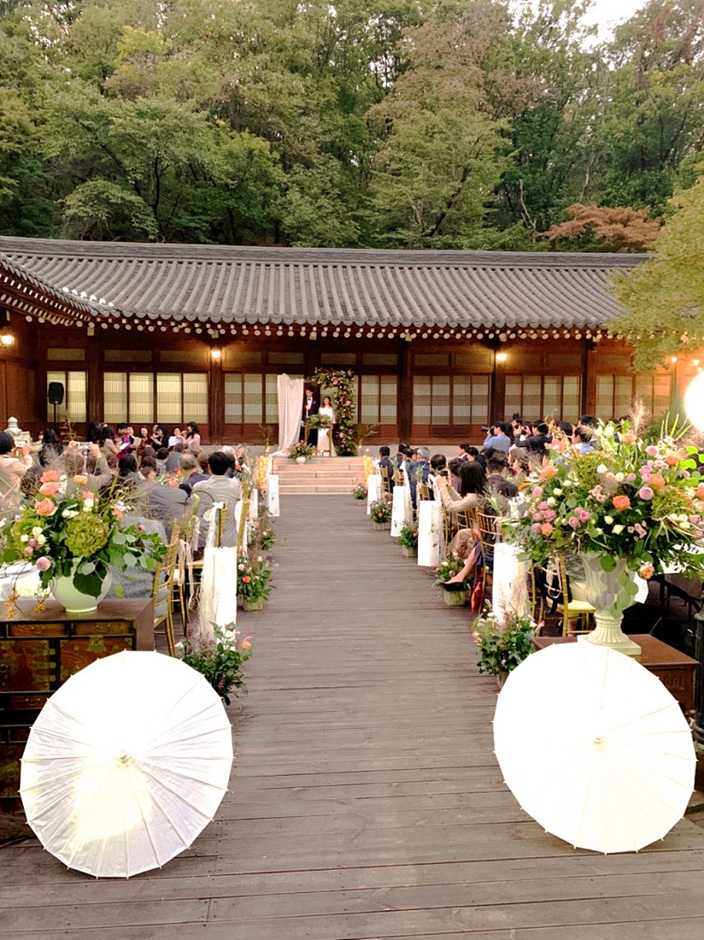
Seonungak (한옥카페 선운각)
17.8Km 2025-10-29
223 Samyang-ro 173-gil, Gangbuk-gu, Seoul
Seonungak is a hanok cafe facing Doseonsa Temple at the foot of Bukhansan Mountain, the perfect location to take in the beauty of the changing seasons. The cafe is also the largest hanok building outside of the royal palaces in Seoul. Previously limited to weddings and filming events, the hanok has reopened as a cafe, selling a range of traditional Korean drinks.
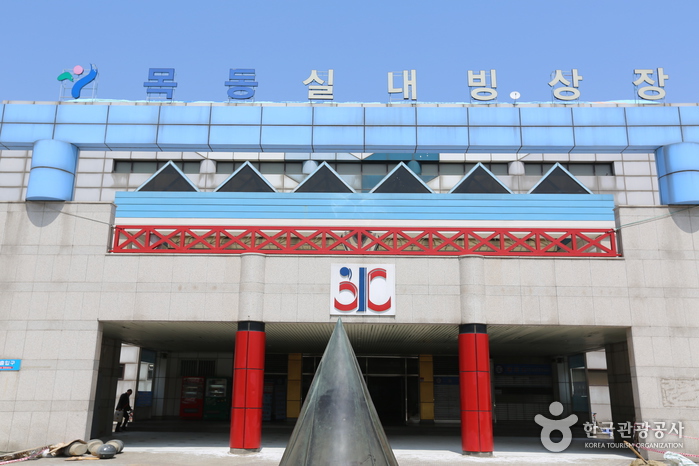
Mokdong Ice Rink (Indoor) (목동아이스링크(실내))
17.9Km 2021-04-08
939, Anyangcheon-ro, Yangcheon-gu, Seoul
+82-2-2649-8454
Mokdong Ice Rink was built with international competitions in mind. Two rinks are available making it possible for visitors to use even during competition days. Store selling skate equipment as well as restaurant and snack bar are available within the facility.
 English
 한국어
한국어 日本語
日本語 中文(简体)
 Deutsch
 Français
 Español
 Русский


