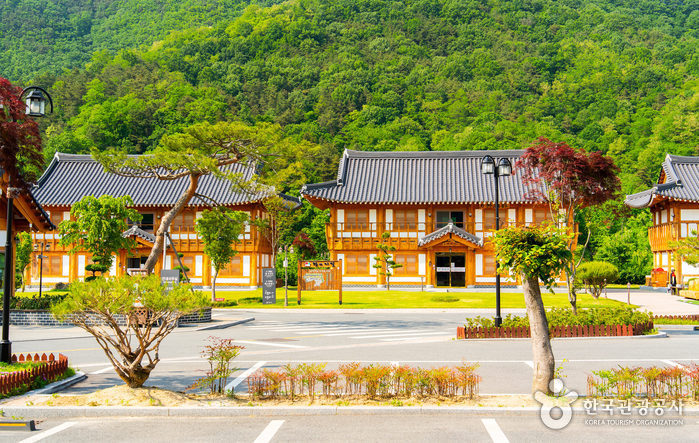
Sukjonggwan of the Royal Room/ 왕의지밀 숙종관
8.8Km 2025-08-11
5218-14, Chunhyang-ro, Wansan-gu, Jeonju-si, Région Jeonbuk
+82-63-284-1004
This hanok (traditional Korean house) hotel combines the unique aesthetics of hanok and modern comfort. Its location near Jeonju Hanok Village, the central point of Jeonju tourism, gives it excellent access to destinations in Jeonju. As evident from its name, the hotel promises a comfortable stay in a hanok since its opening in 2018. The hotel complex stands on a plot of land spanning 19,840 m2, containing 11 residential buildings that are named after the Joseon kings and other facilities.
The building Sukjonggwan contains four rooms. Each room is a self-contained unit made up of bedrooms and restrooms, furnished with a combination of hanok’s unique charms and modern comfort. Grade 1 Gold and Silver Rooms in particular have two beds and a whirlpool bathtub for the comfort of the guests. The view of the wooden exposed beams (Gold Room) speaks to the unique characteristics of hanok, while wooden pieces of furniture give the room an elegant finish. The scenery beyond the window wall is also the pride of the hotel.
The hotel has about 150 parking spots, a hanok cafe, and the Convention Center with spaces such as Daejanggeum Hall, Saimdang Hall, Chungmugong Hall, and Hunminjeongeum Hall. Samtaegeuk and Samjogo Restaurants are designated as COVID-19 Safe Restaurants by the city of Jeonju. It takes only 10 min by car to reach most tourist sites in Jeonju Hanok Village.
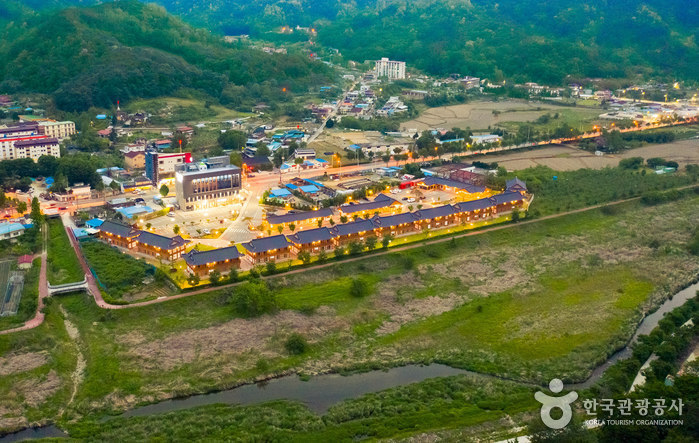
Jeongjogwan of the Royal Room / 왕의지밀 정조관
8.9Km 2025-08-13
5218-10, Chunhyang-ro, Wansan-gu, Jeonju-si, Région Jeonbuk
+82-63-284-1004
This hanok (traditional Korean house) hotel shows a different interpretation of hanok’s traditional beauty from Jeonju Hanok Village. The name of the hotel encapsulates Jeonju’s spirit as a city of tradition and art, and the exemplar of the state of Joseon. The hotel complex stands on a plot of land spanning 19,840 m2, containing 11 residential buildings and other facilities like hanok restaurants. Each residential building is named after the kings of the Joseon Dynasty. Jeongjogwan contains six rooms,
all built to modern comfort for all age groups. Grade 2 Silver and Gold Rooms, which can house up to 6 guests, are especially popular for families. The rooms combine modern comfort with hanok aesthetics, like wooden exposed beams and wooden furniture, which help to fill the room with the elegant fragrance of wood.
The hotel has about 150 parking spots, a hanok cafe, and the Convention Center with spaces such as Daejanggeum Hall, Saimdang Hall, Chungmugong Hall, and Hunminjeongeum Hall. Samtaegeuk and Samjogo Restaurants are designated as COVID-19 Safe Restaurants by the city of Jeonju. Jeonju Hanok Village is reachable by car in about 7 min.
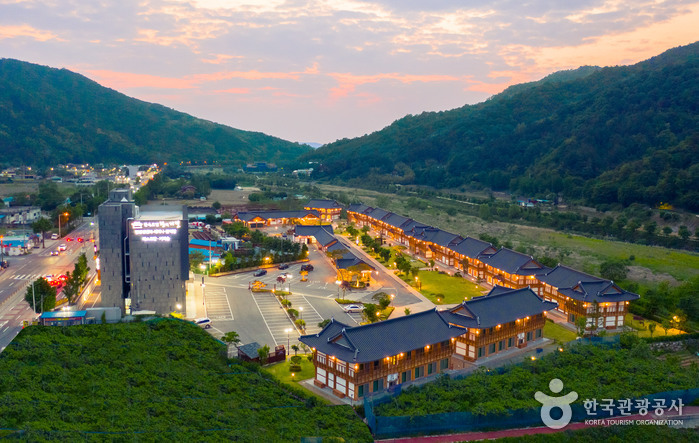
Sunjonggwan of the Royal Room / 왕의지밀 순종관
8.9Km 2025-08-13
5218-6, Chunhyang-ro, Wansan-gu, Jeonju-si, Région Jeonbuk
+82-63-284-1004
This hanok (traditional Korean house) hotel is located near Jeonju Hanok Village. The hotel complex stands on a plot of land spanning 19,840 m2, containing 11 residential buildings and other facilities. Modern hanok buildings are built on a line, blending with the surrounding nature to offer a comfortable stay. The name of the hotel is evident in the 11 residential buildings, all named after the kings of the Joseon Dynasty.
Sunjonggwan has six rooms in total. The rooms are divided into Gold and Silver Rooms, and are classified into Grade 2, Grade 3, and Grade 5 rooms, after the grading system used for government officials during the Joseon Period. Gold Rooms are located on the second floor, while the 1st floor is occupied by the Silver Rooms. Each room is furnished with a combination of hanok’s unique charms and modern comfort. Exposed wooden beams fill the room with a gentle scent of wood, while window walls offer an expansive view of the scenery outside.
Restaurants such as Samtaegeuk Restaurant, the site of the hotel’s breakfast offering, and Samjogo Restaurant, a Korean restaurant serving lunch and dinnertime, are designated as COVID-19 Safe Restaurants by the city of Jeonju. The Convention Center, which houses a hanok cafe, also offers a number of different facilities for the guests. It takes only 10 min by car to reach most tourist sites in Jeonju.

Rizerie Saekjang (색장정미소)
9.7Km 2024-04-08
2-15, Wonsaekjang-gil, Wansan-gu, Jeonju-si, Région Jeonbuk
La rizerie Saekjang se situe à environ 5 minutes du village des hanok de Jeonju. L'endroit est désormais un café construit sur les bases d'une rizerie datant des années 1950. Le café sert aussi de lieu d'expositions notamment autour de la photographie.
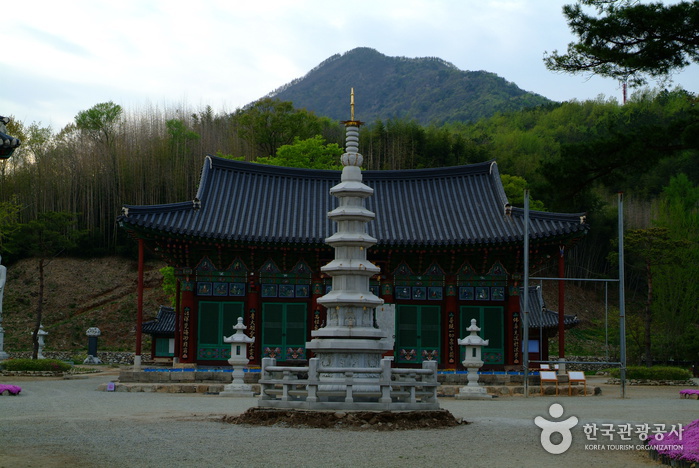
Temple Songgwangsa (Wanju) (송광사(완주))
12.6Km 2024-04-07
255-16, Songgwangsuman-ro, Wanju-gun, Région Jeonbuk
+82-63-243-8091
Le temple Songgwangsa se trouve à Soyang-myeon, Wanju-gun dans la province du Jeollabuk-do. Le temple est vieux de plus de mille ans. Seul le terrain du temple avait été conservé jusqu’à la 7ème année du règne du roi Gyeongmun de Silla (867), quand le moine Bojo Cheijing l’a reconstruit. Au fil du temps, le temple fut quasiment détruit, mais le grand moine Jinul pria pour sa reconstruction. Les halls et bâtiments restants ont été construits par les disciples du moine Jinul dans les années 1600. Le temple est également réputé du fait que le roi Injo a contribué à sa reconstruction dans l’espoir que ses deux fils, qui avaient été pris en otage par la dynastie Qing durant la guerre Byeongjahoran (invasion de la Corée par la Chine en 1636) reviennent sains et saufs, et que Bouddha soulage les tourments de la guerre.
Songgwangsa est l’un des quatre principaux temples de Corée, et abrite les statues de Jijangbosal et Siwangsang conservées dans le hall Jijangjeon (le plus grand hall), la statue Seokgayeorae et les 500 statues Nahansang dans le hall Nahanjeon et le hall Daeungjeon, chacune d’entre elles attirant des foules d’adorateurs. Le temple se trouve sur un terrain plat, et il est ainsi facilement accessible aux personnes âgées. Au printemps, les tunnels de cerisiers en fleurs sont tout simplement magnifiques. Le temple abrite également quatre trésors culturels : le hall Daeungjeon, les statues Samsebulsang, le clocher et la statue Sacheonwangsang, ainsi que huit biens culturels tangibles.
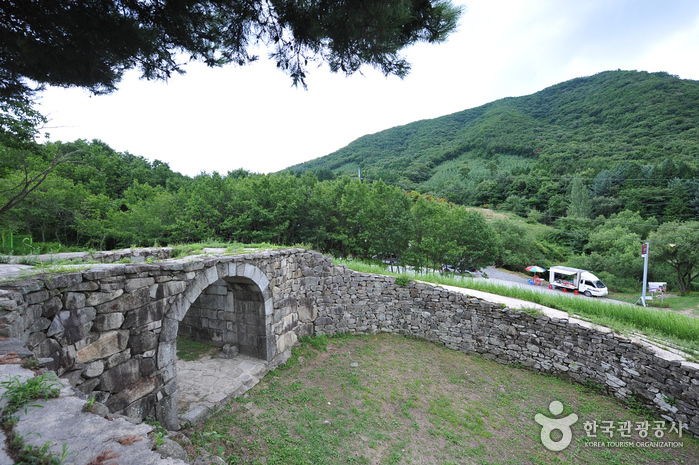
Parc national Uibongsanseong (위봉산성군립공원)
12.7Km 2024-10-25
Région Jeonbuk, Wanju-gun, Soyang-myeon, Wondaeheung-gil 136-3
Le parc national Uibongsanseong, situé à Jeonju, est un site prisé pour les longues promenades au milieu de la nature et des arbres de saison, notamment les arbres de cerisiers.
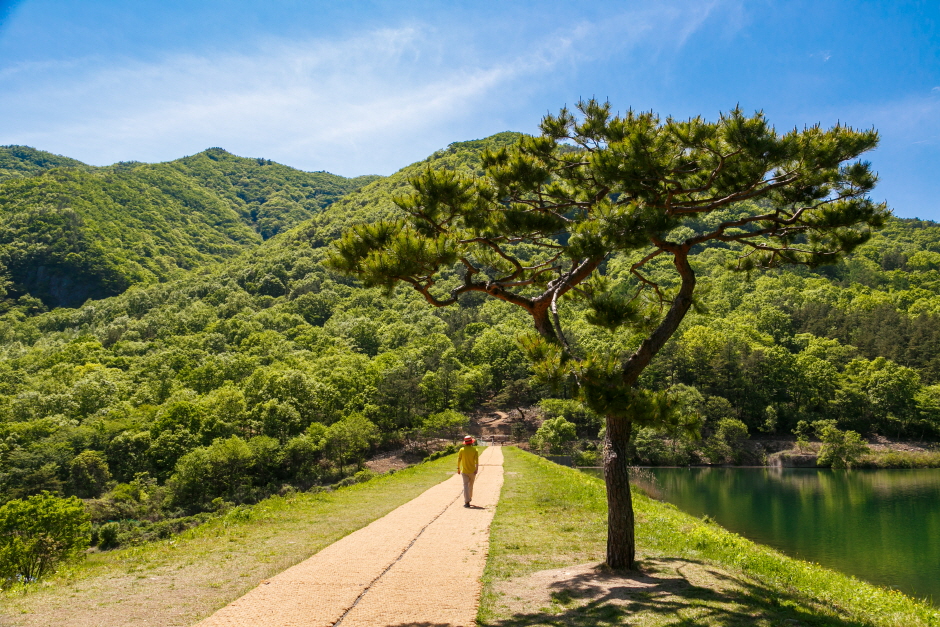
Oseongje Jeosuji (오성제 저수지)
13.1Km 2024-10-25
Région Jeonbuk, Wanju-gun, Soyang-myeon, Daeheung-ri
L'espace Oseongje Jeosuji désigne un espace de repos et de promenade à Wanju. Le lieu est réputé pour ses zones de photo mais aussi pour avoir servi de lieu de tournage pour le groupe BTS en 2019 (Summer Package).
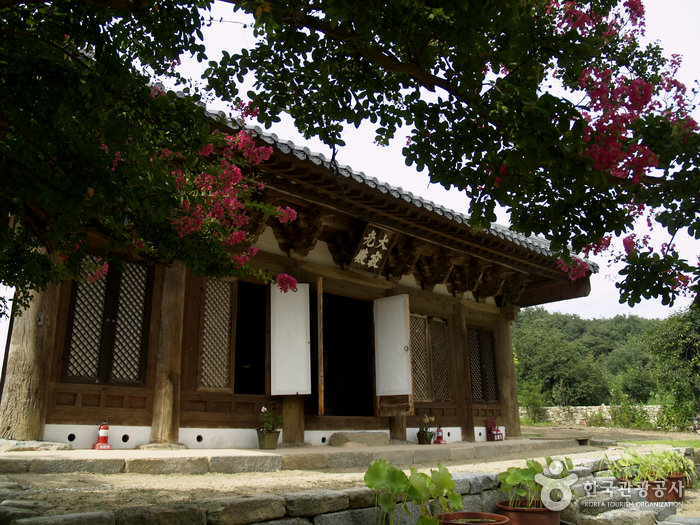
Temple Gwisinsa (귀신사)
13.2Km 2024-04-07
40, Cheongdo6-gil, Geumsan-myeon, Gimje-si, Région Jeonbuk
+82-63-548-0917
Gwisinsan, situé dans le village Cheongdo à Gimje, est actuellement un temple de l’ordre Jogye mais fut initiallement crée en appartenance à l’ordre Hwaeom. Il est réputé de par son créateur le grand moine Uisang Daesa et fut construit lors de la 16ème année du règne du roi King Munmu (676). Cependant, certains soutiennent que ce temple fut fondé de manière privée pour la famille royale sous le règne du roi Beop du royaume Baekje.
La statut Namgeunseok d’un animal de pierre est présentée pour soutenir cet argument.
Historiquement, le temple a eu plusieurs noms dont Guksinsa, Gwisinsa, Gusunsa et Gwisinsa (avec un sens différent), mais on sait peu de choses sur le temple lorsqu’il avait des noms différents. Actuellement, le temple contient une pagode en pierre de 3 étages et quelques sculptures incluant seoksu (statut animale en pierre) et Buto. Egalement, on retrouve le hall Daejeokgwangjeon à l’intérieur du temple, désigné comme le trésor n°826 de Corée, le hall Myeongbujeon et une chambre Gongyangjib (chambre d’offrandes bouddhistes).
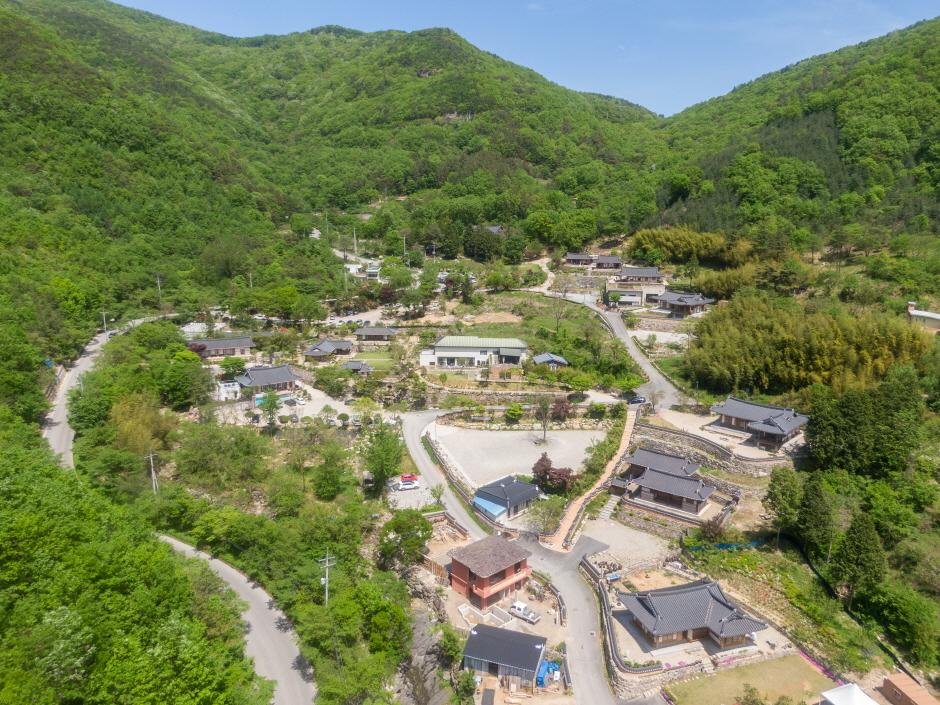
Village des hanok Oseong (오성한옥마을)
13.4Km 2024-04-08
Région Jeonbuk, Wanju-gun, Soyang-myeon, Daeheung-ri
Le village des hanok Oseong, situé à Wanju abrite près de 200 maisons traditionnelles au milieu de plusieurs monts, zone qui abrite encore des résidences permanentes. Le lieu abrite également plusieurs petits cafés et des galeries d'artistes vous permettant d'effectuer des promenades relaxantes. Le lieu a servi également de lieu de tournage pour le groupe BTS lors du prgramme ‘BTS 2019 SUMMER PACKAGE’.
Awon Museum & Hotel (아원)
13.5Km 2024-10-25
516-7, Songgwangsuman-ro, Soyang-myeon, Wanju-gun, Jeonbuk
063-241-8195
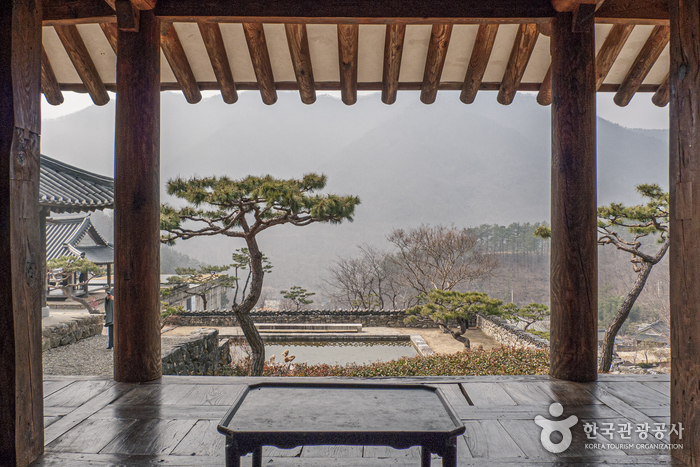
Awon Museum & Hotel désigne une structure hanok avec une histoire de plus de deux siècles qui a été déplacé de Jinju dans la région Gyeongsangnam-do vers le village Oseong au pied du mont Jongnamsan à Wanju, région Jeonbuk.
 Français
 한국어
한국어 English
 日本語
日本語 中文(简体)
 Deutsch
 Español
 Русский


