
Sorae Port (소래포구)
11.7Km 2023-02-08
2-6, Pogu-ro, Namdong-gu, Incheon
Sorae Port is located in Namdong-gu, Incheon, and is one of the most accessible places to feel the sea in the metropolitan area. It has a painful past and is also a tourist destination created by that bitter past. In the late 1930s, it began developing with the construction of a railroad to exploit high-quality salt, a raw material for gunpowder, from the area. After liberation, displaced people gathered to catch shrimp with one or two non-powered ships, made salted shrimp, and took Suin Line trains to Incheon, Suwon, Bupyeong, Seoul, etc., from dawn to sell them, and make a living. The fish market is famous for shrimp, salted seafood, and blue crab. Fresh seafood, generous merchants, and the sound of seagulls drawing patterns in the blue sky following the fishing boats leave a deep aftertaste. In particular, when prawns and blue crabs are in season, the freshness and taste are excellent enough to hold a festival.
By the port is a newly renovated fish market spans from the first basement floor to the second floor above the ground, and there are about 340 shops, including 300 hoe (sliced raw fish) restaurants and salted seafood shops. In particular, the second floor is a restaurant where visitors can taste hoe purchased at the fish market, and there are also convenient facilities such as a nursery cafe. In addition, the recently built Shrimp Tower Observatory is 21 meters high and good for a small number of people to enjoy the scenery comfortably.
Soraepogu Pocha Street (소래포구 포차거리)
11.7Km 2024-02-15
12 Soraeyeok-ro, Namdong-gu, Incheon
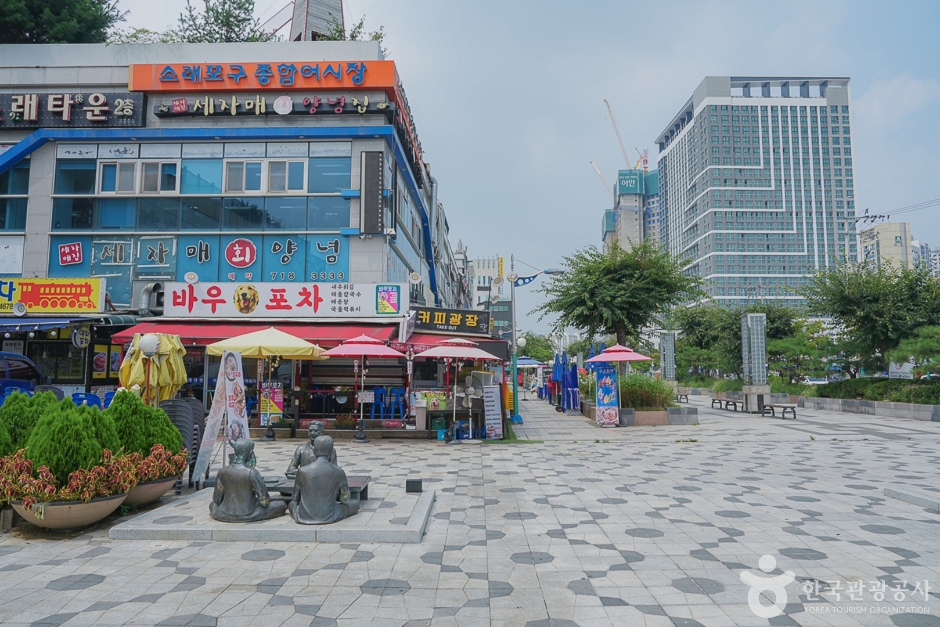
Located just in front of the Sorae Fish Market, Soraepogu Pocha Street comes alive in the evening as a vibrant street filled with food stalls. Visitors are treated to an array of fresh seafood dishes, including daeha sogeum gui (salt-grilled prawn), kkotgejjim (steamed blue crab) and kkotge twigim (fried blue crab). Additionally, patrons have the unique opportunity to purchase hoe (sliced raw fish), directly from the fish market and pair it with the street food offerings.
Sorae Fish Market (소래포구 종합어시장)
11.7Km 2025-10-23
12 Soraeyeok-ro, Namdong-gu, Incheon
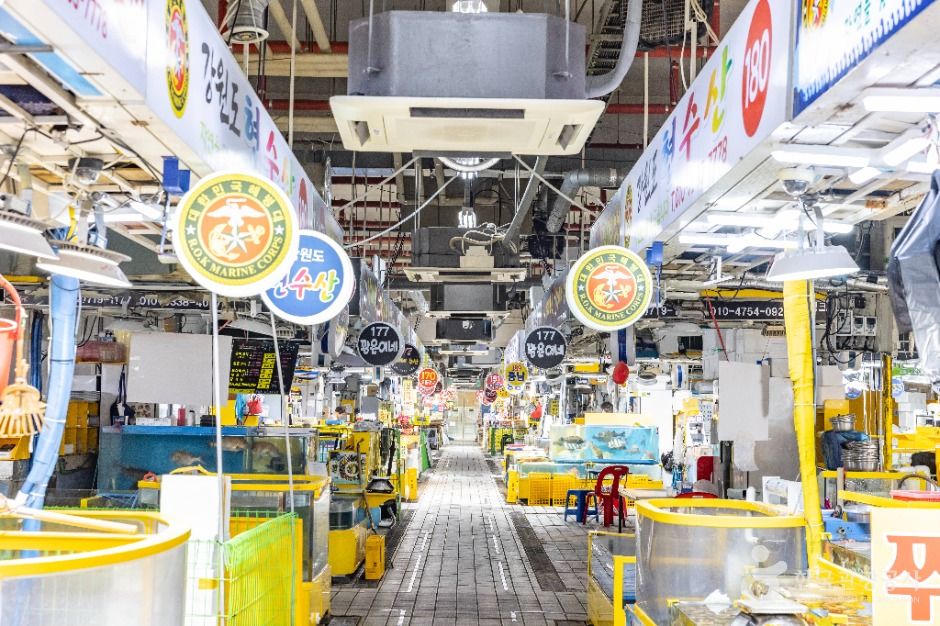
Sorae Fish Market welcomes visitors all year round with its capability to offer fresh fish. During spring, crab can be bought fresh from the catch, and during kimchi season, many Koreans visit to but salted seafood. The market was renovated to offer visitors with a clean and fresh environment. The heating and cooling system, as well as large parking area and quick delivery service makes shopping here more enjoyable. There are also many attractions and festivals that happens near the market.
Hanjungwon (한중원)
11.7Km 2024-01-04
12 Chinatown-ro 59beon-gil, Jung-gu, Incheon
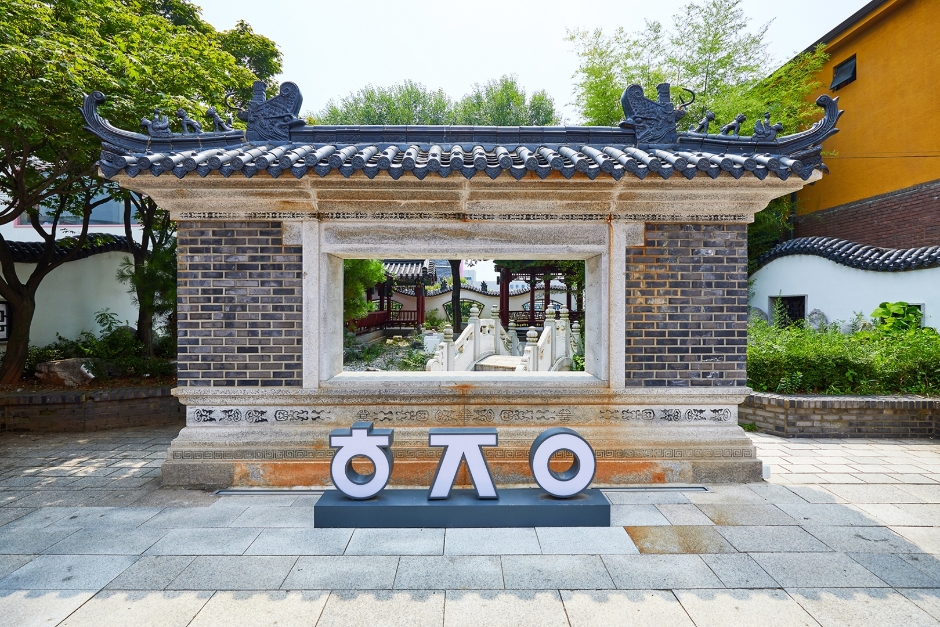
Hanjungwon is a Chinese-style garden built to commemorate the establishment of diplomatic relations between Korea and China, making it a great place to rest after looking around Chinatown. It was created with the motif of the garden style of the Suzhou region in the mid and late Qing Dynasty. Plants native to China are planted, such as bamboo, roses, and peonies, giving it an exotic atmosphere. There are human figures wearing traditional Chinese costumes on both sides of the entrance, making it a famous photo zone.
Taehwawon (태화원)
11.7Km 2024-12-02
10 Chinatown-ro 59beon-gil, Jung-gu, Incheon
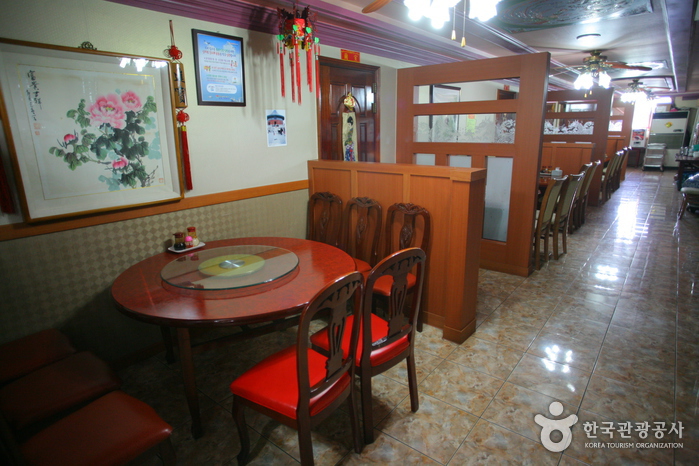
Now in its third generation, this Korean-Chinese restaurant, established in 1926, is one of the earliest in Incheon Chinatown and is renowned for preserving traditional flavors. Its signature Incheon Hyangto Jjajang (Incheon-style black bean sauce noodles) is crafted with the restaurant's own chunjang and seasonal ingredients, offering a richer, deeper taste than jjajangmyeon made with store-bought sauce. The restaurant also offers a vegetarian menu.
Jjajangmyeon Museum (짜장면박물관)
11.8Km 2024-12-23
56-14 Chinatown-ro, Jung-gu, Incheon
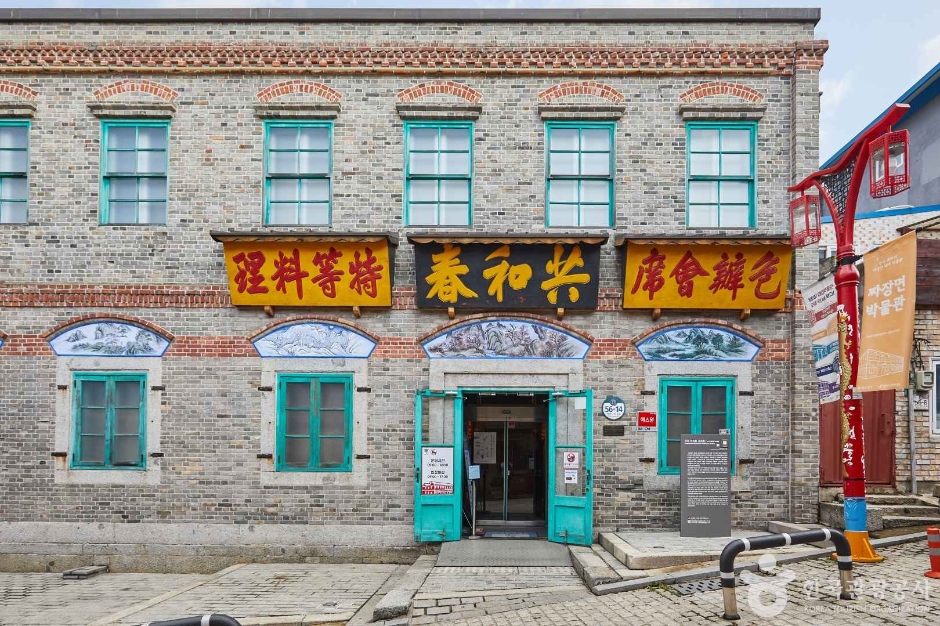
Jjajangmyeon Museum is built in the former building of Gonghwachun, the official birthplace of jjajangmyeon, a food people of all ages love. Gonghwachun operated in this old-fashioned brick building until 1983, and the building was renovated as Jjajangmyeon Museum. It is the first jjajangmyeon-themed museum in Korea and consists of six permanent exhibition rooms and one special exhibition room. Visitors can see the birth and transformation of jjajangmyeon at a glance and the different types and recipes of jjajangmyeon. The special exhibition room presents exhibitions on a variety of topics every year. The reproduction of Gonghwachun’s original reception room and kitchen as well as the exhibition of how the metal delivery box changed over the years are also interesting.
Heojun Museum (허준박물관)
11.8Km 2021-08-13
87, Heojun-ro, Gangseo-gu, Seoul
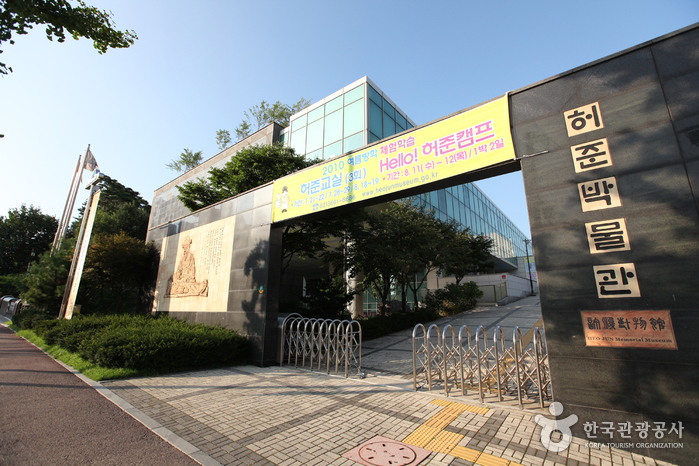
The Heojun Museum opened in honor of the academic accomplishments and charitable deeds of the renowned medical scientist, Heojun of the Joseon dynasty. Located next to Heojun Neighborhood Park, the museum collects and displays Heojun related materials.
National Institute of Biological Resources (국립생물자원관)
11.8Km 2023-04-13
42, Hwangyeong-ro, Seo-gu, Incheon
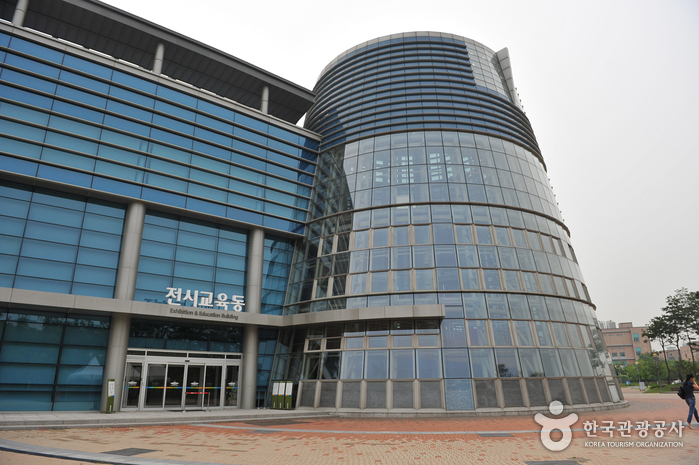
Opened in October 2007, the National Institute of Biological Resources is the largest collection preservation facility in Northeast Asia. The institute collects, preserves, manages, and conducts research on biological resources with the aim of growing into a focal biological resource hub of Northeast Asia. The institute is comprised of a spine-shaped collections and research center and a leaf-shaped exhibition and education center. The exhibition hall has 3,905 specimens of 1,287 native species on display. Korea's diverse ecosystems are recreated as highly detailed dioramas at the exhibition hall. A small restaurant is located inside the research center, and the extensive grass field in front of the institute provides an ideal picnic spot.
Sinseung Banjeom (신승반점)
11.8Km 2024-12-19
인천광역시 중구 차이나타운로44번길 31-3
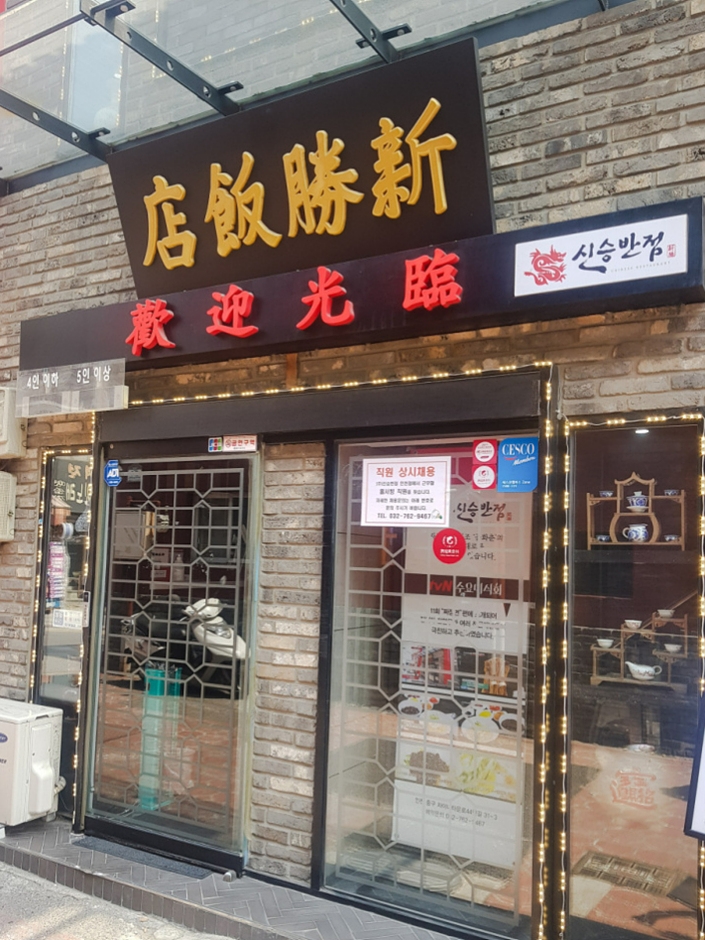
This restaurant, run by the granddaughter of Gonghwachun’s founder Woo Hee-gwang, is best known for its signature yuni-jjajang—a sweet, savory sauce made with minced meat and vegetables, served separately from the noodles, similar to ganjjajang, and topped with a sunny-side-up fried egg. Other popular dishes include the chewy chapssal tangsuyuk (deep-fried pork in a sweet rice batter with sweet and sour sauce) and the samseon haemul nurungjitang (a three-delicacy sizzling rice soup with seafood).4
Incheon Himchan General Hospital (인천힘찬종합병원)
11.8Km 2025-11-26
72 Nonhyeon-ro (Nonhyeon-dong), Namdong-gu, Incheon
Incheon Himchan General Hospital has specialized in joint, spine, and internal medicine care since 2002. It is located about one hour by car from Incheon International Airport. The hospital provides joint and spine surgeries and operates a robotic joint replacement center. It has an integrated internal medicine consultation system to support the treatment and recovery of patients with complex conditions. The health promotion center and rehabilitation center are well established, and the wards are clean and patient-centered.
 English
 한국어
한국어 日本語
日本語 中文(简体)
 Deutsch
 Français
 Español
 Русский


