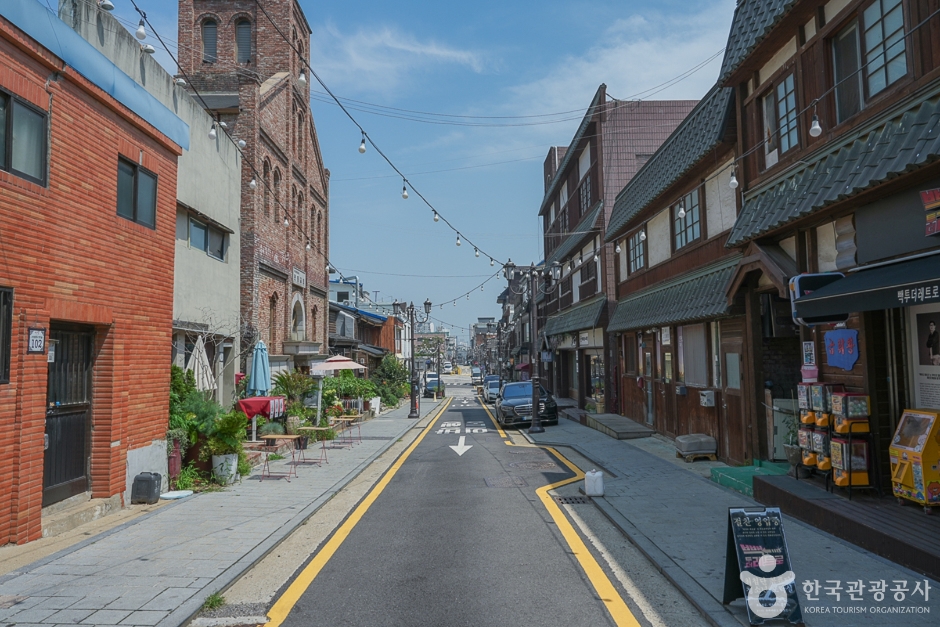
Incheon Japanese Street (인천일본풍거리)
11.6Km 2026-06-30
Gwandong 1(il)-ga, Jemulpo-gu, Incheon
Incheon Japanese Street, established following the opening of Incheon and Jemulpo Ports in 1883, was home to the Japanese concession. It preserves several Japanese-style wooden houses and stone structures from that era. These wooden houses, designed in the distinctive style of Japanese architecture where a storefront is integrated into the residential building, have been renovated and are now serving as cafés and exhibition halls. Nearby, visitors can also explore Incheon Chinatown and the Gaehangjang (Open Port Area) Street.
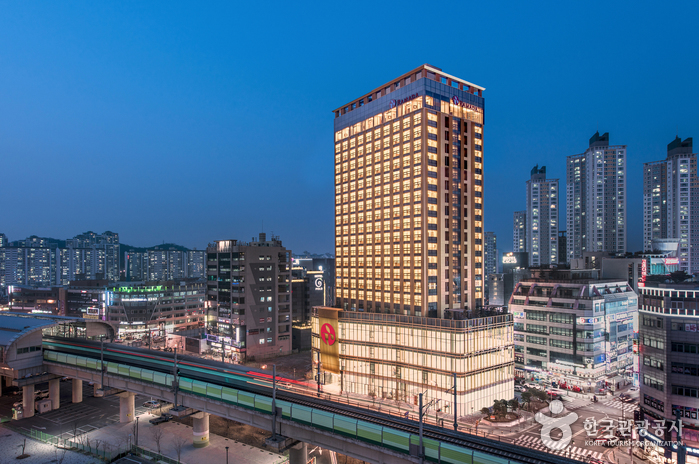
Gloucester Hotel Incheon (글로스터호텔 인천)
11.6Km 2024-12-23
36 , Soraeyeok-ro, Namdong-gu, Incheon
Gloucester Hotel Incheon stands in downtown Incheon overlooking Sorae Port. It offers a range of rooms including ondol rooms, bedroom-style rooms with kitchen facilities, and kids rooms. Some rooms have a bathtub. Additional facilities include a meeting room and business center, a coin operated laundry, and a breakfast buffet in the 3rd floor Glory Hall. The night view from the Sky Lounge bar on the 17th floor is spectacular. Soraepogu Station is a 5-minute walk away, while Soraepogu Fish Market and Sorae Wetland Ecological Park are also nearby.
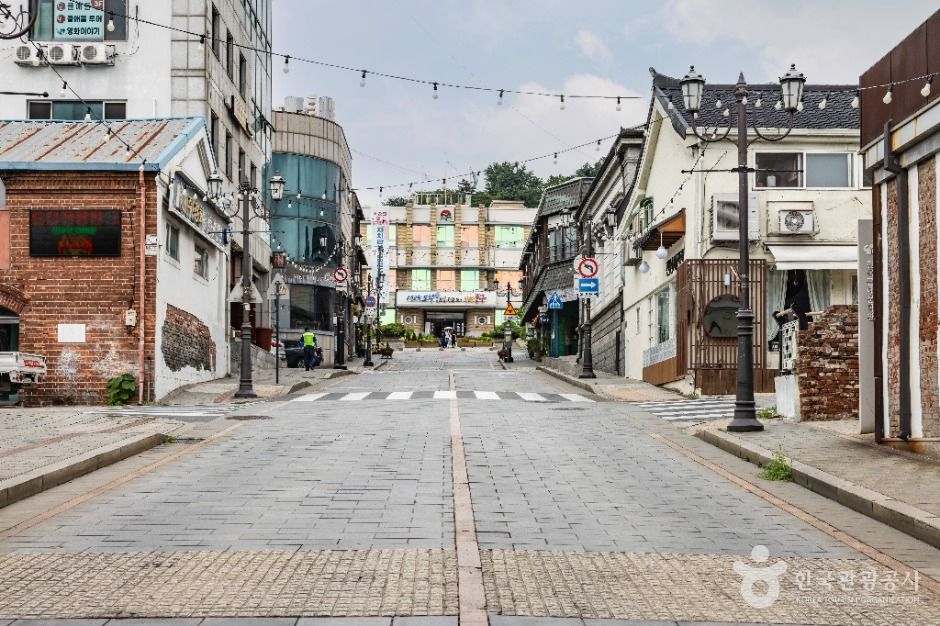
Gaehangjang (Open Port Area) Street (개항장 거리)
11.6Km 2026-06-30
27 Jemullyang-ro 232beonan-gil, Jemulpo-gu, Incheon
As the Incheon Port was opened in 1883, this is where one could feel the rich history and culture accumulated over 126 years. Formerly used by the Japanese consulate, the Jung-gu Office, the Incheon branch of Japan's 1st, 18th and 58th Bank and other modern historical architecture can be found intact here. Other historical remains like Former Japan Mail and Shipping Inc., Incheon Art Platform, Jemulpo Gurakbu, and more are also available for visitors to see at the Incheon Gaehangjang (Open Port Area). For those who are interested in learning more, a guided tour by an Incheon cultural tourism expert is available upon reservation.
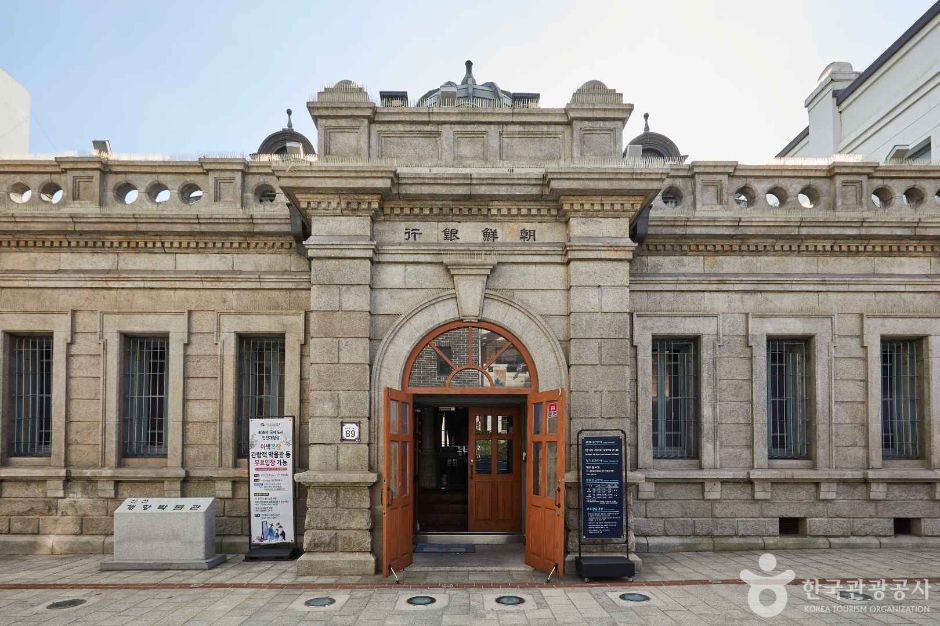
Incheon Open Port Museum (인천개항박물관)
11.6Km 2026-06-30
89 Sinpo-ro 23beon-gil, Jemulpo-gu, Incheon
Designated as a Tangible Cultural Heritage of Incheon Metropolitan City, the Incheon Open Port Museum is housed in the former Bank of Japan building, an architectural masterpiece constructed in the late Renaissance style. With four permanent exhibitions, the museum offers a glimpse into various aspects of modern culture and artifacts that were first introduced after the opening of Incheon Port. (Credit: Incheon Jung-gu Cultural Foundation)

Mandabok (만다복)
11.6Km 2026-07-01
인천광역시 제물포구 차이나타운로 36 만다복
This restaurant offers baengnyeon jjajang (meaning “hundred-year jjajang”), a traditional style of hayan jjajang, or old-fashioned black bean sauce noodles. The dish features noodles topped with a soy sauce-based sauce along with pork, seafood, and vegetables.
Incheon Art Platform (인천 아트플랫폼)
11.6Km 2026-06-30
3 Jemullyang-ro 218beon-gil, Jemulpo-gu, Incheon
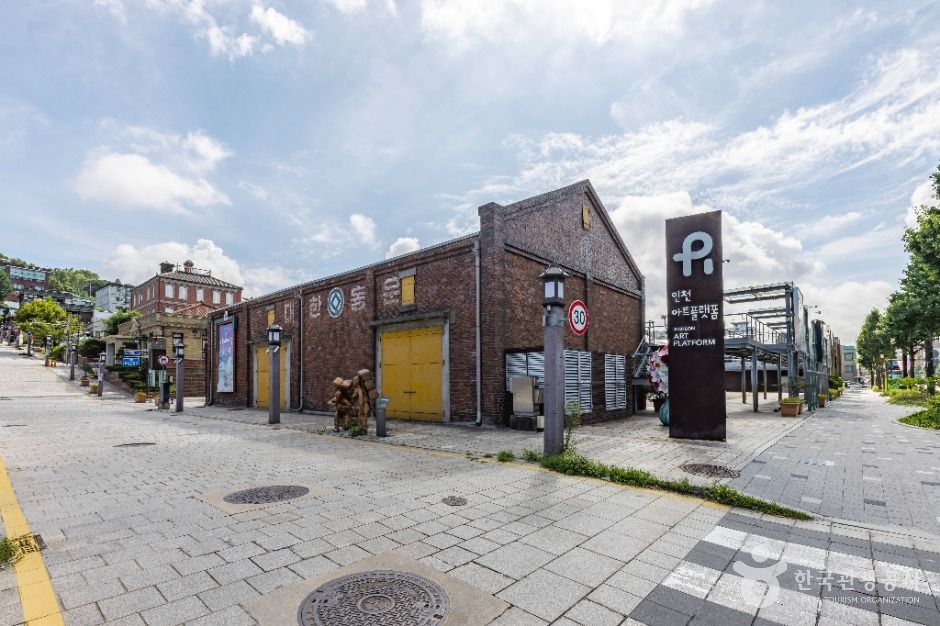
Incheon Art Platform, located in Haean-dong, Incheon, is known for its well-preserved architectural heritage and buildings that showcase a blend of traditional and modern architecture. The complex was established by remodeling structures built in the 1930s and 1940s. Centered around its residency program, it offers exhibitions, performances, and educational programs, and plays a significant role in promoting the free exchange of art and culture. By providing creative spaces for artists and venues for cultural exchange, the platform fosters interaction between artists and visitors.
Daebul Hotel Exhibition Hall (대불호텔전시관)
11.6Km 2026-06-30
101 Sinpo-ro 23beon-gil, Jemulpo-gu, Incheon
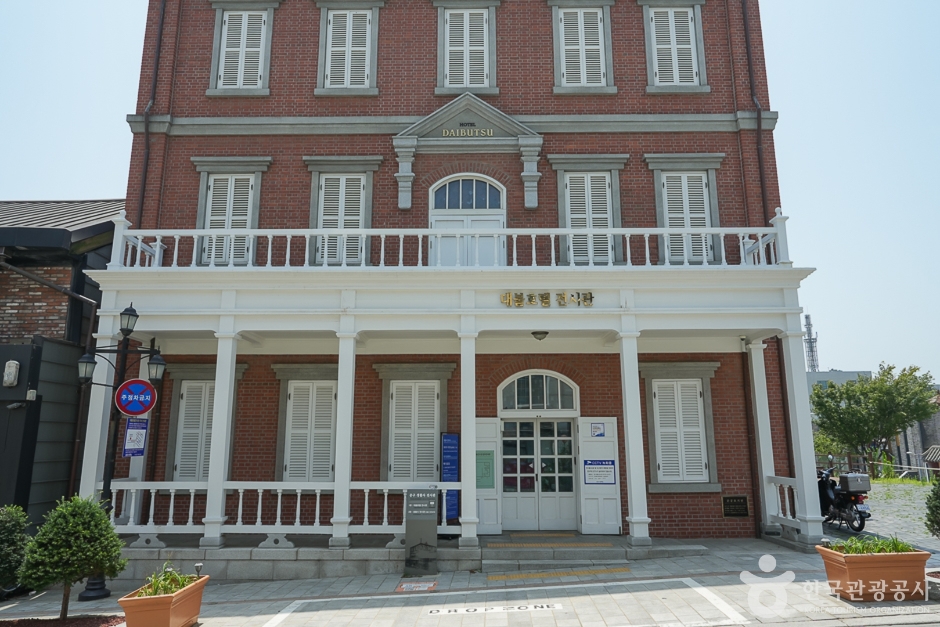
This museum is located on the site of Daebul Hotel, Korea's first Western-style hotel, established in 1889. The hotel was demolished in 1978, but parts of the hotel structure were discovered in 2011 and rebuilt to preserve the hotel's original appearance. The first floor is the Daebul Hotel Exhibition Hall, through which visitors can see traces of Daebul Hotel at the time. The second floor is the Jung-gu Life History Museum, where visitors can get a glimpse of life in Incheon's Jung-gu area in the 1960s and 1970s.
Cheongil Jogyeji Stairway (청일조계지 경계 계단)
11.7Km 2026-06-30
Seollin-dong, Jemulpo-gu, Incheon
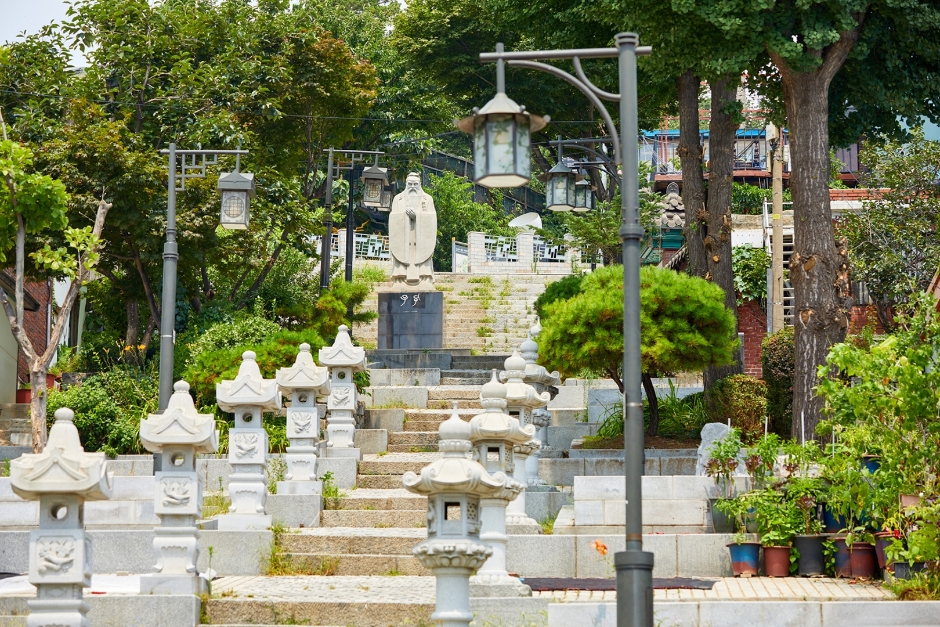
The border stairs of the Sino-Japanese Concession (an exclusive residential area set up for foreigners to live freely in ports opened for foreign trade) are located on a steep hill southwest of Jayu Park. It is a meaningful attraction with a history of about 120 years. The concession areas are divided into the Qing Dynasty concession on the left and the Japanese concession on the right with the stone stairs in the center. The buildings on the left and right clearly show each country's architectural styles and characteristics of the past.
Incheon Chinatown (인천 차이나타운)
11.7Km 2026-06-30
20 Chinatown-ro 59beon-gil, Jemulpo-gu, Incheon
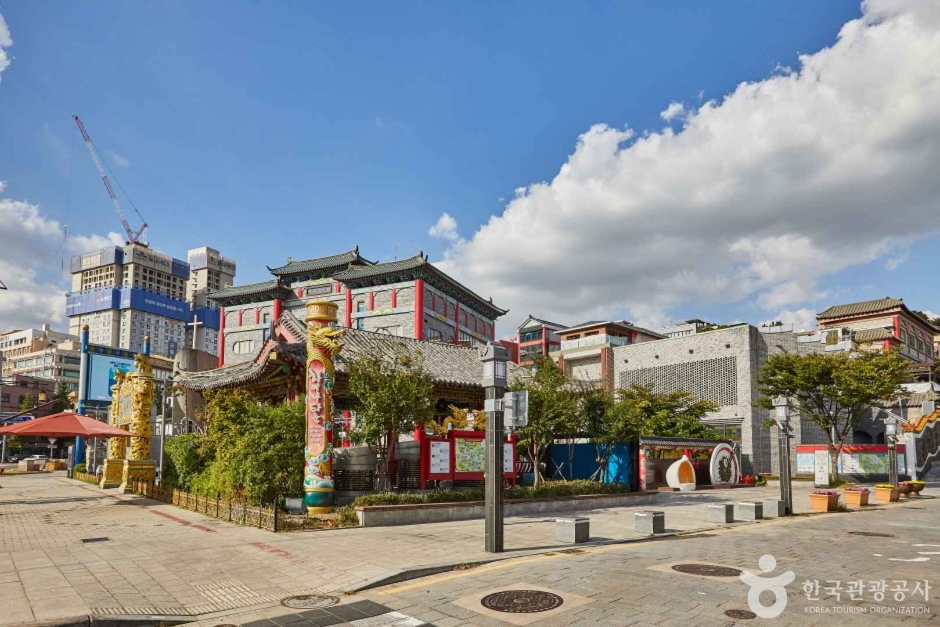
Incheon's Chinatown came into being with the opening of Incheon Port in 1883 and Incheon's designation as an extraterritoriality of the Ching dynasty in the following year. In the past, the area held many stores trading goods imported from China, but currently most Chinese businesses in the area are restaurants. Today, the residents of Chinatown are mostly 2nd or 3rd generation Chinese, descendents of the early Chinese settlers. The area harbors many of the flavors of China, while the traditional culture of the first generation is preserved.
Sorae Port (소래포구)
11.7Km 2023-02-08
2-6, Pogu-ro, Namdong-gu, Incheon
Sorae Port is located in Namdong-gu, Incheon, and is one of the most accessible places to feel the sea in the metropolitan area. It has a painful past and is also a tourist destination created by that bitter past. In the late 1930s, it began developing with the construction of a railroad to exploit high-quality salt, a raw material for gunpowder, from the area. After liberation, displaced people gathered to catch shrimp with one or two non-powered ships, made salted shrimp, and took Suin Line trains to Incheon, Suwon, Bupyeong, Seoul, etc., from dawn to sell them, and make a living. The fish market is famous for shrimp, salted seafood, and blue crab. Fresh seafood, generous merchants, and the sound of seagulls drawing patterns in the blue sky following the fishing boats leave a deep aftertaste. In particular, when prawns and blue crabs are in season, the freshness and taste are excellent enough to hold a festival.
By the port is a newly renovated fish market spans from the first basement floor to the second floor above the ground, and there are about 340 shops, including 300 hoe (sliced raw fish) restaurants and salted seafood shops. In particular, the second floor is a restaurant where visitors can taste hoe purchased at the fish market, and there are also convenient facilities such as a nursery cafe. In addition, the recently built Shrimp Tower Observatory is 21 meters high and good for a small number of people to enjoy the scenery comfortably.
 English
 한국어
한국어 日本語
日本語 中文(简体)
 Deutsch
 Français
 Español
 Русский


