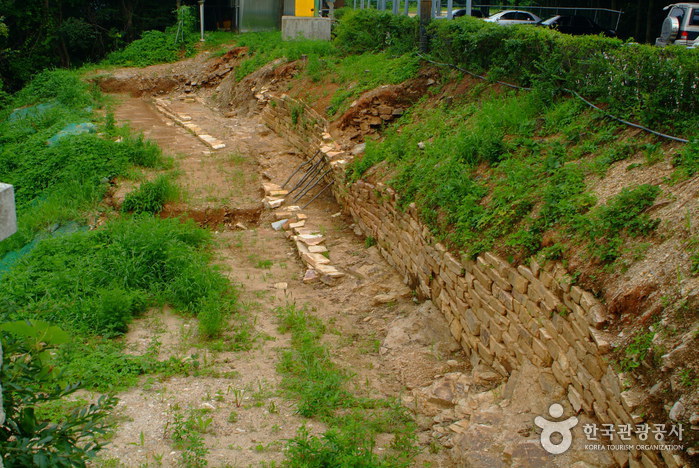
Odusanseong Fortress (파주 오두산성)
17.2Km 2024-12-03
Seongdong-ri, Paju-si, Gyeonggi-do
Odusanseong Fortress is built around the strategic summit of Odusasn Mountain. The walls stretch across roughly 620 meters and were built during the Baekje dynasty. The fortress is built on the intersection of the Imjingang River and the Hangang River on the summit of Odusan Mountain (119 meters). The mountain’s slope is steep and stones used in the construction of the fortress walls are scattered here and there at the summit. These scattered stones are evidence that the fortress underwent repairs several times during the Samguk (Three Kingdoms) era and the Joseon dynasty, as these stones were evidently quarried and used to mend the fortress walls. Excavations have discovered a great deal of earthenware, white porcelain, tile, and iron arrowheads. Topographically, the fortress sits on a prime strategic junction and the Unification Observatory has been situated there as well. The fortress stands as an important object of study concerning fortifications and structures from the Baekje dynasty. It has been recorded on the stele of King Gwanggaeto, Samguksagi (History of the Three Kingdoms), in the Naekjebongi (Baekje Annals) and on Daedongyeojido (Map of Korea) that the fortress was the Gwanmi Fortress of Baekje, attracting many scholars and researchers interested in this period.
![Olive Young - Gimpo Gurae Branch [Tax Refund Shop] (올리브영 김포구래)](http://tong.visitkorea.or.kr/cms/resource/04/2880504_image2_1.jpg)
Olive Young - Gimpo Gurae Branch [Tax Refund Shop] (올리브영 김포구래)
17.3Km 2024-04-18
21, Gimpohangang 9-ro 76beon-gil, Gimpo-si, Gyeonggi-do
-
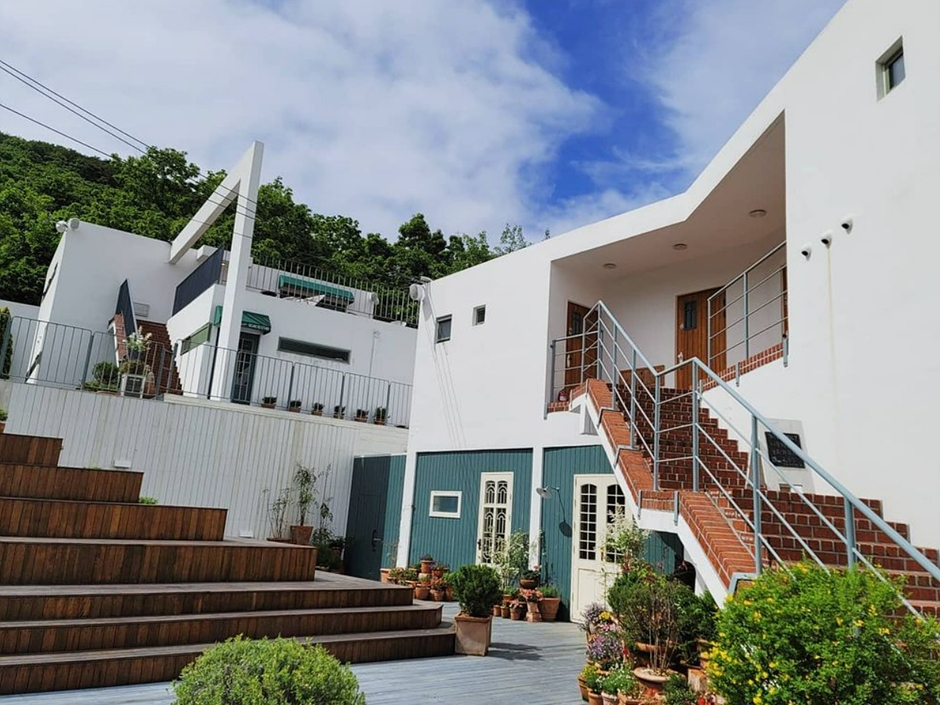
Mung Hit (멍때림)
17.3Km 2025-10-29
1970-34 Haeannam-ro, Hwado-myeon, Ganghwa-gun, Incheon
Mung Hit is a cafe located in Ganghwa-gun, Incheon. The cafe features a view of Manisan Mountain, and is decorated with comfortable tables and chairs for visitors to space out, the name of the cafe in Korean.
![E-Mart - Gimpo Hangang Branch [Tax Refund Shop] (이마트 김포한강)](http://tong.visitkorea.or.kr/cms/resource/06/2880506_image2_1.jpg)
E-Mart - Gimpo Hangang Branch [Tax Refund Shop] (이마트 김포한강)
17.4Km 2024-04-22
71, Gimpohangang 7-ro, Gimpo-si, Gyeonggi-do
-
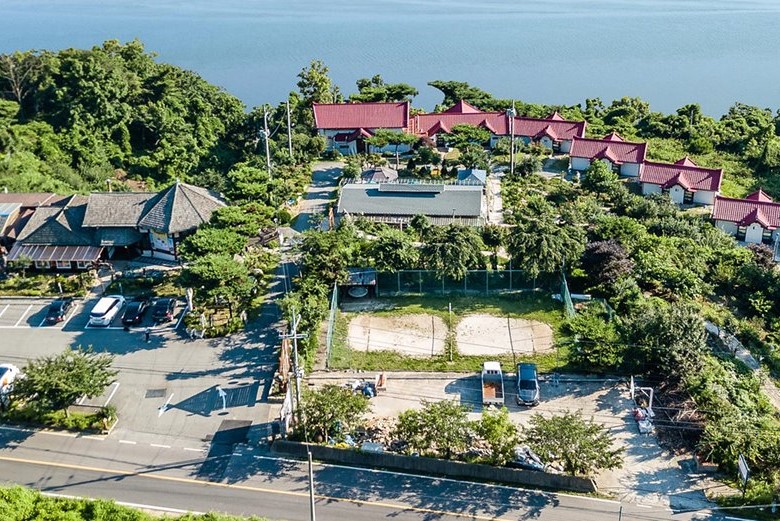
The Beautiful House With Sunset (노을내리는아름다운집)
17.4Km 2024-12-23
933-1 , Samsannam-ro, Ganghwa-gun, Incheon
+82-32-933-9677
Beautiful Sunset House in Seongmodo, Ganghwa Island is an old-fashioned pension with log-built interiors and hardwood furniture. All rooms have a terrace with fine sea views, with perhaps the best view of the superb South Sea sunsets offered by the pension’s own Casa Mia Sunset cafe. Residents can also enjoy the sunset while outdoor dining in the barbecue area, while a short seaside promenade from the pension’s Sunset Garden leads quickly to the sea, where visitors can dig for crabs and clams in the tidal flats. Seokmodo Mineral Hot Springs is a 10-minute walk away.
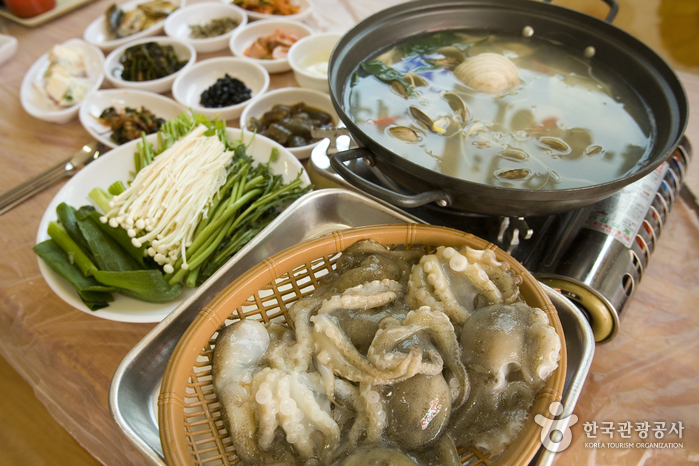
Tongilho (통일호)
17.4Km 2024-03-20
7-6 Eoryujeong-gil 212beon-gil, Samsan-myeon, Ganghwa-gun, Incheon
+82-32-934-8001
Tongilho is a picturesque hwareo hoe (sliced raw fish) restaurant situated on a hill with sweeping views of Minmeoru Beach in Seongmodo Island. The restaurant sources the freshest catch of the day directly from Janggot Harbor. Popular selections include sliced flatfish, rockfish, and sea bass, while the hearty saeng ureok tang (rockfish soup) stands out as a delightful option. The homemade Ganghwa sunmu kimchi (Ganghwa turnip kimchi) served as a side dish adds a special touch to the dining experience.

Minmeoru Beach (민머루해변)
17.5Km 2023-01-13
Eoryujeong-gil 212beon-gil, Ganghwa-gun, Incheon
+82-32-930-3515
Minmeoru Beach is a beach on Seongmodo Island, a small island to the west of Ganghwado Island. Visitors can enjoy sea bathing on the vast stretch of sandy beach and watch beautiful sunsets over the West Sea. When the tide goes out, a mud flat of approximately one kilometer in length appears. The mud flat is very smooth and is home to marine life including clams, crabs, and more. It is recommended for visitors to wear rubber boots or shoes when walking on the mud flat to prevent injuring their feet. The Eoryujeonghang Harbor and Janggothang Harbor are located nearby, so visitors can also enjoy sea fishing. Popular tourist attractions in the vicinity include Maaekseokbul (a Buddha image carved on a cliff) and Bomunsa Temple, which is said to have been constructed by Queen Seondeok during the Silla period.
Janghwa-ri Sunset Viewing Point (장화리일몰조망지)
17.6Km 2025-10-28
1408 Janghwa-ri, Hwado-myeon, Ganghwa-gun, Incheon
◎ Travel information to meet Hallyu’s charm - "Extraordinary Attorney Woo"
In episode 4, Young-woo and Jun-ho go to the West Sea and watch the beautiful sunset together. The place mentioned as a dialogue in the drama is the Sunset Viewing Point in Janghwa-ri, Ganghwa-gun. After parking for about 10 minutes, walk down the path through the peaceful paddy fields and you will see a pink observatory. The sea and sky seen through the observatory are like an oil painting. If you want to catch a golden sunset in your eyes, check the sunset time before visiting.
Dongmak Beach (강화 동막해변)
17.7Km 2024-11-08
1481 Haeannam-ro, Ganghwa-gun, Incheon
+82-32-937-4445
Dongmak Beach is a pristine attraction with white sands surrounded by a forest of pine trees. During high tide, visitors can enjoy sun bathing, while during low tide, a large mud flat opens up for visitors to observe various sea life such as clams, crabs and more. There are many attractions nearby to see and enjoy.
Hwagae Garden (화개정원)
17.7Km 2024-02-20
6-60 Gyodongdong-ro 471beon-gil, Gyodong-myeon, Ganghwa-gun, Incheon
Hwagae Garden is a park situated on the foothills of Hwagaesan Mountain in Gyodong-myeon. Exploring the trails, visitors can immerse themselves in the ever-changing beauty of Hwagaesan Mountain across the seasons. Opting for the monorail to reach the observatory rewards with a panoramic view extending to Ganghwado Island. The park is equipped with various amenities, including walking paths, a lawn, a children's playground, along with restaurants and cafés.
 English
 한국어
한국어 日本語
日本語 中文(简体)
 Deutsch
 Français
 Español
 Русский


