
Ujin Haejangguk (우진해장국)
1.9Km 2024-03-27
11 Seosa-ro, Jeju-si, Jeju-do
+82-64-757-3393
Ujin Haejangguk, located near Seomun Sageori (intersection) in Jeju City, specializes in haejangguk (hangover soup). It is so popular that visitors often line up to secure a seat. The restaurant's signature dish is gosari haejangguk (bracken hangover soup), made with bracken and pork. Other favorites on the menu include sagol haejangguk (beef bone hangover soup) and momguk (seaweed soup).
![E-Mart - Jeju Branch [Tax Refund Shop] (이마트 제주)](http://tong.visitkorea.or.kr/cms/resource/65/2887265_image2_1.jpg)
Jeju Oriental Hotel Casino (제주 오리엔탈호텔 카지노)
2.1Km 2024-03-19
47 Tapdong-ro, Jeju-si, Jeju-do
+82-64-754-8867
Jeju Oriental Hotel Casino is located at Tapdong Beach, next to the Jeju International Airport. As a casino exclusively for international visitors, it operates around the clock, providing a variety of games, such as blackjack, roulettes, daisai, and baccarat. This ten-story five-star hotel also features various amenities, including restaurants, cafés, a business center, and offers shuttle bus services.
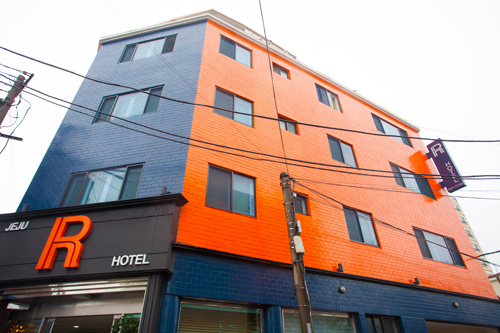
JEJU R HOTEL (제주알(R)호텔)
2.3Km 2024-07-08
5 , Seogwang-ro 14-gil, Jeju-si, Jeju-do
+82-64-757-7734
Jeju R Hotel on Seogwang-no, Jeju, offers simple, modern rooms at reasonable prices. Only 5 minutes by car from Jeju Airport and 1 minute from the Intercity Bus terminal, the hotel is highly accessible; and as it’s only a minute away from Jeju Sports Centre it’s also a convenient base for sports training camps. Accomodation ranges from guest rooms to dormitories and 10-person rooms. Facilities include a cafe and karaoke room, and a shared laptop is available in the lobby. A pick-up service is available for groups only.
Hyein Medical Foundation Medical Corporation Hankook Hospital (의료법인 혜인의료재단 한국병원)
2.3Km 2025-10-23
(Samdo 1(il)-dong), 193 Seogwang-ro, Jeju-si, Jeju-do)
Founded in February 1983 as Jeju's first general hospital, we have consistently pursued our vision of becoming "the hospital that Jeju residents trust the most and choose first", striving to achieve the highest level of patient satisfaction.
Accredited as the hospital that passed the MOHW's Accreditation Program for Healthcare Organizations
Recognized as a Best Institution in the Checkup Institution Evaluation for four cycles
Designated as an excellent hospital for asthma and chronic obstructive pulmonary disease by HIRA
Achieved Grade 1 ratings in COPD care (four years in a row), pneumonia care (two years in a row), hemodialysis, and anesthesia adequacy evaluations
Offers personalized health checkup programs and an optimized medical system
Provides quick, systematic, one-stop treatment services for cancer and various other diseases
Operates advanced robotic surgery equipment for artificial joint procedures
Yongyeon Pond (용연)
2.5Km 2024-10-24
73 Heungun-gil, Jeju-si, Jeju-do
Yongyeon Pond, located where water from Hallasan Mountain meets the sea, is aptly named "where dragons frolic,”reflecting its stunning vistas and crystal-clear waters. The Yongyeon Cloud Bridge, spanning the area's cliffs, is particularly famous for its breathtaking night views. Additionally, the area becomes a cultural hub every summer with the Yongyeon Floating Musical Concert, an event that recreates the ambiance of late Joseon-era musical performances held on boats, offering a uniqe blend of history and entertainment.
Yongduam Rock (용두암)
2.7Km 2023-01-13
Yongduam-gil, Jeju-si, Jeju-do
+82-64-740-6000
Situated on the northern coast in downtown Jeju, Yongduam Rock is an estimated 10-meter-tall stone that has been worn down over time by strong winds and waves into a shape resembling a dragon's head. There are many legends surrounding the rock. One legend has it that a dragon stealing precious jade from Hallasan Mountain was shot down by an arrow from the mountain deity. When he fell down, his body immediately sank into the ocean and his head rapidly froze looking at the sky. Another legend has it that a white horse, who dreamed of being a dragon and ascending to the sky, came to be caught by a soldier and froze into the rock.
From Yongduam Rock, visitors can see haenyeo (female divers) working at catching seafood. Near the rock are various cafes, bars, and restaurants. The coastal road between here and Aewol-eup is popular among couples. Cafes and seafood restaurants began to appear there five years ago and now form a pleasant café village.
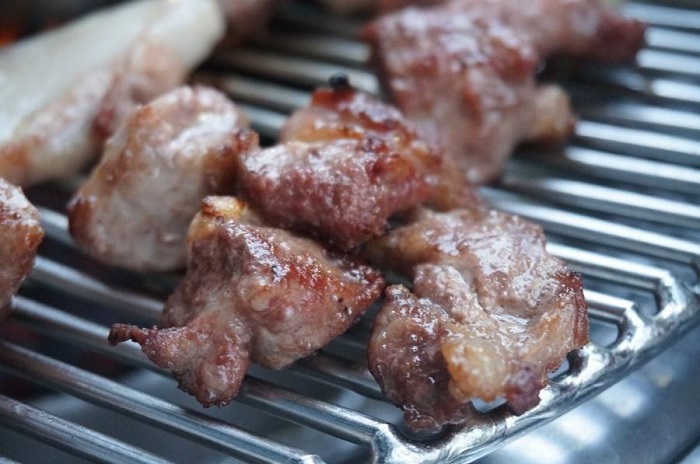
Childonga (칠돈가)
2.8Km 2024-03-18
1 Seocheon-gil, Jeju-si, Jeju-do
+82-64-727-9092
Childonga is a restaurant near the Jeju International Airport, specializing in heukdwaeji gui (grilled black pork). It sources its meat fresh daily to ensure patrons can enjoy the juiciness of the meat. The signature dish is, of course, the heukdwaeji gui (grilled black pork), known for its great texture. Another popular item on the menu is kimchi jjigae. Experts at the restaurant grill the meat for you, so you can enjoy your meat without any worries. Childonga has become a popular dining spot for both locals and tourists.
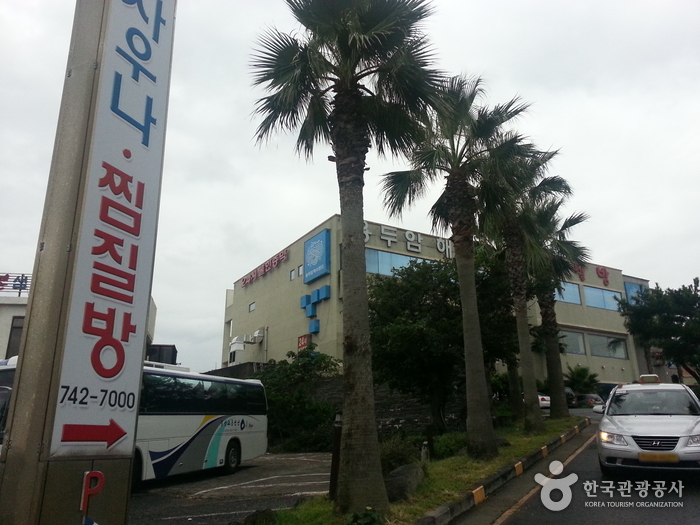
Yongduam Haesu Spa Land (용두암해수랜드)
3.3Km 2024-03-13
630, Seohaean-ro, Jeju-si, Jeju-do
+82-64-742-7000
Yongduam Haesu Spa Land, located near Jeju International Airport, is an expansive spa and sauna complex offering stunning ocean views. This facility caters to a variety of preferences, featuring a traditional hot sauna, a clay jjimjilbang, dry & wet sauna facilities, along with baths using freshwater and seawater. For added convenience, there is an on-site store providing a selection of refreshments and snacks, including bulgama gyeran (baked eggs), sikhye (sweet rice punch), various cold drinks, ensuring a comfortable and rejuvenating experience for all visitors.
 English
 한국어
한국어 日本語
日本語 中文(简体)
 Deutsch
 Français
 Español
 Русский


