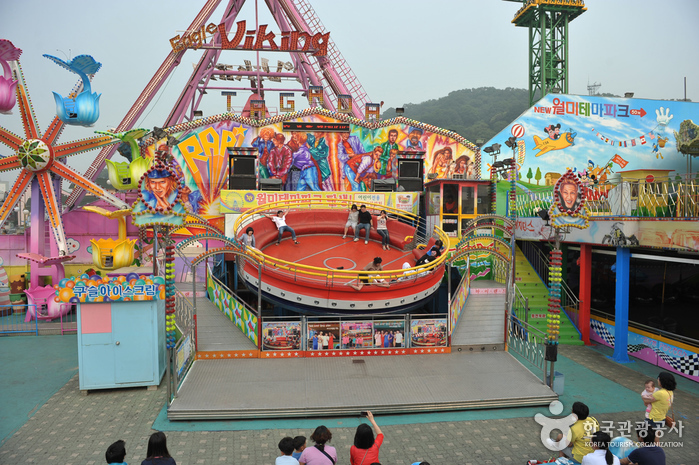
Wolmido Island (월미도)
1.7Km 2023-11-08
36 Wolmimunhwa-ro, Jung-gu, Incheon
+82-32-765-4169
Wolmido Island has very few historical records, despite being the location of a temporary palace, built in 1653 during the reign of King Hyojong. The palace was built on the eastern side of the island, but it is impossible to find traces of it now. From the late 1920s until the '30s, the island was transformed into a resort, a very popular destination at the time. Wolmi Culture Street opened in July 1989 and helped improve the area's fame.
On weekends and holidays, people flock to Wolmido Island to enjoy coffee and fresh seafood at the cafes and restaurants overlooking the sea. Despite being 1 kilometer off the coast, Wolmido is no longer an island, being connected to the mainland through modern construction techniques. It is now an easily accessible retreat for locals and tourists alike.
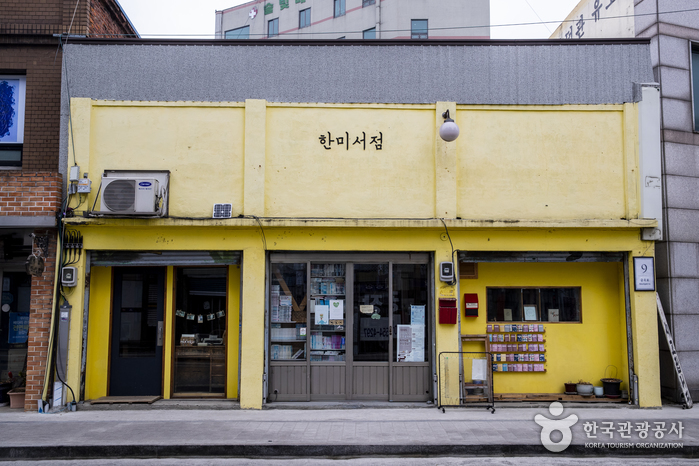
Baedari Secondhand Bookstore Alley (배다리 헌책방 골목)
1.7Km 2023-11-08
3 Geumgok-ro, Dong-gu, Incheon
Baedaeri Secondhand Bookstore Alley is a representative location of Incheon's past and the life of people living here. The street is home to five bookstores that sell books on every topic, from art and music to traditional medicine, children's literature, and dictionaries. The entrance to the alley also features murals of life in the past. Recently, the street was used as a filming location for the drama "Guardian: The Lonely and Great God (2016)," making it an extremely popular spot to visit.
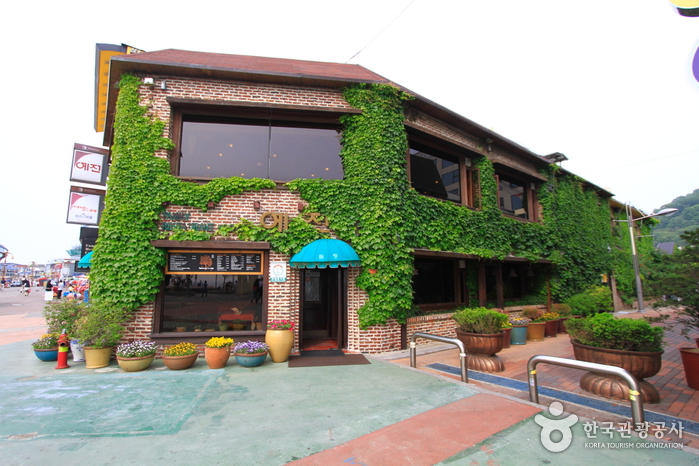
Yejeon (예전)
1.7Km 2025-01-20
43-2, Wolmimunhwa-ro, Jung-gu, Incheon
+82-32-772-2256
Yejeon is a western food restaurant and is considered one of the establishments that first created Wolmido Island’s café culture. Located in the middle of Wolmido's Munhwa Street (Culture Street), this Western-style redbrick building resembles that of a European atmosphere in Korea.
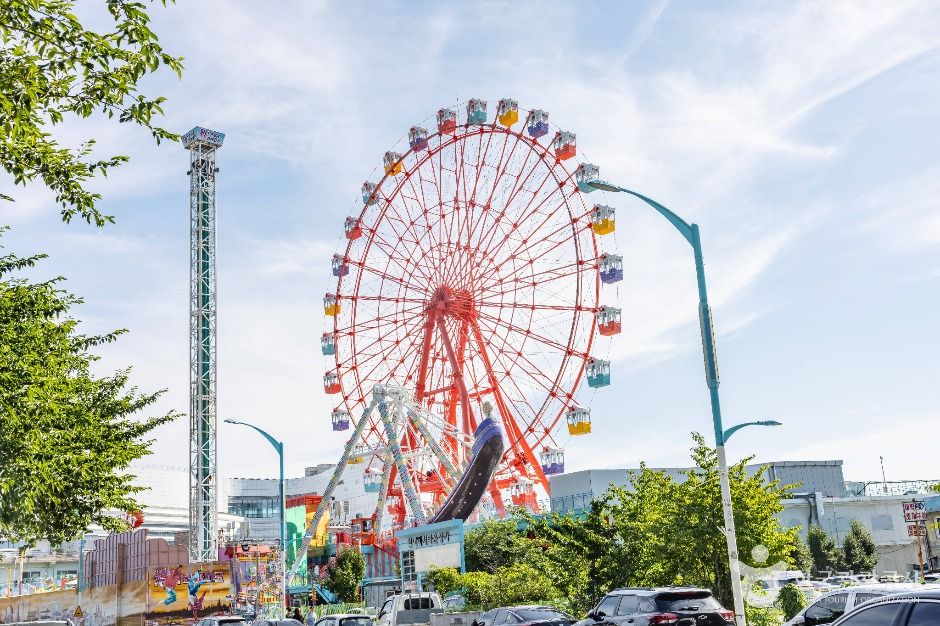
Wolmi Zzang Land (Wolmi Theme Park) (월미짱랜드)
2.0Km 2025-10-23
81 Wolmimunhwa-ro, Jung-gu, Incheon
Wolmi Zzang Land (Wolmi Theme Park) is located on Wolmido Island in Incheon. Spanning 13,200 square meters, it features various amusement rides including a ferris wheel, swing boat, and go-karts. One of its highlights is the tagada ride, where riders sit on circular seats that move in all directions to the beat of music while a DJ adds to the excitement. Visitors can also enjoy panoramic views of Songdo Town, the Incheon Bridge, and Yeongjongdaegyo Bridge from the ferris wheel.
Sudoguksan Museum of Housing and Living (수도국산달동네박물관)
2.0Km 2022-09-13
51, Solbit-ro, Dong-gu, Incheon
+82-32-770-6130
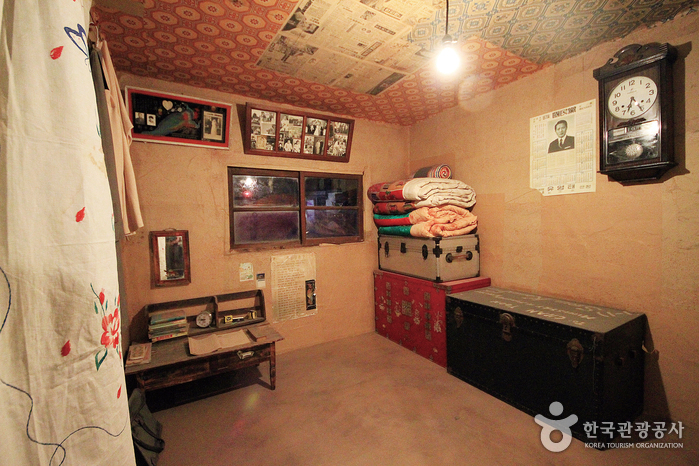
Sudoguksan Museum of Housing and Living, located within Songhyun Park, Dong-gu Incheon, opened on October 25, 2005. Consisting of two floors, the museum exhibits the life of citizens living in Incheon's "daldongne," the impoverished hillside areas. It exhibits reproductions of various scenes of daily life from the 1960s and 1970s.
Wolmi Park Wolmi Observatory (월미공원 월미전망대)
2.0Km 2025-10-23
294 Wolmi-ro, Jung-gu, Incheon
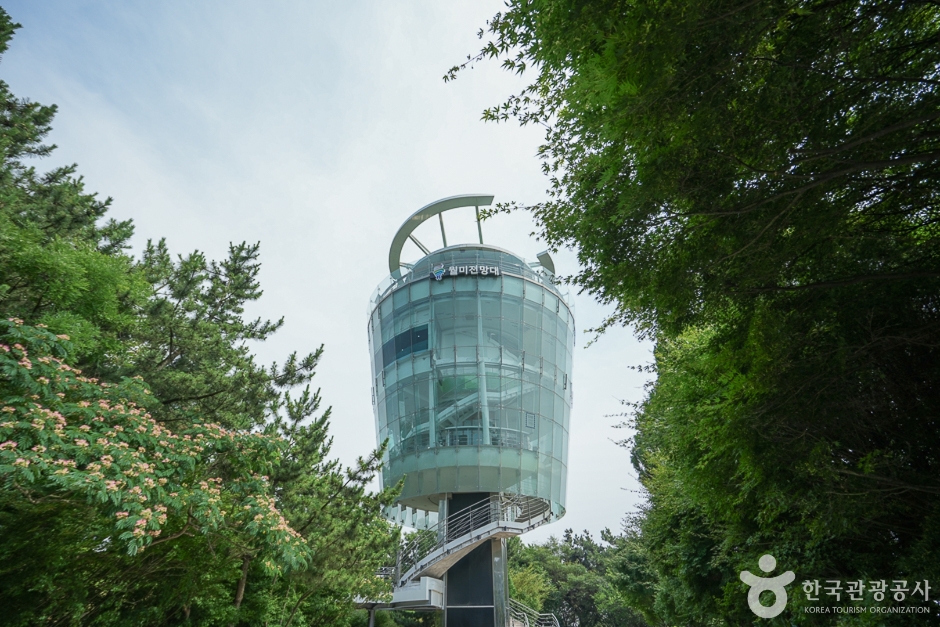
Wolmi Observatory, located atop Wolmisan Mountain, offers panoramic views of Incheon Port, Incheon Bridge, the Passenger Terminal, and nearby islands scattered across the ocean. One side of the observatory overlooks Incheon City, including Jayu Park, while the other opens up to the vast blue West Sea. It is also renowned for its stunning sunset views, making it a popular evening attraction. The observatory features a café, providing visitors with a relaxing space to unwind while taking in the beautiful scenery of the West Sea.
Incheon National Maritime Museum (국립인천해양박물관)
2.0Km 2025-10-23
294 Wolmi-ro, Jung-gu, Incheon
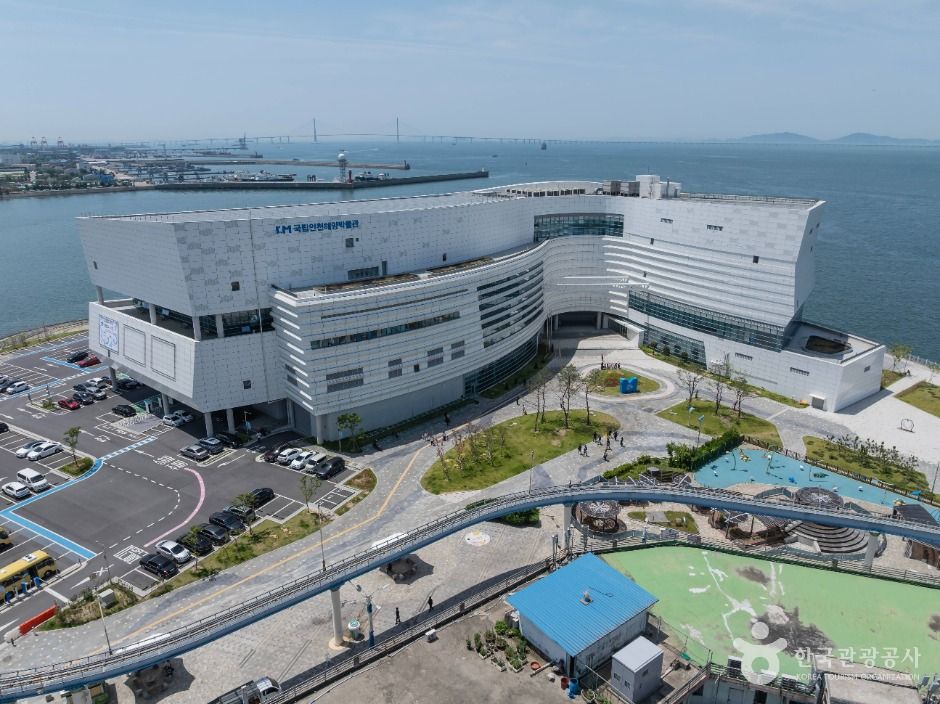
Incheon National Maritime Museum, located on Wolmido Island, is the first maritime cultural facility in the metropolitan area. Established in December 2024, the museum features permanent exhibition halls, a children’s museum, immersive video rooms, and special exhibition halls, offering visitors a glimpse into marine culture, including the history of maritime and port development.
Samdae Incheon Gejang (삼대인천게장)
2.5Km 2025-10-31
22 Geumgok-ro 81beon-gil, Dong-gu, Incheon
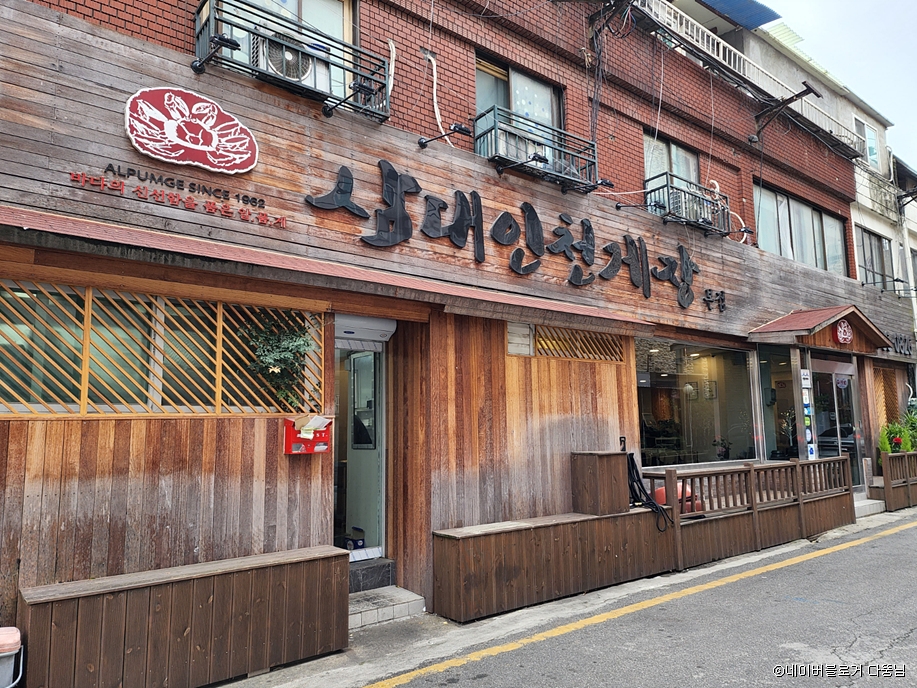
Established in 1962, this restaurant has been serving gejang for nearly sixty years and is now in its third generation (“sam-dae“) of family ownership. It uses blue crabs from Yeonpyeongdo Island and traditionally crafted and aged soy sauce. The restaurant employs a low-sodium method in its ganjang gejang (soy sauce marinated crab), highlighting the dish’s savory flavors.

Inha University Hospital (인하대학교의과대학부속병원)
2.5Km 2025-10-23
27 Inhang-ro, Jung-gu, Incheon
Since its opening in 1996, Inha University Hospital has been a cornerstone of the medical system in the Incheon region, playing a significant role in advancing healthcare in Korea. Our hospital is dedicated to meeting the diverse needs of the local community and patients from various nationalities by creating a safe, patient-centered environment. In response to the evolving medical landscape, we are embracing digital transformation in the era of the 4th Industrial Revolution and undertaking public health initiatives comparable to those of national university hospitals. With a strong foundation in cancer surgery, complex procedures, robotic surgery, and comprehensive health checkups, Inha University Hospital is committed to fostering a patient-centered culture. Guided by our core values of "communication" and "innovation," we strive to deliver high-quality care with a global perspective, ensuring that our services continue to meet international standards.
Incheon Baendaengi Street (연안부두 밴댕이회무침거리)
2.6Km 2021-07-22
24-1, Yeonanbudu-ro, Jung-gu, Incheon
+82-32-765-4169
The Gwanghwado and Incheon areas are known for their plentiful catches of baendaengi (large-eyed herring). After a little street started specializing in serving baendaengi some 30 years ago, the fish has continued to grow in popularity.
Located in Guwol-dong, across from the Incheon Culture & Arts Center, Baendaengi Street has expanded, and so has the variety of dishes served. Visitors can try baendaengi prepared sashimi-style, roasted, or in a spicy soup. For this particular species of herring, locals believe the flavor is best in March and April when they grow to their largest size. Salted Baendaengi also makes an excellent side-dish for Korean meals.
* Baendaengi is one of many types of small prey fish referred to as ‘Soeo’ for their fierce struggle in fishing nets. Soeo have internal organs that are proportionally smaller than other species of fish and are known for their feisty nature. These attributes are thought to signify a stress-filled life, which is why many Koreans refer to narrow-minded or hot-tempered people as ‘baendaengi.’
 English
 한국어
한국어 日本語
日本語 中文(简体)
 Deutsch
 Français
 Español
 Русский


