ARTFACTORY CHARMGIROOM (아트팩토리 참기름)
13.5Km 2025-11-11
109 Kkachigol-gil, Gilsang-myeon, Ganghwa-gun, Incheon
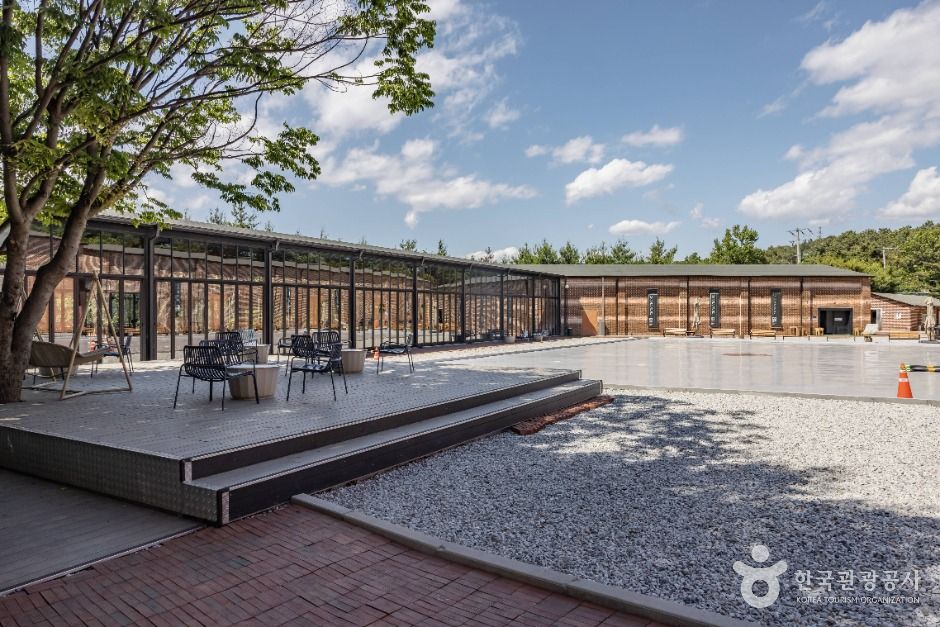
RTFACTORY CHARMGIREUM, renovated from a former sesame oil factory, is a cultural complex on Ganghwado Island, Incheon, offering various media art exhibitions as well as food and beverage options. Combining art and technology, the venue provides a spacious area for relaxation and cultural immersion, making it a new trending attraction that offers visitors a unique experience.
Gyeyangsan Mountain (계양산)
13.6Km 2021-05-24
26, Gyeyangsan-ro 75beon-gil, Gyeyang-gu, Incheon
+82-32-450-5654
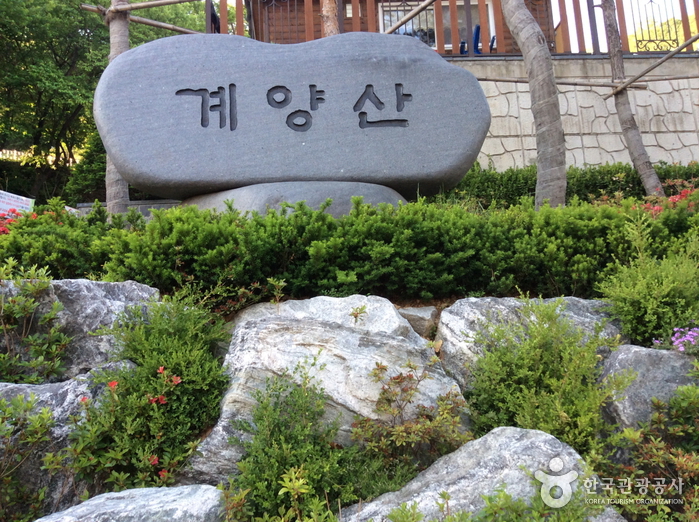
Gyeyangsan Mountain, which reaches an altitude of 395 meters, is considered a guardian and holy mountain that is representative of Incheon. The mountain’s name changed several times, according to the name changes of the region. It was previously called "Sujuak" as part of the Suju administration of the Goryeo dynasty, "Annamsan Mountain" during Annam administration, and finally was renamed "Gyeyangsan Mountain" during Gyeyang administration.
Gyeyangsan’s name originates from the area that is home to the Korean box tree, which produces cassia bark used to make cinnamon. Gyeyang Park was designated as Incheon’s first urban natural park on January 8, 1944, and since then, the mountain has gone on to become the city’s top municipal park.
![[Ganghwa Nadeul-gil Course 2] Homeland Fortification Trail ([강화 나들길 제2코스] 호국돈대길)](http://tong.visitkorea.or.kr/cms/resource/05/1895205_image2_1.jpg)
[Ganghwa Nadeul-gil Course 2] Homeland Fortification Trail ([강화 나들길 제2코스] 호국돈대길)
14.0Km 2021-08-11
24, Cheonghadong-gil, Ganghwa-gun, Incheon
+82-32-934-1906
The Ganghwa Nadeul-gil Trails are a collection of walking paths along the coast of Ganghwa Island that connect the watchtowers and and walls of Ganghwasanseong Fortress, as well as royal tombs and other historically significant sites from the Goryeo dynasty that dot the island.
[Ganghwa Nadeul-gil Course 2] Homeland Fortification Trail
Course 2 stretches over a 17 kilometer area between Gapgotdon Watchtower and Chojijin Fort. This trail showcases the history of the island and the changes that happened before and after the opening of the port. The course follows a coastal road that is particularly beautiful in spring and fall.
![Olive Young - Gyesan Samgeori Branch [Tax Refund Shop] (올리브영 계산삼거리)](http://tong.visitkorea.or.kr/cms/resource/03/2882403_image2_1.jpg)
Olive Young - Gyesan Samgeori Branch [Tax Refund Shop] (올리브영 계산삼거리)
14.2Km 2024-04-16
1048, Gyeongmyeong-daero, Gyeyang-gu, Incheon
-
![Bogner - Lotte Goyang Terminal Branch [Tax Refund Shop] (보그너 롯데고양터미널)](http://tong.visitkorea.or.kr/cms/resource/03/2880703_image2_1.jpg)
Bogner - Lotte Goyang Terminal Branch [Tax Refund Shop] (보그너 롯데고양터미널)
14.2Km 2024-04-19
1036, Jungang-ro, Ilsandong-gu, Goyang-si, Gyeonggi-do
-
![SI Vov - Lotte Goyang Terminal Branch [Tax Refund Shop] (SI 보브 롯데고양터미널)](http://tong.visitkorea.or.kr/cms/resource/06/2880706_image2_1.jpg)
SI Vov - Lotte Goyang Terminal Branch [Tax Refund Shop] (SI 보브 롯데고양터미널)
14.2Km 2024-04-22
1036, Jungang-ro, Ilsandong-gu, Goyang-si, Gyeonggi-do
-
![CheongKwanJang - Unjeong Branch [Tax Refund Shop] (정관장 운정점)](http://tong.visitkorea.or.kr/cms/resource/94/3314194_image2_1.jpg)
CheongKwanJang - Unjeong Branch [Tax Refund Shop] (정관장 운정점)
14.3Km 2024-06-27
610, Mirae-ro, Paju-si, Gyeonggi-do
-
Odusanseong Fortress (파주 오두산성)
14.4Km 2024-12-03
Seongdong-ri, Paju-si, Gyeonggi-do
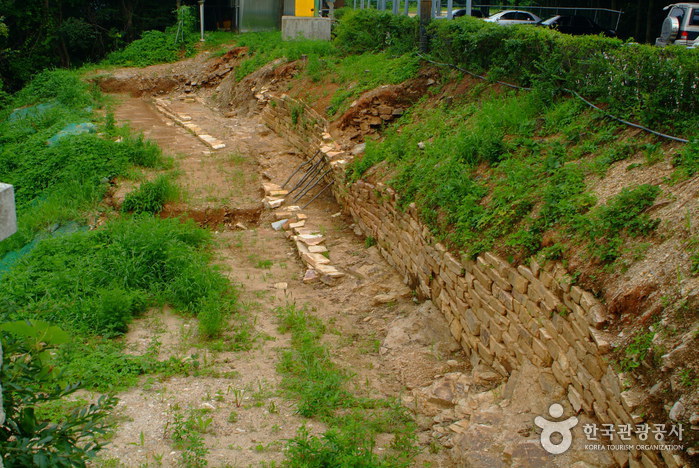
Odusanseong Fortress is built around the strategic summit of Odusasn Mountain. The walls stretch across roughly 620 meters and were built during the Baekje dynasty. The fortress is built on the intersection of the Imjingang River and the Hangang River on the summit of Odusan Mountain (119 meters). The mountain’s slope is steep and stones used in the construction of the fortress walls are scattered here and there at the summit. These scattered stones are evidence that the fortress underwent repairs several times during the Samguk (Three Kingdoms) era and the Joseon dynasty, as these stones were evidently quarried and used to mend the fortress walls. Excavations have discovered a great deal of earthenware, white porcelain, tile, and iron arrowheads. Topographically, the fortress sits on a prime strategic junction and the Unification Observatory has been situated there as well. The fortress stands as an important object of study concerning fortifications and structures from the Baekje dynasty. It has been recorded on the stele of King Gwanggaeto, Samguksagi (History of the Three Kingdoms), in the Naekjebongi (Baekje Annals) and on Daedongyeojido (Map of Korea) that the fortress was the Gwanmi Fortress of Baekje, attracting many scholars and researchers interested in this period.

NHIS Ilsan Hospital (국민건강보험 일산병원)
14.5Km 2025-10-23
100 Ilsan-ro, Ilsandong-gu, Goyang-si, Gyeonggi-do
NHIS Ilsan Hospital, opened in March 2000, is the nation's only insurer-run hospital and one of the most trusted and frequently visited hospitals in Korea. The International Healthcare Center, established in August 2012, is currently headed by a professor of neurosurgery and operated by a staff of three. In particular, the center is dedicated to providing the best hospital services for Russian-speaking patients. Through partnerships with more than 50 organizations both in Korea and abroad, the hospital actively engages in monitoring local healthcare trends, promoting Korean medical services, and enhancing international patient care. It also conducts annual medical training programs for healthcare professionals from target countries (e.g., Kazakhstan, Mongolia) while providing charitable medical services to financially disadvantaged international patients.
Ganghwa Seonwonsa Temple Site (강화 선원사지)
14.6Km 2022-09-19
222, Seonwonsaji-ro, Ganghwa-gun, Incheon
+82-32-933-8234
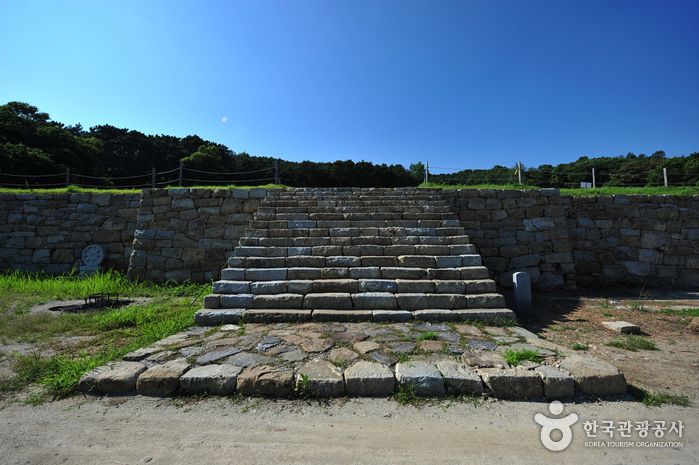
Ganghwa Seonwonsa Temple Site was first discovered in 1976 during a surface examination around Ganghwado Island undertaken by the Ganghwado Island Academic Research Team of Dongguk University. The site was designated as Historic Site No. 259 in 1977. Seonwonsa Temple was built by General Choi Wu in 1245 (the 32nd year of King Gojong’s reign during the Goryeo dynasty), which was right after the transfer of the capital to Ganghwado during resistance against the Mongolian invasion.
The temple was meant to be a spiritual mainstay in fighting against Mongolia. It used to be one of the two largest temples in Korea along with Songgwangsa Temple. However, the temple was completely destroyed during the early Joseon era, leaving only the site itself. The famous wood blocks of Palman Daejanggyeong (the Tripitaka Koreana), currently housed in Haeinsa Temple at Hapcheon, are said to have been originally stored in Seonwonsa Temple. It is believed that the carved wood blocks were taken from Seonwonsa to Heungcheonsa Temple during the Joseon era and again moved to Haeinsa Temple during the reign of Sejo.
Located on a mountain slope, the presumed location of the building site extends 250 meters from south to north and 170 meters from east to west.
 English
 한국어
한국어 日本語
日本語 中文(简体)
 Deutsch
 Français
 Español
 Русский


